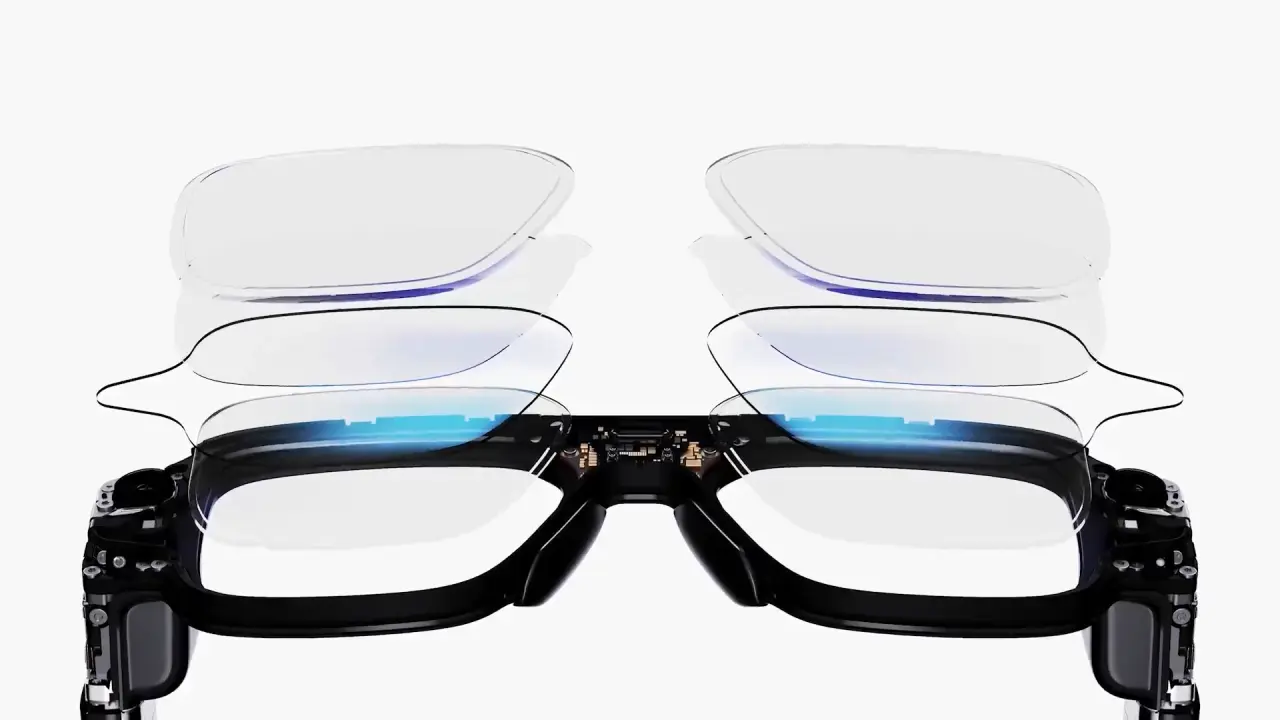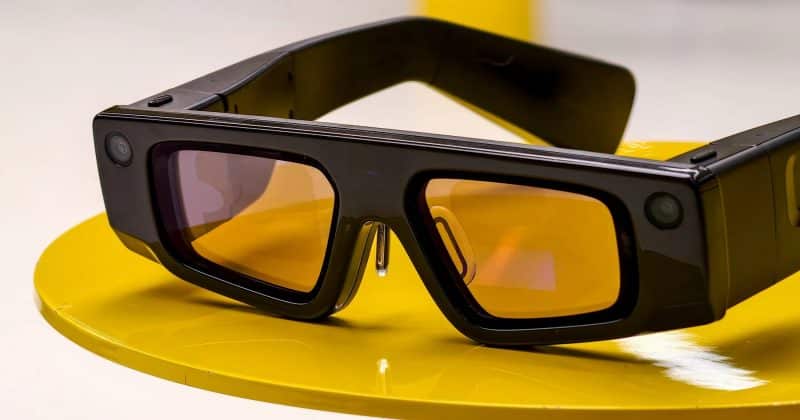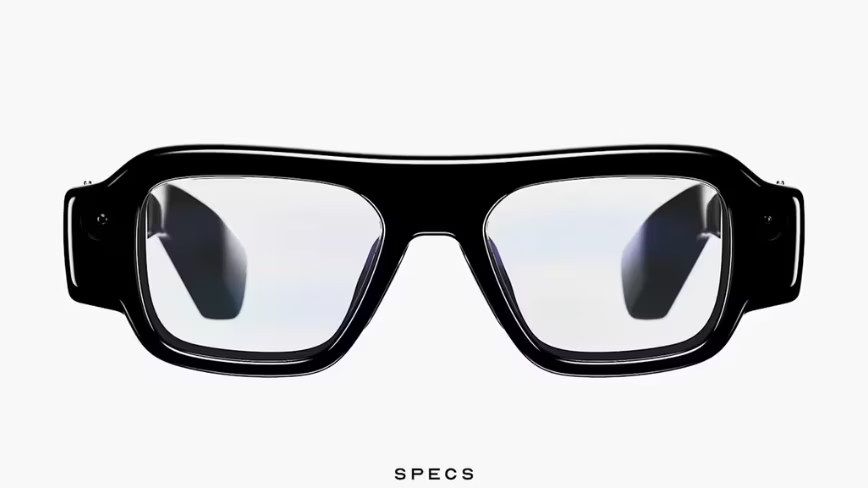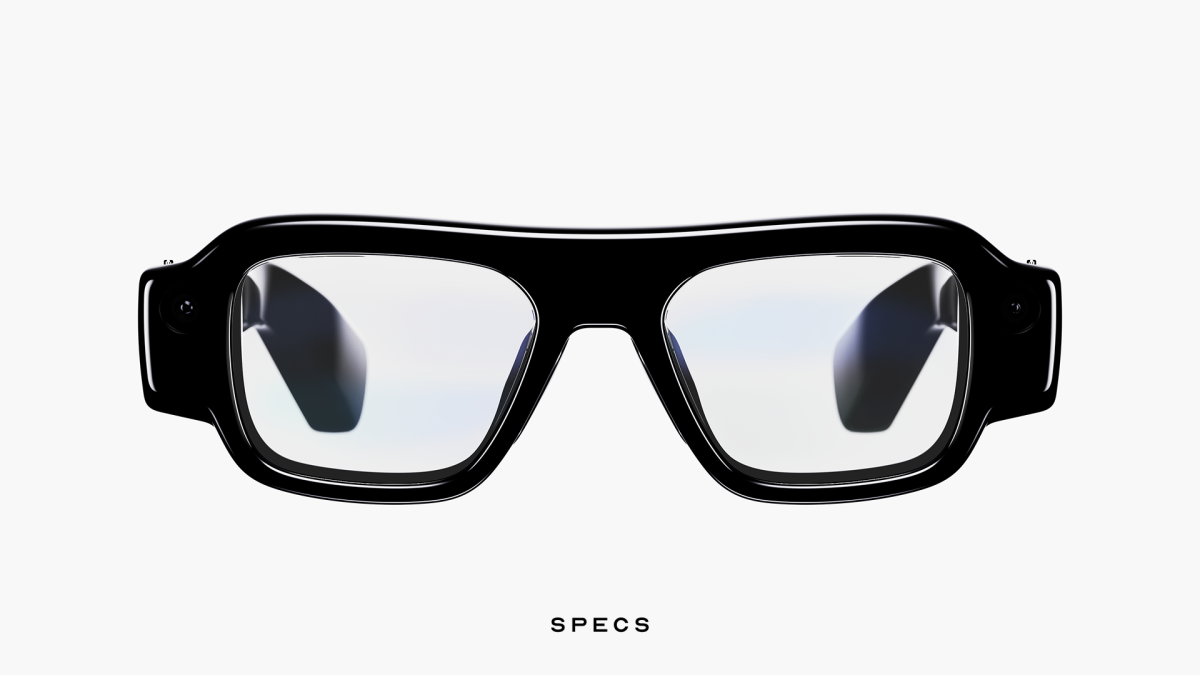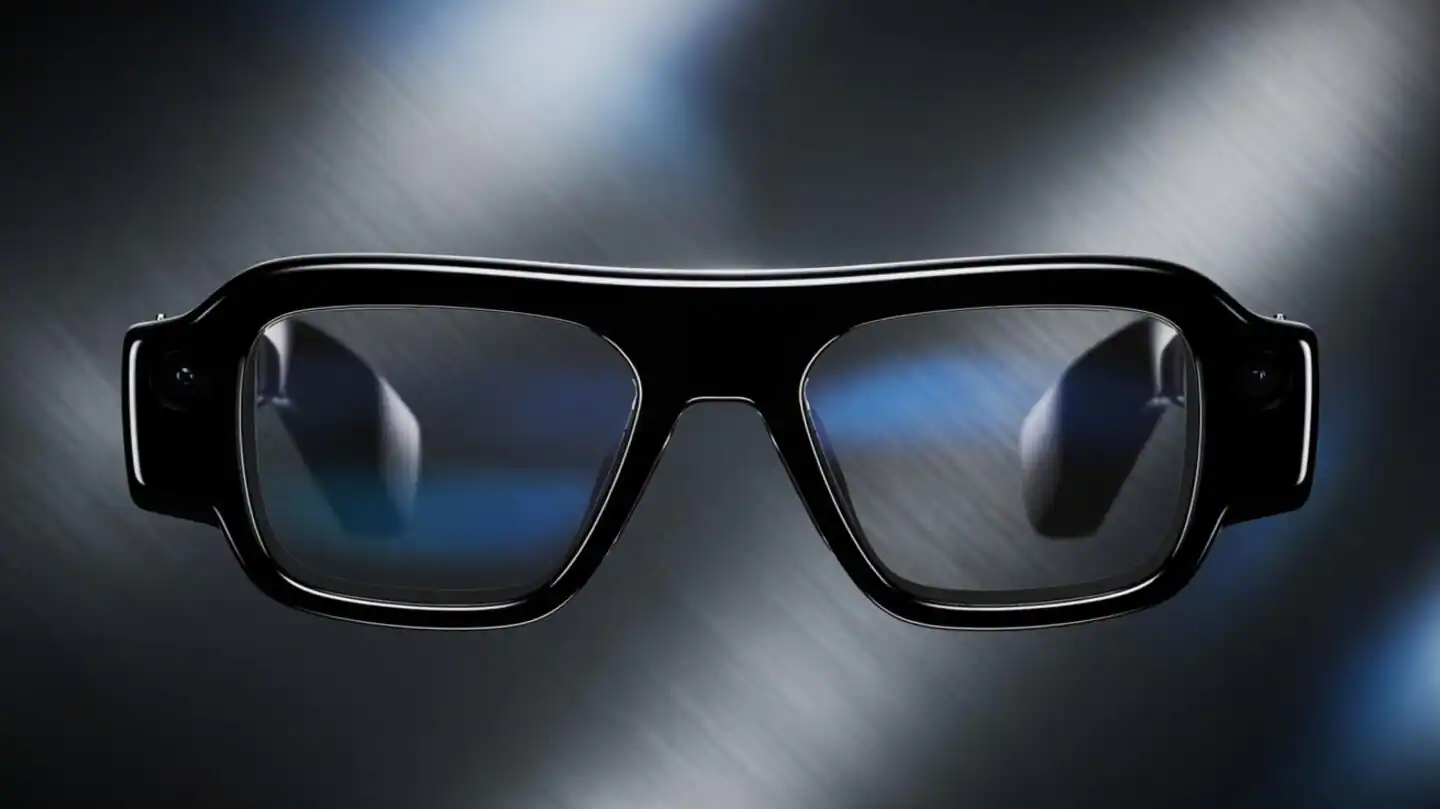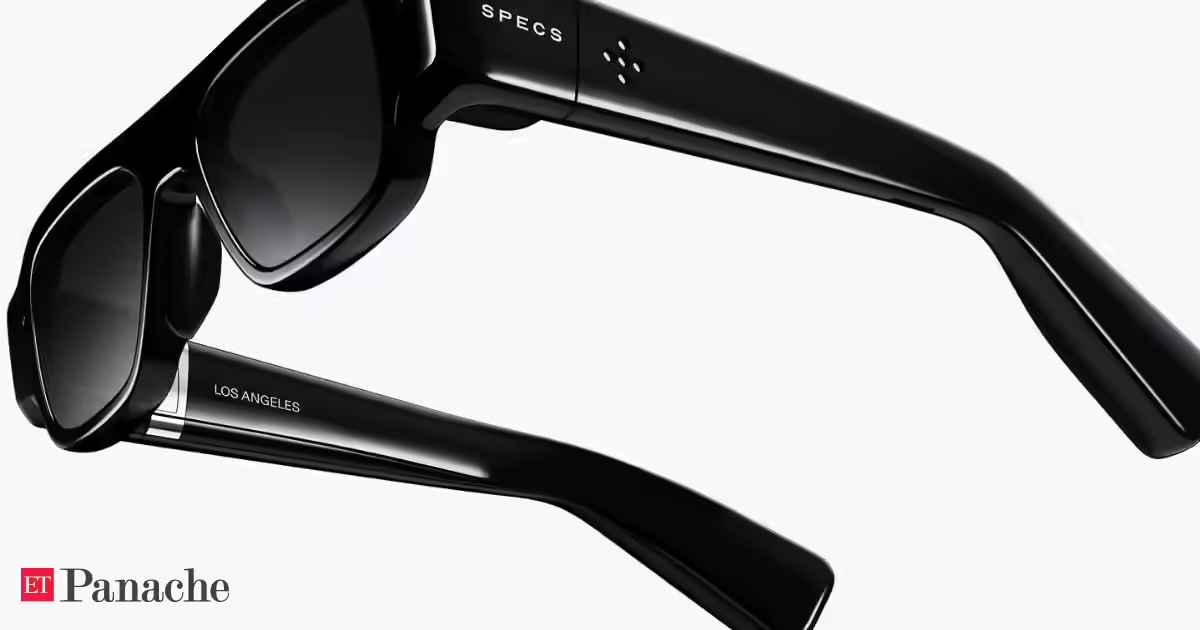
For years, the technology industry has talked about a future beyond smartphones. While several companies have experimented with smart glasses and mixed reality headsets, few have managed to create a product that balances everyday wearability with meaningful functionality.Snap believes it may have found that balance.The company has unveiled SPECS, a new generation of standalone augmented reality glasses that bring AI-powered assistance, entertainment, productivity tools, and shared digital experiences directly into a user's field of view. Available for pre-order at $2,195, SPECS will begin shipping later this year in the United States, United Kingdom, and France.The launch marks Snap's most ambitious hardware push yet and comes at a time when the race to define the next computing platform is accelerating. With Apple expanding spatial computing through Vision Pro, Meta doubling down on AI-powered eyewear, and Google re-entering the conversation through Android XR initiatives, the battle for the post-smartphone era is beginning to take shape.From Smartphones to Spatial ComputingSnap CEO Evan Spiegel positioned SPECS as a shift away from screen-centric computing.According to the company, traditional computers and smartphones have long required users to divert their attention away from the world around them. SPECS, in contrast, are designed to bring digital information into real-world environments, allowing users to interact with content without reaching for a phone or sitting in front of a screen.The launch is the culmination of more than a decade of investment in augmented reality technologies. Snap says it has built expertise across the entire AR stack, including operating systems, computer vision, optics, displays, and developer tools, resulting in more than 7,000 patents.Designed to Bridge the Gap Between Smart Glasses and HeadsetsOne of the biggest challenges in spatial computing today is the trade-off between capability and comfort.AI glasses are lightweight and socially acceptable but often limited in functionality. Mixed reality headsets offer immersive experiences but remain bulky and expensive for everyday use.Snap is positioning SPECS as a middle ground.The glasses weigh between 132 and 136 grams depending on size and are built using Swiss TR90 polymer. They are available in two frame sizes and support prescription inserts, making them more practical for daily use.On the display side, SPECS feature Snap's proprietary liquid crystal on silicon technology, delivering a 51-degree field of view and support for 16 million colors. The company claims the viewing experience is comparable to using a 24-inch desktop monitor for work or watching content on a 115-inch screen from approximately ten feet away.Snap has also redesigned its waveguide technology using nanoscale structures to improve clarity and reduce distortion. Electrochromic lenses can automatically shift from clear to tinted, helping users adapt to changing lighting conditions.AI at the Center of the ExperienceAs with nearly every major consumer technology launch in 2026, artificial intelligence sits at the heart of the SPECS experience.Powered by dual Snapdragon processors, the glasses are designed to understand the user's environment and provide contextual assistance in real time. Features include navigation overlays, object recognition, spatial measurements, and AI-powered productivity support.Rather than treating AI as a chatbot confined to a screen, Snap is pitching a more immersive vision where AI can see what users see and assist them within their physical surroundings.The glasses also support a large virtual display that can be used for streaming content, screen casting, whiteboarding, and mobile productivity tasks.Building an Ecosystem Around SPECSHardware alone will not determine the success of augmented reality, and Snap appears focused on growing its developer ecosystem alongside the device.The company revealed a series of new developer tools designed to accelerate Lens creation and improve AI-powered development workflows. These include support for agentic development within Lens Studio, allowing developers to prototype, test, optimize, and publish experiences more efficiently.Snap is also introducing the SPECS Spatial Benchmark, aimed at evaluating how AI models perform in real-world spatial environments, along with migration tools for existing projects and a native development kit that gives developers greater flexibility when building applications.The company says hundreds of Lenses are already available for SPECS, ranging from gaming and education to productivity and entertainment experiences.Battery Life and Privacy Remain Key QuestionsSPECS offer up to four hours of mixed-use battery life on a single charge, covering AR experiences, video playback, notifications, and AI assistance. The bundled charging case extends usage to approximately 20 hours through four additional charges.Snap is also emphasizing privacy, an area that has historically raised concerns around wearable cameras and always-on computing devices. The glasses include a recording indicator light, prioritize on-device processing where possible, and give users control over how data is stored, synchronized, and shared.Why SPECS MatterThe launch of SPECS is significant not because it guarantees mainstream adoption of AR glasses, but because it reflects how quickly the industry is moving toward spatial computing as the next major technology platform.For years, smartphones have been the primary gateway to digital experiences. Increasingly, however, technology companies are exploring ways to make computing more ambient, contextual, and integrated into everyday life.Whether consumers are ready to replace screens with glasses remains an open question. But with SPECS, Snap is making its strongest case yet that the future of computing may not live in our pockets, but in the world around us.
Snap Bets on AR Glasses again, this time with SPECS priced at $2,195 for pre-order
Snap has unveiled SPECS, its most advanced augmented reality glasses yet, as the company intensifies its push into the emerging spatial computing market. Priced at $2,195 and available for pre-order, the AI-powered glasses combine navigation, productivity tools, entertainment features, and contextual assistance directly within the users field of view. Weighing significantly less than traditional mixed reality headsets, SPECS aim to bridge the gap between lightweight smart glasses and immersive AR devices.
852 words~4 min read