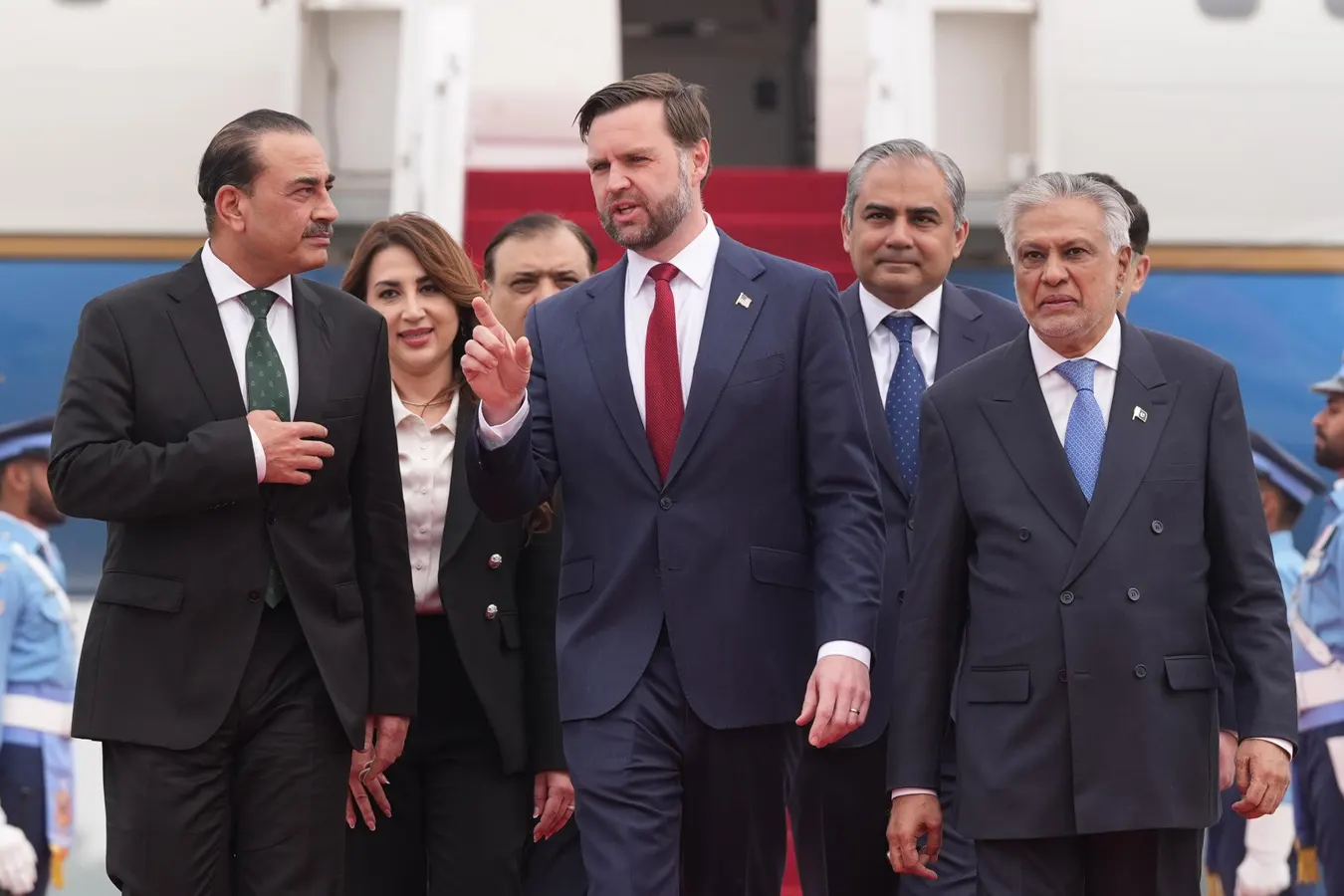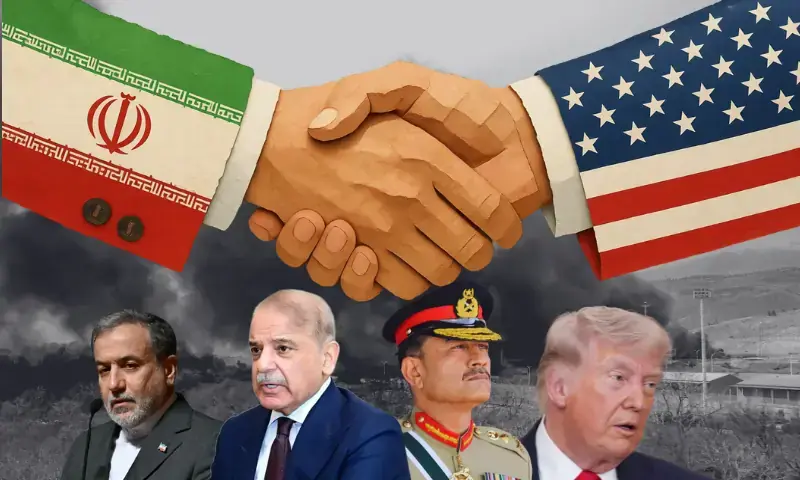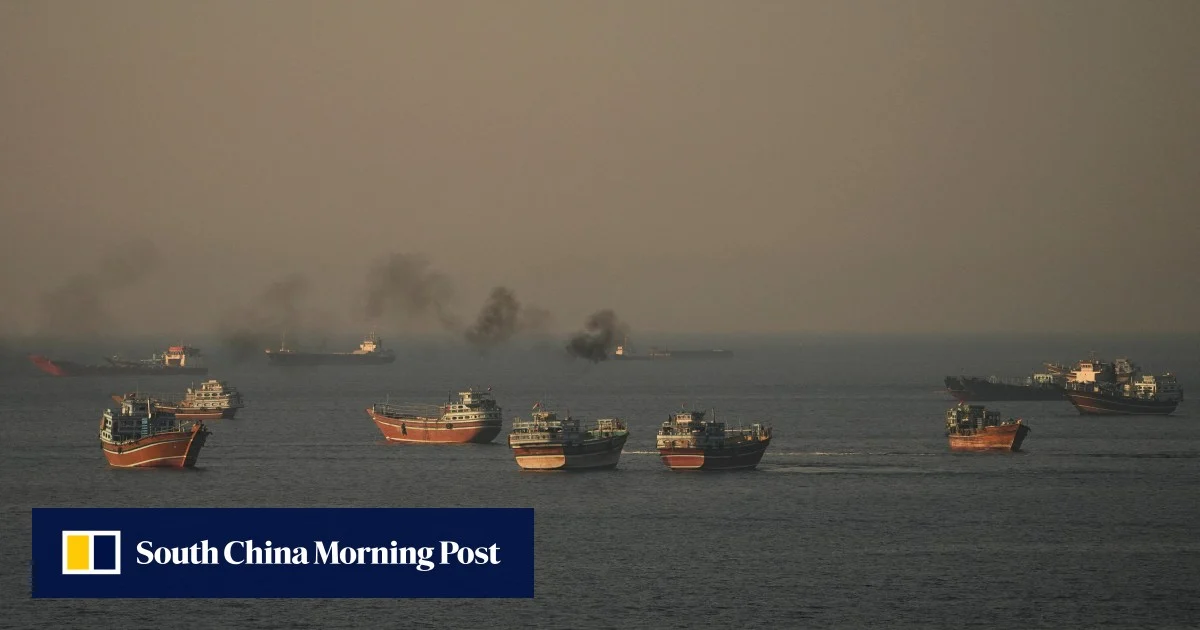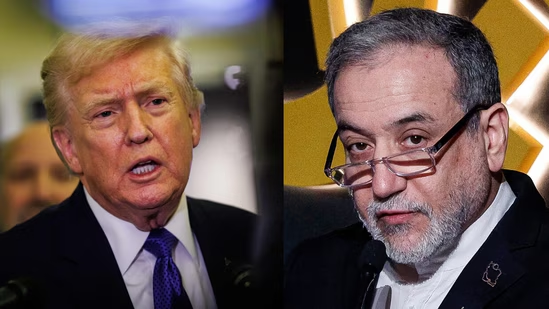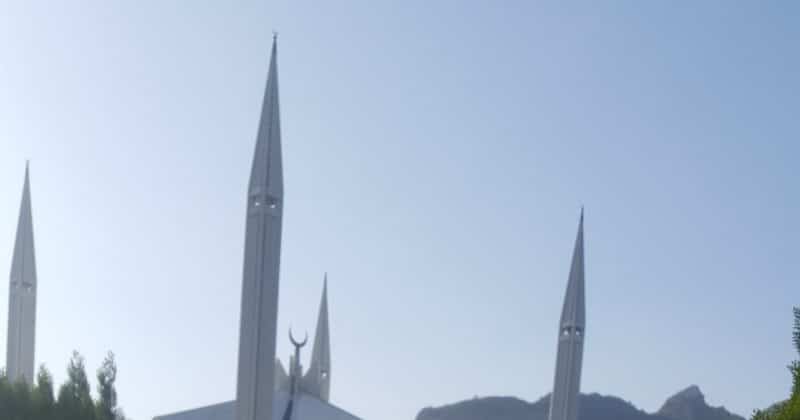
Pakistan just pulled off something it hasn’t managed since it secretly helped Richard Nixon open a back channel to Mao Zedong in 1971. The country brokered a ceasefire between the United States and Iran, ending a conflict that had raged for over 100 days, shuttered the Strait of Hormuz, and sent energy markets into a prolonged panic.
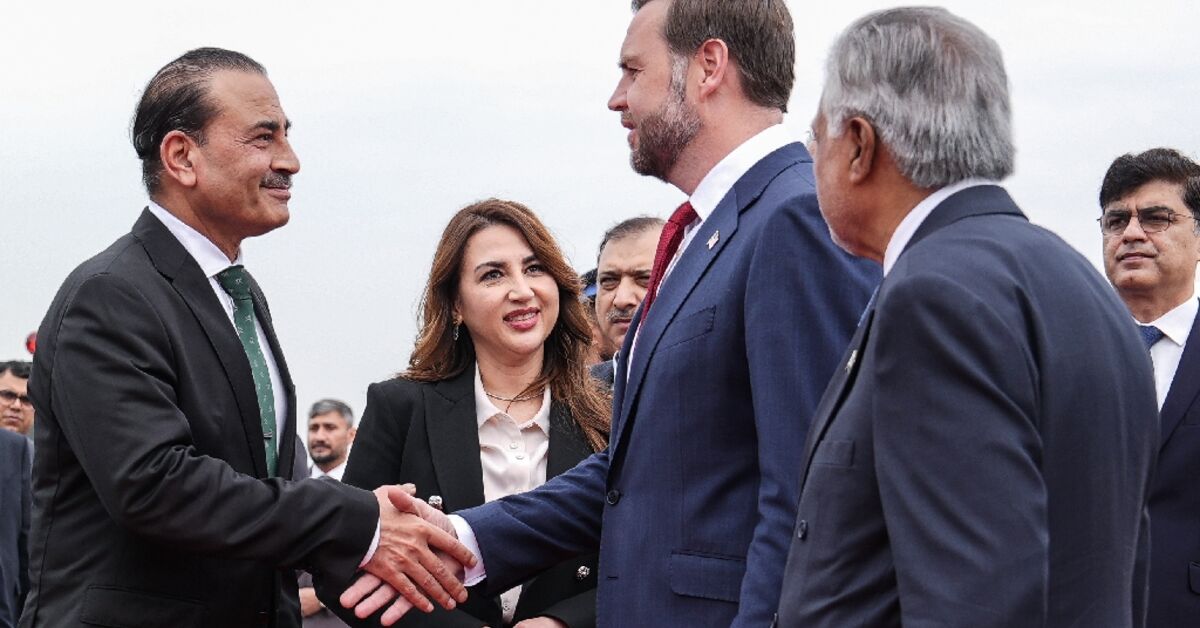
The April 8, 2026 ceasefire was only the beginning. What followed were the first direct US-Iran talks since 1979, held in Islamabad on April 11-12, eventually producing a formal agreement known as the Islamabad Memorandum in mid-June. For a country more often discussed in the context of IMF bailouts and domestic political crises, this is a seismic shift in geopolitical standing.
How Pakistan threaded the needle
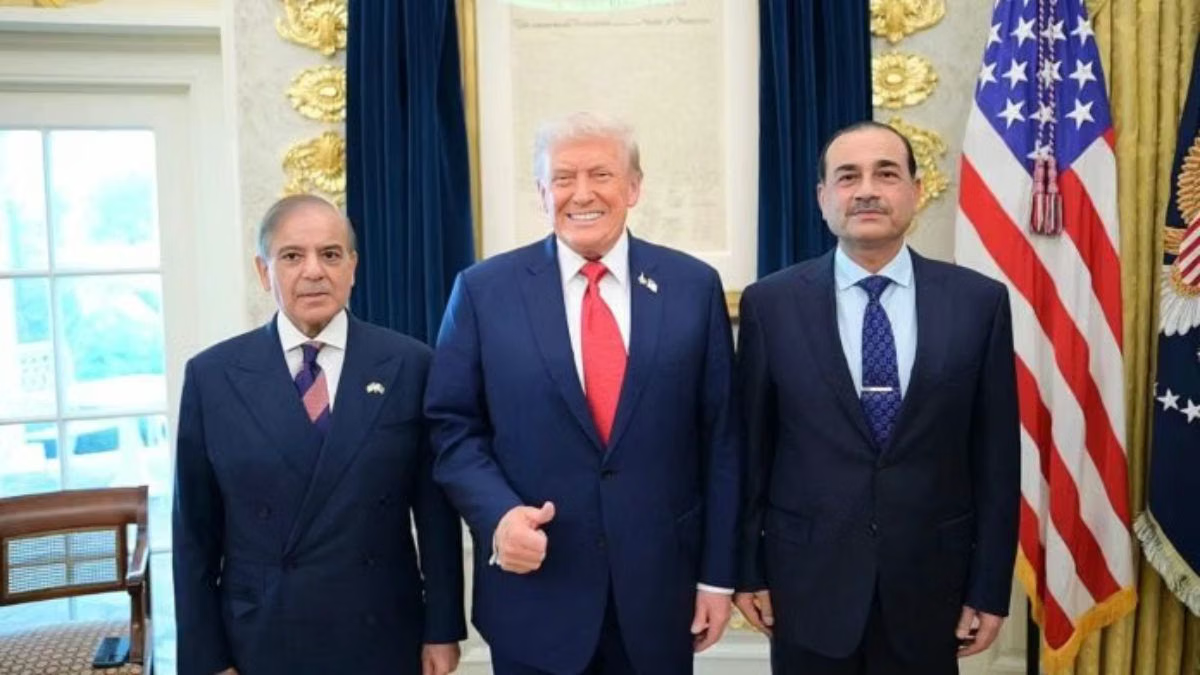
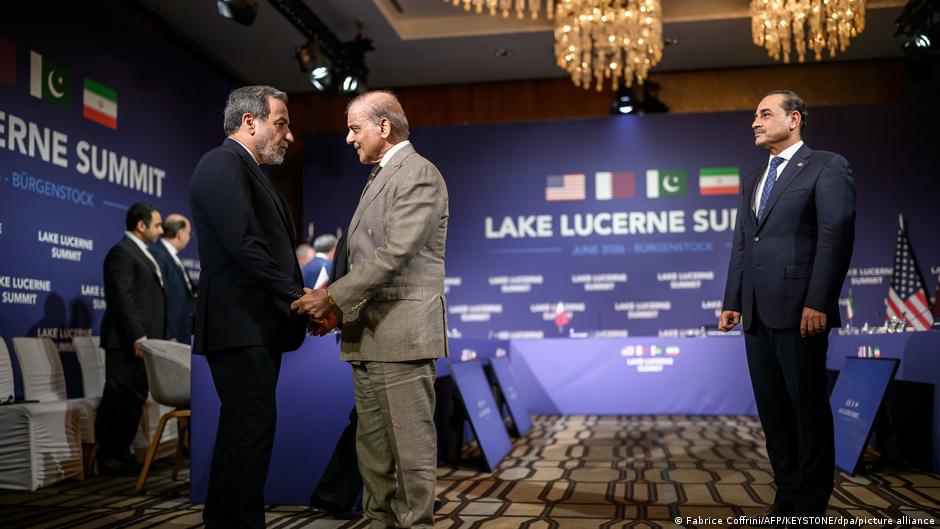
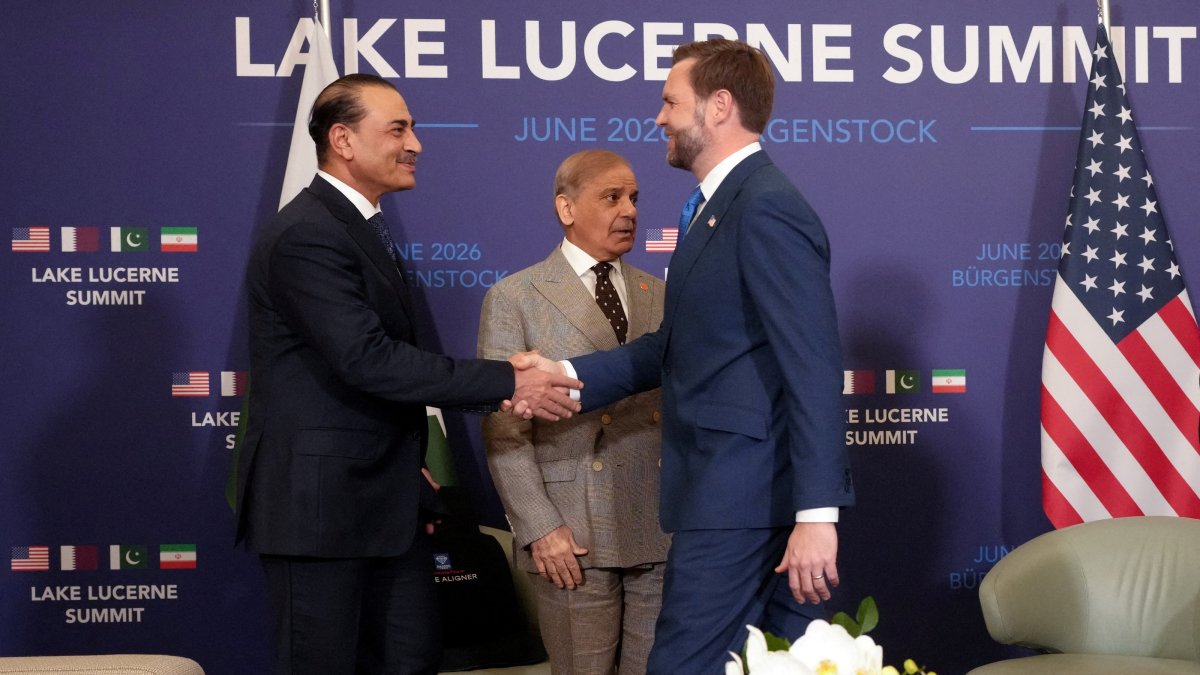
Prime Minister Shehbaz Sharif, Army Chief Field Marshal Asim Munir, and Foreign Minister Ishaq Dar each played distinct roles in the mediation process. The effort leveraged Pakistan’s existing relationships with both the US and Saudi Arabia, a balancing act that Islamabad has historically described as “bridge diplomacy.”
The Islamabad Memorandum, signed around June 17-19, laid out three core objectives: end active hostilities, reopen the Strait of Hormuz, and establish a 60-day framework for further negotiations on nuclear capabilities and sanctions. US Secretary of State Marco Rubio publicly praised Pakistan’s mediation efforts in late May 2026.