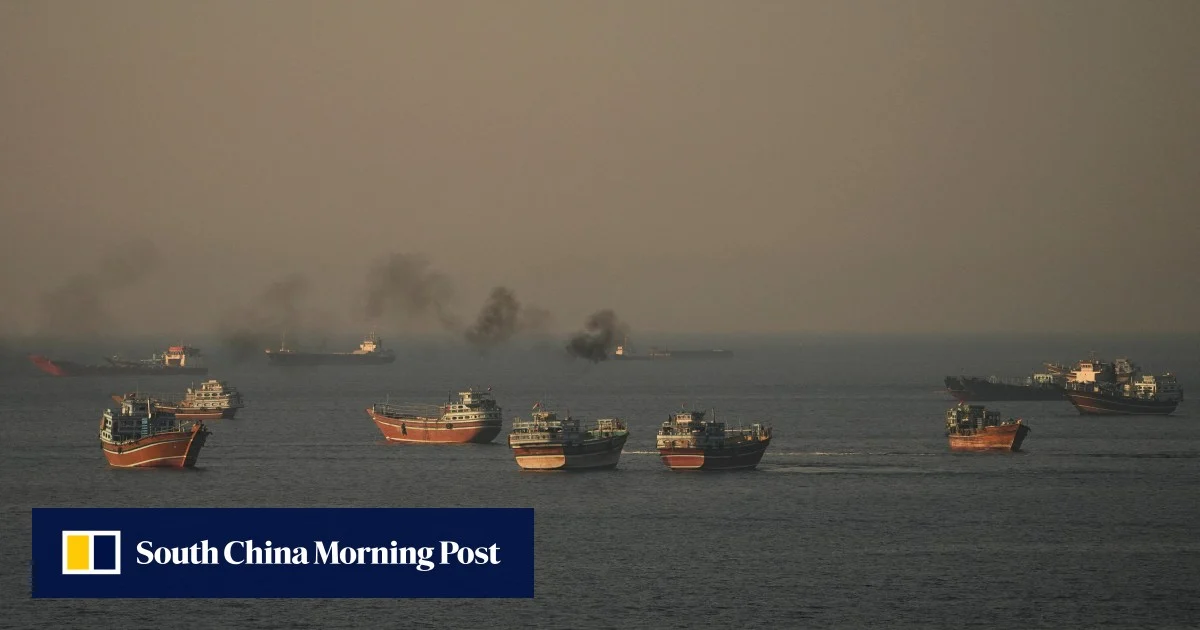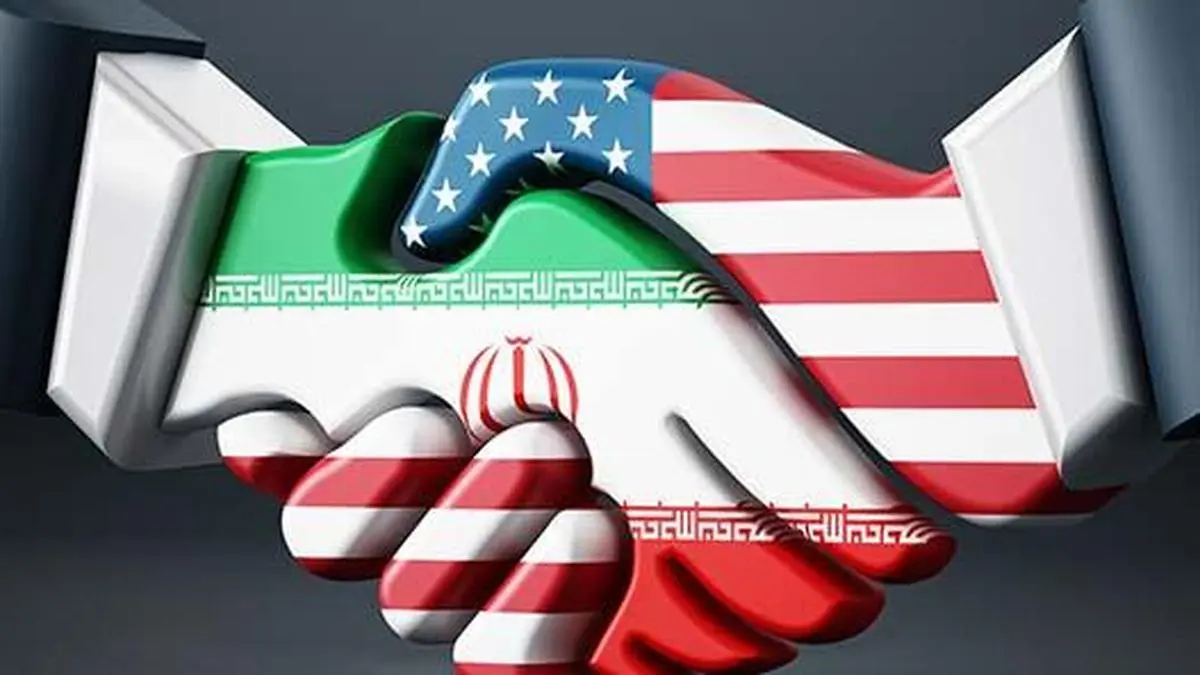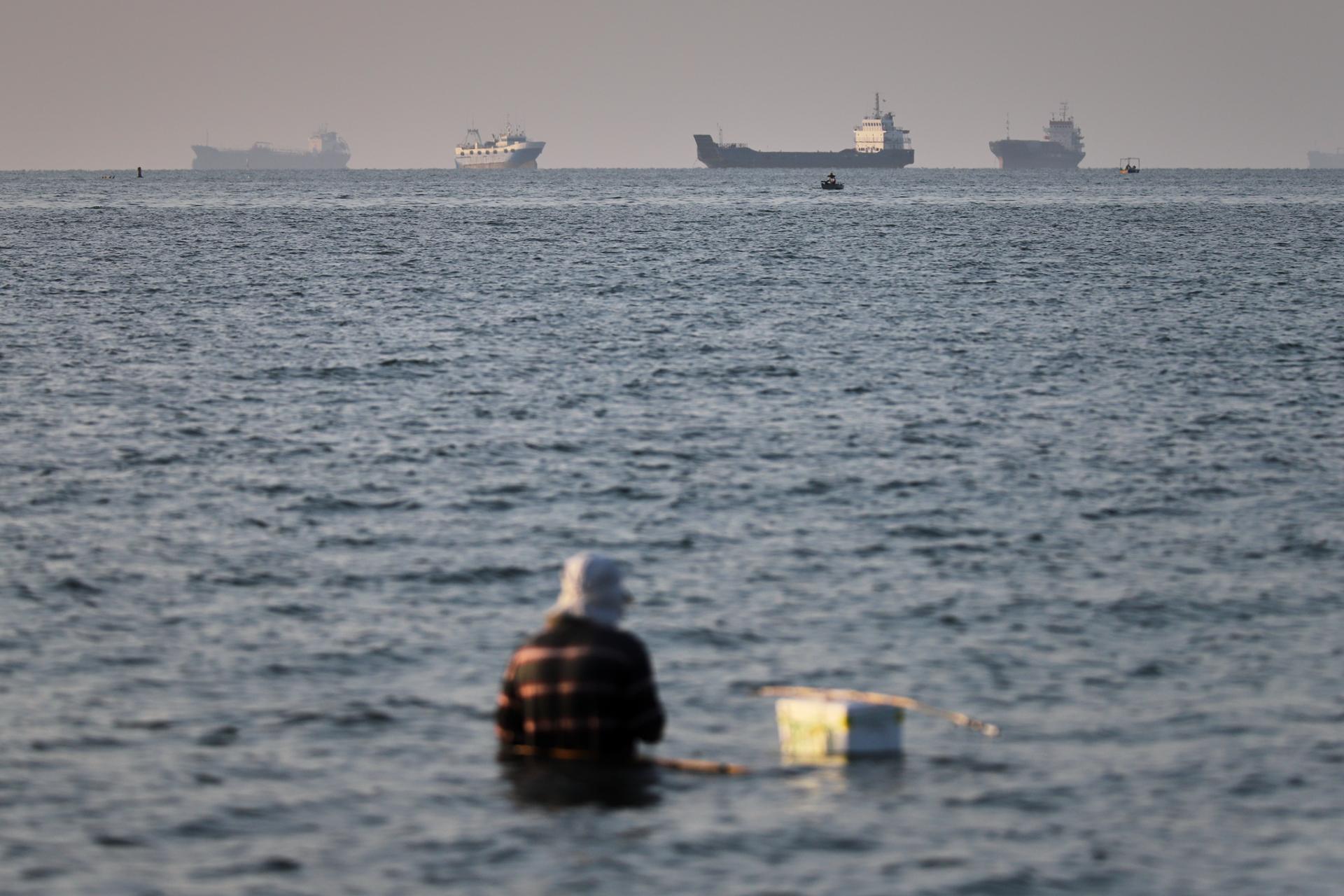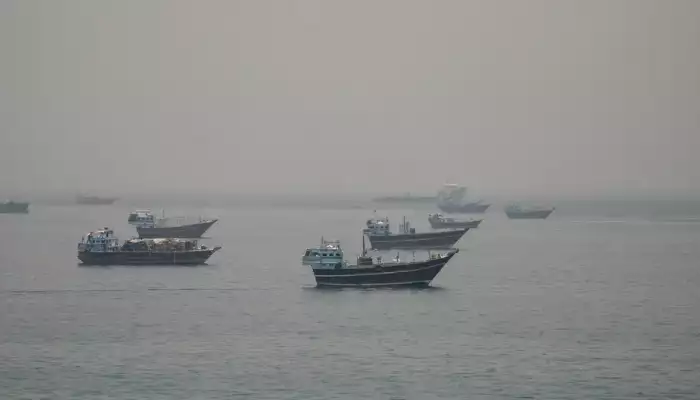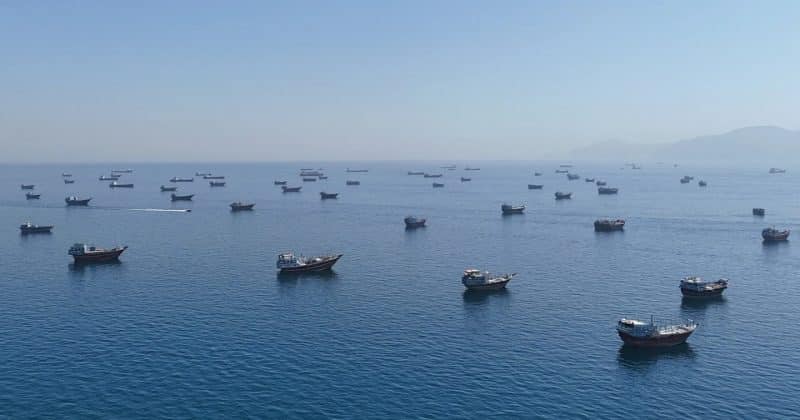
Pakistani Prime Minister Shehbaz Sharif announced on June 13 that the United States and Iran have reached what he called the “final, agreed upon text” of a peace deal. The agreement would extend a ceasefire originally established on April 8, 2026, by an additional 60 days, and, critically, reopen the Strait of Hormuz to maritime traffic.
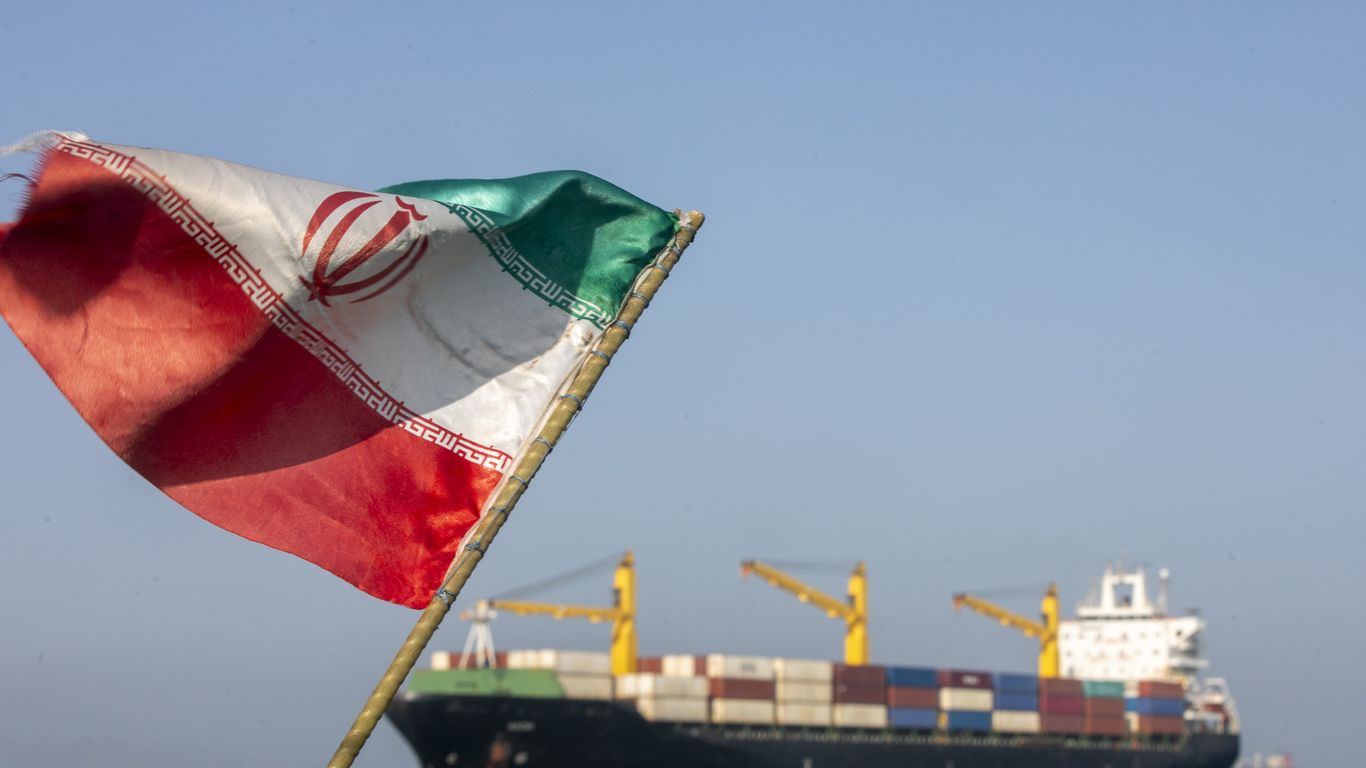
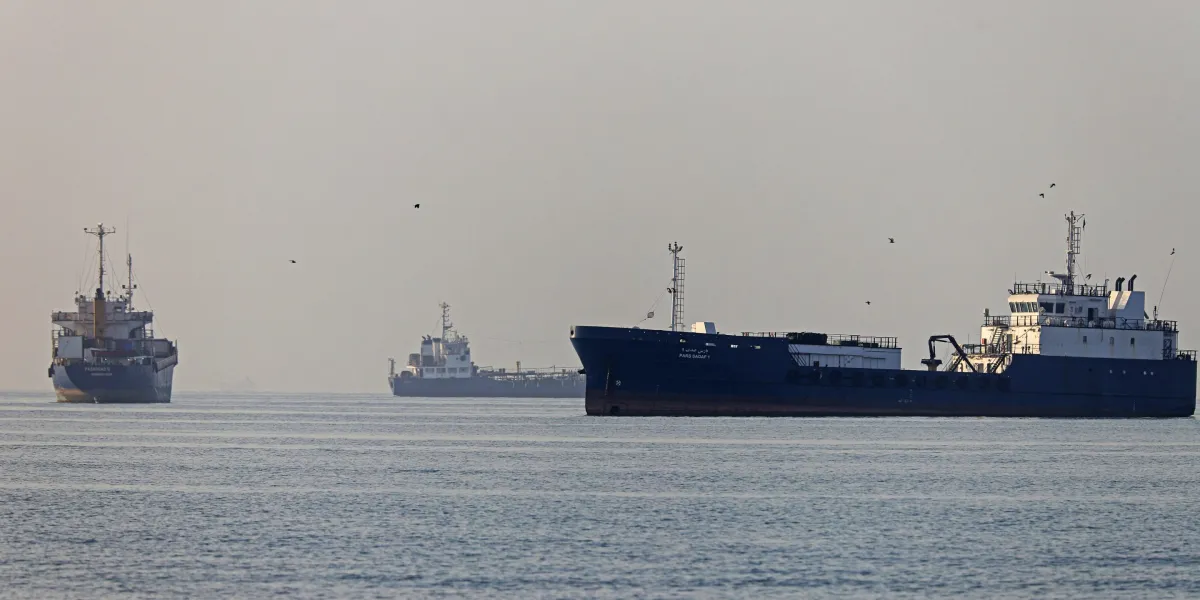
The Strait handles roughly 20% of global oil transit. Its closure has been one of the most disruptive economic consequences of the conflict that began in late February 2026, when US and Israeli military actions against Iran included mining the waterway.
What’s in the deal
The memorandum of understanding contains several key provisions beyond the ceasefire extension. It includes an immediate or phased reopening of the Strait of Hormuz without tolls, along with the lifting of the US naval blockade on Iranian ports. There’s also language around potential sanctions relief on Iranian oil exports and a framework for future discussions centered on Iran’s nuclear program.
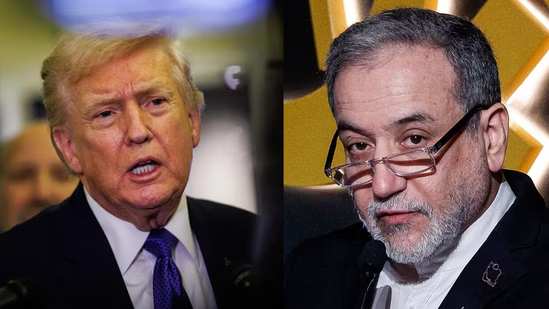
PM Sharif indicated that an electronic signing of the agreement was expected within 24 hours of his announcement. President Trump confirmed the deal is “largely negotiated” and stated that the Strait would open immediately after the signing is finalized. Iranian officials have been somewhat more cautious, advising against firm expectations about exact timing for the reopening.