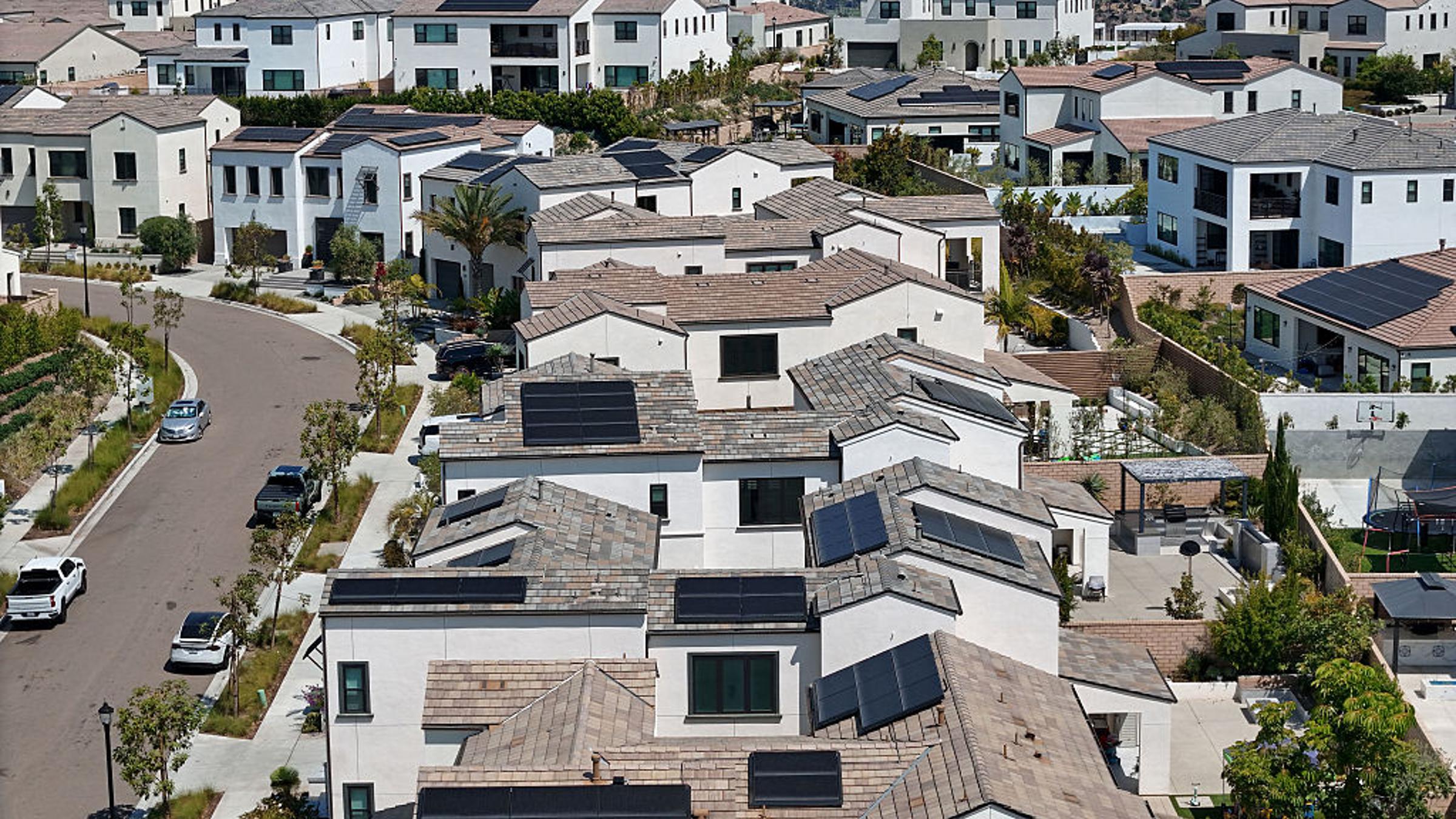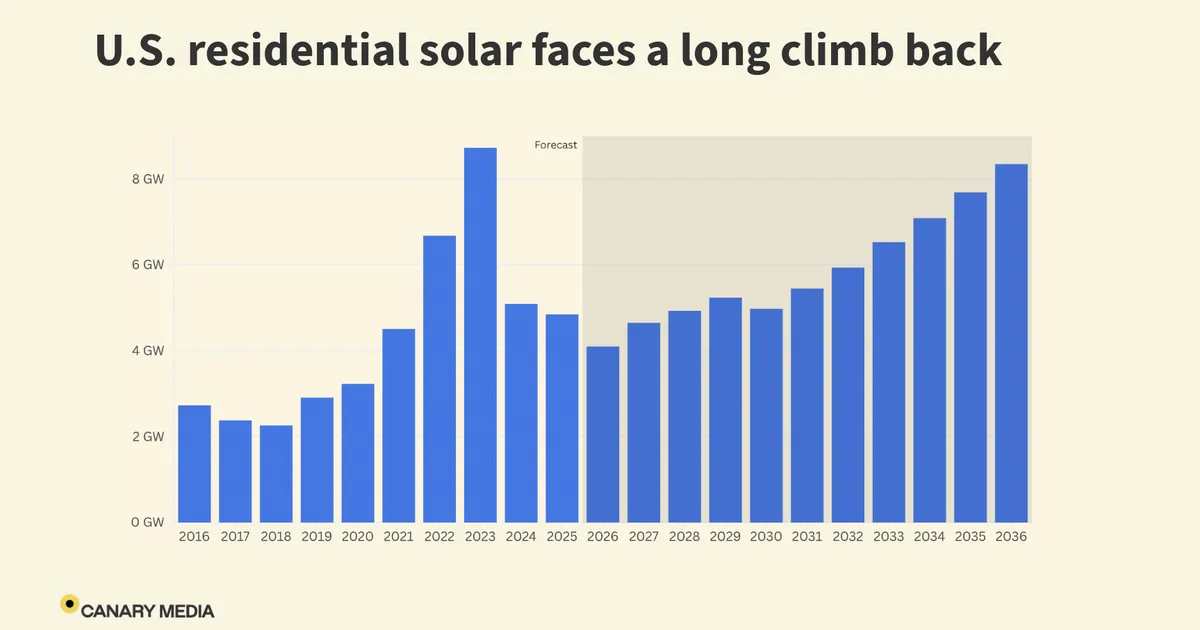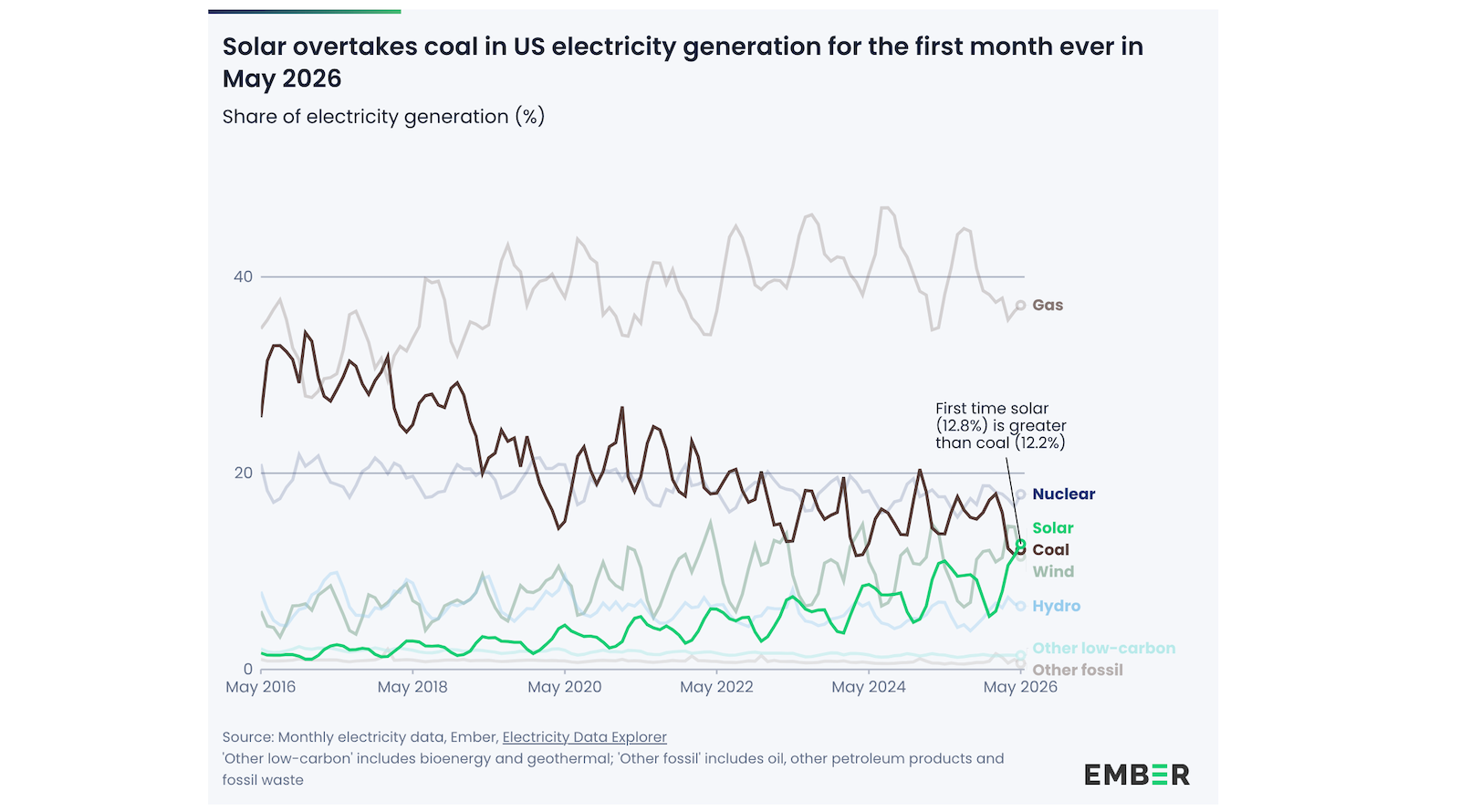
A high-stakes push-and-pull is taking place in the United States clean energy sector as state-level laws, federal-level policy, and that infamous invisible hand all tug in different directions. A staggering amount of different legal actions on the part of the Trump administration, the judicial system, and state politicians have created an incredibly complex landscape for clean energy adoption across the country. And while the economics of renewables are looking better than ever, the political positioning of the clean energy transition is looking grimmer in nearly every corner of the nation.“Energy costs, vanishing federal subsidies and an administration in Washington hostile to clean energy are giving officials reasons to retreat from efforts to deal with climate change and the political cover to do so,” Andres Clarens, Professor of Civil and Environmental Engineering at the University of Virginia, wrote for The Conversation this week.During the first Trump administration, many states and cities saw the writing on the wall in terms of the reversal of clean energy goals and the abandonment of legally binding decarbonization agreements like the Paris accord, and took matters into their own hands. Almost fifty percent of the population of the United States live in a locality that enshrined a clean energy commitment into law in the early 2020s. But now those states and localities are walking those commitments back.Set OilPrice.com as a preferred source in Google here.From California to New York and Virginia, state- and city-level officials are repealing and softening earlier commitments. Part of the reason is that the political climate has made achieving these goals increasingly difficult in a legal sense, with the Trump administration going so far as to sue California for its electric vehicles mandates, which the White House officials have called “oppressive” and “unlawful.” But the other reason is that the political headwinds have given officials a convenient out for failing to reach their own goals.New York, for example, was the first state in the U.S. to walk back its binding climate target in May of this year. Instead of pledging to achieve a 40 percent reduction in greenhouse gas emissions by 2030, they state moved the goalpost to 2040 and watered down the terms of the agreement. Governor Kathy Hochul pointed the finger at high energy costs to explain the rollback, but in his article for the Conversation, Clarens points out that “the move also conveniently killed a lawsuit she had just lost, in which a judge ruled her administration had ignored the law’s deadline.”Moreover, Hochul had to admit that the removal of the 2030 deadline wouldn’t lead to immediate energy price relief for her constituents. In a bitter irony, doubling down on clean energy installations may have been better for constituents’ energy bills as well as the climate. Solar power is now far and away the cheapest form of energy in human history, and its expansion is a critical part of balancing clean and affordable energy in an era of extreme energy demand growth driven by data center hyperscalers.“Using affordability as a cudgel to weaken climate policy is a major error that will not solve either crisis, ultimately amplifying both,” Johanna Bozuwa, executive director of the Climate and Community Institute, a left-leaning thinktank, recently told the Guardian. “Extreme weather and fossil-fuel dependency directly inflate costs – for food, energy, transportation, housing, and health – across the economy for working people.”Instead of rolling back these laws, blue states need a new playbook that get out of the way of clean energy expansion, which is picking up pace around the world due to unstoppable market forces and plummeting costs for solar and wind energies. Ironically, clean energy is booming in red states, and solar power is generally going gangbusters under Trump, as the economic benefits of the technology far outweigh the political downsides. This is partially due to the fact that red states tend to be more rural, and therefore have the space for utility-scale solar and wind farms. But it’s also reflective of restrictive and convoluted red tape in blue states that is stalling out the clean energy transition just as it’s getting started in earnest. This is not to say that the throwing out of decarbonization initiatives is a net positive, but that it is time to rethink the approach.By Haley Zaremba for Oilprice.com More Top Reads From Oilprice.comEquinor to Boost Troll Gas Output with $412 Million Subsea DevelopmentKuwait Says Oil Output Could Hit 2 Million Bpd Within a WeekWhy Lunar Helium-3 Mining Still Can't Compete With Earth
Solar Is the Cheapest Power in History, But States Are Retreating From It | OilPrice.com
States are abandoning climate pledges over high energy costs, even as cheap solar keeps booming, especially in red states.
747 words~3 min read