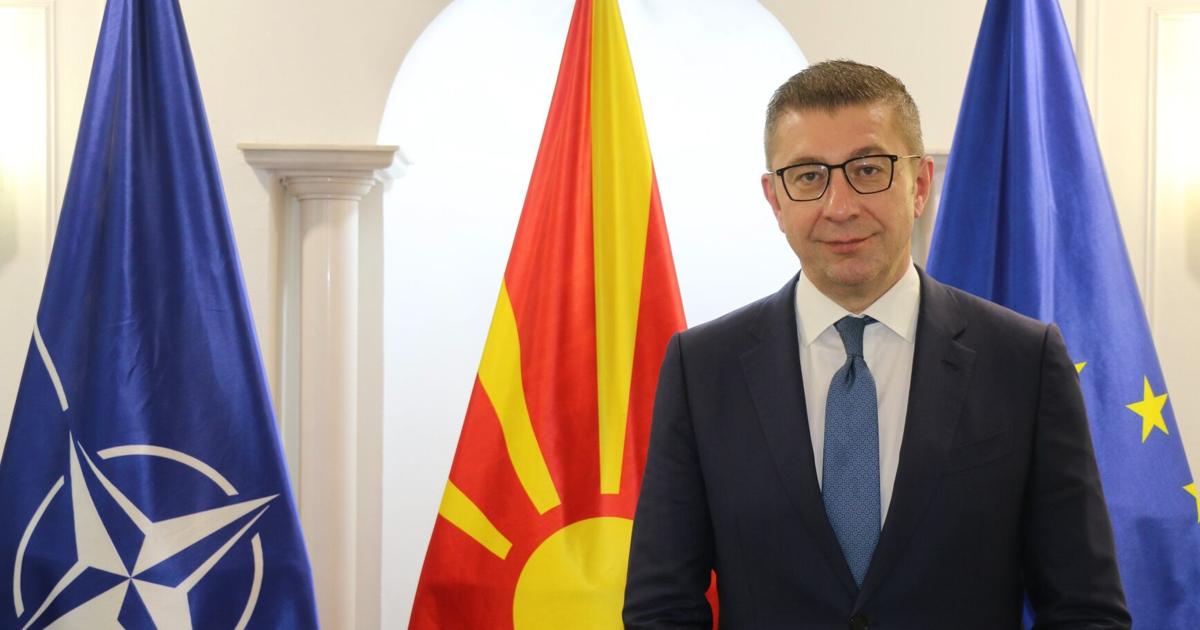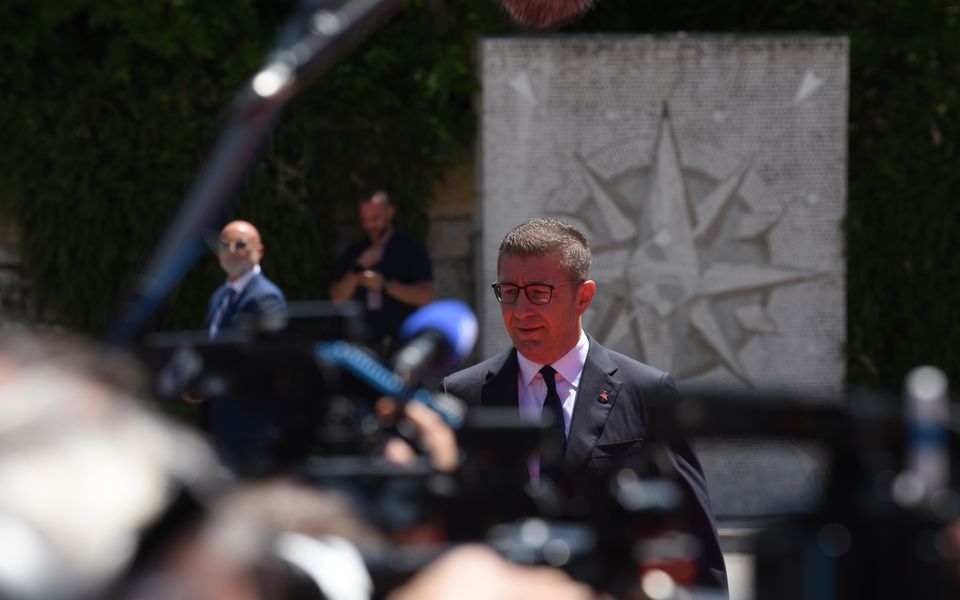
North Macedonia Prime Minister Hristijan Mickoski arrives at the EU-Western Balkans summit in Tivat, Montenegro, on June 5. The high-level one-day summit brought together European Union leaders and their Western Balkan counterparts to discuss concrete integration measures and accelerate the region’s path toward bloc membership. [Boris Pejovic/EPA]
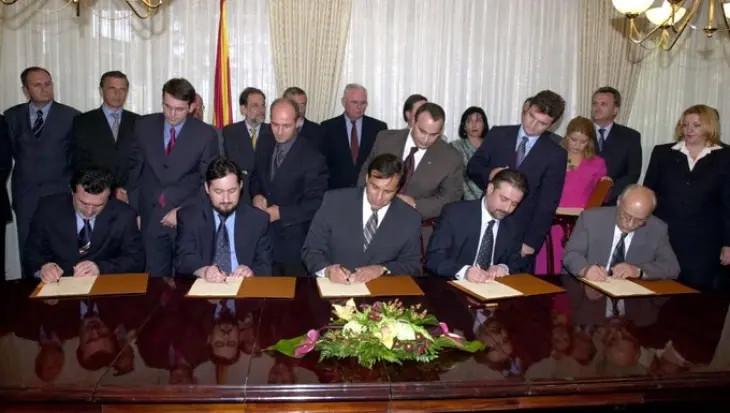
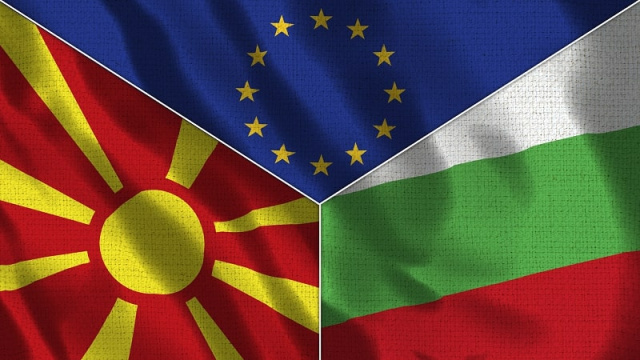
Eight years ago, on June 17, 2018, Greece and the then Former Yugoslav Republic of Macedonia (FYROM) were reveling in the celebratory atmosphere created by the signing in Prespes, northern Greece, of the controversial Prespa Agreement under the gaze of the international community, which was supposed to settle the pending name issue and pave the way for the neighboring country’s accession to NATO and the EU.
The agreement divided the societies in both countries, but was applauded by the international community, which saw it as an important step toward consolidating stability in the Balkans.
Its implementation process is a subject of much debate, with both sides showing no willingness to implement what was agreed. If anyone wanted to say what each side achieved, then Athens succeeded in registering a composite name for the country – North Macedonia – in international organizations, thus breaking out of a diplomatic impasse that it had been in for years, and Skopje got its NATO membership under the new name.