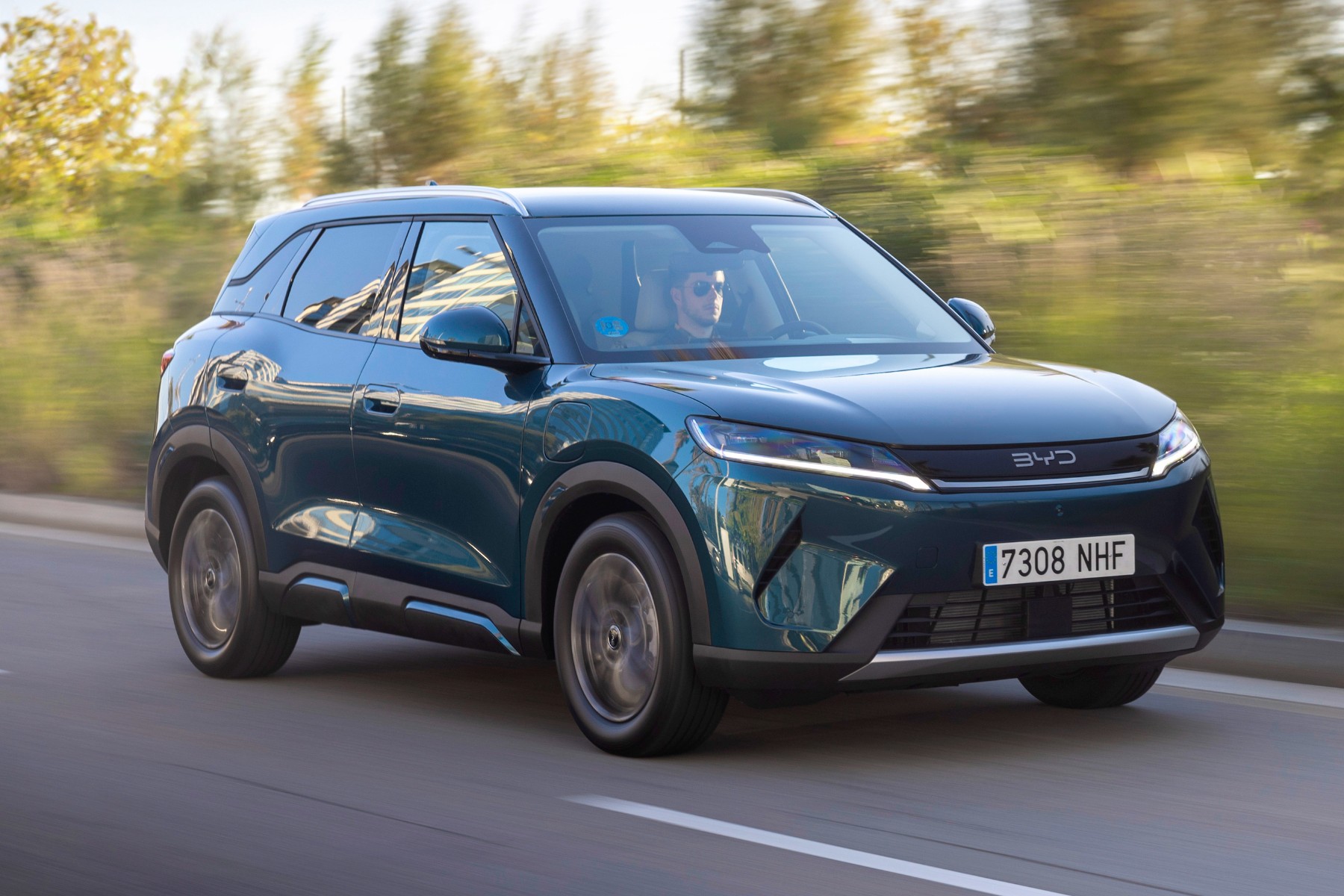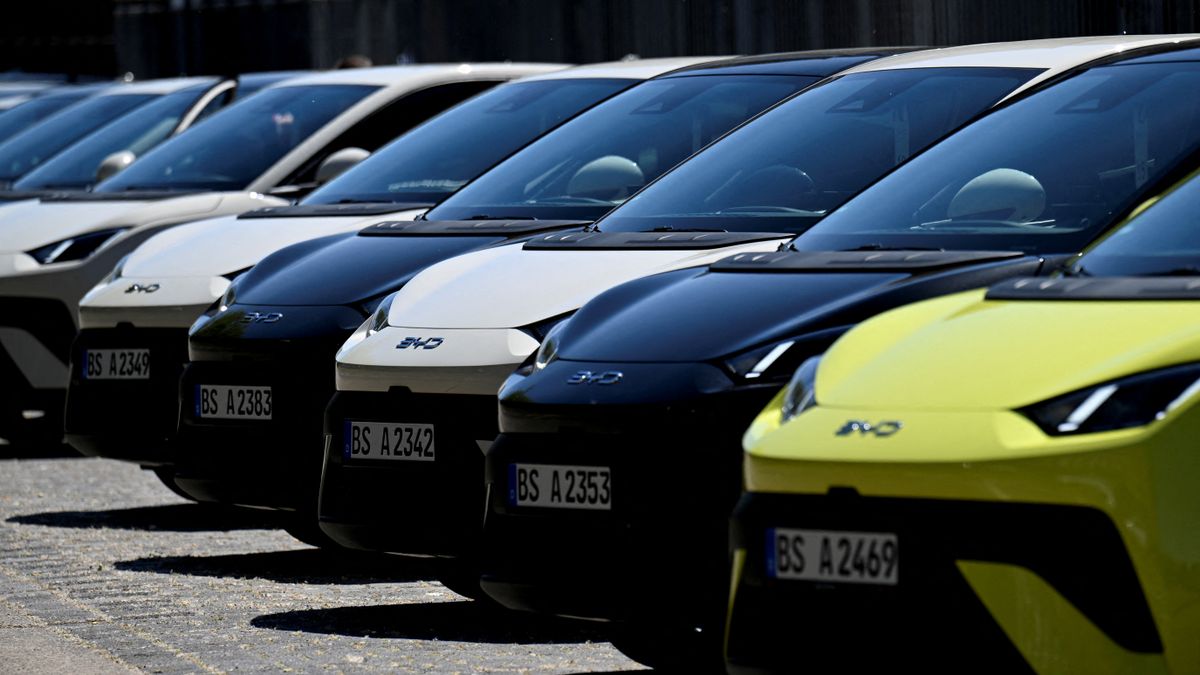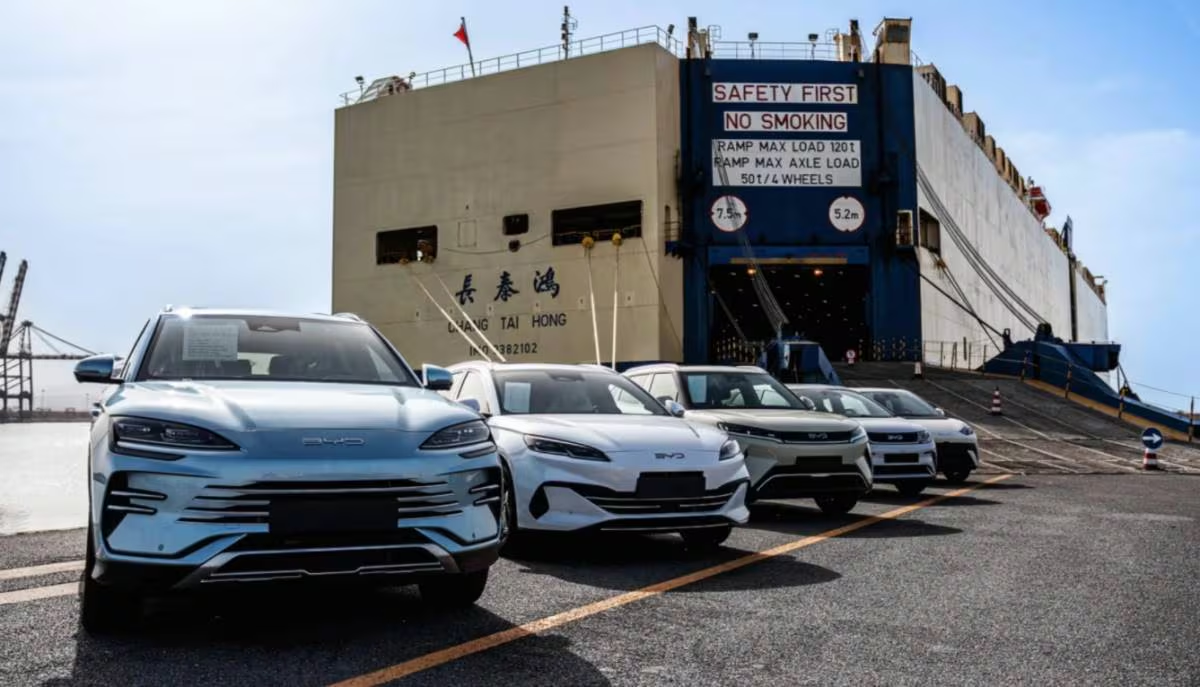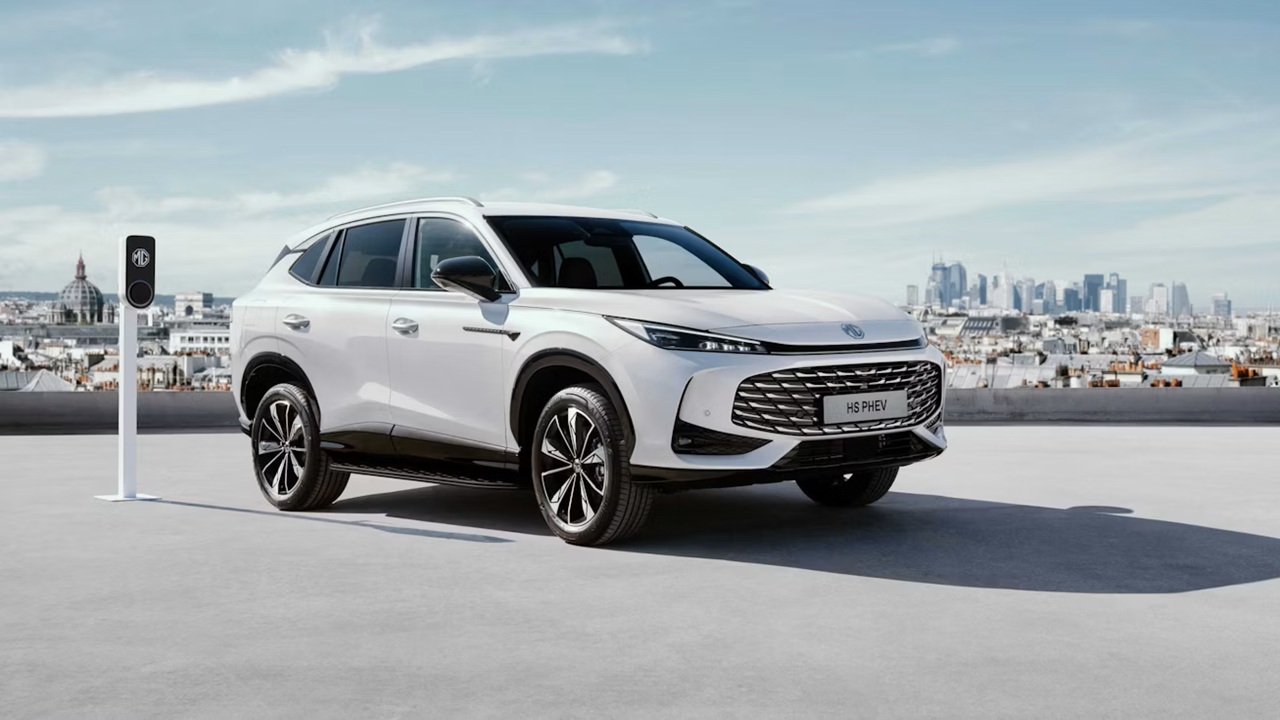
When the European Union slapped tariffs on Chinese battery-electric vehicles in late 2024, it left a conspicuous gap. Plug-in hybrids, the vehicles that combine an electric motor with a combustion engine, were exempt. Chinese automakers noticed. And they moved fast.
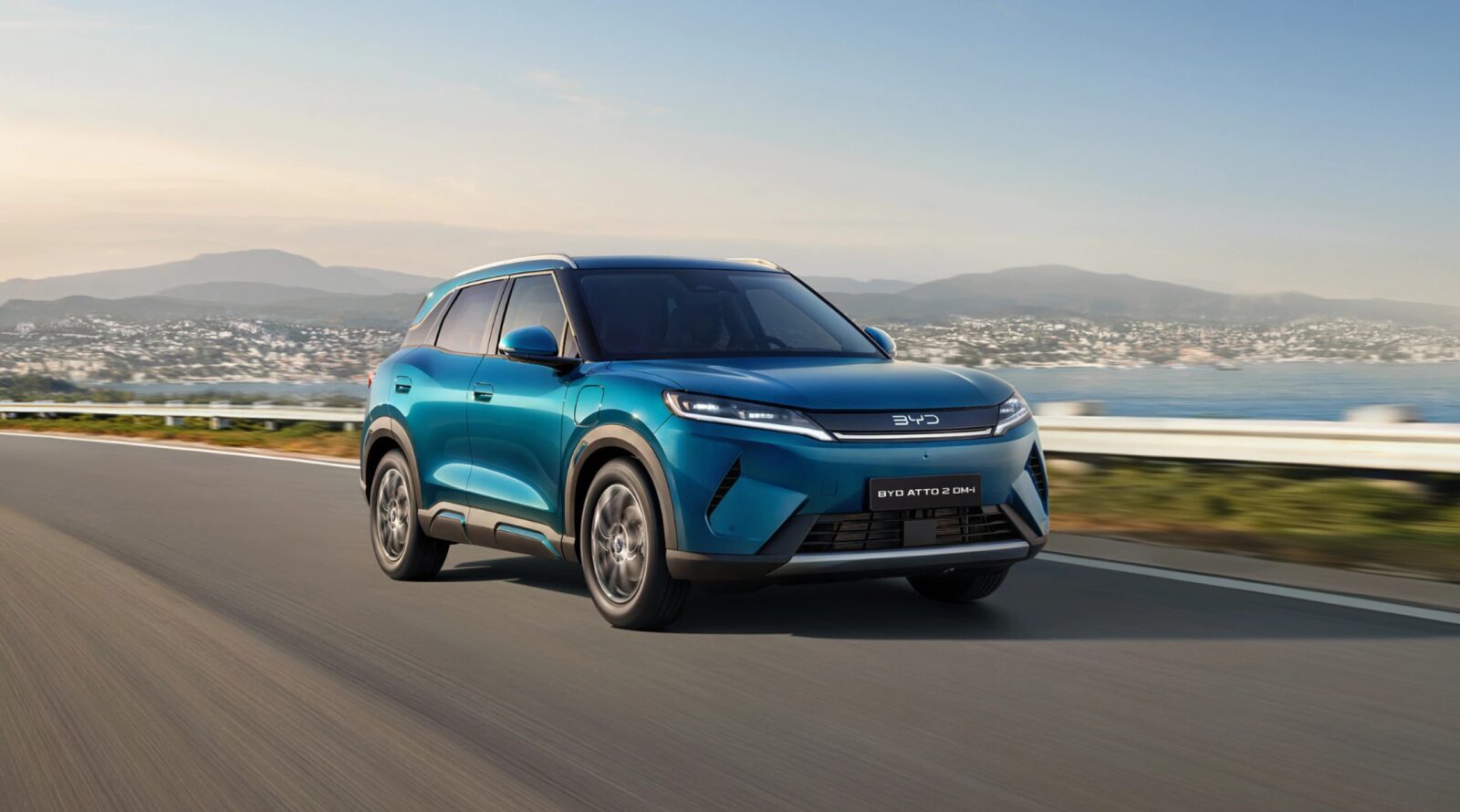
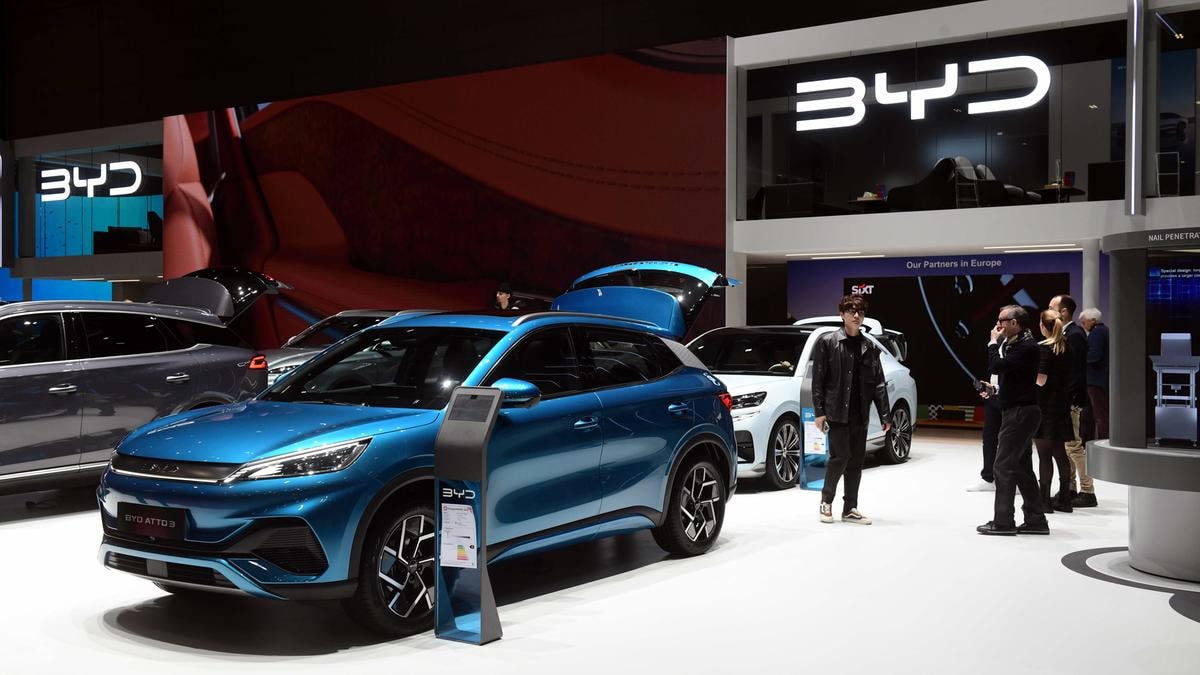
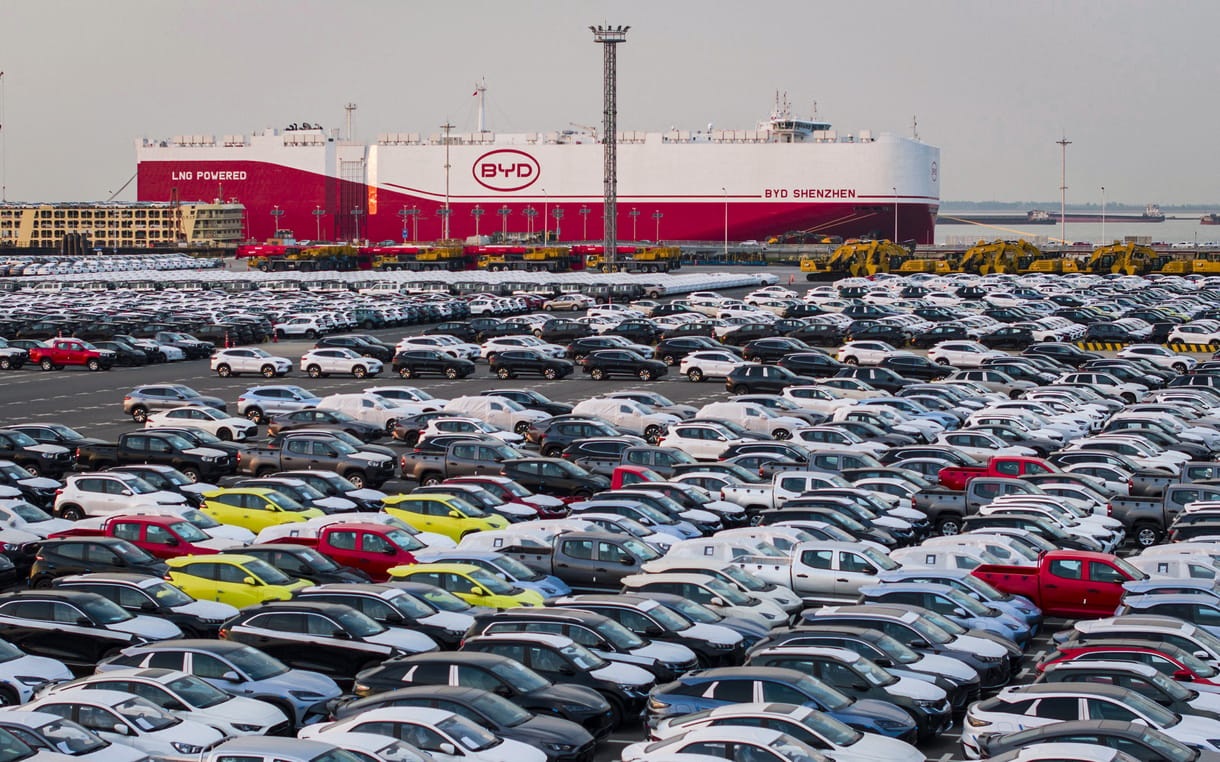
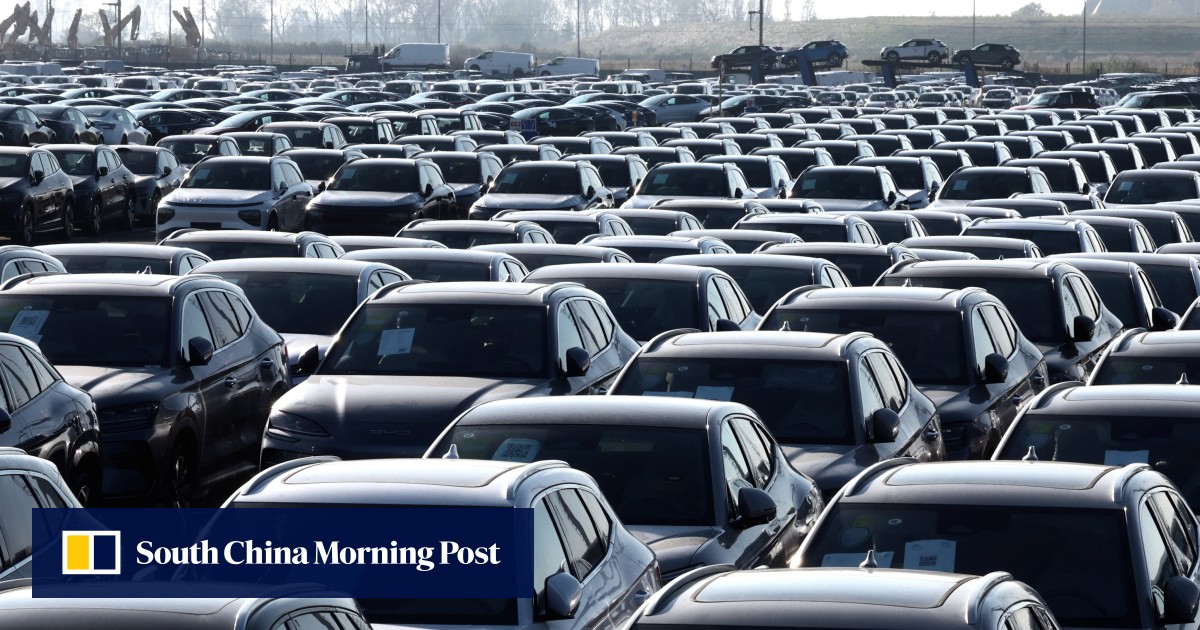
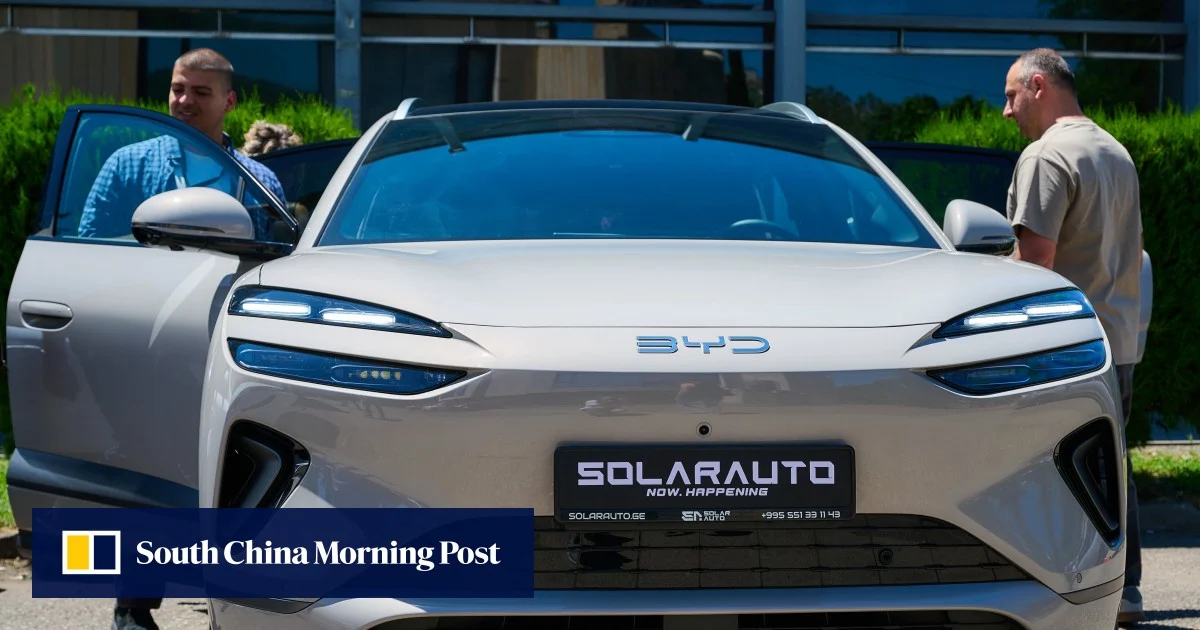
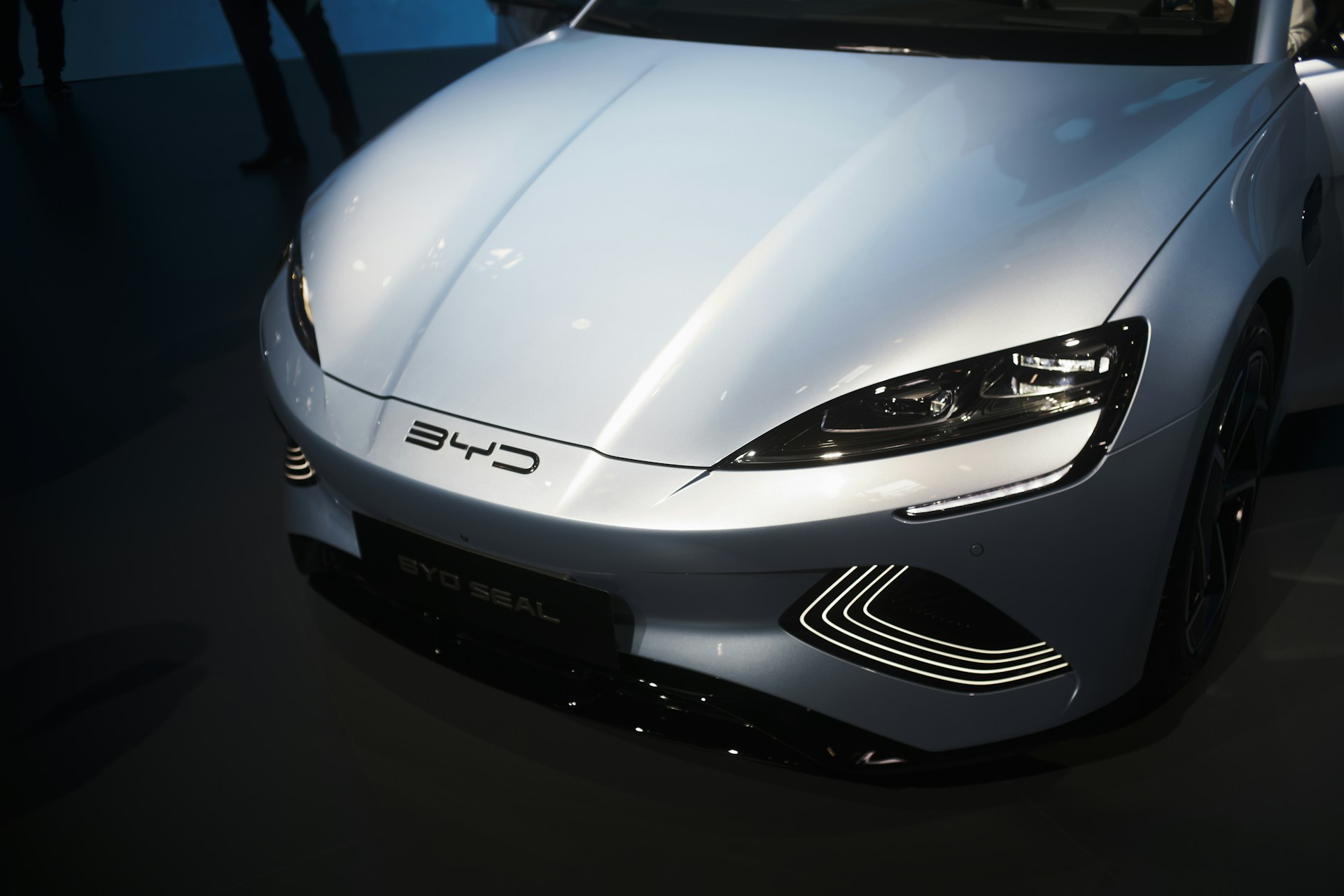
Now the European Commission is preparing to close that loophole by imposing countervailing duties on Chinese plug-in hybrid electric vehicles, with the groundwork reportedly complete as of June 19, 2026. The move targets manufacturers including BYD, Chery, and SAIC, companies that turned the PHEV exemption into a lucrative export pipeline almost overnight.
The loophole that launched a thousand ships
Existing tariffs on Chinese battery-electric vehicles can reach up to 45.3%, combining a standard 10% import duty with additional countervailing measures that took effect in November 2024. Plug-in hybrids faced no additional duties—just the standard import tariff—giving Chinese automakers a massive incentive to pivot their European export strategy toward PHEVs.
The numbers tell the story with uncomfortable clarity. In July 2024, BYD and Chery were selling near-zero PHEVs in the EU market. By March 2025, BYD was moving 3,269 plug-in hybrids per month in Europe. Chery hit 757 monthly sales in the same period.