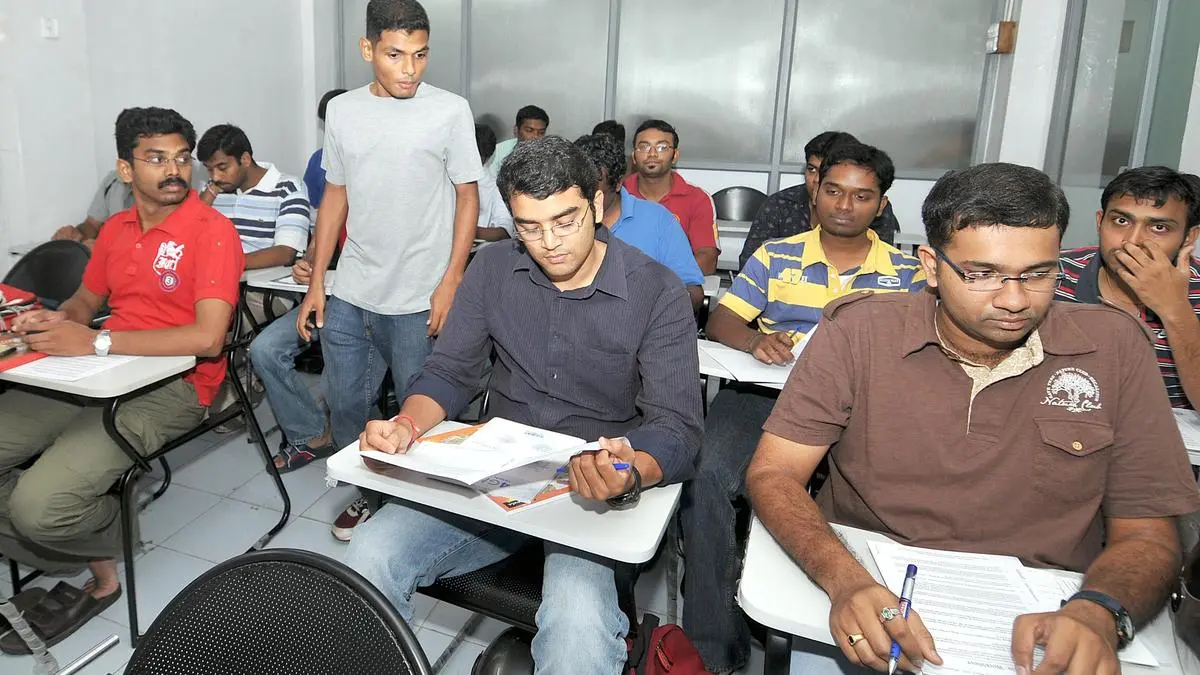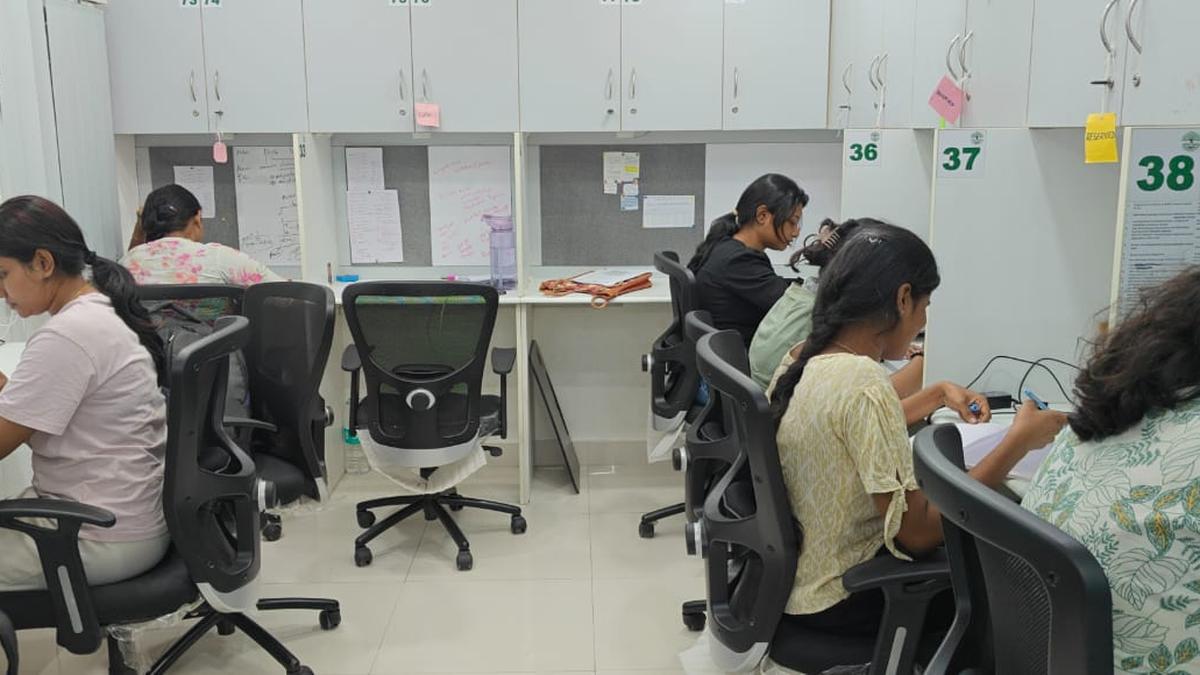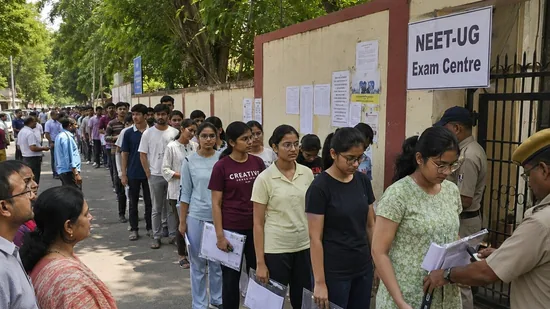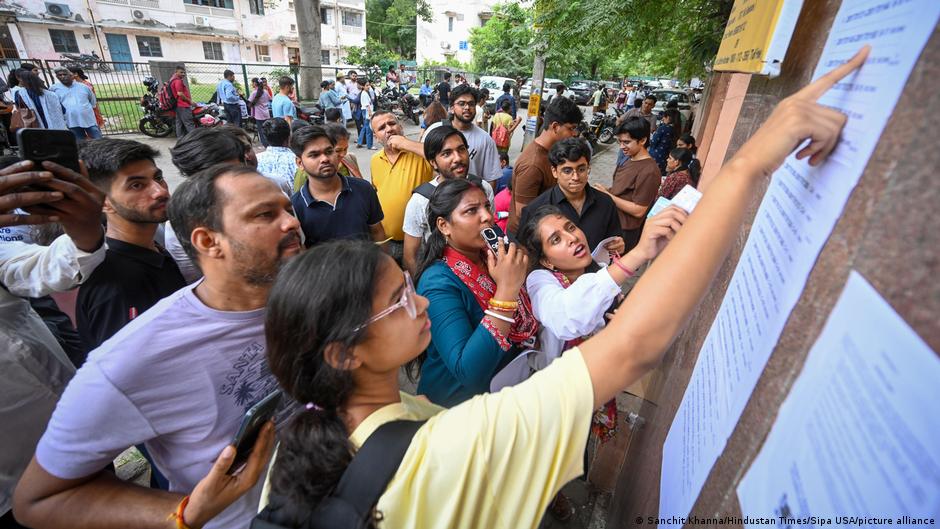
Walk into any coaching centre in Kota, Hyderabad, or Patna today and something becomes immediately apparent. The rooms are fuller than ever. The timetables are more punishing. The mock tests start earlier in the preparation cycle, and the students are younger than they were even five years ago. Everything about the ecosystem signals greater effort, more investment, higher stakes.And yet, for most aspirants, the results have not kept pace with the preparation.The most common response to a difficult exam is to study longer. More hours at the desk, more chapters covered, more mock tests attempted. It is an instinct that makes complete sense and produces, with remarkable consistency, diminishing returns.The problem with chasing contentPreparation material has never been more abundant. Video lectures, digital modules, test series, formula sheets, condensed notes, AI-generated summaries: an aspirant today can access in an afternoon what would have taken a library visit and a week to assemble a decade ago.Abundance, as any experienced educator will observe, is not the same as advantage.Students who chase content end up covering everything and mastering nothing. They confuse familiarity with a concept for command over it, a distinction that holds up perfectly well until the exam introduces an unfamiliar application of a familiar idea. At that point, the gap between having encountered something and actually understanding it becomes impossible to ignore.The students who tend to perform consistently well in high-stakes examinations are rarely the ones who studied the most material. They are the ones who returned to the same material most often.Another misconception for any exam is that revision happens at the end. By then, it is usually too late to fix what went wrong in the foundation. Revision is a habit built into the daily routine from the very beginning. Returning to earlier concepts while adding new ones, testing recall rather than simply re-reading, and identifying gaps early enough to address them properly: all of this requires a structure that most students either never build or abandon under pressure.The examinations that matter most in India test speed alongside accuracy. Both require the kind of automatic recall that only comes from repeated, spaced engagement with the same material over time.Practice without feedback is a dead endMost students who prepare seriously attempt a significant number of practice questions. Fewer of them use those attempts well.Solving a question and moving on when it is correct, or glancing at a solution and accepting it when it is wrong, both feel like preparation. Neither really is. The value of practice lies almost entirely in what happens after the attempt.Consider a CAT aspirant working through Data Interpretation sets. Trying to attempt forty of them over a week is not, by itself, useful. If the same misreading of scaled data keeps appearing in every third attempt and no one has caught it, those forty sets have simply reinforced the same mistake forty times over. What separates students who plateau from those who keep improving is the willingness to treat every wrong answer as information and to course-correct properly before moving forward.Structure outlasts motivationThe day a student begins preparing for a competitive exam is almost always the day they are most motivated. The timetable is ready. The books are new. The intent is total. What the timetable rarely accounts for is what happens four months in, when the initial energy has settled, the syllabus feels endless, and sitting down to study requires an act of will rather than instinct.Most exam cycles are long. Motivation, by design, is not.A structured plan does something motivation cannot: it makes the next step obvious regardless of how the student is feeling on a given day. What to cover, how long to spend on it, and critically, when to go back. Revision is where most aspirants make the costliest mistake, treating it as something that happens after the course is finished rather than something woven into preparation from the very first week. Concepts revisited early, while they are still fresh enough to correct, take minutes to reinforce. The same concepts revisited two months later, after they have blurred, can take days.The playbook has changedCompetitive examinations in India have always been demanding. What has changed is the environment in which students prepare for them. More content, more noise, more peer pressure around coverage, more tools promising to compress a twelve-month process into three.None of it is entirely without value. Some of it actively gets in the way.The aspirants who perform well in this environment are not doing the most. They are doing the right things repeatedly, with enough structure around their preparation to stay consistent when the motivation dips, when the mock scores don’t move, when the timeline starts to feel impossible. Depth over coverage. Revision built in from the start. Practice used as diagnosis, not a daily quota to be cleared.The playbook has not changed nearly as much as the noise surrounding it.(By Avinash Agarwal, Director, Disha Publication)
The new playbook for competitive exams: What today’s aspirants must do differently
Discover essential strategies for competitive exam aspirants to enhance preparation effectiveness and improve results in a challenging environment.
817 words~4 min read