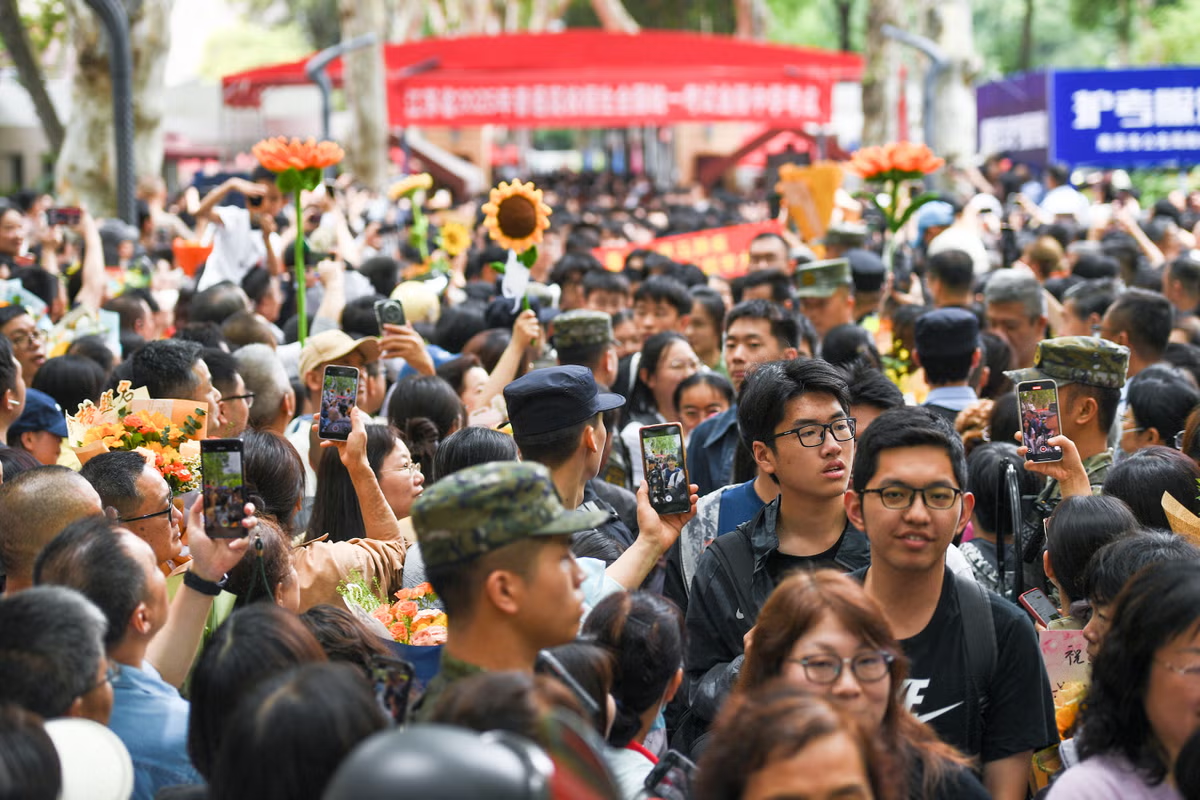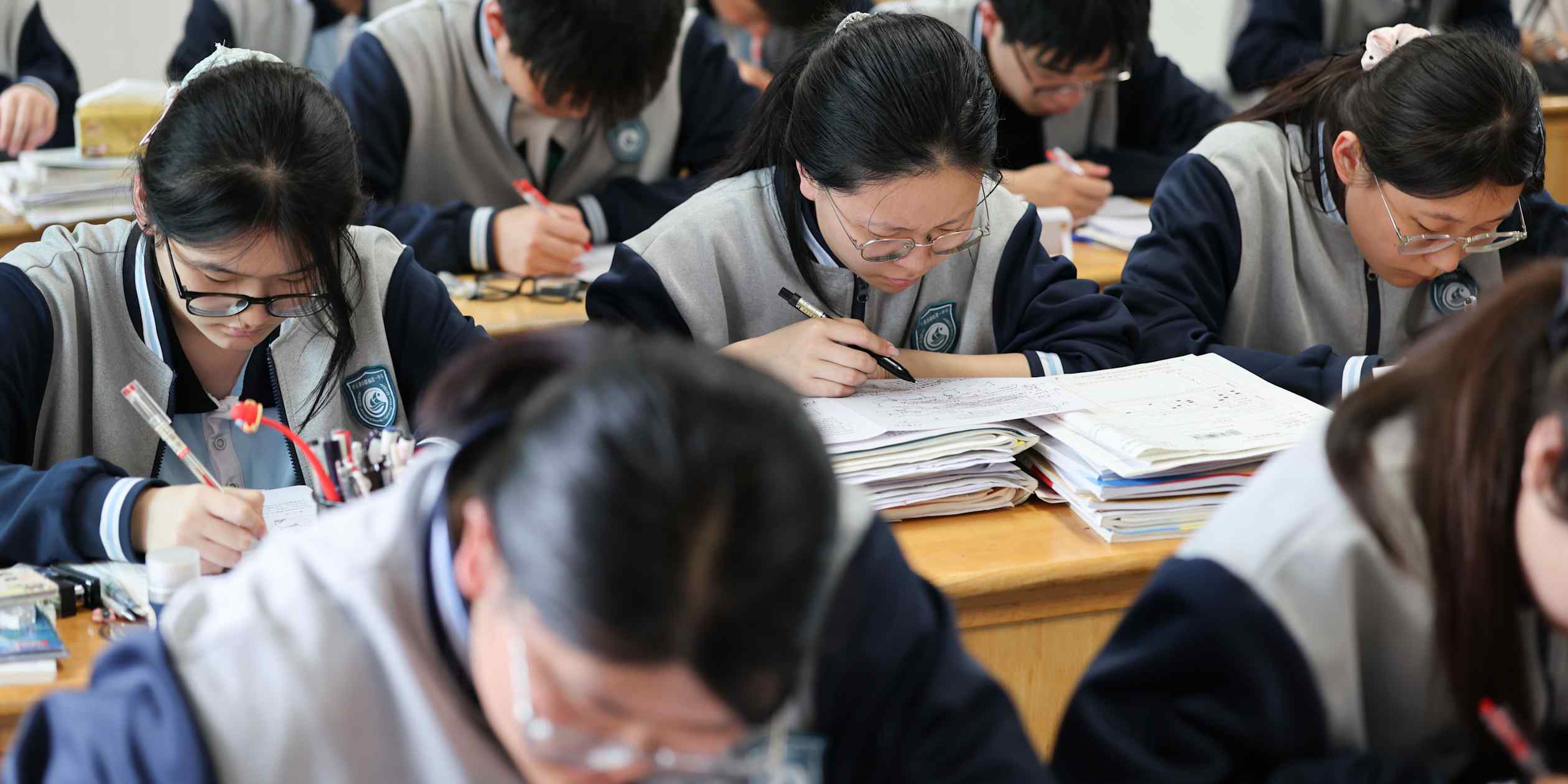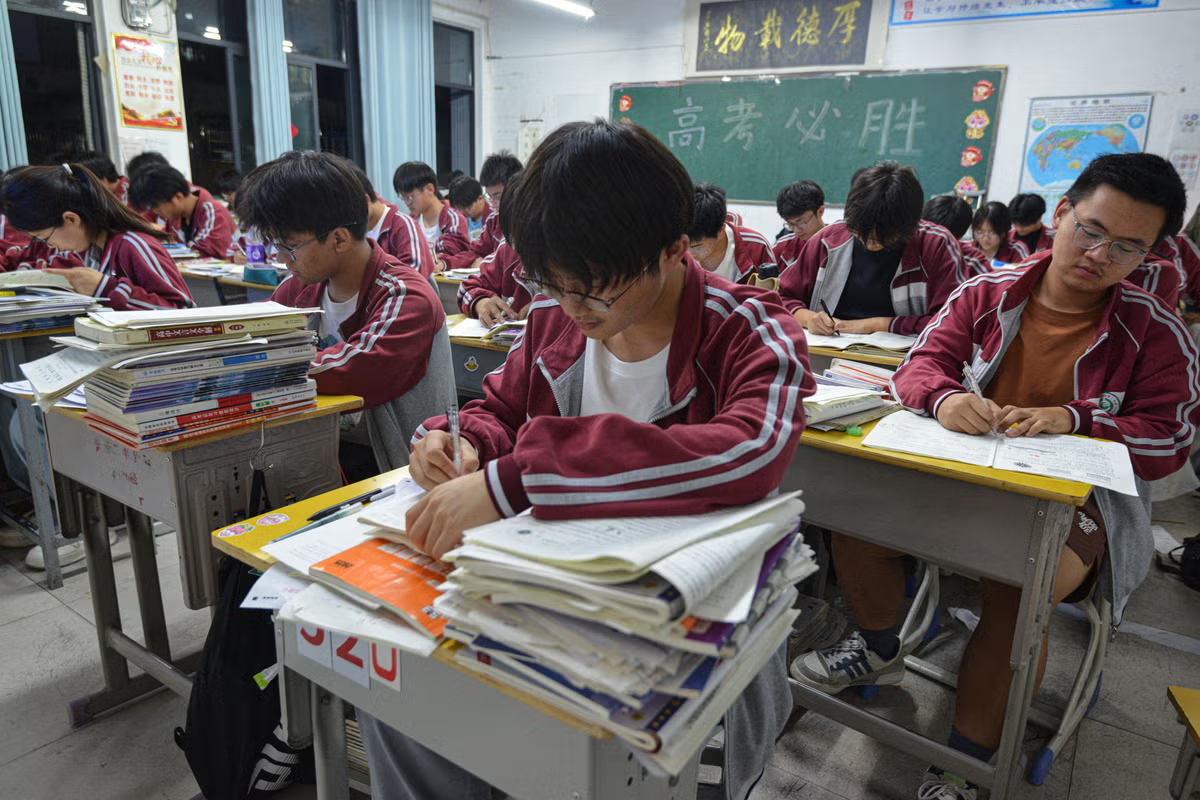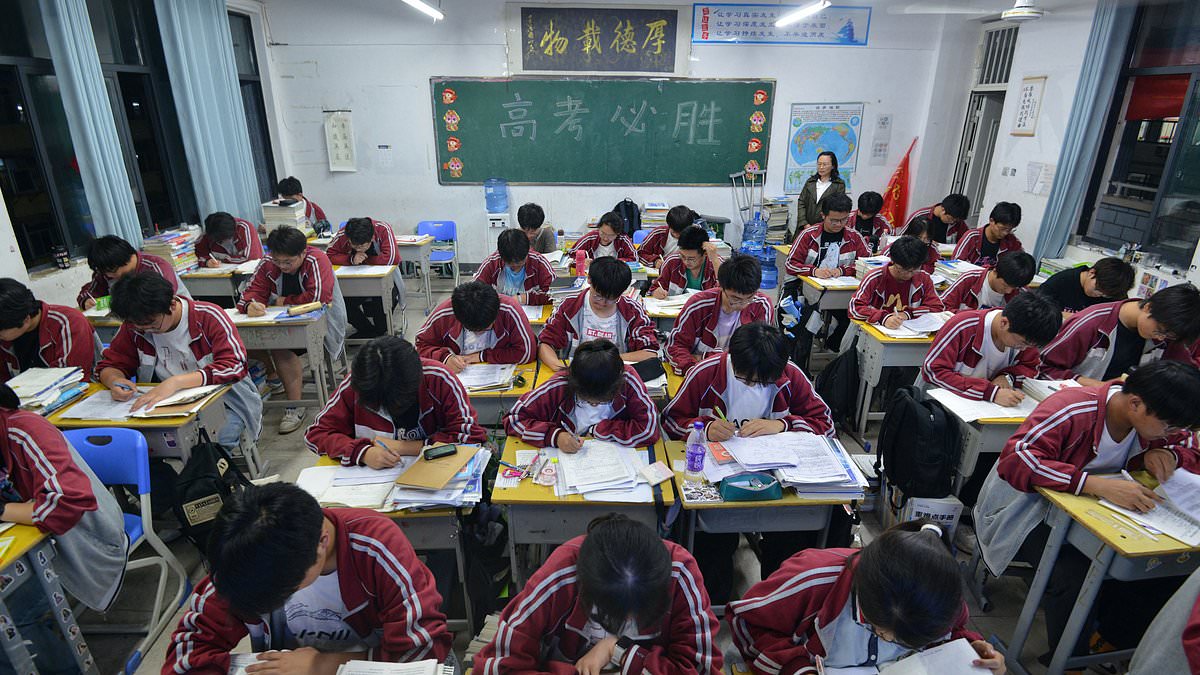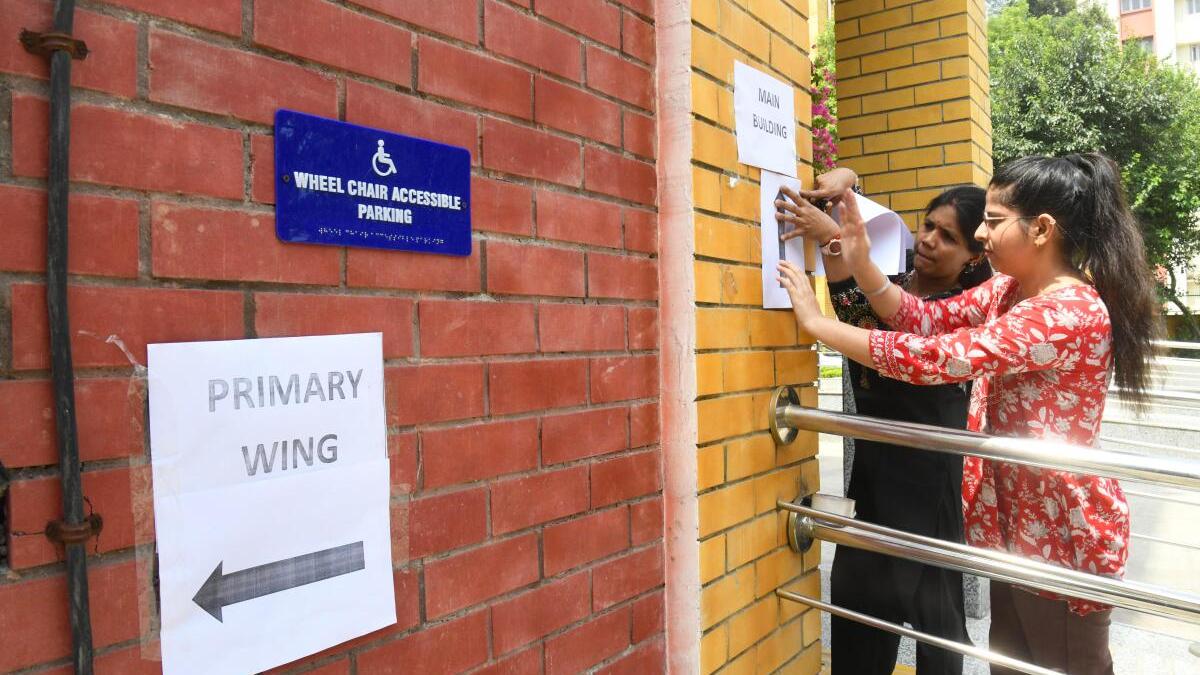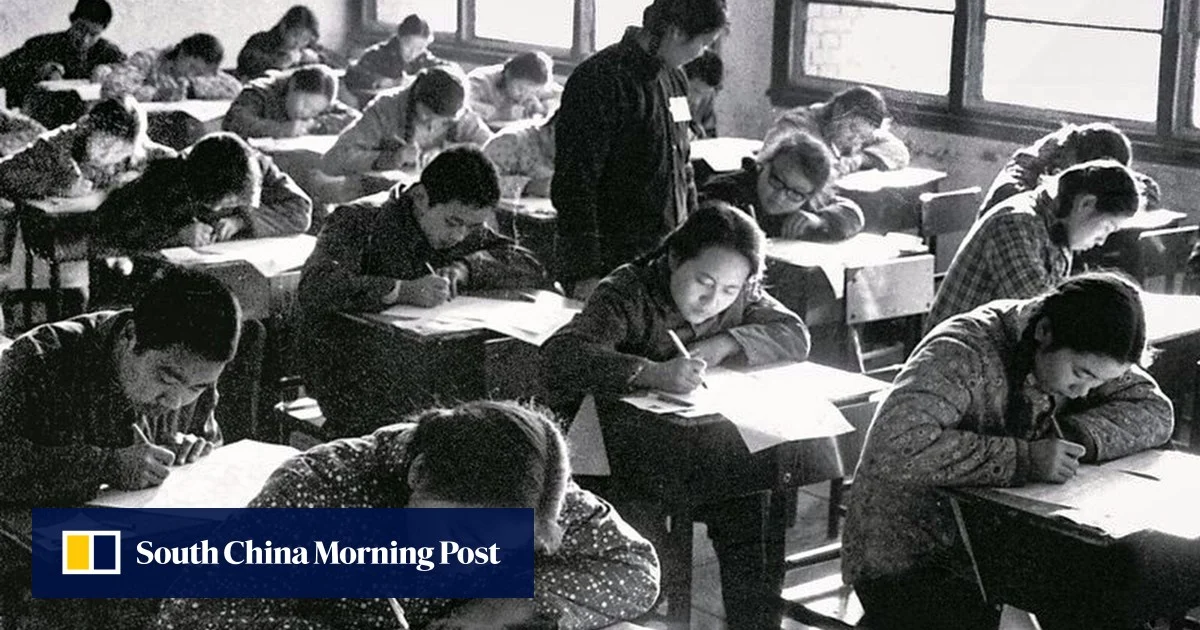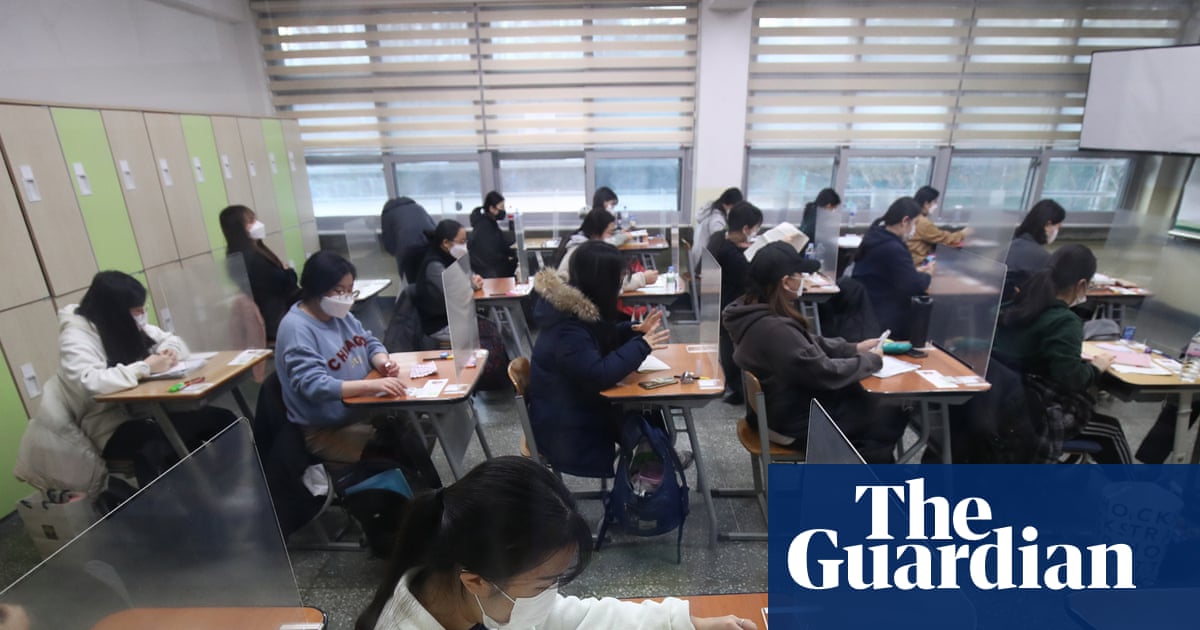
The university entrance examination is an undeniable rite of passage in many countries, acting as the primary gatekeeper for higher education and social mobility. As the stakes surrounding these examinations have risen, so have the lengths to which individuals will go to circumvent the rules.(Sign up for THEdge, The Hindu’s weekly education newsletter.)Consequently, nations have developed elaborate security infrastructures to protect the integrity of their testing systems. A closer examination of how China, India and South Korea secure their respective exams reveals a stark divergence in political systems, legal frameworks, and logistical philosophies.China: Examinations as a State secretIn China, the National College Entrance Examination, commonly known as the Gaokao, dictates the futures of over 13 million students annually.Rather than treating this as a mere educational assessment, the Chinese government elevates the Gaokao to a matter of national security. The question papers are legally classified as “state secrets,” a designation that bypasses standard educational boards and brings the entire process under the direct purview of the Ministry of Education and the National Administration of State Secrets Protection.Despite these extreme measures, the modern Gaokao experienced one major, confirmed paper leak 23 years ago. In June 2003, in Nanchong, Sichuan Province, a 19-year-old student named Yang Bo successfully infiltrated the local education bureau’s confidential storage room. Fearing he would perform poorly, he cut the power to the alarm system in the early hours of June 5, two days before the test. He pried open metal cabinets and stole copies of the Mathematics, Chinese, English, and comprehensive exams.Authorities discovered the breach that afternoon during a routine check and immediately activated the nationwide backup exam papers. Yang Bo took the test and scored well enough to attend a good university, but he was identified by the fingerprints he left behind. Arrested before the results were published, he was sentenced to seven years in prison for illegally acquiring state secrets. Several local education officials were fired and faced criminal charges for negligence. The backup Mathematics paper used that year was notoriously difficult, and the 2003 exam remains etched in public memory as one of the hardest in Chinese history.Since 2003, there have been no publicly confirmed, large - scale pre - exam leaks in China. The battleground has instead shifted to high - tech cheating during the test itself. In 2022, Mathematics questions surfaced online shortly after the exam began. Investigations revealed this was not a pre - exam leak; rather, students had smuggled mobile phones into the testing centres to photograph the papers and request answers online.To counter such threats, China employs military - grade logistics and total surveillance. Papers are printed by accredited workers in highly secure facilities, sometimes including prisons, where staff are locked inside with signal jammers until the exam concludes. Transport is handled exclusively by armed police using GPS - tracked vehicles. At the test centres, authorities use facial recognition and biometric verification to prevent identity theft. Drones patrol the airspace to intercept radio signals from hidden earpieces, and local authorities often halt nearby construction or reroute flights to prevent external communication.Also, punishments are severe: an amendment to the criminal law in 2015 made organising cheating punishable by up to seven years in prison. Between 2015 and 2024, over 11,000 individuals were penalised. Furthermore, any violation is permanently recorded in a student’s personal file, effectively barring them from future public sector employment.India: Bureaucracy and the decentralised challengeMeanwhile, India too handles a similar pressure cooker environment with its large - scale examinations like the National Eligibility cum Entrance Test (NEET) and the Joint Entrance Examination (JEE).NEET alone sees between 2.2 to 2.5 million candidates. However, the security paradigm is entirely different. India treats exam security as a massive administrative challenge governed by civilian law.The physical journey of the question paper is where the Indian system faces its greatest vulnerabilities. India’s vast geography and the sheer scale of the exams force administrative bodies like the National Testing Agency (NTA) to rely on a web of third - party service providers. Critical tasks such as printing, warehousing, and transportation are frequently outsourced to private logistics companies. Papers are often stored in local bank vaults or police stations before being transported to private schools that serve as exam centres. This decentralised approach creates numerous human touchpoints, offering multiple windows for tampering, corruption, or negligence.Following recent controversies, including the NEET leak, the NTA mandated stricter rules, including mandatory CCTV coverage, GPS tracking for transport vehicles, and post - exam forensic analysis of footage. Yet, the implementation remains inconsistent. Because national exams are frequently held in private schools or unverified colleges, standardised security infrastructure can be compromised by local administrative failures.To address these vulnerabilities, India enacted the Public Examinations (Prevention of Unfair Means) Act, 2024. The law treats exam leaks as severe criminal offences, prescribing jail terms of three to ten years and fines of up to ₹1 Crore for organised leaks. It also targets service providers, threatening to seize their assets if they are found complicit. However, the execution of the law faces systemic hurdles.The Indian judicial system relies heavily on due process, and friction between state police forces and central agencies like the Central Bureau of Investigation (CBI) can delay containment. And, prosecution is often sluggish - for instance, the alleged mastermind of the 2024 NEET leak was granted default bail simply because the investigating agency failed to file a chargesheet within the stipulated 90 - day period. This delay blunts the deterrent effect of the new legislation.South Korea: Democratic national mobilisationCome to South Korea now. It presents a unique model, balancing severe national mobilisation within a democratic framework for its College Scholastic Ability Test (CSAT), known as Suneung.Like the Gaokao, Suneung is a one - day, high - stakes marathon that dictates college placements and future career prospects.While India struggles with the transport of printed papers, South Korea focuses intently on securing the source. About a month before the exam, hundreds of question setters, mostly professors and teachers, are transported to a secret, undisclosed location, often a remote mountain resort. They are completely cut off from the outside world, deprived of phones, internet access, and contact with their families until the exam officially concludes.On the day of the test, the entire country synchronises to support the students. To prevent traffic congestion, banks, stock markets, and government offices open late. Police are deployed to escort late - running students to their test centres. Most notably, all flights across the country are grounded, and military training is paused during the English listening section to prevent noise interference.Because the physical papers and setters are locked down so tightly, outright pre - exam paper leaks are incredibly rare.Securing the futureUltimately, the differences in how nations secure their massive entrance exams come down to the stakes involved and the limits of state power.In China and South Korea, where the exam is a life - defining event, the governments deploy overwhelming state control and national mobilisation. India occupies a challenging middle ground. The societal pressure and stakes are just as high as those in China or South Korea, yet the country manages the logistics through a decentralised, outsourced approach that exposes the physical papers to countless human hands.While strict laws are now on the books, India’s system continues to battle the realities of delayed justice and administrative gaps as it seeks to secure the futures of millions of its youth.And this is where we fall weak.(Jayant Shilanjan Mundhra is an independent business analyst who runs newsletters called Decoding the Dragon and BharatNama and actively presents deep dives on listed Indian companies, public policies and Chinese strides in varied domains.)
How China, India and South Korea protect their high-stakes entrance exams
Explore how China, India, and South Korea uniquely secure their high-stakes entrance exams amid rising pressures and challenges.
1,269 words~6 min read