The once-familiar fruit is fading from Bangladesh’s countryside and collective memory
34 MIN(s) ago
Rakib Madber
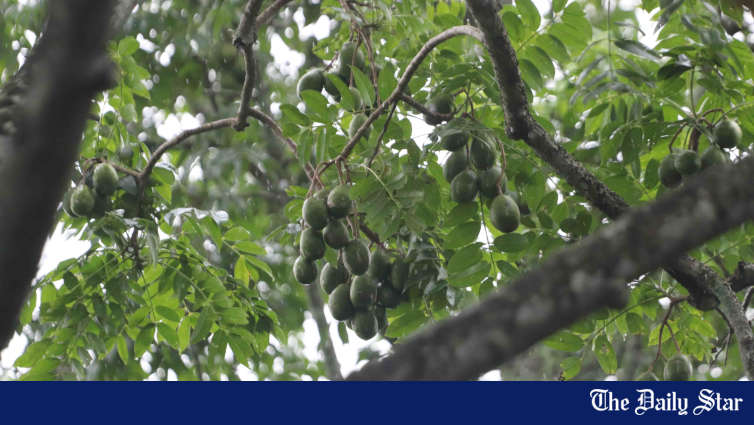
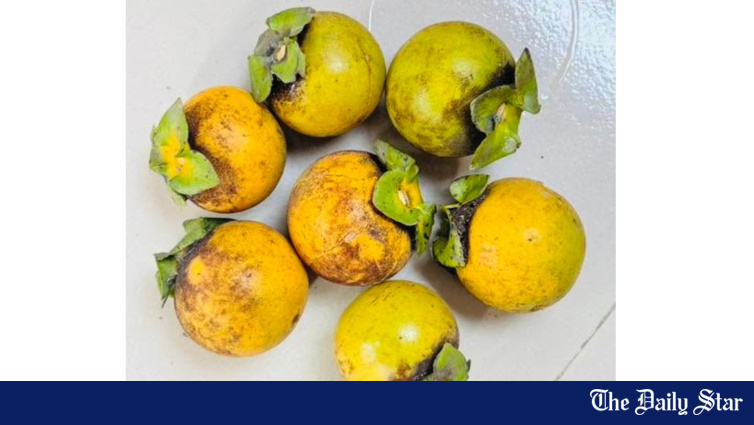
“Gab” (velvet apple or Indian persimmon), once a familiar part of Bangladesh’s rural landscape, is quietly fading from the country’s natural and cultural heritage. Deforestation, neglect and the growing popularity of imported fruits have pushed the native species towards extinction, causing it to disappear from both the countryside and public memory.Once, gab trees were a common sight in village thickets, dense forests, along canal banks and in homestead yards. During the monsoon, their branches grew heavy with round green fruits that gradually turned yellow or dark as they ripened. Today, this once-familiar scene has become increasingly rare.Gab is a native fruit of Bangladesh that thrives in wetlands and humid environments. Historically, the trees grew in abundance across the country’s southern and central regions, particularly in areas crisscrossed by rivers and canals. Large and long-lived, the gab tree remains covered in dense green foliage for most of the year and begins bearing fruit during the monsoon. For older people in rural communities, the gab tree represents far more than a source of wild fruit; it is deeply woven into their childhood memories. The simple pleasure of plucking the fruit from a branch and eating it on the spot offered a sense of joy that today’s market-bought fruits can scarcely match.