As poor returns from potato, paddy and maize squeeze farm incomes, growers across Rangpur, Kurigram and Lalmonirhat are relying on betel nut trees to stay afloat
1 hour(s) ago
S Dilip Roy
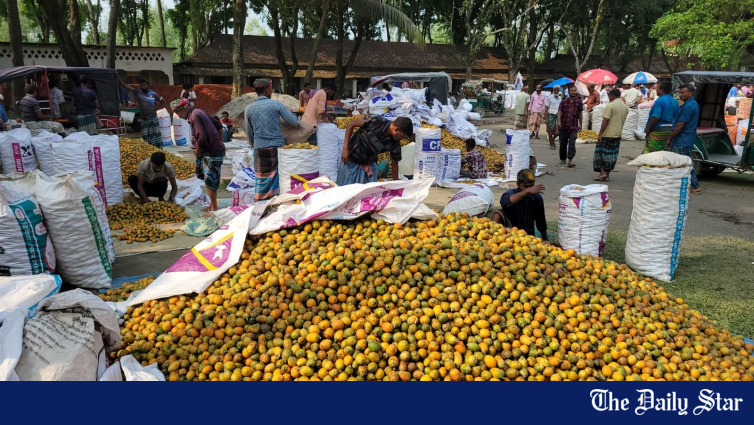
Current market prices of Tk 300 to Tk 600 per “pon”, combined with near-zero production costs, have made the crop exceptionally reliable. Photo: Star
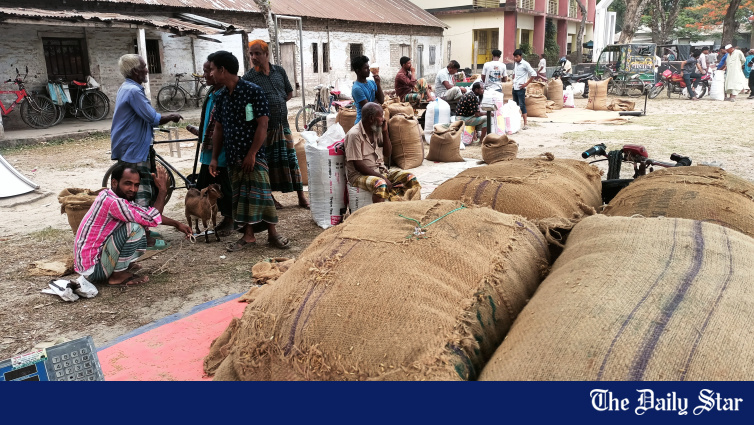
Standing in Balarhat market with a sack of freshly harvested betel nuts, 60-year-old Mobarak Hossain from Kurigram's Phulbari upazila carried a familiar story from across northern Bangladesh.His six "pon" of nuts -- each containing 80 nuts -- were fetching Tk 400 each. What looked like a good harvest, however, masked a year of agricultural devastation."Had we not had these trees, we would have been in serious trouble," Mobarak said.He had suffered heavy losses in potato cultivation and paddy farming, while maize prices remained depressed despite rising fertiliser, seed, and diesel costs."The betel nut trees around our home have become our biggest source of support."Mobarak's experience reflects that of many farmers across Rangpur, Lalmonirhat and Kurigram districts.While potato, paddy, and maize -- the region's traditional crops -- have plunged into unprofitability, the steady yield from betel nut trees planted decades earlier is keeping farming families afloat.The 65-year-old farmer at the same market, Dhaneswar Chandra Barman, had 70 trees producing eight to nine "pon" each."In previous years, the money from betel nuts paid for my children's education," he said. "But this year, I am using it simply to feed my family because I have suffered losses from potato and paddy farming."The economics are straightforward. Betel nut trees, once established, require minimal maintenance -- mostly organic fertiliser and water -- and continue producing for 35 to 40 years.Current market prices of Tk 300 to Tk 600 per “pon”, combined with near-zero production costs, have made the crop exceptionally reliable.