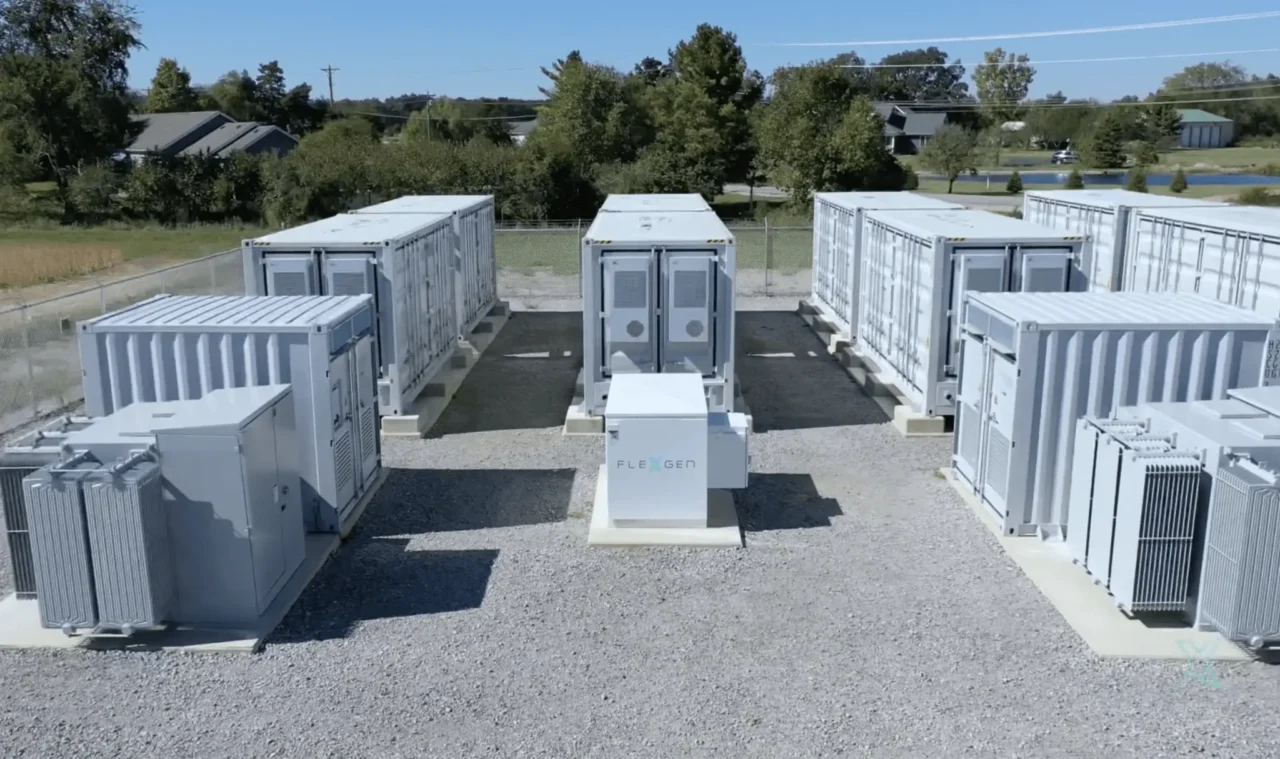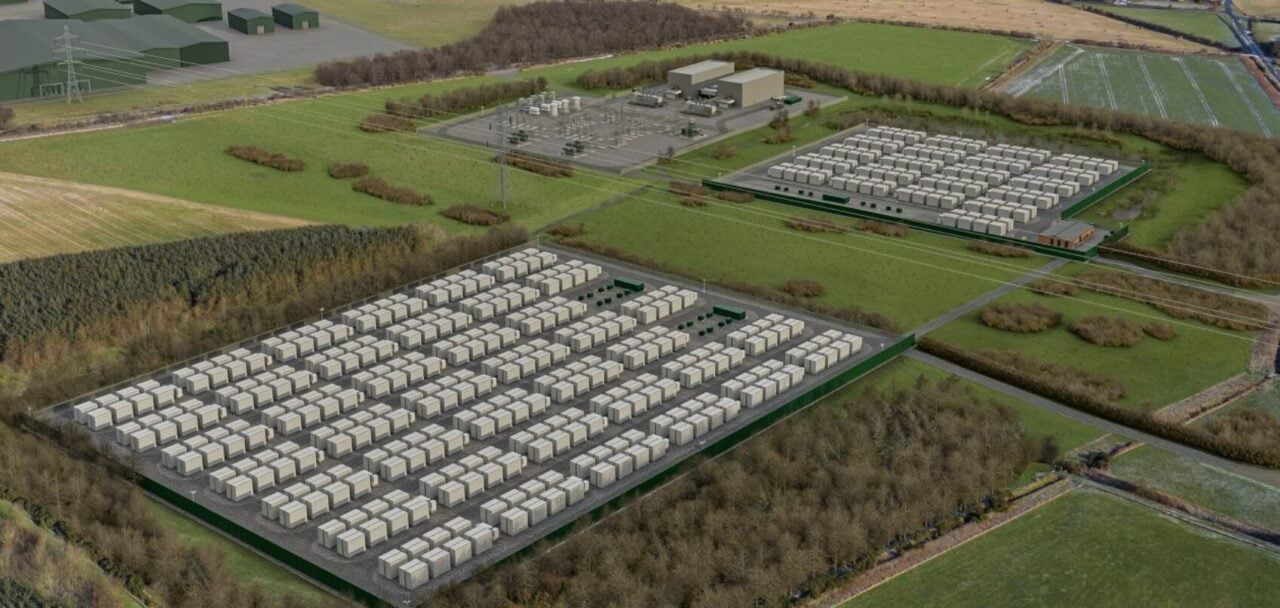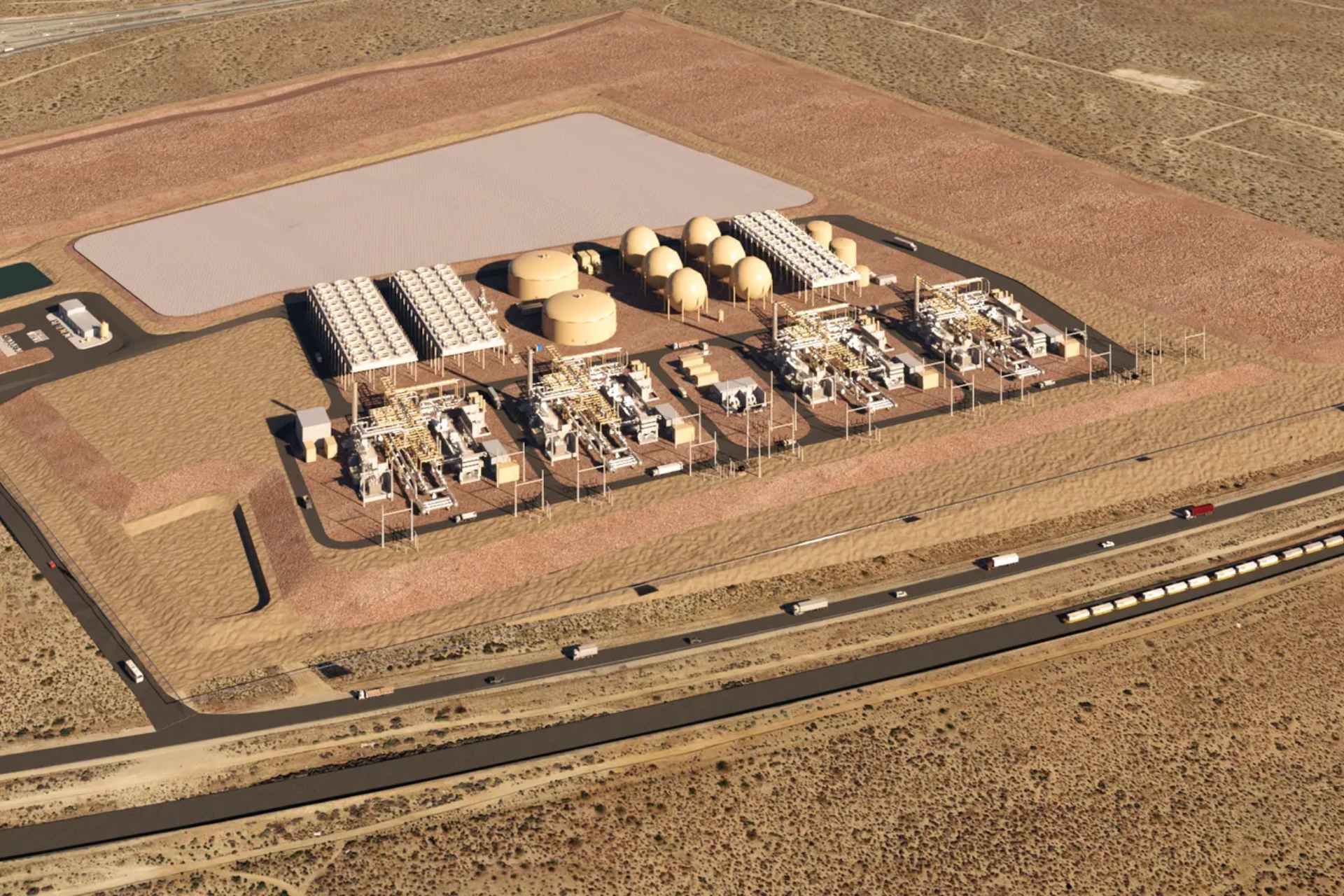
Lithium-ion (Li-ion) is currently the cheapest option for delivering this flexibility, even over multiple hours, but other technologies, including flow batteries, compressed air energy storage (CAES) and molten salt thermal storage, are catching up, albeit gradually.
AFRY found that the business case for LDES is strengthening, with its ability to reduce renewables curtailment, ease network congestion, and provide long-term flexibility to a decarbonised power system converging with its falling costs.
System-level variable operating costs could fall by as much as €250 million (US$286.54 million) per year for every gigawatt of long-duration storage deployed.
From analysis across a number of different European countries, the report found that every megawatt of LDES installed could prevent the curtailment of between 2.5MWh and 3.5MWh of variable renewable energy (VRE) generation.
LDES can offer different services across a range of markets, from intra-day arbitrage of solar to redispatch to balance network supply and demand to direct co-location with renewable assets and other applications.