The scheme aims to enable the deployment of LDES capacity to improve security of supply, reduced emissions and lower system costs. The UK government forecasts an increased need for LDES as more renewables come online, but because of the long construction timelines and uncertain revenues, it cannot be left to the private sector alone.
The table of the 16 projects. Image: Ofgem.
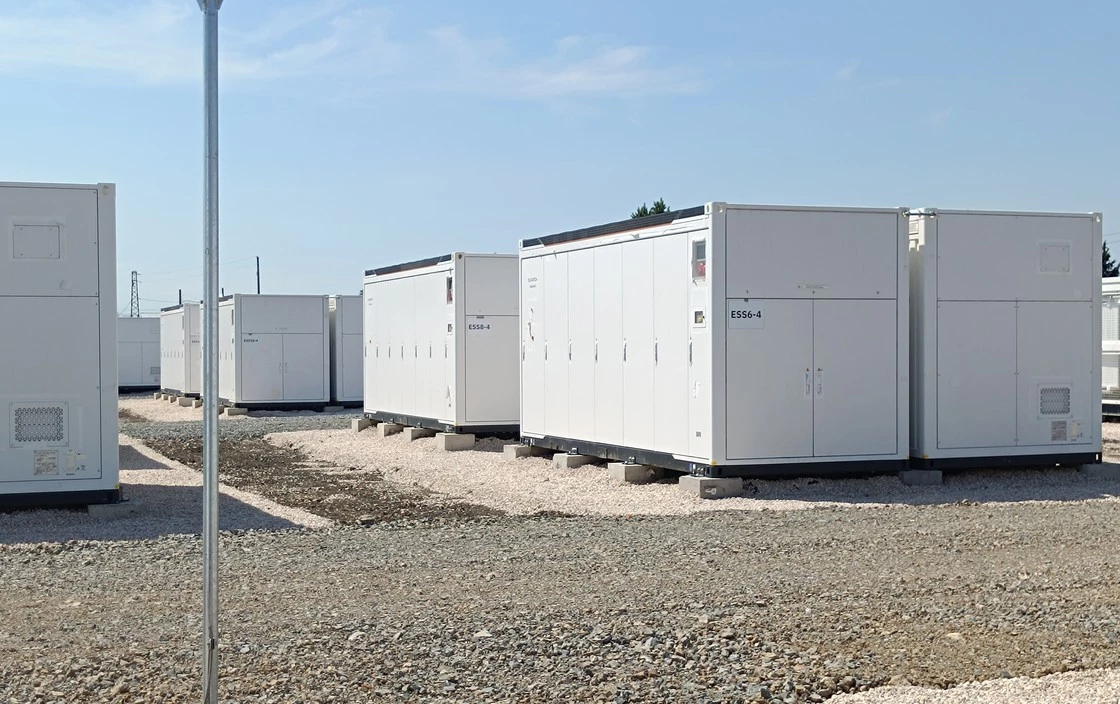
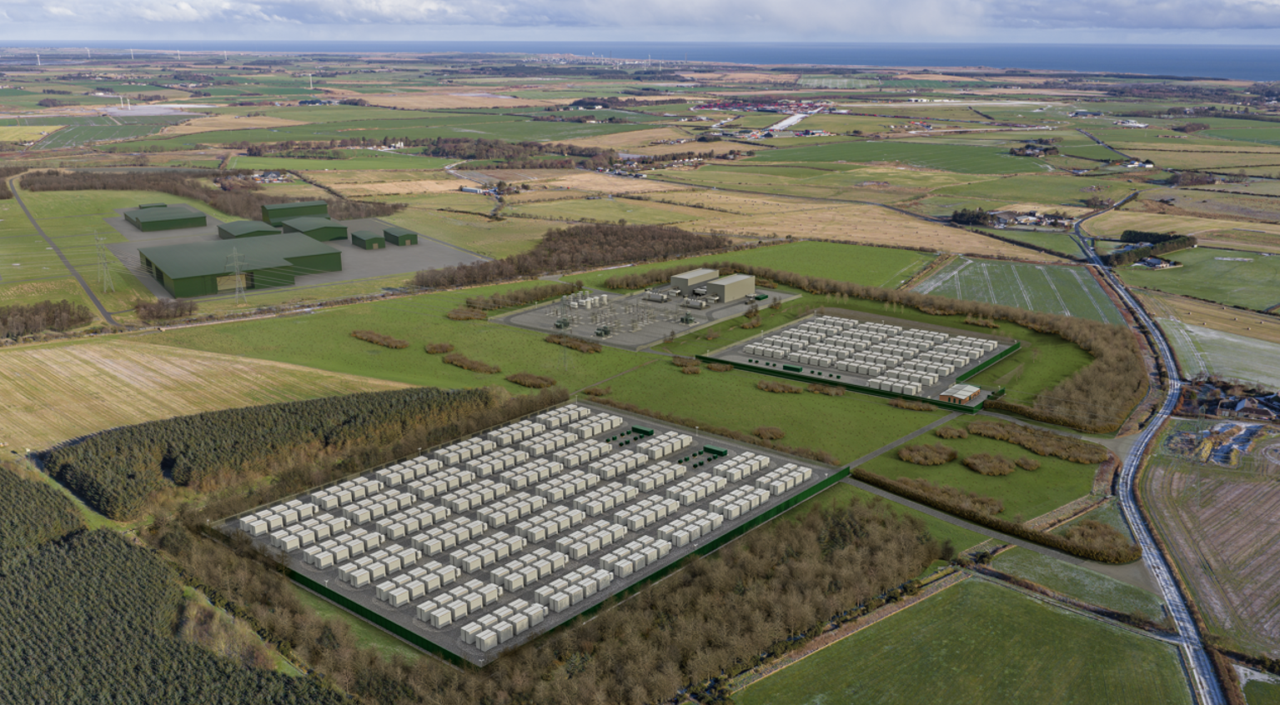
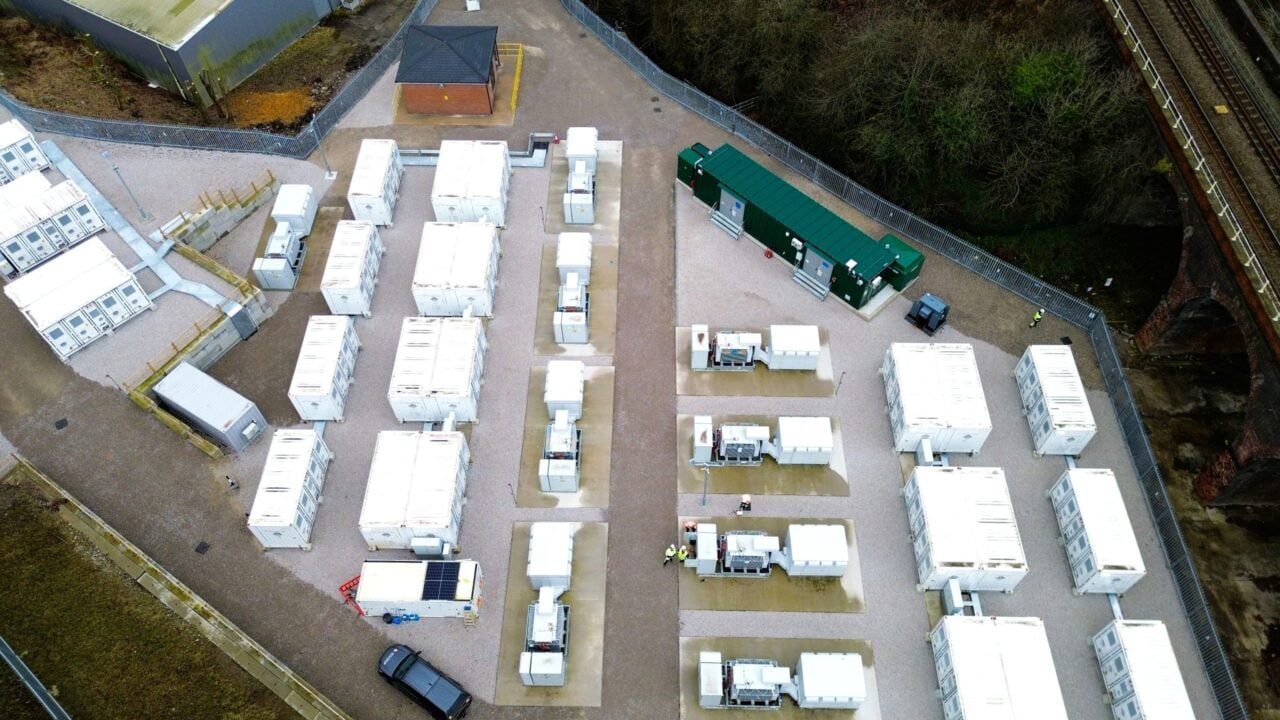
Field has five BESS projects totalling 1.6GW/26.8GWh, an average duration of 16.75-hours. Amit Gudka, CEO and co-founder of the BESS owner-operator, commented: “The UK’s LDES Cap and Floor is a global landmark scheme, and we’re proud to be part of it. Our 16–18 hour duration batteries will be among the longest duration in the world — and represent a significant step forward in solving the challenge of day-to-day shifting of electricity.”
Field’s head of development Bex Sherwood discussed the scheme and the UK’s LDES buildout in a panel at the Energy Storage Summit 2026 in London in February, which you can watch a video recording of here (with an ESN Premium subscription).
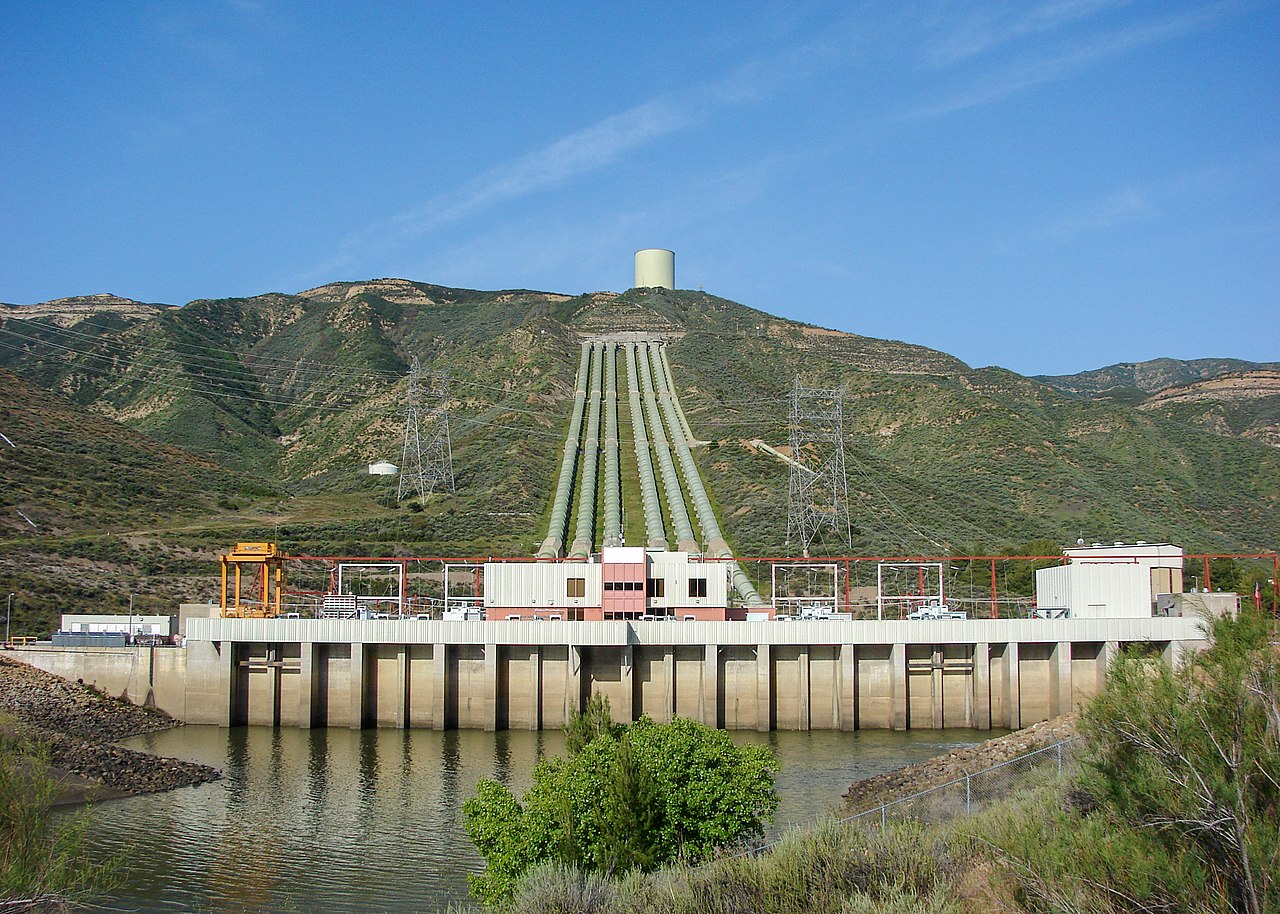
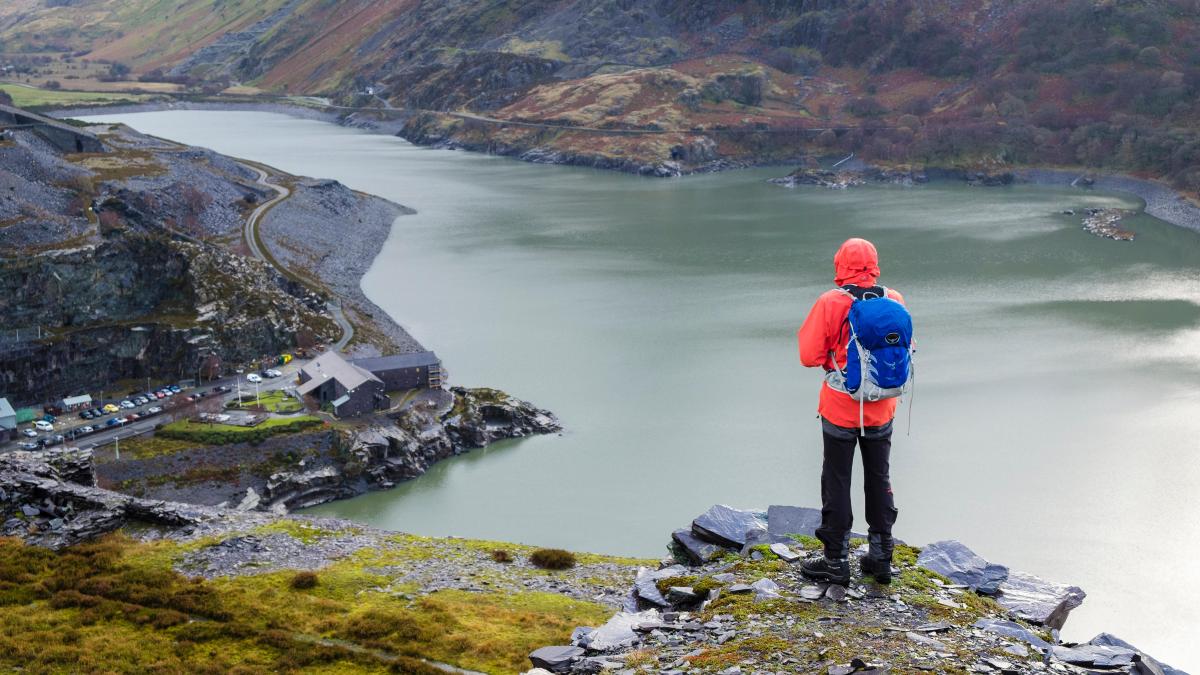
There are three PSH projects too, the Cloire Glas (SSE), Earba (Gilkes Energy) and Loch Kemp (Statera) projects. Statera also owns the East Claydon BESS. There is also the TeesCAES project from technology company Storelectric.