The last six months have seen a step change in the deployment of long-duration energy storage, as both lithium-ion and non-lithium technologies have put steel in the ground. According to the latest data from energy intelligence platform Currence, the global LDES sector is on track to bring hundreds of megawatts online this year, as compared to 33 MW in 2025, which was a breakout year for the industry.
Just a third of that expected 2026 capacity will come from non-lithium-ion batteries, analyst Lukas Karapin-Springorum told Latitude Media. That’s because lithium-ion makers are the ones winning bids for government procurement in places like Australia and California, where the priority is generally lowest-cost and technology readiness.
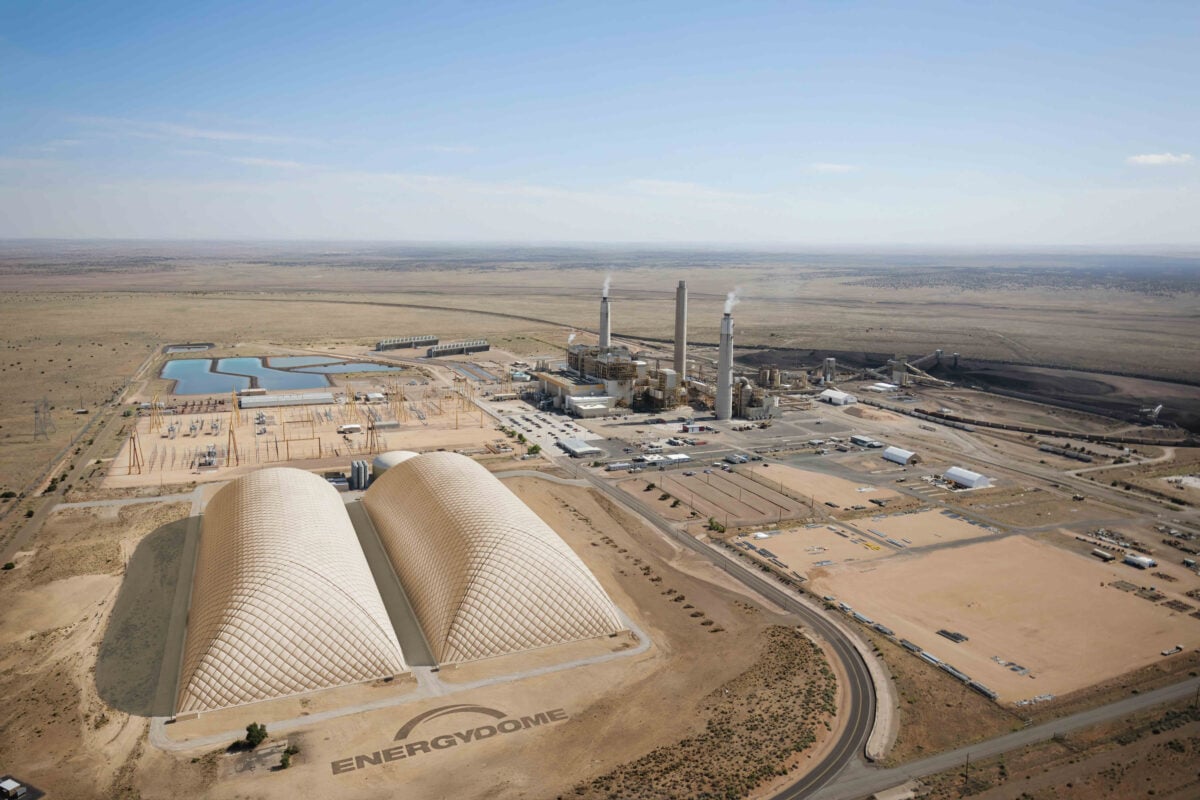
But large loads are increasingly eyeing non-lithium storage solutions as well, for contexts where supply chain stability and scalability are more important. The carbon-dioxide battery maker Energy Dome again tops Currence’s leaderboard of non-lithium ion batteries for the second half of this year, thanks to a cluster of high-profile offtake agreements, including with Google.
Form Energy, the iron-air battery marker that is reportedly eyeing an IPO, ranks lower on the list for now, largely because of cost. But Form has been rising through the report’s ranks, Karapin-Springorum said, thanks to a drop in the estimated capital cost of its large Pine Island project with Xcel and Google.