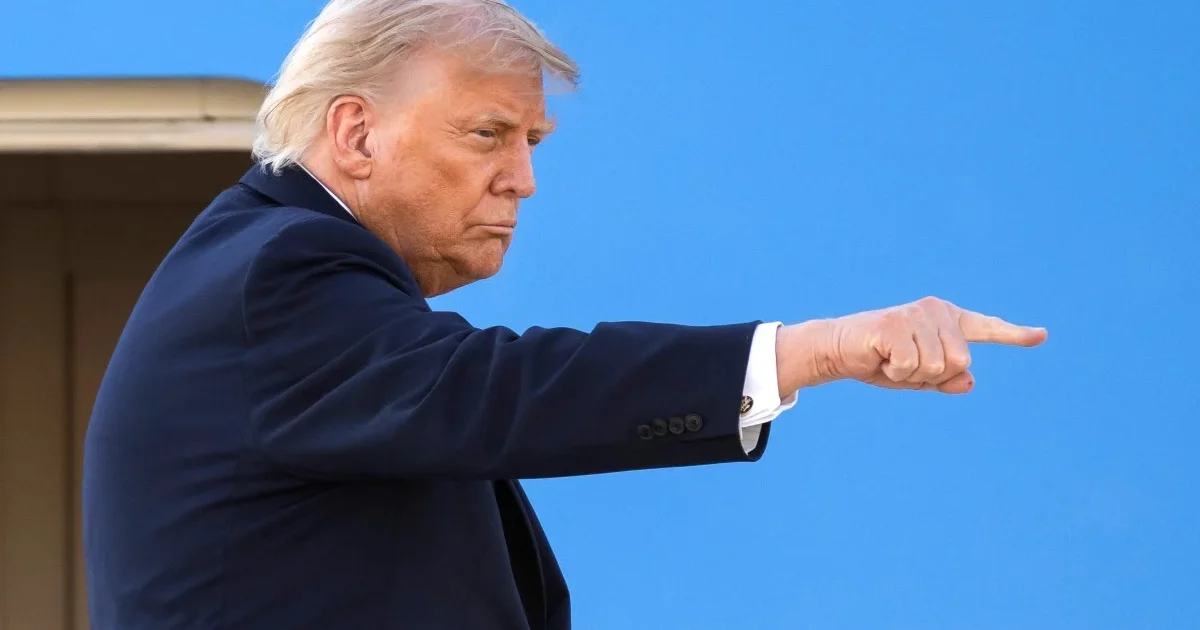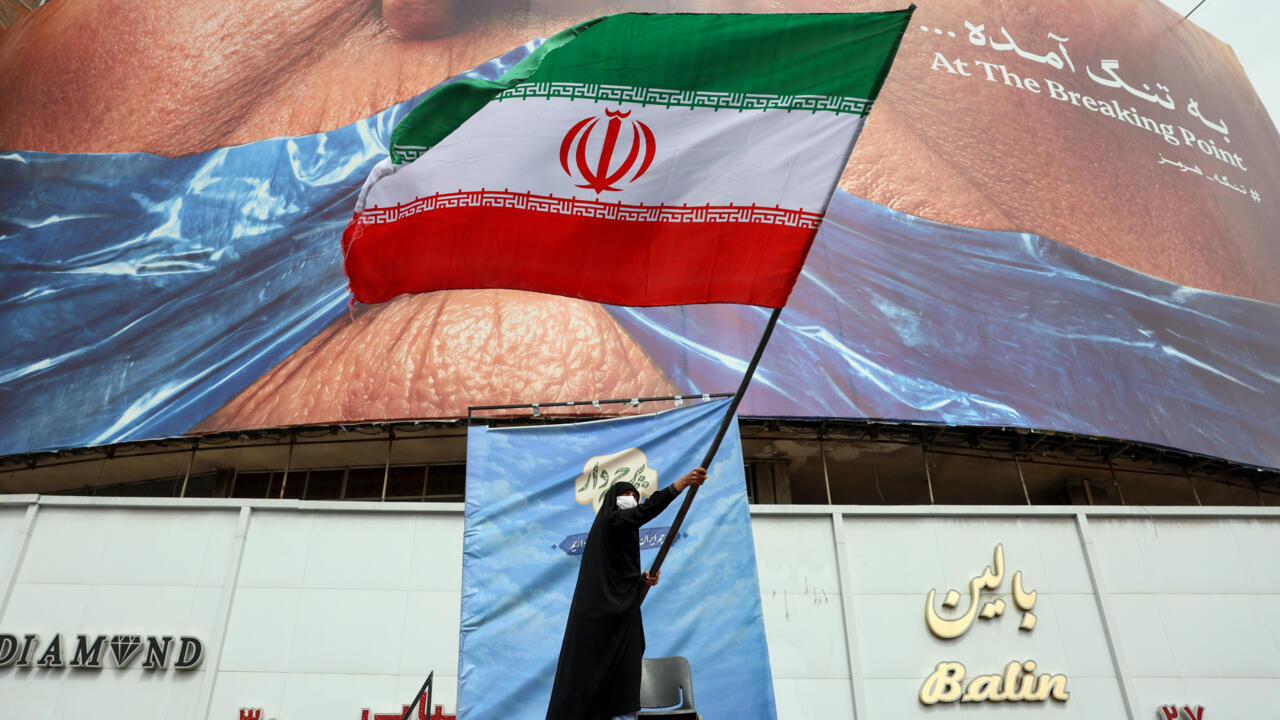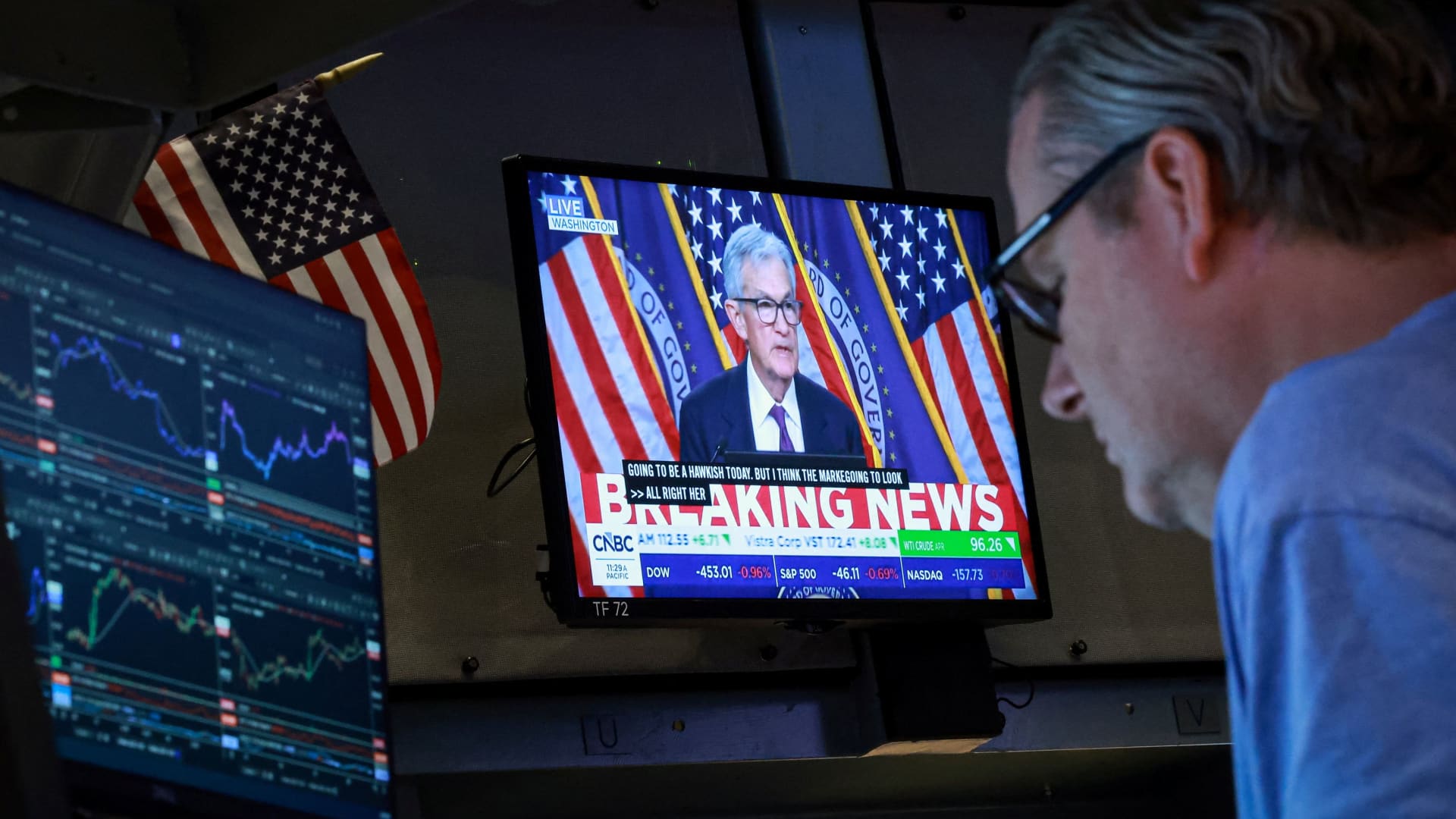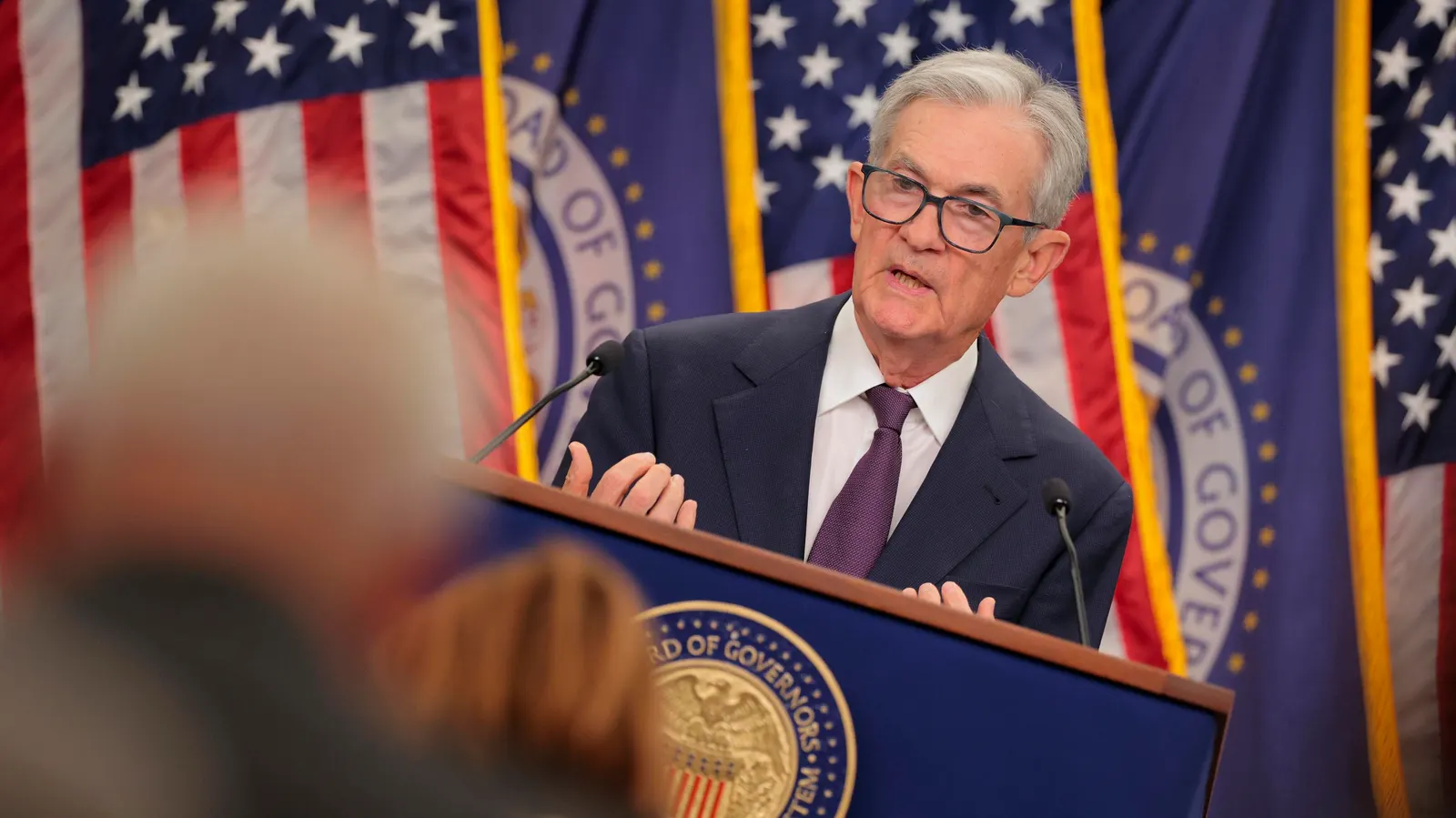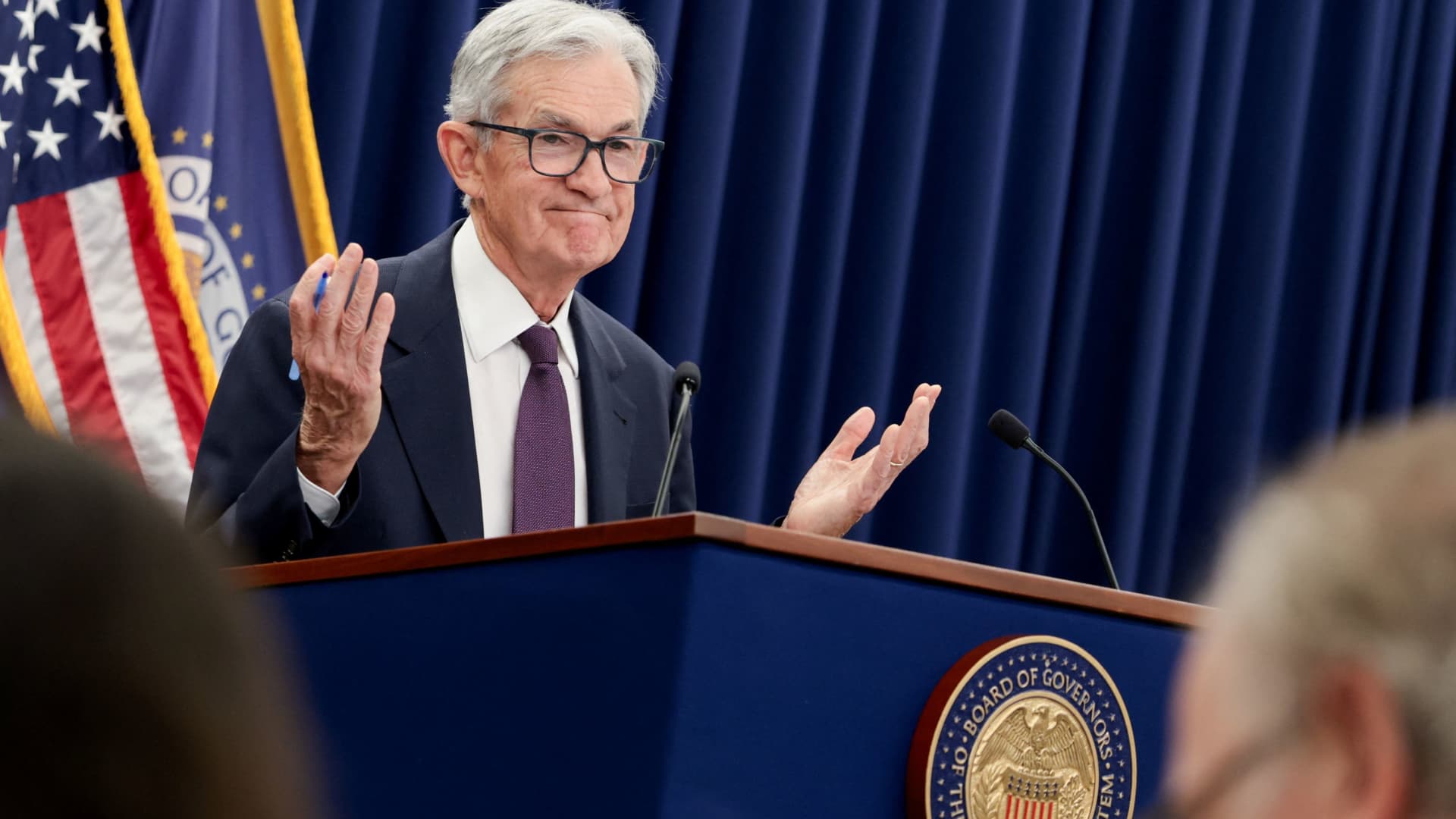
The announcement of an end-of-hostility deal between the United States and Iran has done little to shift investor expectations that the Federal Reserve will hold or even raise interest rates this year, even as oil prices fall in response to the apparent diplomatic breakthrough.President Donald Trump recently announced the planned signing of the ceasefire deal between the U.S. and Iran. Just days after the announcement, crude prices dropped below $80 per gallon for the first time since March. The agreement would mean a key release valve on energy prices, the biggest driver of the latest wave of inflation in recent months.
But investors still don’t think that an end to the war, and presumably a more stable Strait of Hormuz, will be enough to cause inflation to fall to a level this year where the Fed will feel comfortable cutting interest rates — something that has long been the biggest goal for Trump on the monetary policy front.“One thing would be that there’s uncertainty as to whether this deal is going to stick or whether oil prices might go back up,” Desmond Lachman, a senior fellow at the American Enterprise Institute, told the Washington Examiner.Inflation has mounted quickly since the start of hostilities in the Middle East.(Getty Images)