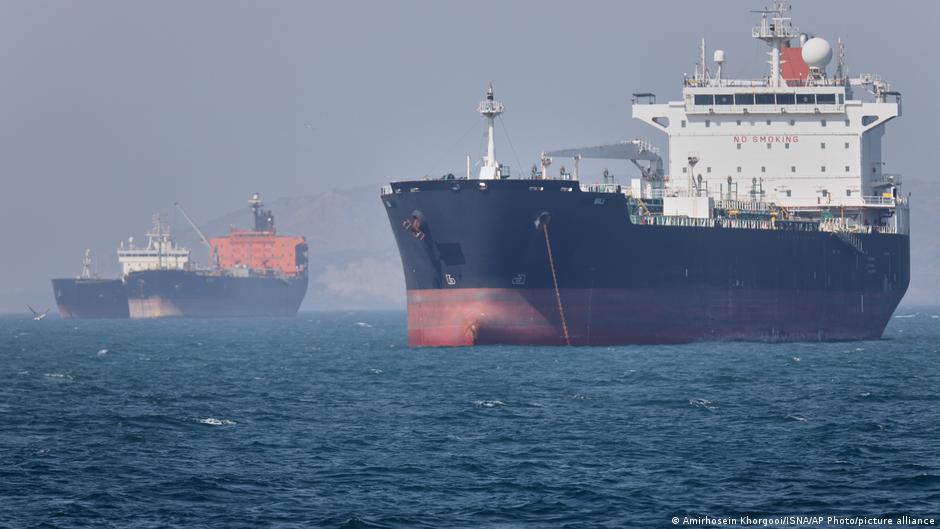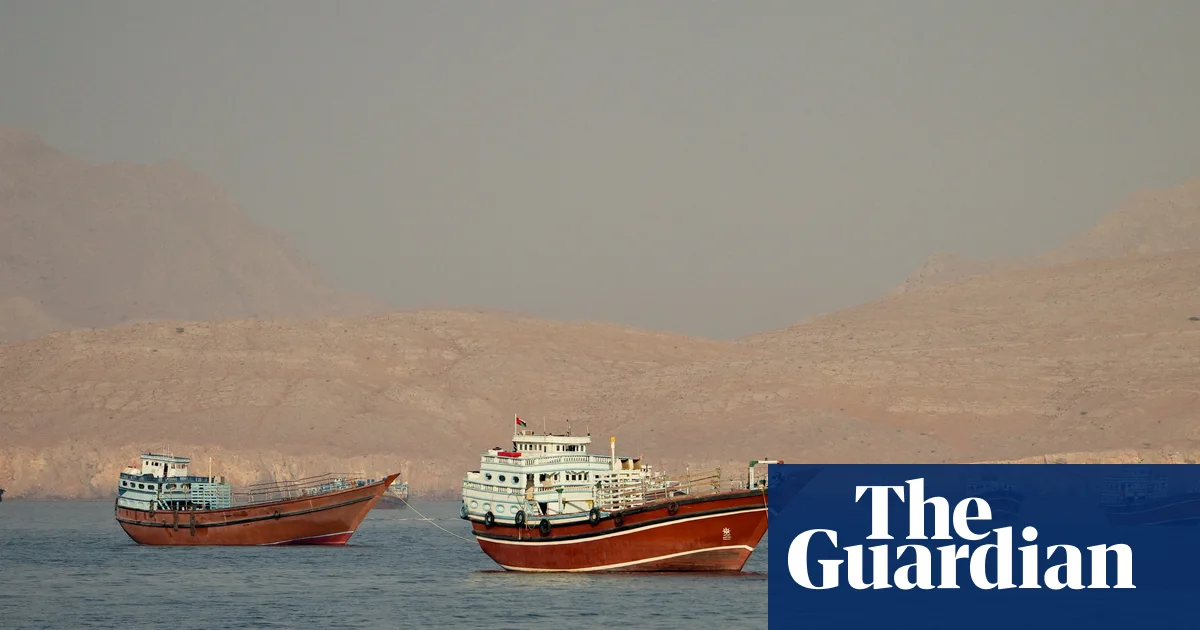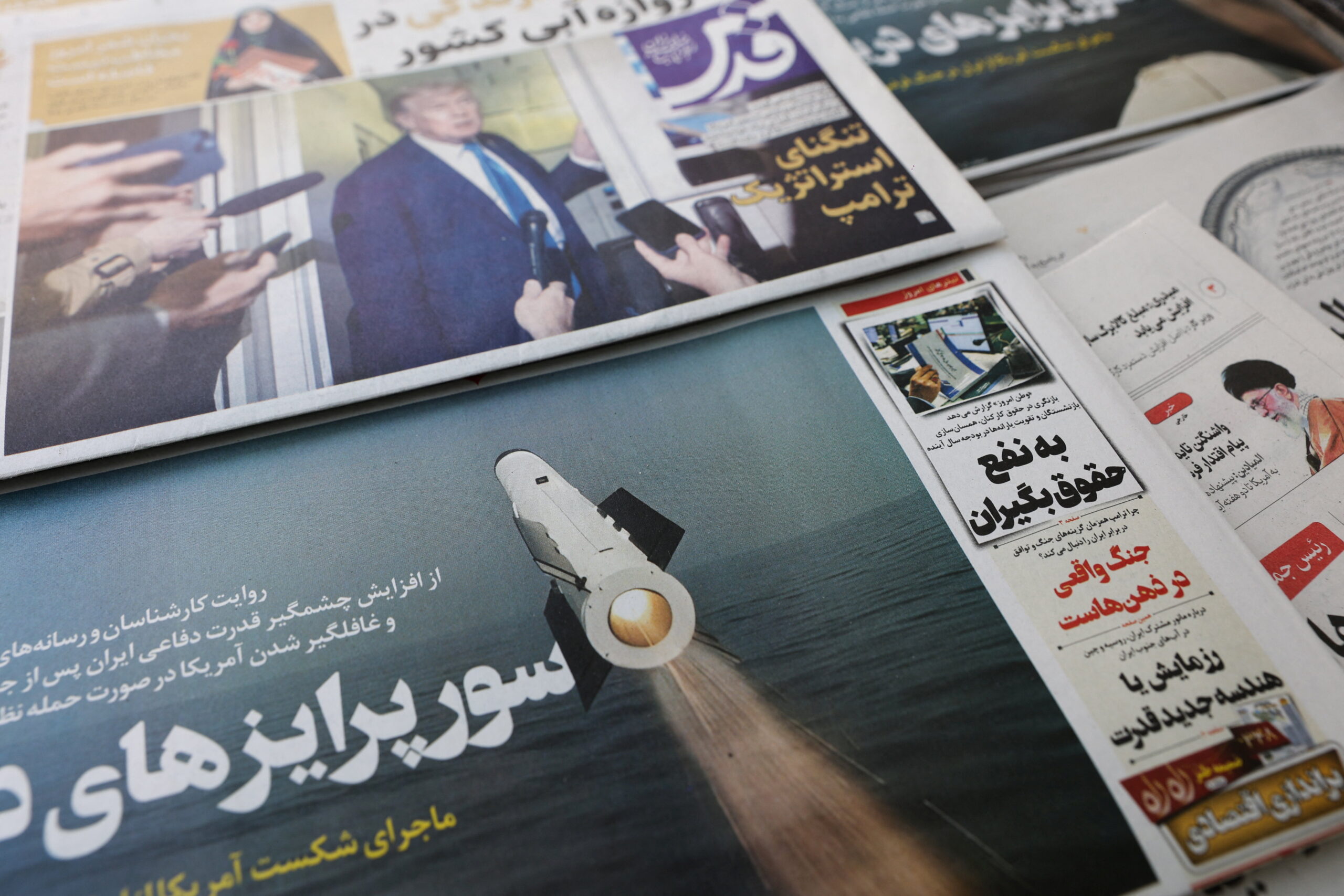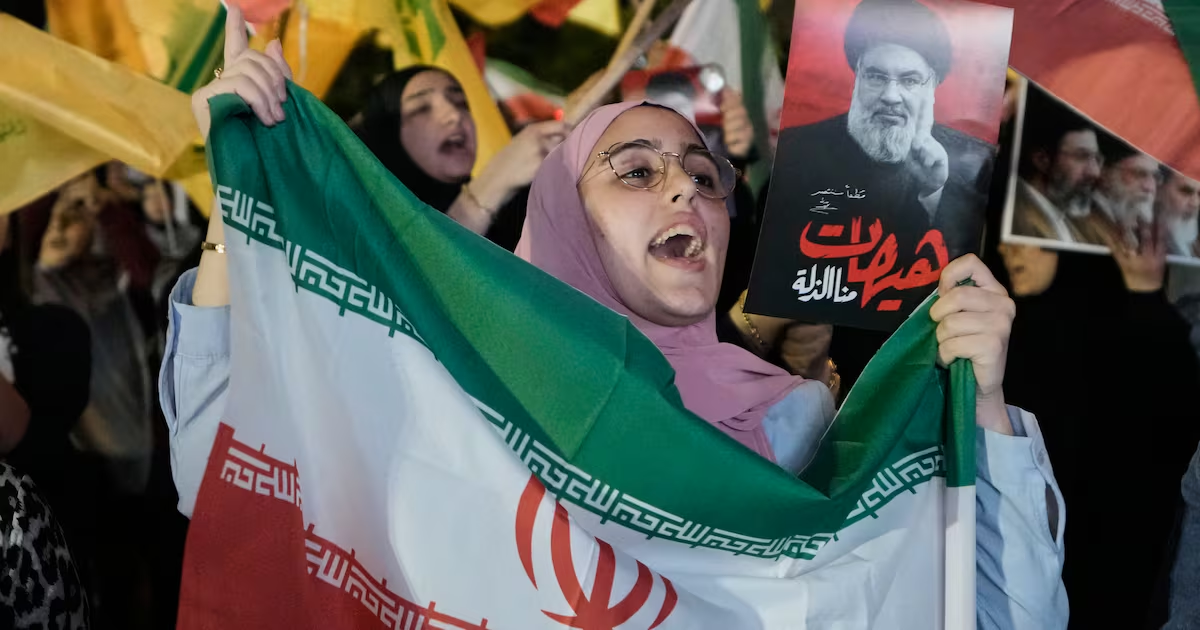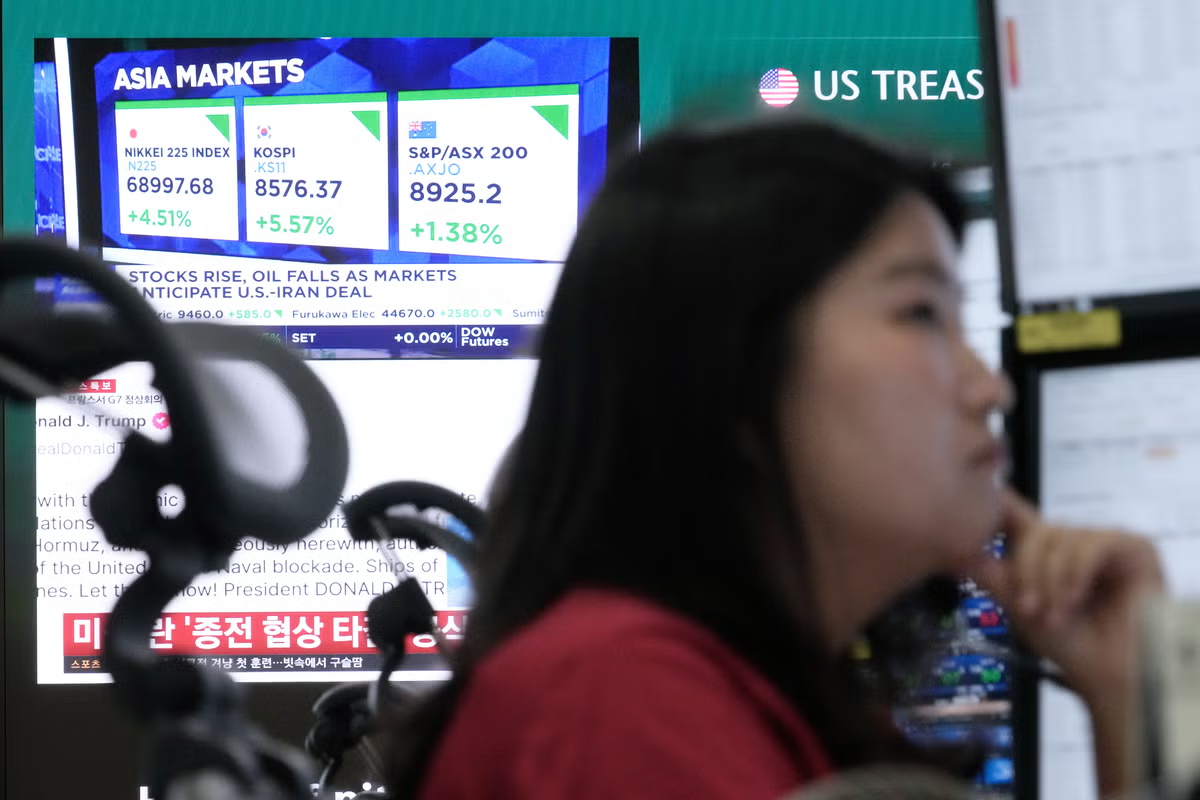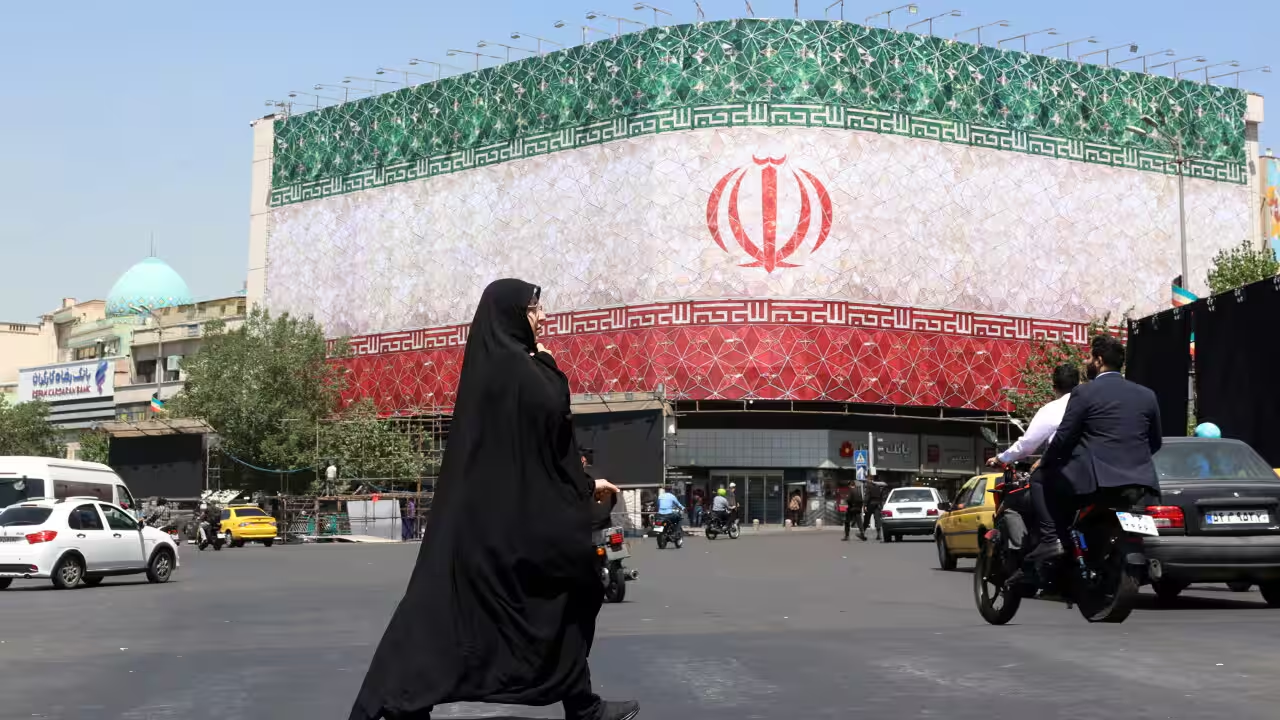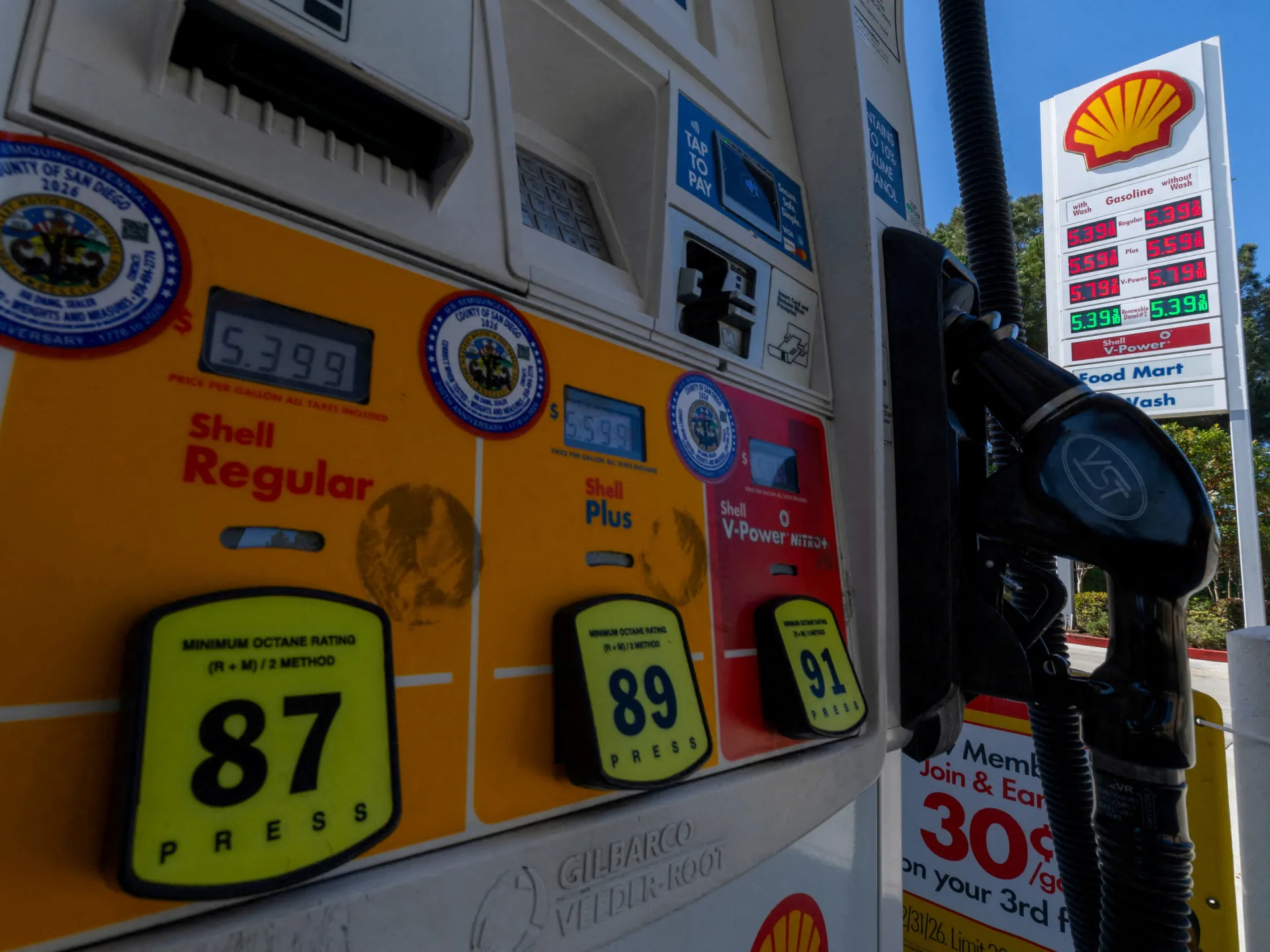
IN BRIEFExperts say if the peace deal provides enduring stability, it could avert the worst potential economic impacts of the conflict.The deal is unlikely to influence the Reserve Bank's next interest rates decision on Tuesday.United States President Donald Trump's declaration that a peace agreement has been reached with Iran has raised hopes of easing pressure on global energy markets and reducing one source of inflation risk."The Deal with the Islamic Republic of Iran is now complete. Congratulations to all! Ships of the World, start your engines. Let the oil flow!" Trump posted on his Truth Social platform on Monday.The agreement, expected to be formally signed in Switzerland on Friday, includes plans to reopen the Strait of Hormuz, a narrow shipping corridor through which around one-fifth of the world's oil supply normally passes.But analysts say that for Australia, that matters less because of where the country buys its oil and more because of how global energy and shipping markets operate.While easing tensions may remove one source of pressure on fuel and inflation, analysts caution any economic benefits for Australians will depend on whether the agreement holds and how quickly normal trade conditions resume.News that makes senseYour trusted source for staying up-to-date with the world around you. Get free daily news updates and analysis, straight to your inbox.What does a peace deal mean for Australian households?While Australia does not directly import oil from Iran, households are not insulated from instability in the Middle East.Professor Tim Harcourt, chief economist at the University of Technology Sydney, told SBS News that energy markets remained globally connected and disruptions quickly flowed across borders."Oil prices set world markets and flow through right around the world," he said.Harcourt said the Strait of Hormuz was one of several globally significant trade corridors and disruptions had consequences extending well beyond energy."When you affect those trade routes, you see delays but also higher prices because of supply shortages."The Strait of Hormuz has effectively been closed since late February. Source: AAP / Amirhosein Khorgooi / APProfessor Ben Fahimnia, chair of supply chain management at the University of Sydney, said markets respond not only to actual disruptions but also to expectations about future risk."The reported easing of tensions and reopening of the Strait of Hormuz will place some downward pressure on global oil prices, assuming the agreement holds and markets gain confidence that major supply disruptions are less likely."However, energy markets react not only to actual disruptions but also to perceived risks, so some volatility may remain in the short term."Fahimnia said disruptions in shipping routes could eventually flow through to households via freight, supermarket prices, transport costs and business operating expenses, but the relief wouldn't be imminent. Professor Richard Holden, vice chancellor's professorial fellow and chief economist at UNSW Sydney, said oil remained globally priced regardless of where Australia sourced supply."When supply is constrained, oil goes up, and that becomes an input into fuel prices Australians pay at the bowser."When could peace perks flow through to Australia?Economists say benefits from easing energy prices are unlikely to be immediate, and may be shaped as much by domestic settings as global developments.But Harcourt said Australians could potentially begin noticing changes within weeks rather than days, though broader cost-of-living effects would likely take longer.Changes in global oil prices typically take time to move through supply chains before appearing in household budgets, flowing first through wholesale fuel markets, freight costs and business expenses before affecting consumer prices.Fahimnia said even if oil prices decline, Australians were unlikely to see immediate changes because of existing inventories, wholesale contracts and retail pricing cycles.But economists also cautioned against assuming lower oil prices automatically translate into meaningfully cheaper fuel, and suggested any relief from lower energy prices may first appear through slower price growth, rather than households suddenly paying significantly less than they already are.Domestic policy complicates the pictureThe federal government has indicated it will not extend its temporary fuel excise reduction beyond 30 June, meaning motorists are expected to face higher fuel costs as tax settings return to normal.The fuel excise was temporarily halved by the government earlier this year in response to soaring global oil prices caused by the war, slashing 26 cents per litre.The measure cost more than $2.5 billion over three months and helped ease headline inflation, but commentators remain divided over whether extending it would have delivered longer-term relief or contributed to inflation and higher mortgage pressures.AMP chief economist Shane Oliver said that could offset some of the relief households might otherwise expect from softer oil prices, and said that petrol prices are currently at levels seen before the conflict escalated earlier this year."What this [peace deal] potentially does is head off another spike rather than open the door to substantially lower prices," Oliver said.Oliver suggested Australians may see relief through fuel and transport costs before broader effects emerge elsewhere."If that unwinds, eventually that can take some pressure off grocery prices and airfares."Australians may see relief through fuel and transport costs before broader effects like grocery prices. Source: AAP / Richard B Levine / Levine-Roberts / Sipa USAHolden urged caution, saying the conflict had already left long-lasting effects on global energy markets, with countries drawing down reserves and reassessing energy security."There's going to be really strong ongoing demand for liquid fuels."Holden said reopening shipping routes could remove uncertainty and place modest downward pressure on prices, but warned households should not expect a return to significantly lower costs."I don't think Australians should expect a lot out of it other than it's obviously good to stop the extra damage being done and reduce uncertainty," he said.Could it influence Tuesday's RBA decision?Economists say the more relevant question is not whether the agreement changes Tuesday's Reserve Bank of Australia (RBA) decision on the cash rate, but whether it changes the outlook policymakers are watching.Fahimnia said it was unlikely the RBA would place significant weight on a single geopolitical development in isolation."The RBA generally focuses on medium-term inflation trends and broader economic conditions."If lower energy prices were sustained over a longer period and materially influenced inflation expectations, they would certainly become relevant to the Bank's outlook."The Reserve Bank of Australia's next interest rates decision will be on Tuesday. Source: AAP / Bianca De MarchiHolden agreed lower oil prices should not be interpreted as automatically leading to lower interest rates and said fuel movements could affect headline inflation, but the Reserve Bank focused more heavily on underlying inflation, which removes the biggest price swings and volatility."There might be some effect on the RBA's thinking, but I don't think there will be a mechanical effect on what they do," he said.Oliver similarly argued that lower energy prices may reduce one source of inflation pressure, but Australia still faced broader challenges, including underlying inflation and capacity constraints.The economic effects Australians may notice firstWhile fuel prices have dominated much of the public discussion around the conflict, economists say the broader economic effects may ultimately prove more significant.Oliver said one of the less visible consequences of the war had been pressure on business and consumer confidence.He said concerns about disruption, weaker growth and supply constraints had also weighed on economic sentiment.If shipping routes reopen and supply chains start functioning more normally, experts say that could reduce downside risks facing growth and employment, but would not necessarily translate into immediate cost-of-living relief.Instead, economists say any benefits are more likely to emerge gradually, through fewer supply disruptions, steadier prices and reduced pressure on businesses.Harcourt said markets often respond to expectations before those changes become visible in household budgets."If peace is lasting then confidence will probably start improving," he said.Albanese and Wong welcome peacePrime Minister Anthony Albanese and Foreign Minister Penny Wong welcomed moves to reopen the Strait of Hormuz and urged all parties to pursue lasting stability.“While full recovery will take time, restoring this vital trade corridor is essential to easing pressure on energy prices and economies, including in our region,” they said in a joint statement.They also said Iran must address concerns surrounding its nuclear program and regional security and encouraged all parties to pursue a durable peace through diplomacy.What if the war had continued?Experts said understanding the significance of the agreement also meant considering the alternative.Oliver argued that if the agreement holds and translates into sustained stability, the largest economic effects of the conflict may never become visible precisely because escalation had been avoided.One of the scenarios economists had been watching most closely was a more prolonged disruption to the Strait of Hormuz, which would have further constrained global oil supply and increased pressure across fuel, freight and consumer markets.Holden noted countries had already drawn down fuel reserves and demand remained elevated as governments rebuilt stockpiles.Why peace may not mean the crisis is overEconomists cautioned that any meaningful economic benefits would depend on whether the agreement proves durable.Fahimnia also said recent events have highlighted a broader lesson for Australia."While any easing of tensions is welcome, it would be premature to assume geopolitical risks have disappeared," he said."The underlying drivers of instability remain, and there is no guarantee that the current peace arrangement will prove permanent."He said this should be viewed as an opportunity for Australia to strengthen resilience rather than relax preparedness."Building these capabilities during periods of relative stability is far easier than trying to create them during a crisis."For Australians, economists said the agreement may not produce dramatic changes at the bowser, but avoiding a more severe downside could prove significant.For the latest from SBS News, download our app and subscribe to our newsletter.
Trump says 'let the oil flow'. But will the US-Iran peace deal bring Australians relief?
The US-Iran deal has eased fears of an oil shock, but what it means for Australians is complicated.
TL;DRAI
Iran-US peace deal reopens Strait of Hormuz (~20% global oil), easing energy and shipping costs worldwide. Restored supply routes could reduce global infrastructure and operational costs for tech organizations, pending agreement durability—benefits within weeks.
1,579 words~7 min read