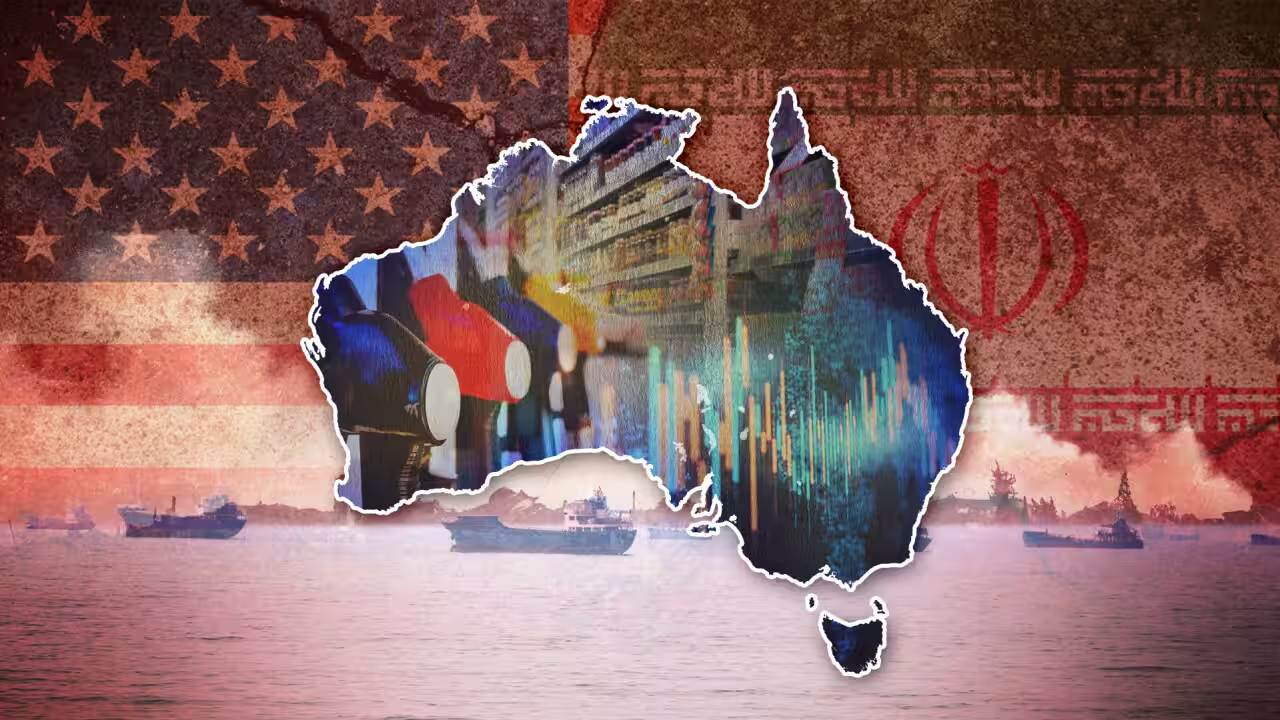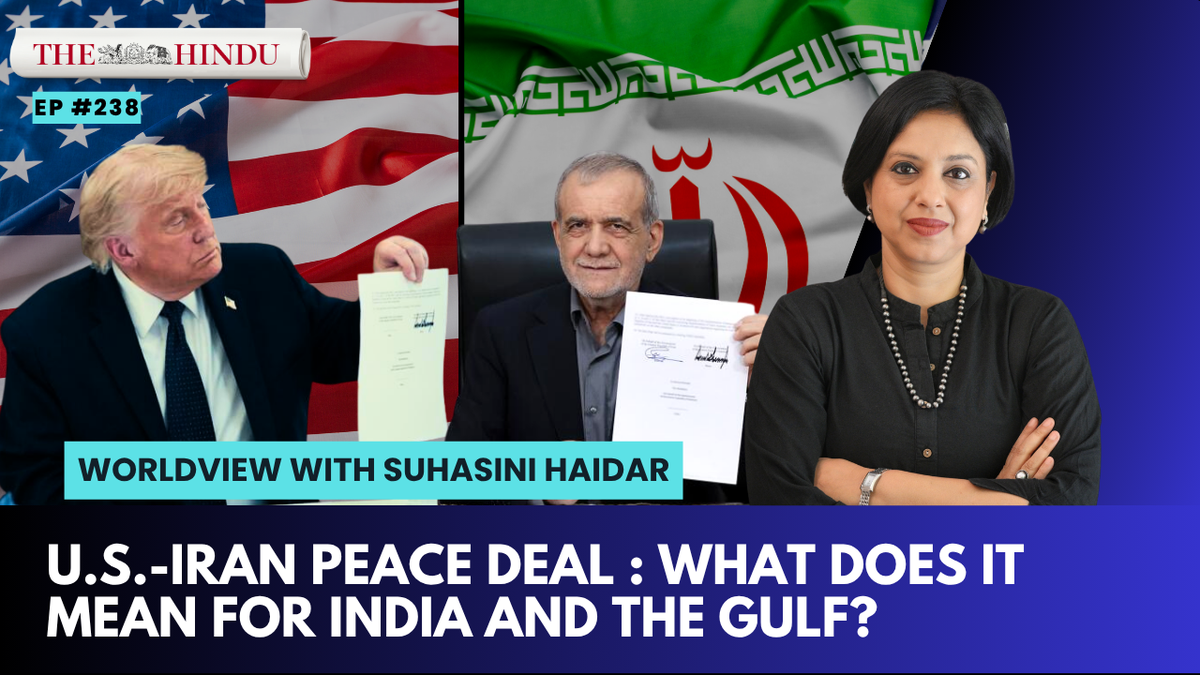
The establishment of a peace and ceasefire framework between the United States and Iran following recent hostilities would be a welcome sign in Australia. Canberra had been apprehensive about the war, both due to the domestic impacts of high fuel prices, and deep concern for the unintended consequences that may have been created by the fighting.
To understand more about the implications going forward I spoke to Jane Hardy, Australia’s former ambassador to Spain and former assistant secretary for arms control and counterproliferation within the Department of Foreign Affairs and Trade. She is currently a non-resident senior fellow at the Australian Strategic Policy Institute (ASPI).
For both the Australian government and, critically, the U.S government, the flow of oil remains a paramount consideration. Hardy said that “there’s a huge amount of political pressure to make sure that it is flowing and that the price of oil stays at a reasonable state.”
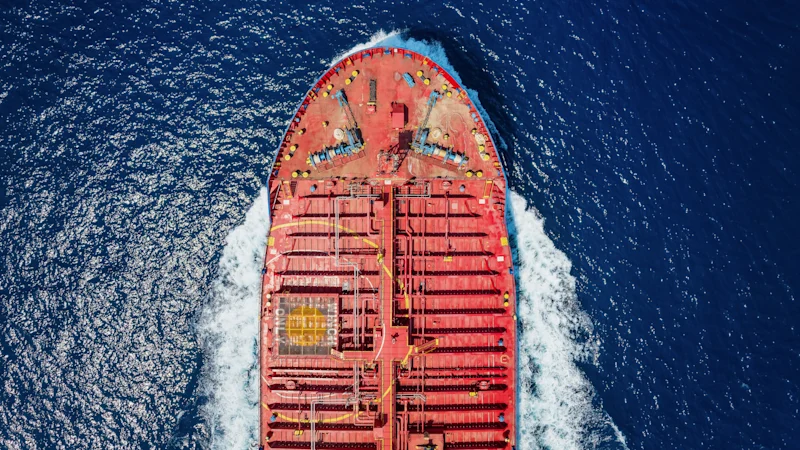
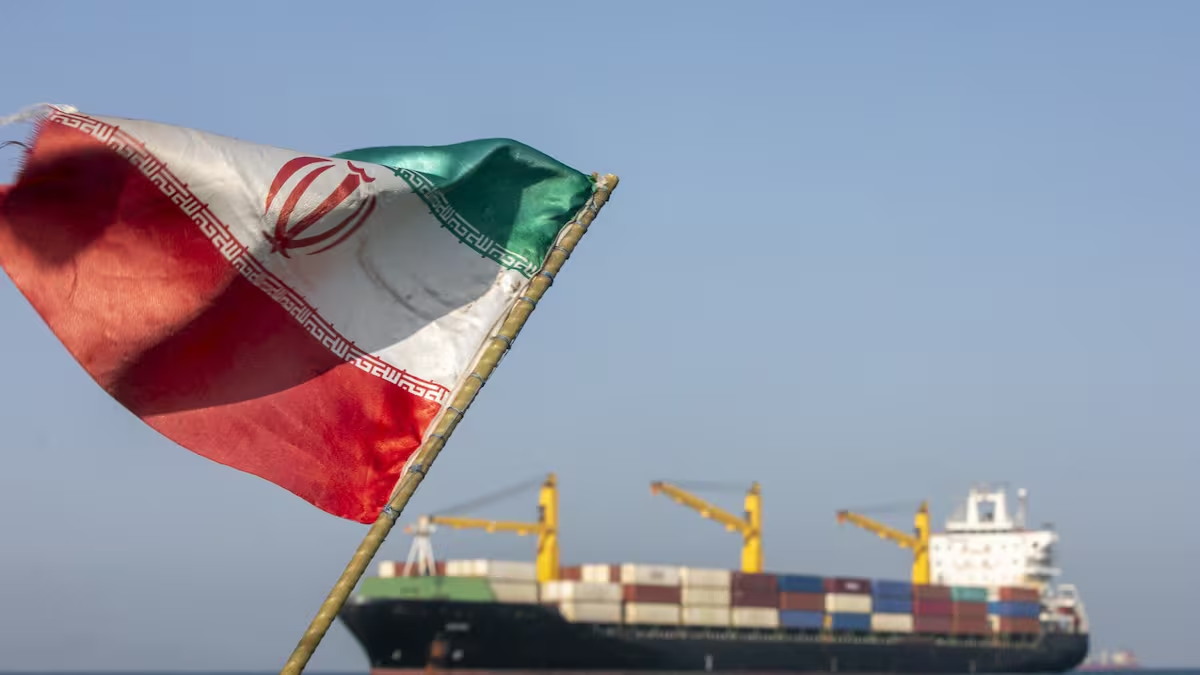
Yet after such a disruption, this is easier said than done. Hardy highlighted that “there are a whole lot of ships apparently waiting to get into the Strait [of Hormuz]. So it’s going to take a while to really settle into a routine.” She added that “it will probably take six months to settle into a proper release of oil flows out of the strait, and much longer for liquefied natural gas due to Iran’s damage to Qatar’s LNG facilities.”