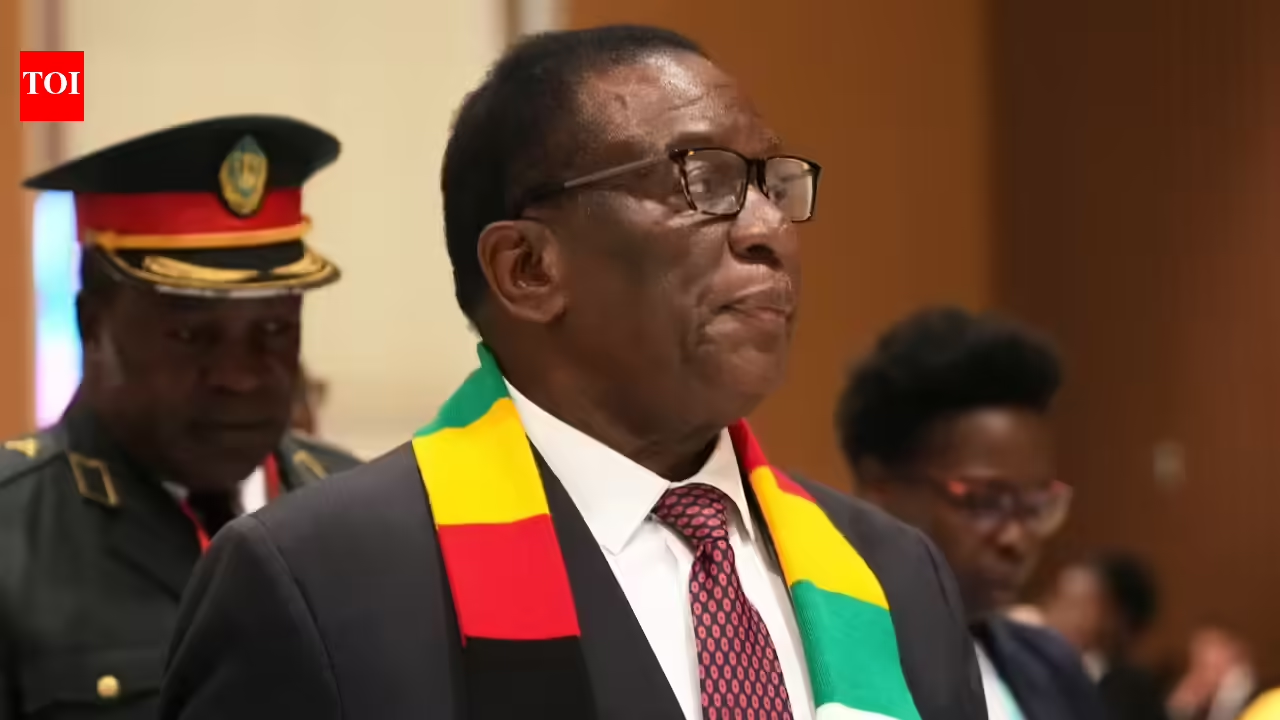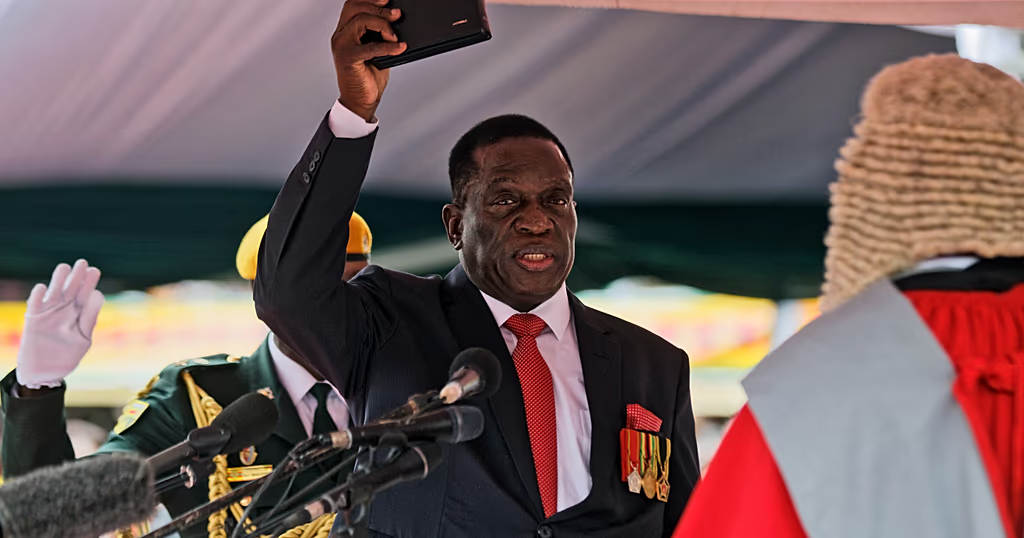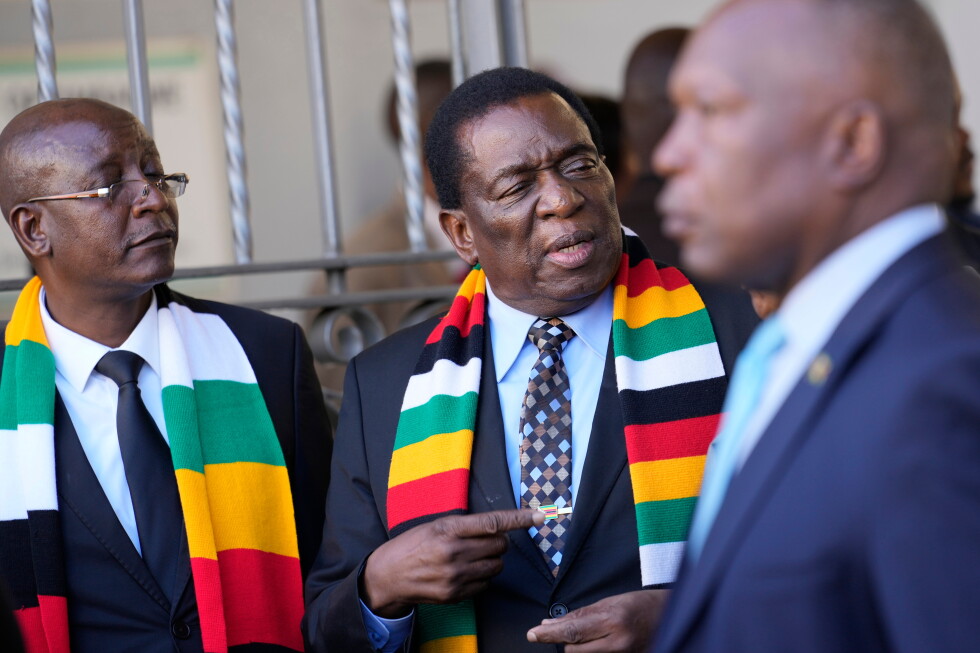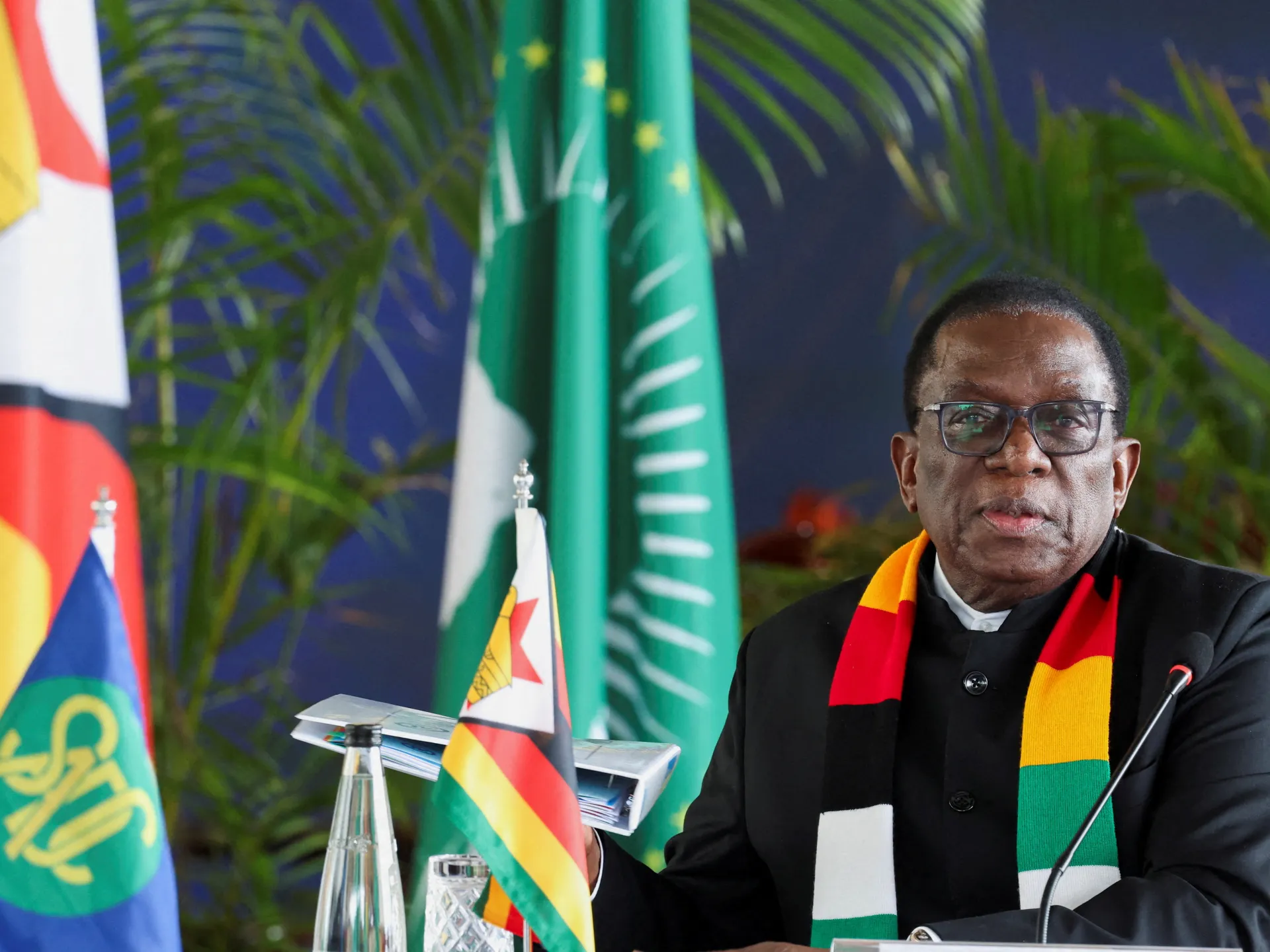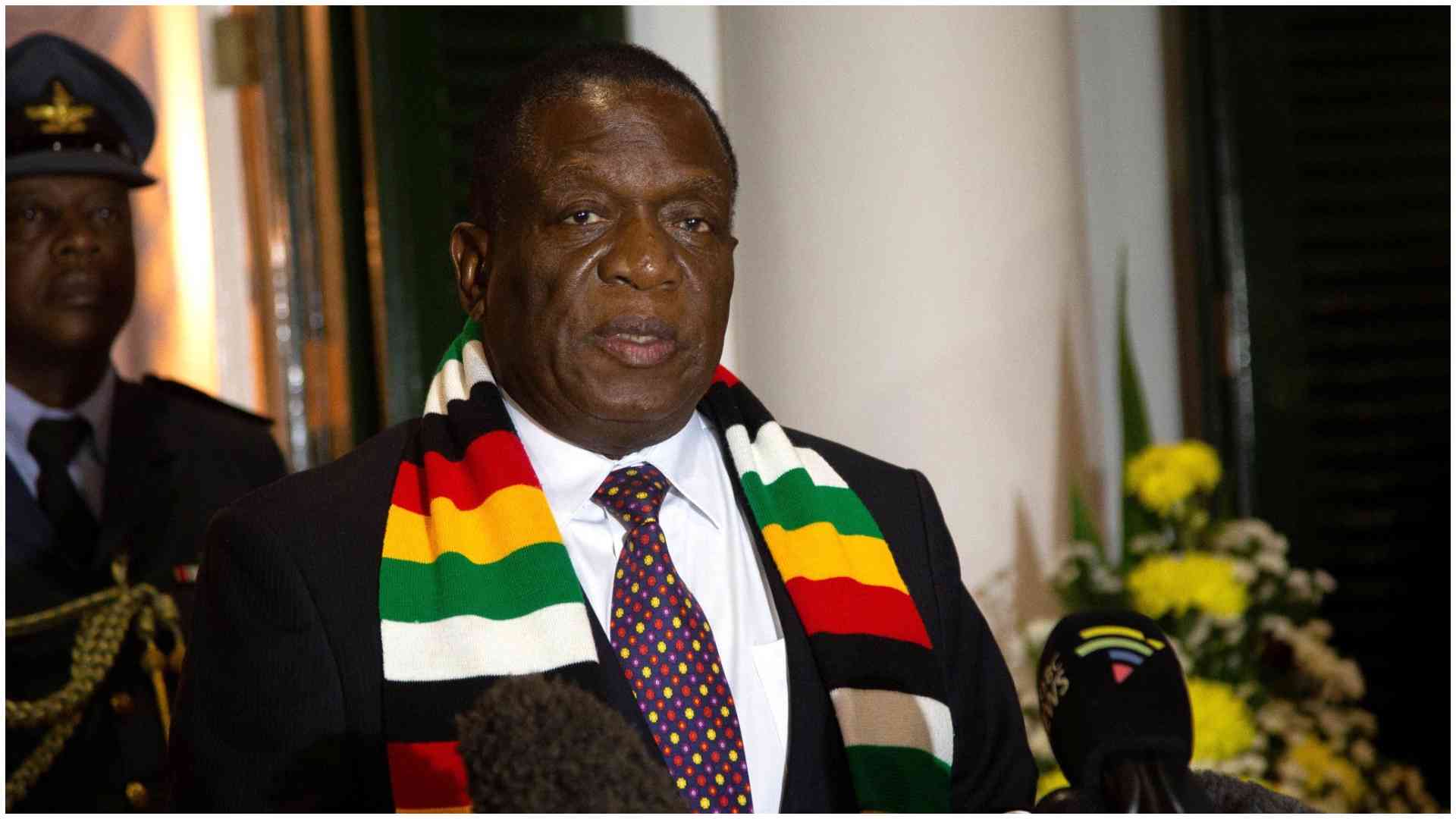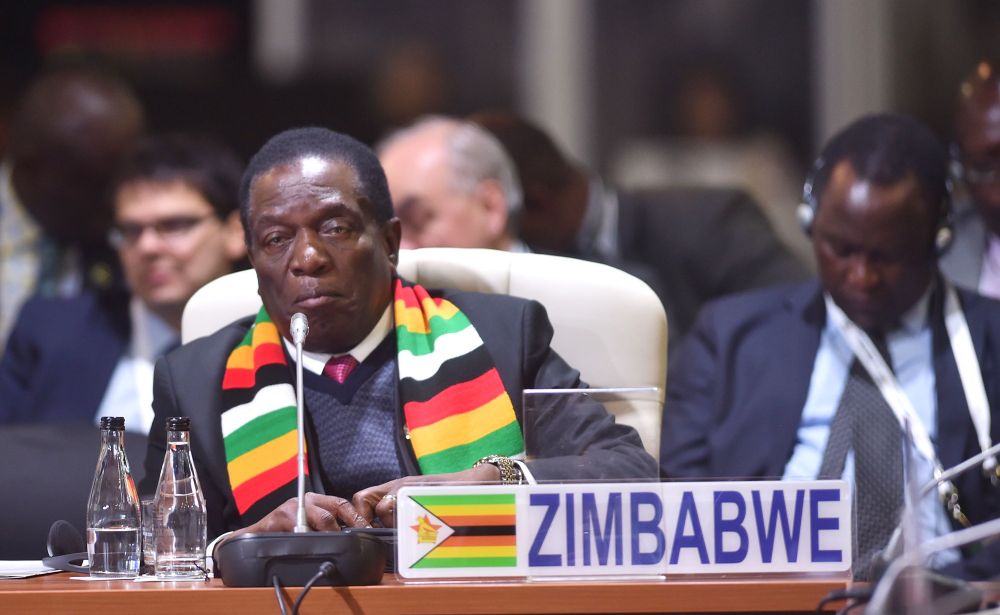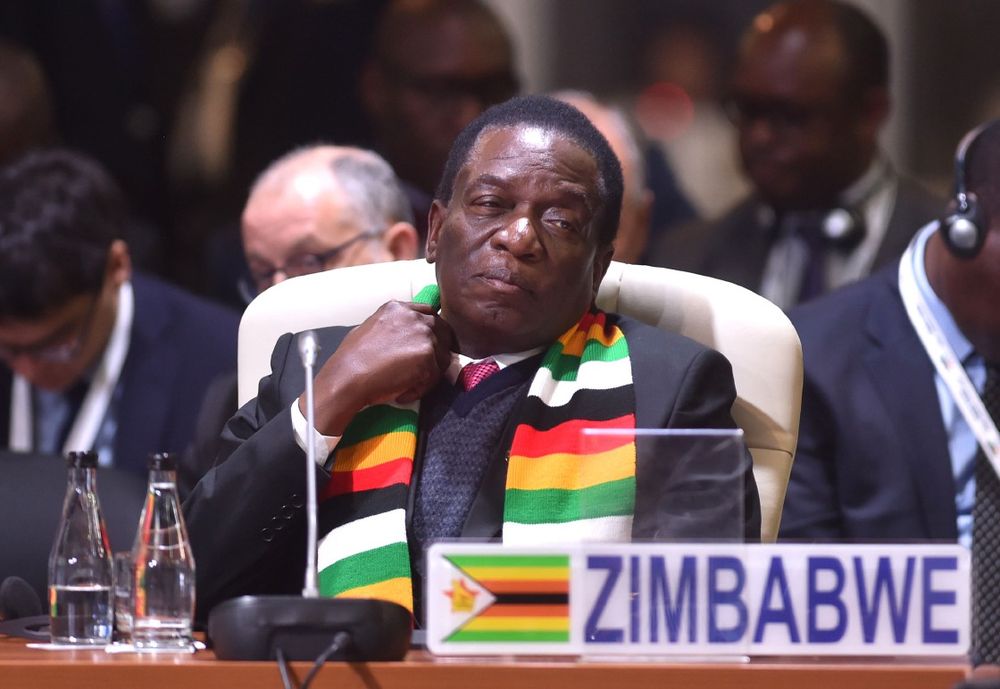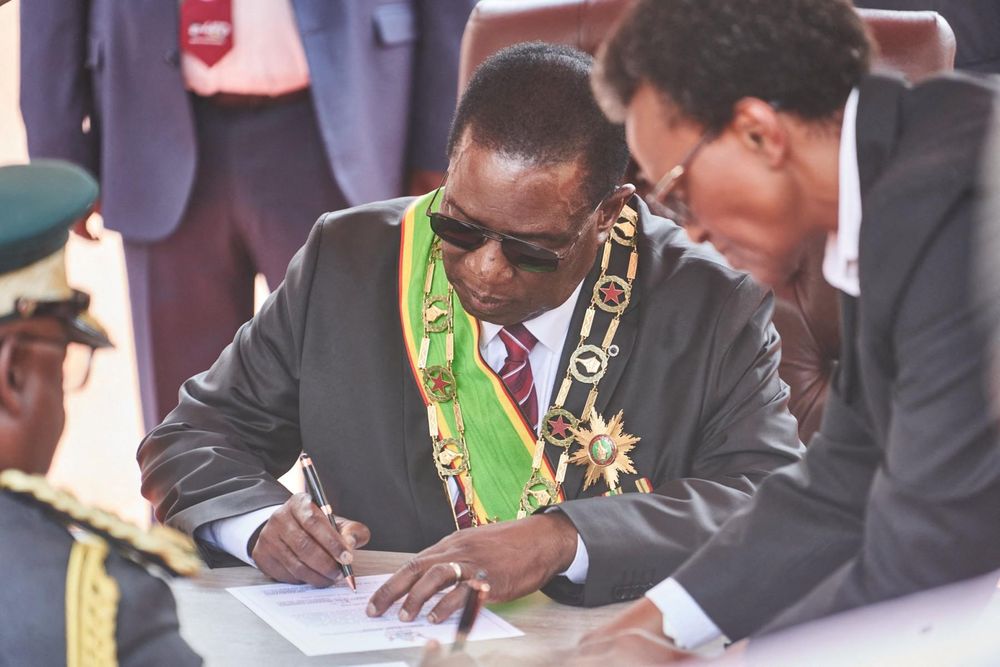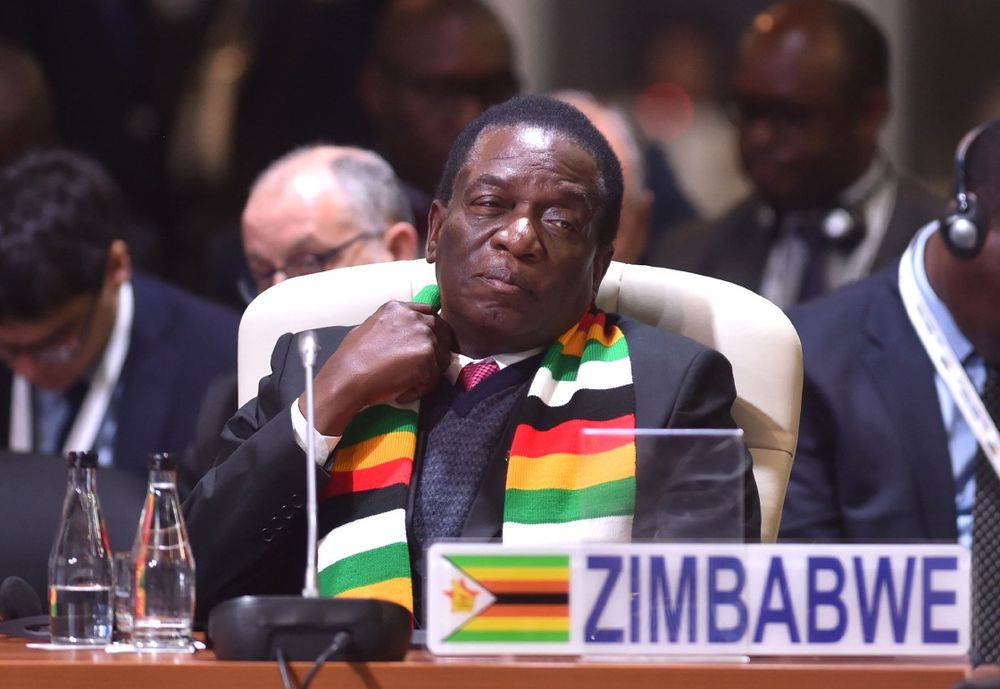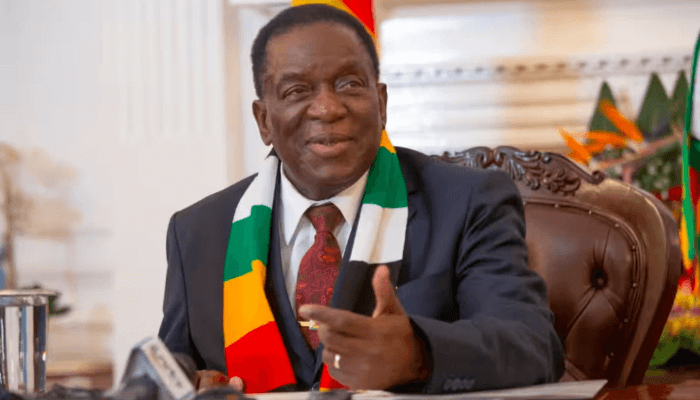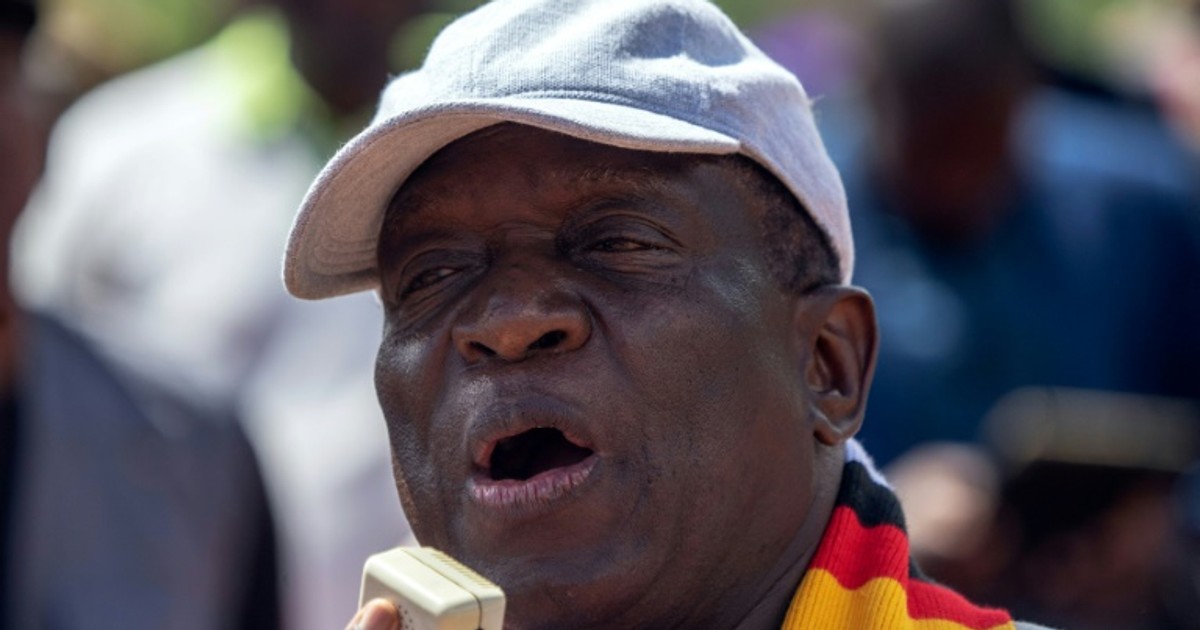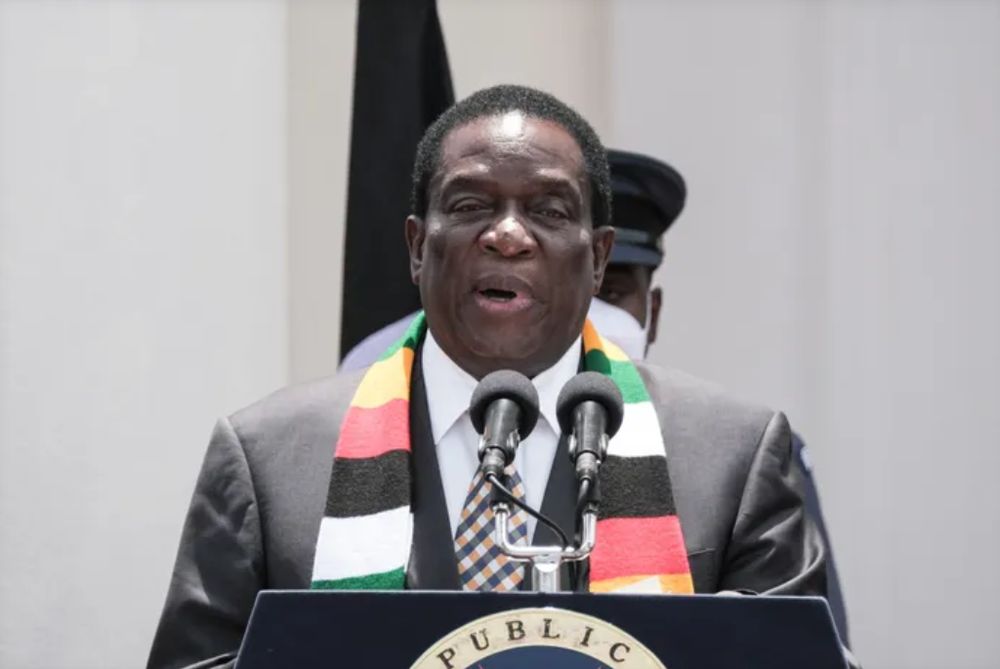
Zimbabwe's President Emmerson Mnangagwa secured 2 350 711 votes.
On 18 June 2026, Zimbabwe's National Assembly passed the Constitution of Zimbabwe Amendment (No. 3) Bill, with 216 lawmakers voting in favour, comfortably clearing the 187-vote threshold needed for a two-thirds majority. The bill's headline effect is structural: it would postpone elections due in 2028 to 2030 and extend President Emmerson Mnangagwa's term from five to seven years, while also shifting presidential elections from a direct popular vote to selection by Parliament.
This is not a minor procedural tweak. The amendment would also enlarge the Senate with ten presidential appointees, establish a new Electoral Delimitation Commission, transfer voters' roll functions to the Registrar-General, and repeal the Gender Commission and the National Peace and Reconciliation Commission, institutions originally designed as checks on executive power. Critics argue the package would erode the democratic gains of the 2013 Constitution and weaken checks and balances, while the government insists the changes are "constructive reforms" meant to strengthen democratic structures and promote long-term stability.
The process leading here has been anything but clean. Public hearings, a constitutionally mandated step, were marred by chaos: human rights lawyer Doug Coltart was assaulted and had his phone taken and glasses broken at a Harare hearing, while critics elsewhere were drowned out by boos, heckling and intimidation. Opposition figure Tendai Biti was detained on bail after allegedly holding an unsanctioned meeting opposing the amendments. Legal resistance has so far failed: court challenges from activists and liberation-war veterans were struck off the roll this week on technical grounds.