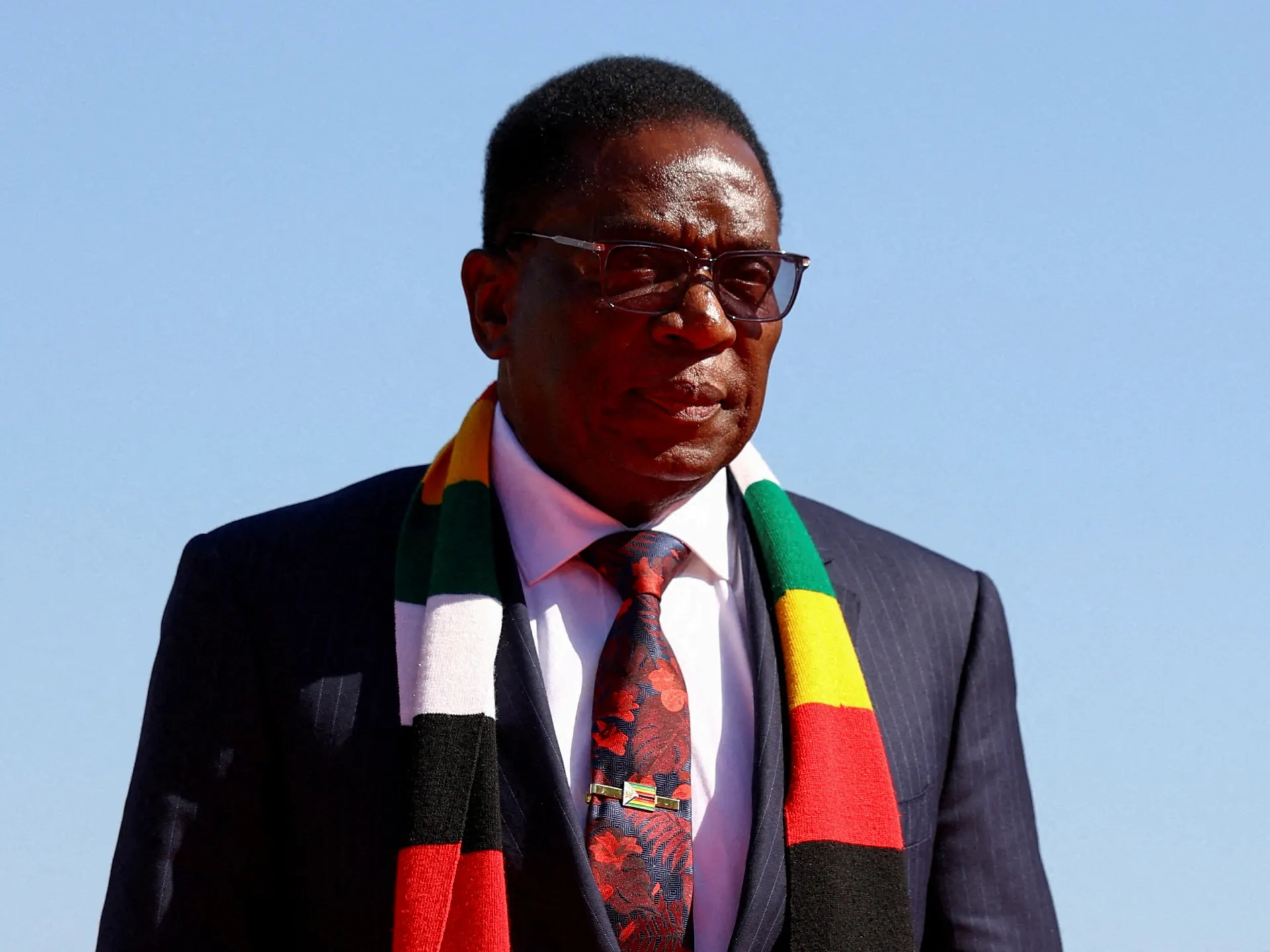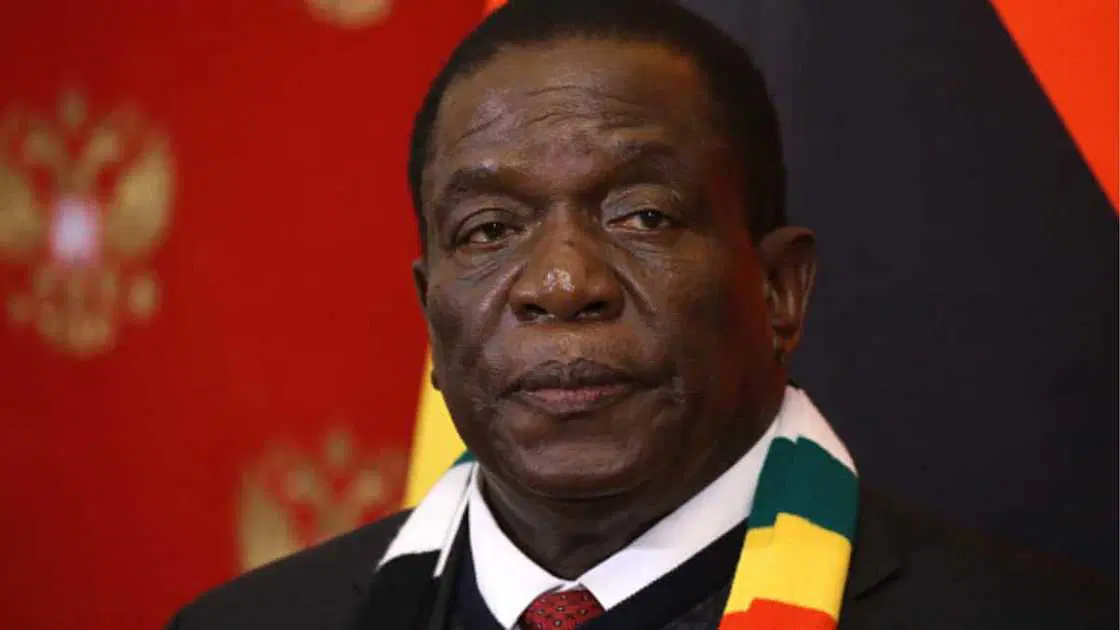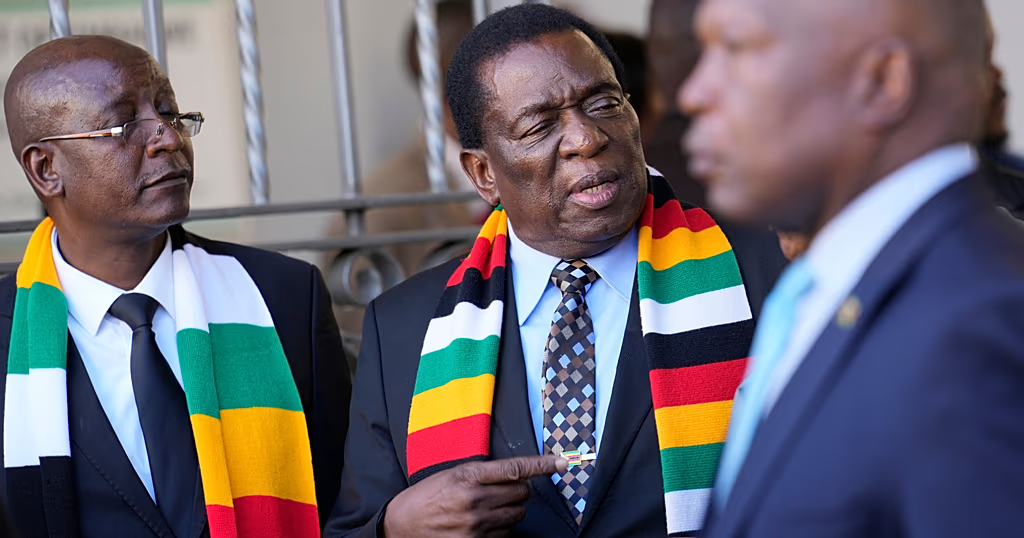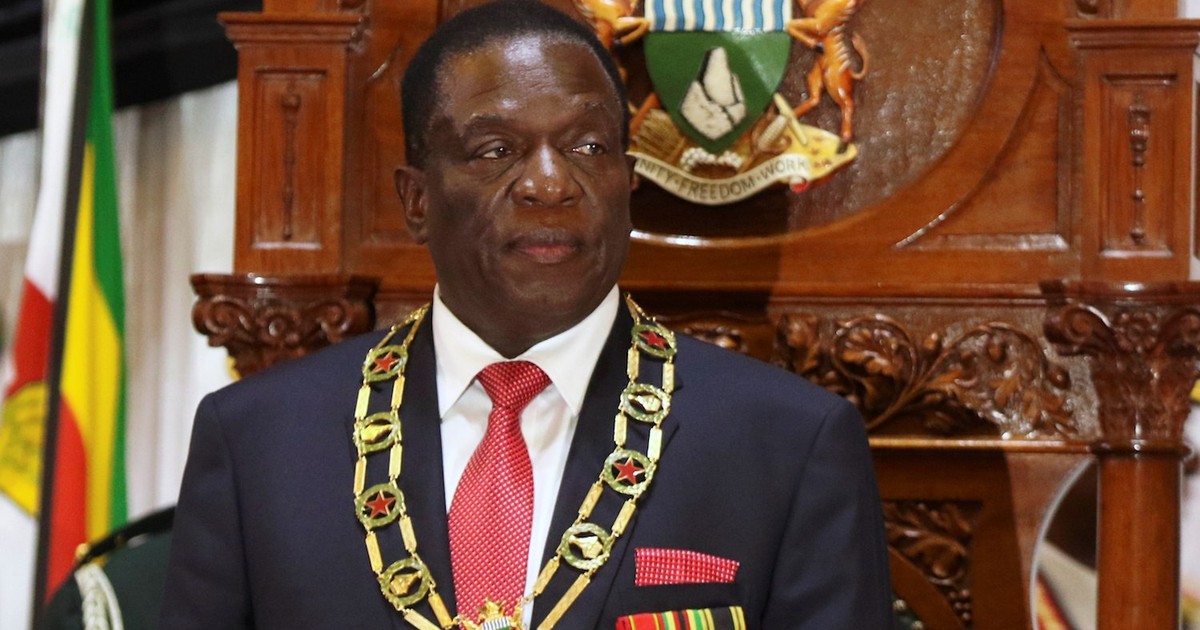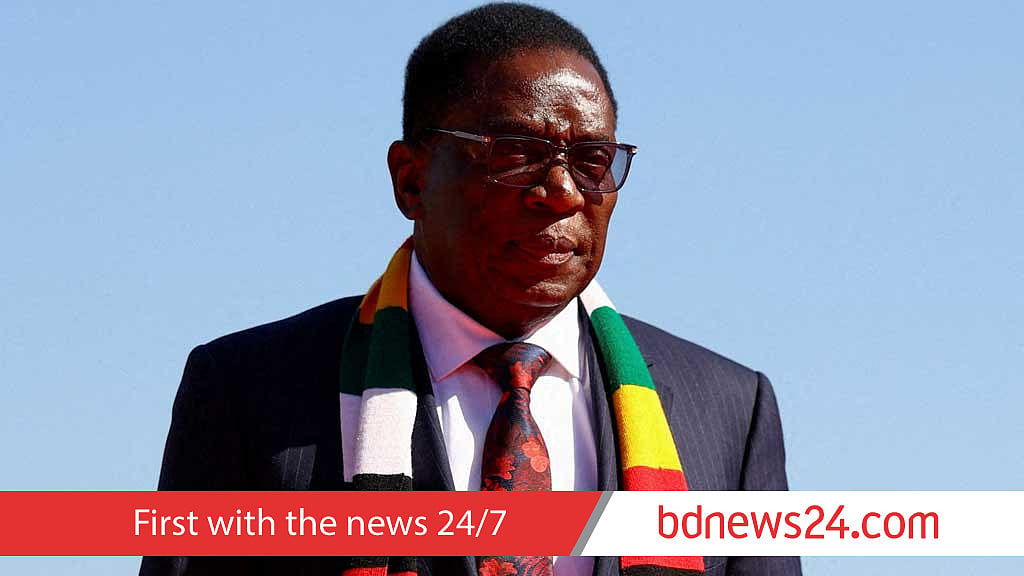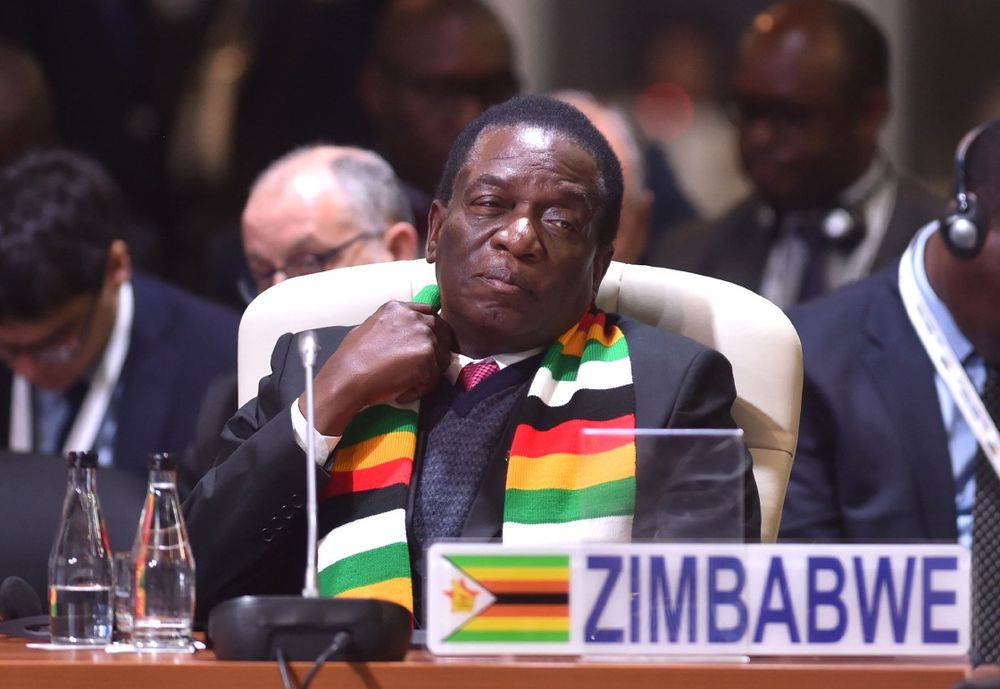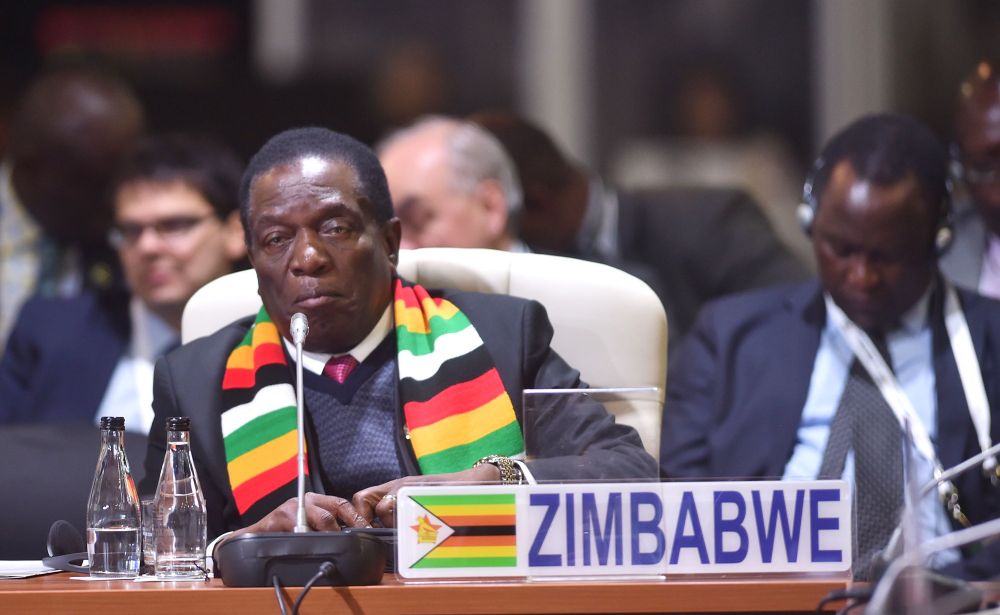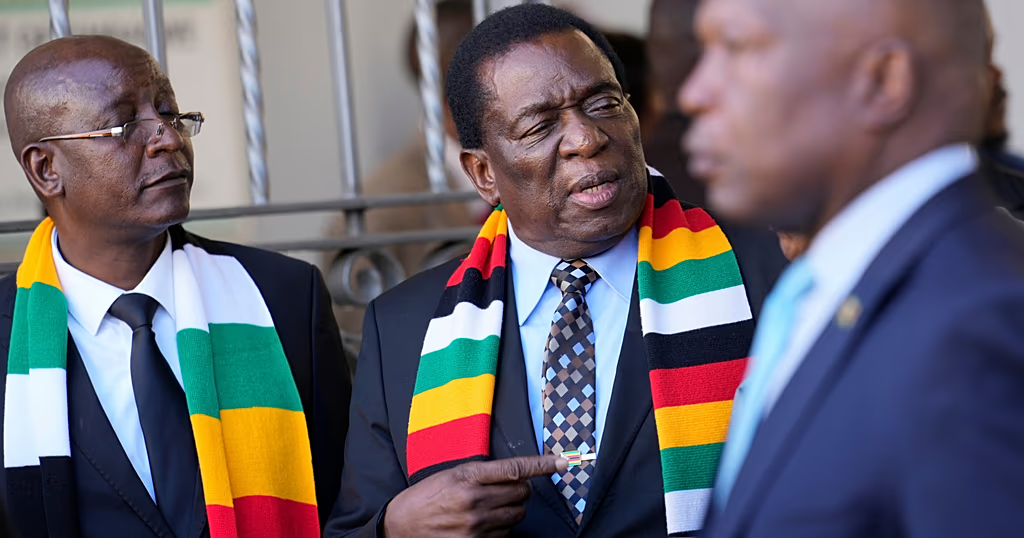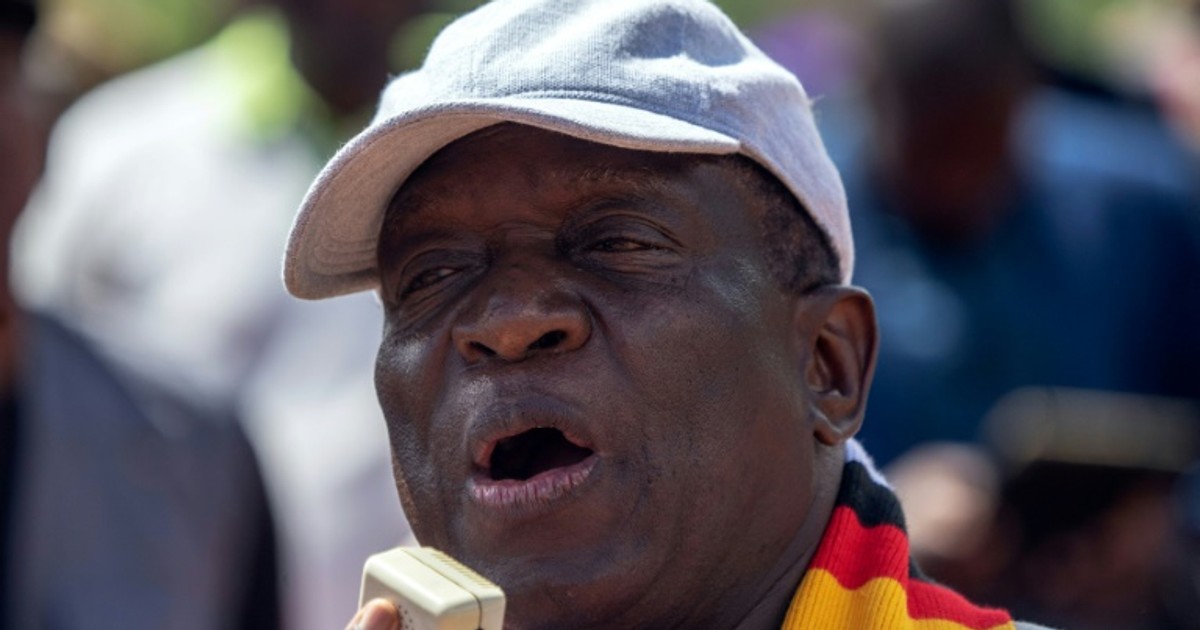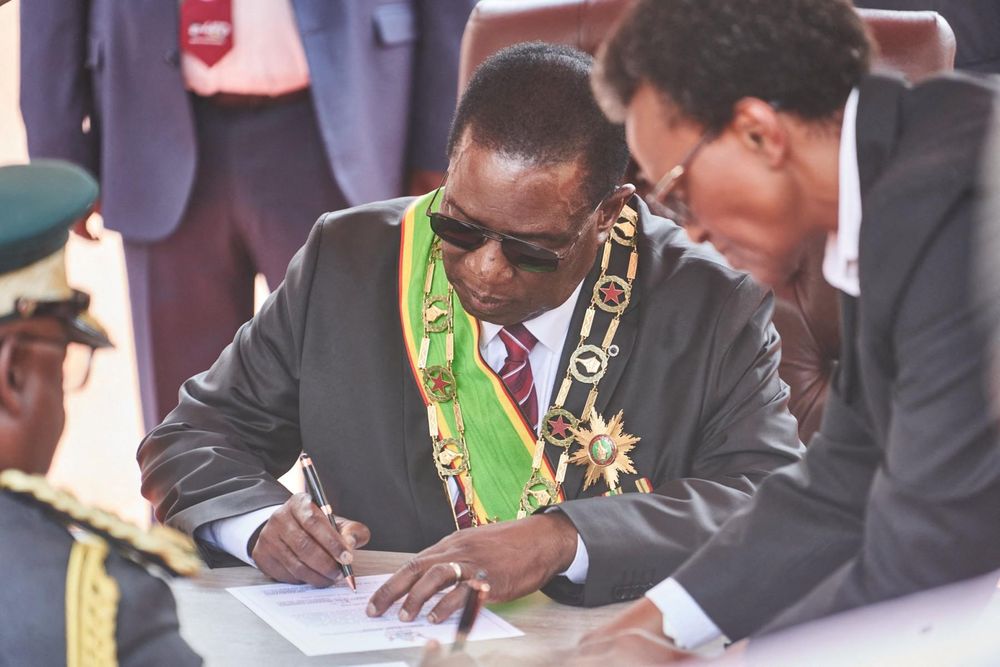
Emmerson Mnangagwa being sworn in as Zimbabwe's President in Harare on September 4, 2023. The way the government of Zimbabwe went about the amendment of the constitution was clearly an infringement on the principles of democratic change of government, says the writer.
Dr. Sizo Nkala
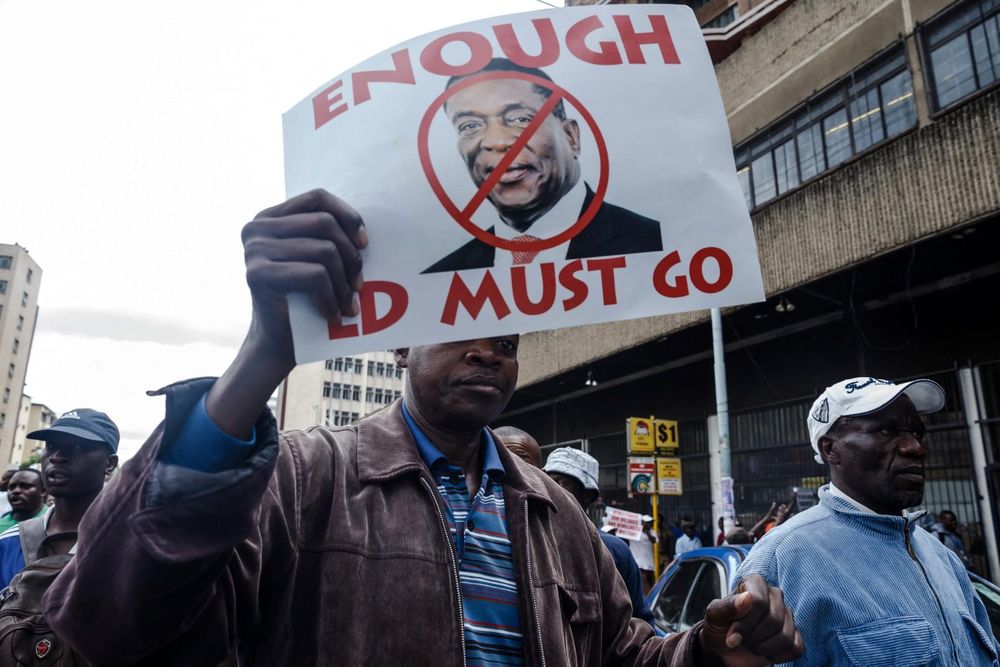
It was during Zimbabwe’s ruling party Zanu-PF’s annual conference in October 2024 that the intention to amend the country’s constitution to pave the way for the extension of the presidential term from five years to seven years was first officially adopted by the party through the so-called conference resolution number 1.
The former liberation movement unanimously resolved that “the President and First Secretary of ZANU PF Party, His Excellency, Cde. Dr E. D. Mnangagwa’s term of office as President of the Republic of Zimbabwe and First Secretary of ZANU-PF be extended beyond 2028 to 2030. The Party and Government should, therefore, set in motion the necessary amendments to the National Constitution to give effect to this resolution.”
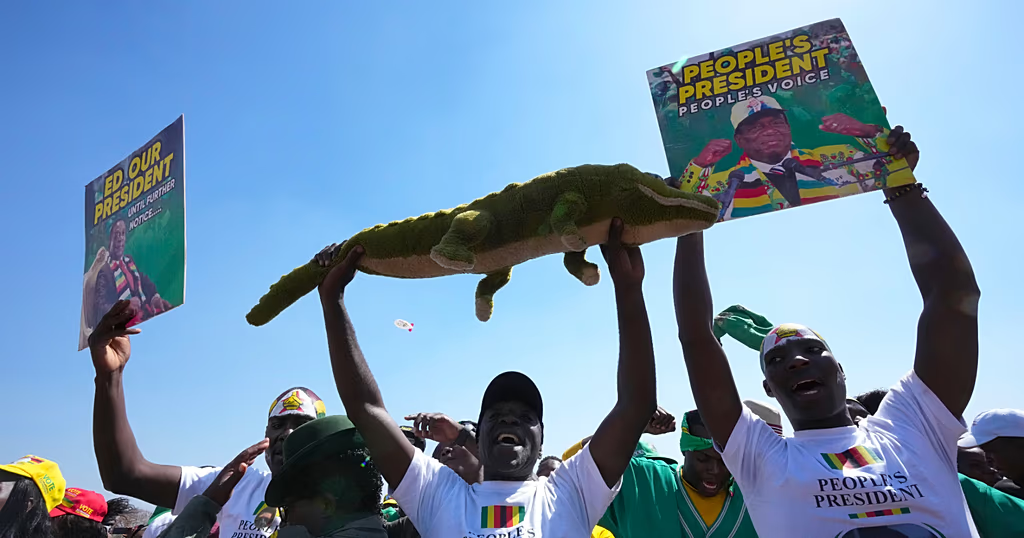
This was followed by a spirited campaign by President Mnangagwa’s most ardent supporters to sell the resolution to the public and push the Zanu-PF led government to formally kickstart the process of amending the constitution.