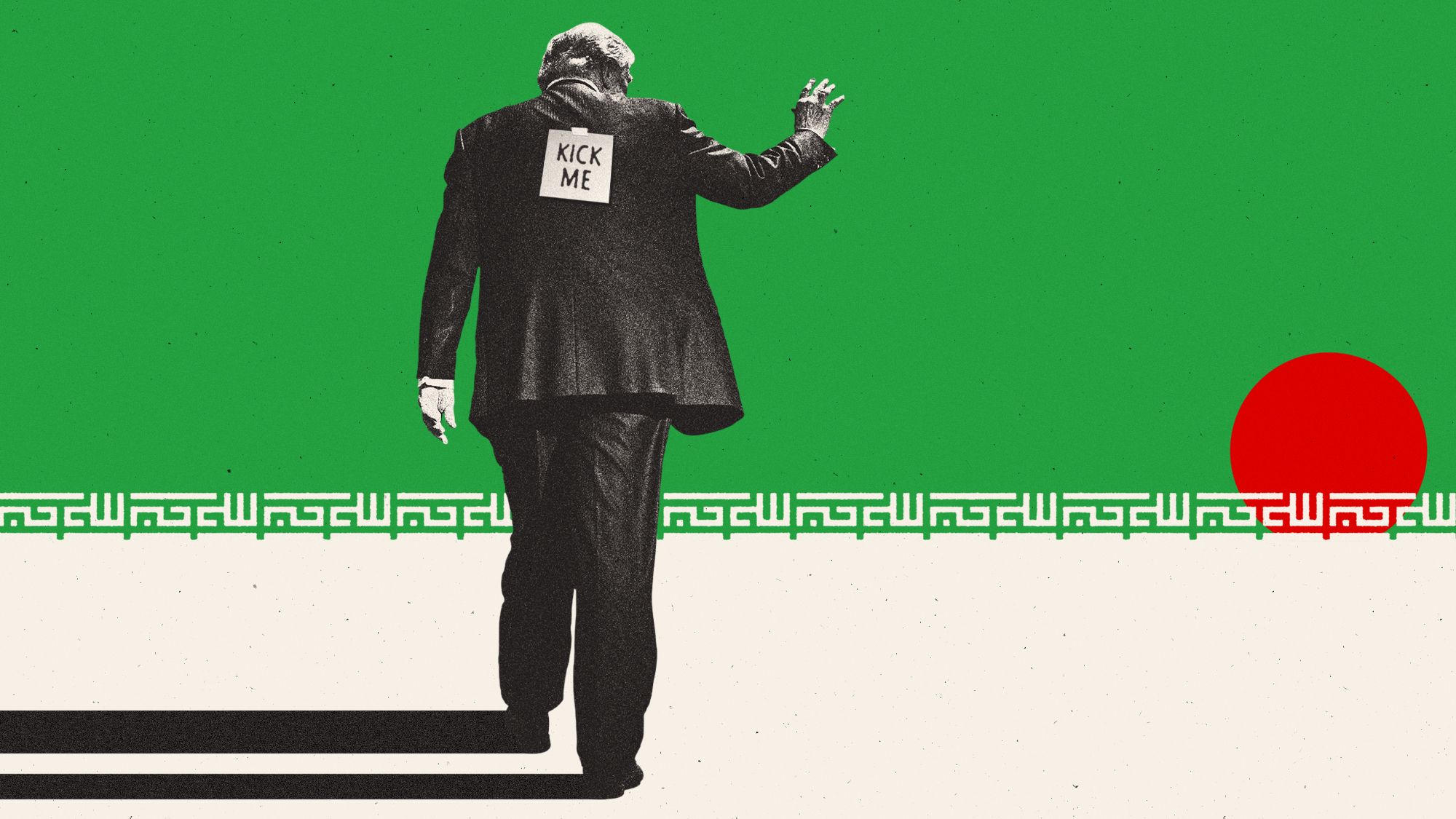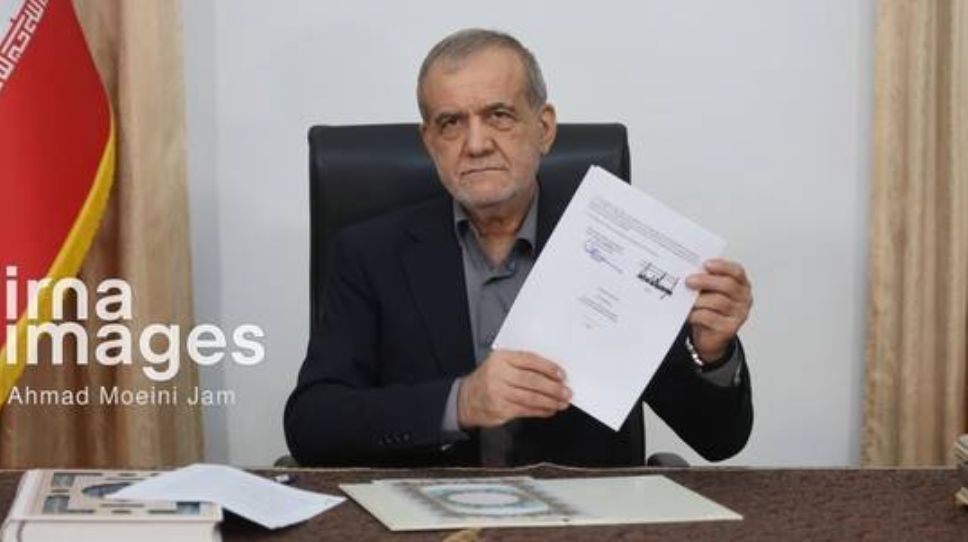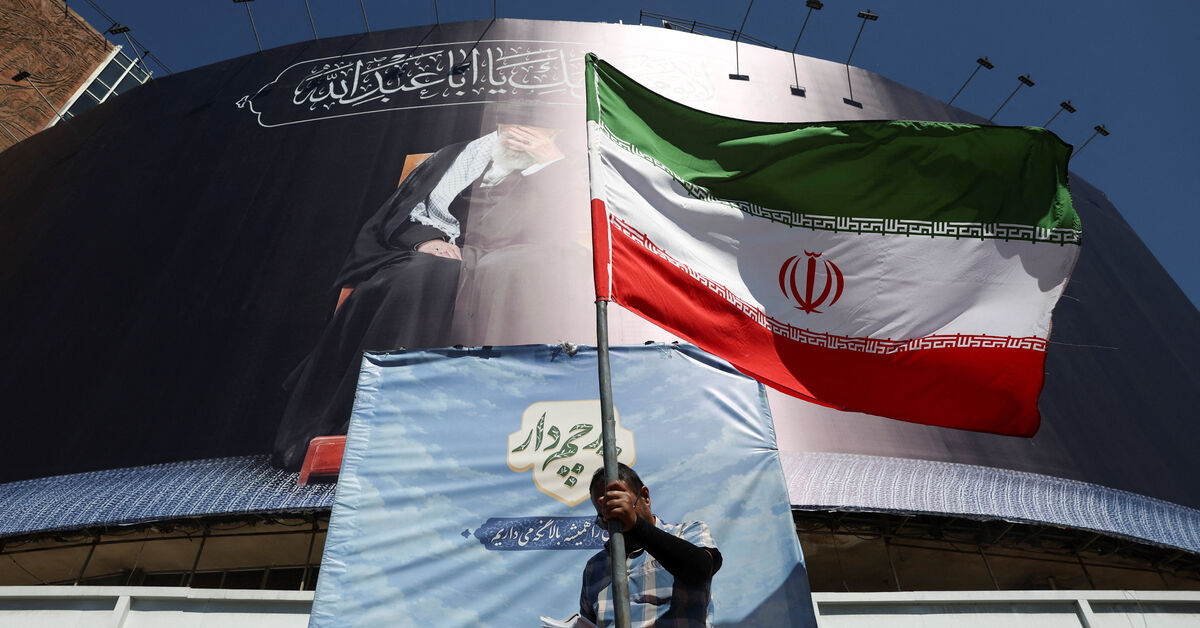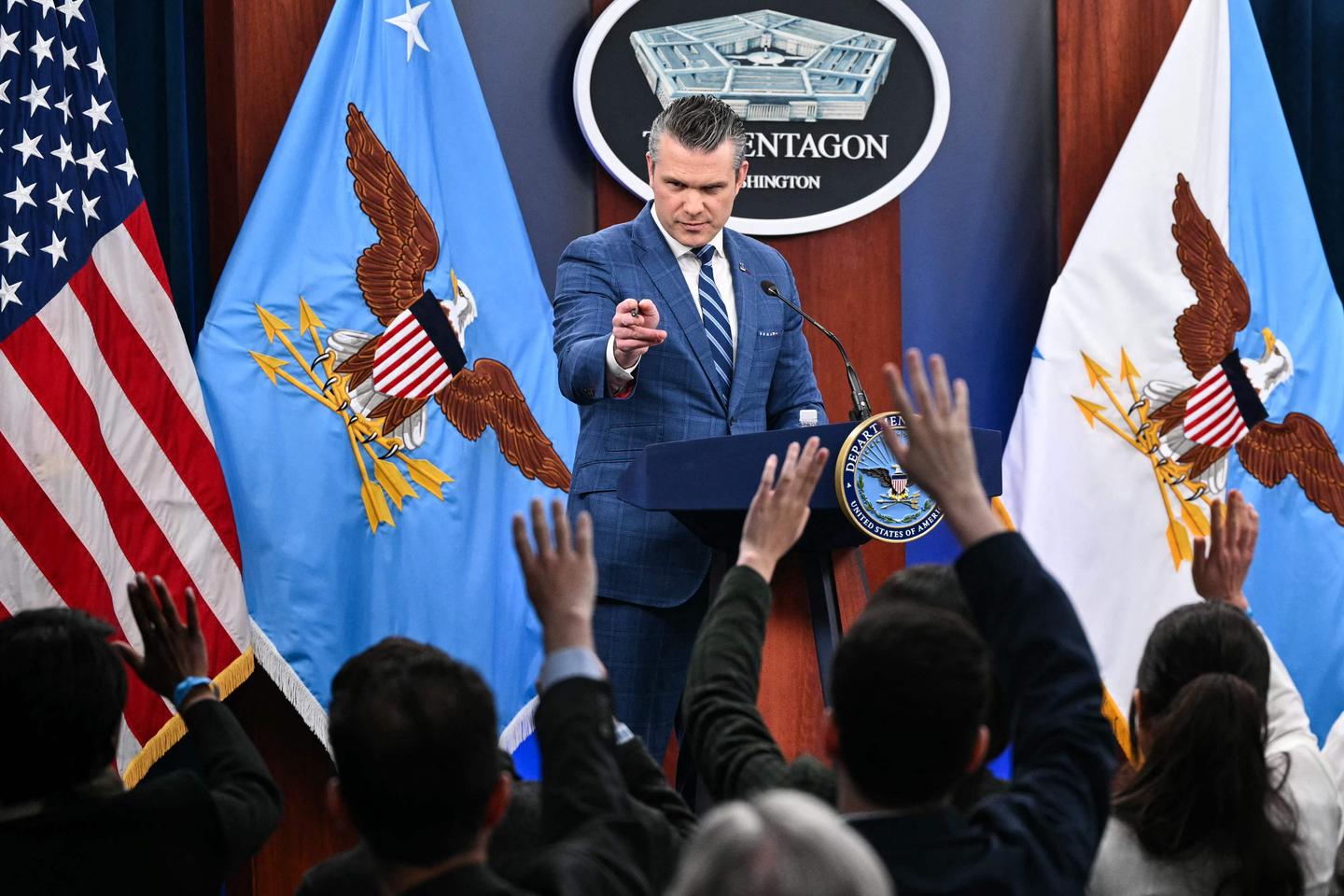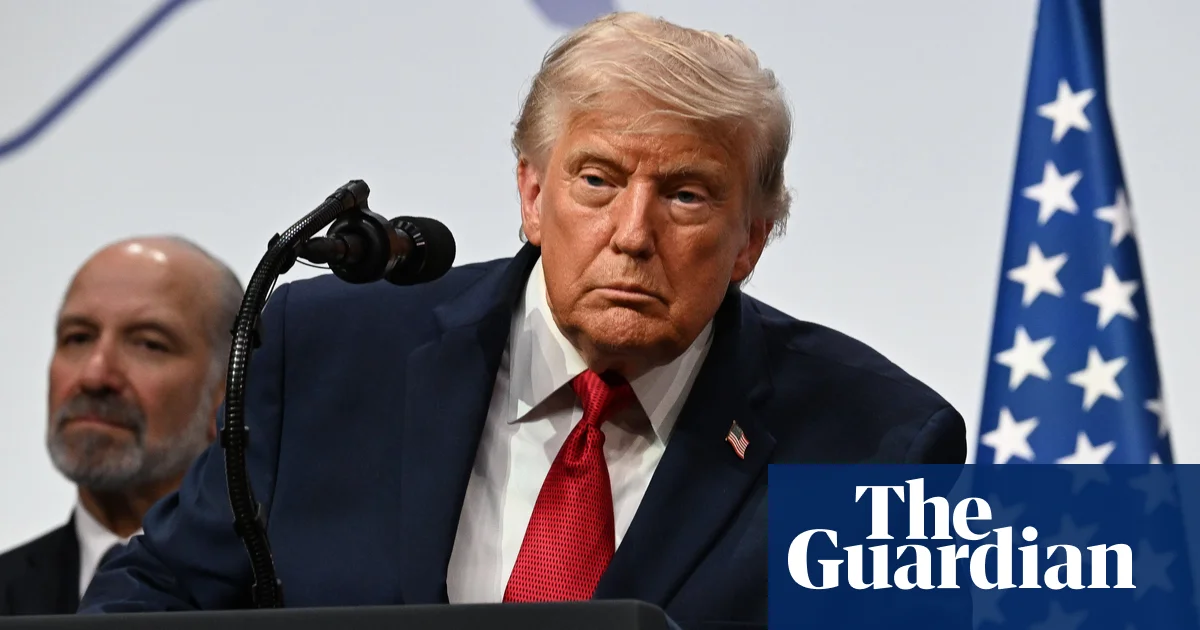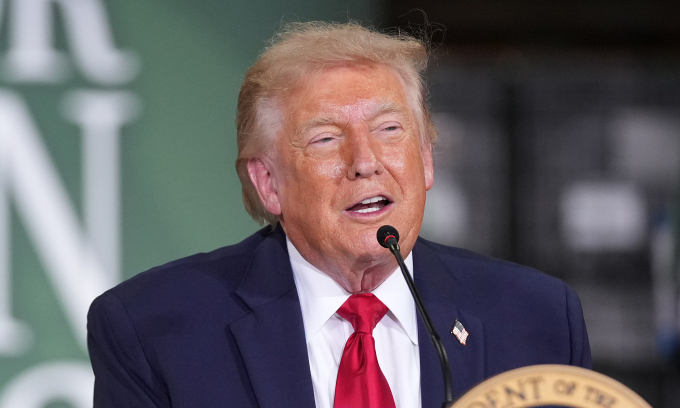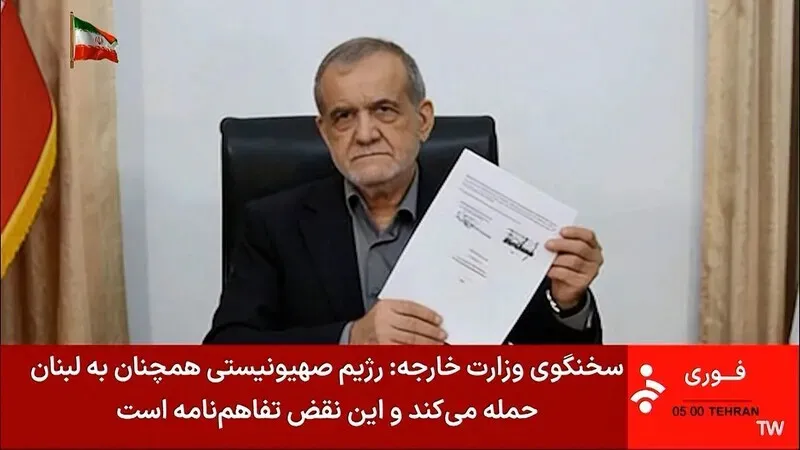
The US and Iran released the full text of their 14-point memorandum of understanding to end the war. Iran has managed to come out on top, having been promised a US$300 billion reconstruction fund and sovereign rights of the Strait of Hormuz in exchange for its pledge to “not procure or develop nuclear weapons.” This outcome amounts to a humiliating defeat for US President Donald Trump and is likely to have significant repercussions for East Asia, a region that has long relied on the US to maintain the strategic balance. Caught between the US and China, Korea is likely to face a difficult and perilous road ahead. Built on the premise that Tehran abandons its nuclear program, the MOU states that in exchange for Iran’s commitment to negotiating a final deal within 60 days, the US will end its naval blockade, remove its forces, and issue waivers to allow the export of Iranian crude oil. As soon as the memorandum enters effect, the US will allow Iran to access funds frozen and restricted by the US. Washington will also establish a reconstruction fund to support the prosperity of Iran following the war. As for the Strait of Hormuz, which directly connects to South Korea’s concerns about energy security, Iran has basically been promised total control over the strait in return for “using its best efforts” for the safe passage of vessels. A senior US administration official explained that this agreement was one that fundamentally “allows us to open the Strait of Hormuz immediately, commits the Iranians to destroying the nuclear stockpile, and then gives us a dial.” But there’s no denying that it represents significant concessions to Iran’s demands. Trump planned on solving the Iranian nuclear problem by annihilating its leadership and toppling the regime, but was unable to achieve his goal. Iran’s position on nuclear weapons remains largely unchanged from the stance it maintained during the negotiations that preceded the outbreak of the war. In a nutshell, the US waged a futile war, only to lose control over the Strait of Hormuz. Many have also criticized the agreement, contending that its provisions will be challenging to implement. This outcome appears to be nothing short of a disaster for us in Korea, a country that has relied entirely on the US for national security. The stark exposure of US vulnerabilities is likely to upset the fragile equilibrium that has governed US-China relations with regard to Taiwan.Just as the oil-producing Gulf states found themselves caught up in the conflict waged by the US and Israel and paid a heavy price, we too could be drawn into a war that is not of our making and suffer significant consequences. The more significant concern is the possibility that the United States could lose its willingness to remain engaged, setting the stage for its own decline.Korea must cultivate its strategic autonomy by cooperating closely with the US to regain wartime operational control over our military and secure the right to enrich uranium, while simultaneously maintaining close communication with China.
[Editorial] Trump’s defeat in Iran raises stakes for Korea
The stark exposure of US vulnerabilities is likely to upset the fragile equilibrium in East Asia
505 words~2 min read