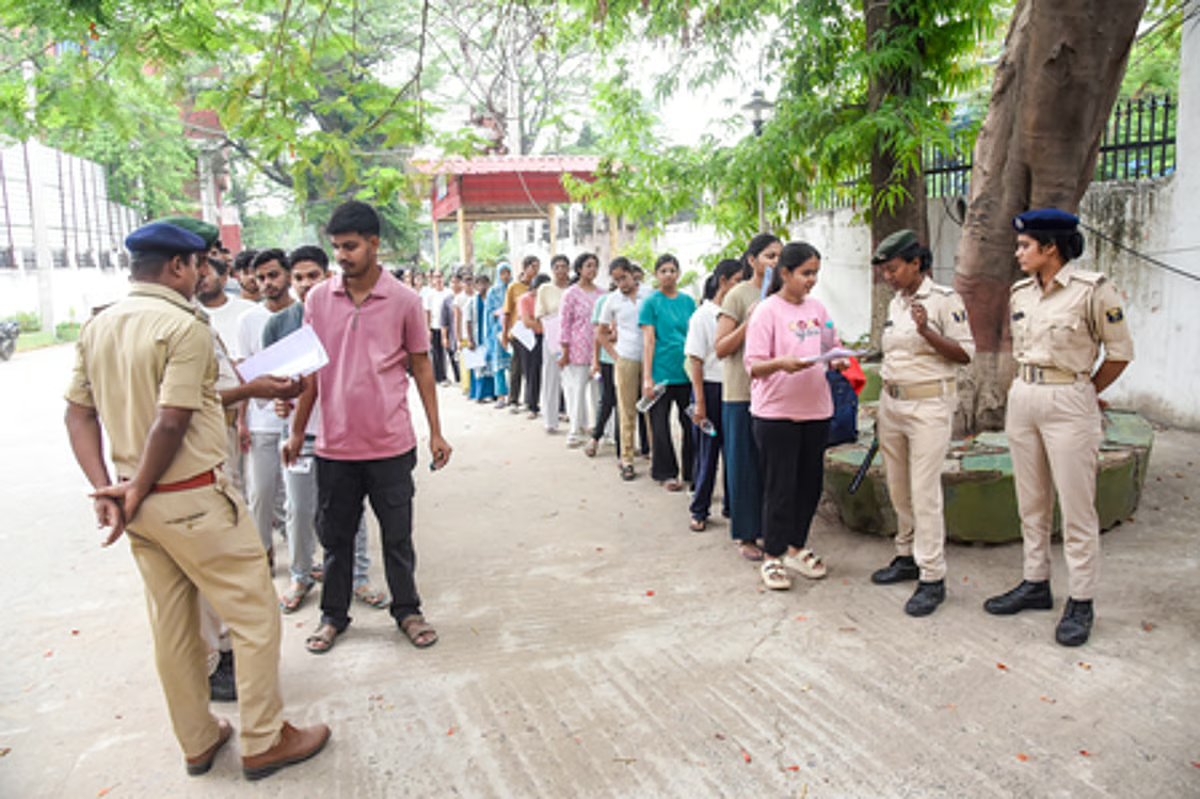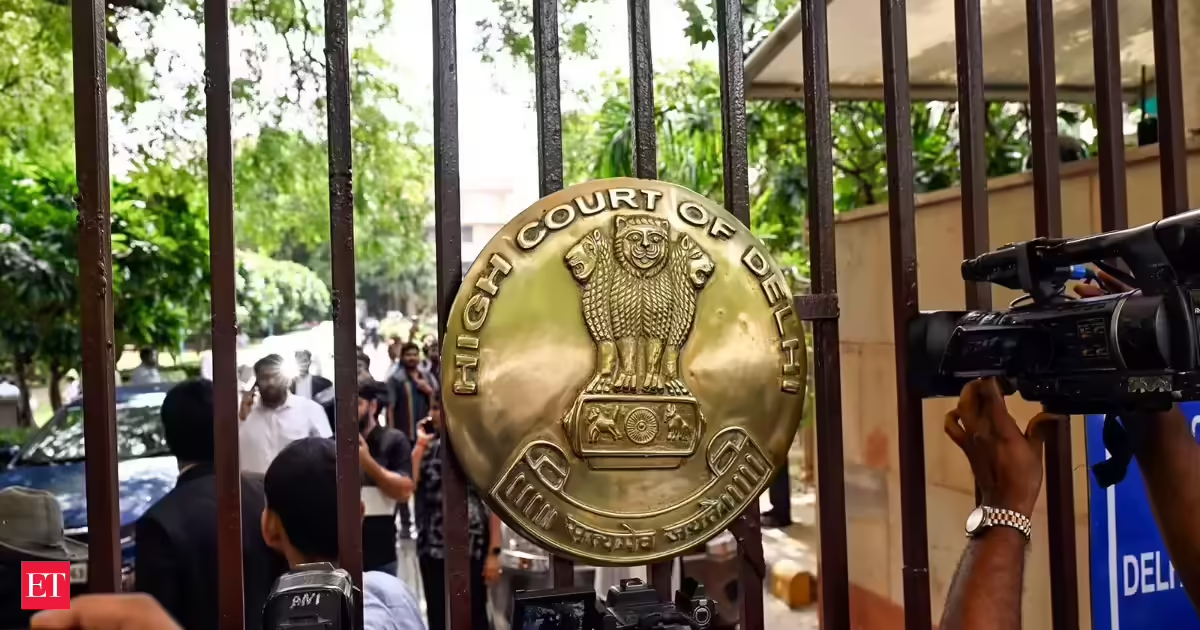
The Delhi High Court on Friday backed the government’s decision to block Telegram temporarily ahead of the NEET-UG 2026 re-exam. The court called the Centre’s move justified and proportionate, considering authorities were worried about cheating rackets using the app to leak exam papers and organize malpractice. This decision comes as the investigation into the NEET paper leak continues - a scandal that led to cancelling the original exam and holding a fresh one.Justice Tejas Karia turned down Telegram’s plea against the ban. He said the block was narrowly targeted and, under Section 69A of the IT Act, 2000, was the least restrictive choice available to the government given the circumstances.Key TakeawaysDelhi High Court has upheld the Centre's temporary restriction on Telegram ahead of the NEET-UG 2026 re-examination.The Court ruled that the government's action under Section 69A of the IT Act was proportionate and represented the least restrictive option available.Telegram argued that it had been unfairly targeted and had already removed more than 900 links linked to unlawful NEET-related content.The Centre defended the move, citing concerns that organised cheating networks were using the platform during the NEET-UG controversy.Telegram access will remain restricted until June 22, while the platform's message-editing feature for previously posted messages will remain disabled until June 30.Court says government's action was proportionateThe dispute started when the Ministry of Electronics and Information Technology (MeitY) ordered a temporary block on Telegram after the National Testing Agency (NTA) raised concerns. The government claimed Telegram was being used by organized groups pushing out leaked question papers and other illegal material tied to the NEET-UG mess.After reports of leaks and irregularities, the NEET-UG exam held on May 3 was cancelled. The CBI is now investigating the whole situation, and officials say the Telegram block was just a preventive measure ahead of the retest.While handing down the judgment, the court made it clear - the government’s move wasn’t excessive. “These steps are the least restrictive way forward. The order isn’t disproportionate,” the court said, dismissing Telegram’s opposition. This means Telegram will stay blocked until at least June 22.Telegram says it was singled outTelegram pushed back during the case, insisting the government unfairly targeted it while other messaging apps kept running with no restrictions. The company said this violated Article 14 of the Constitution and failed the test of proportionality. Telegram also argued that it had been working with agencies and quickly took down flagged content.Telegram showed it had stayed in touch with authorities since May and responded fast to any specific requests. For example, when officials gave Telegram certain web addresses on June 9, the company deleted that content in less than an hour. Telegram said it removed over 900 links related to illegal NEET content, using a mix of AI, machine learning, and human moderators to keep things clean.On top of that, Telegram claimed it answered all questions about its content moderation and platform setup while staying within Indian rules.Debate over Section 69A powersThere was a heated back-and-forth in court about whether blocking Telegram was fair under Section 69A. Senior lawyer Dhruv Mehta (for Telegram) challenged the government’s reasoning, saying authorities hadn’t thought things through enough before hitting the block button.He pointed to the language in the blocking order: “The order says it’s in the interest of the sovereignty and integrity of India. NEET is going to shake the sovereignty and integrity of India? Where’s the application of mind?”Telegram pressed the point that it kept authorities in the loop and acted fast when asked—removing unlawful posts tied to NEET in hours and deleting hundreds of links.The Centre, though, stood by its decision. Solicitor General Tushar Mehta argued they’d taken the least restrictive steps possible to prevent new leaks and protect the exam process. They also said there were concerns about Telegram’s platform design, which made preventive action necessary.Centre defends preventive measuresAttorney General R. Venkataramani backed the Centre, saying the temporary block was all about preventing more leaks - not punishing Telegram. The government said it acted based on the real risk of more organized cheating if nothing was done until the new exam finished.Besides blocking Telegram until June 22, the authorities also told the company to turn off its message-editing feature for old messages until June 30. Officials said this helps stop people from tampering with key content during the probe and the retest period.Why this ruling matters for tech companiesThis judgment will get attention from digital platforms, tech giants, and legal experts. It touches on the tricky balance between letting platforms operate freely and letting the government step in when needed - especially in cases involving public institutions and big scandals.The decision also shows how the government might turn more often to Section 69A when online platforms are misused and public interests are at stake. For tech companies in India, it’s another reminder - content moderation and working with authorities isn’t optional anymore, and regulatory scrutiny is only getting sharper.With the High Court now upholding the Centre’s temporary ban, this case sets a marker. Expect future disputes about tech platforms and emergency government measures to lean on this decision as a guide.Frequently Asked Questions1. Why did the government block Telegram?The government said Telegram was being used by cheating groups in the NEET-UG scandal to share leaked exam content.2. What was Telegram’s main argument?Telegram argued that it was unfairly targeted while other platforms faced no restrictions, and claimed the block violated Article 14.3. How much NEET content did Telegram delete?Telegram told the Court it took down over 900 links related to illegal NEET content.4. What did the Court say about how proportionate the ban was?The Court said the government took the least restrictive approach possible, so the action wasn’t excessive.5. What’s Section 69A of the IT Act?Section 69A lets the government block online content or services in certain circumstances, following official rules.6. Is Telegram banned for good?No. The restriction runs until June 22 for now.7. Why does this matter for tech companies?Because it sets a precedent. The judgment will shape how authorities, platforms, and the courts handle emergency bans and platform responsibilities in future crises.end of article
Delhi HC upholds Centre's temporary Telegram block in NEET-UG paper leak case
The Delhi High Court on Friday backed the government’s decision to block Telegram temporarily ahead of the NEET-UG 2026 re-exam. The court called the Centre’s move justified and proportionate, considering authorities were worried about cheating rackets using the app to leak exam papers and organize malpractice. This decision comes as the investigation into the NEET paper leak continues - a scandal that led to cancelling the original exam and holding a fresh one.Justice Tejas Karia turned down Telegram’s plea against the ban.
Delhi HC upheld Telegram's block under Section 69A to prevent NEET cheating networks leaking exam papers. For tech managers, the ruling confirms India will enforce emergency platform shutdowns for public interest—compliance and government cooperation override autonomy.