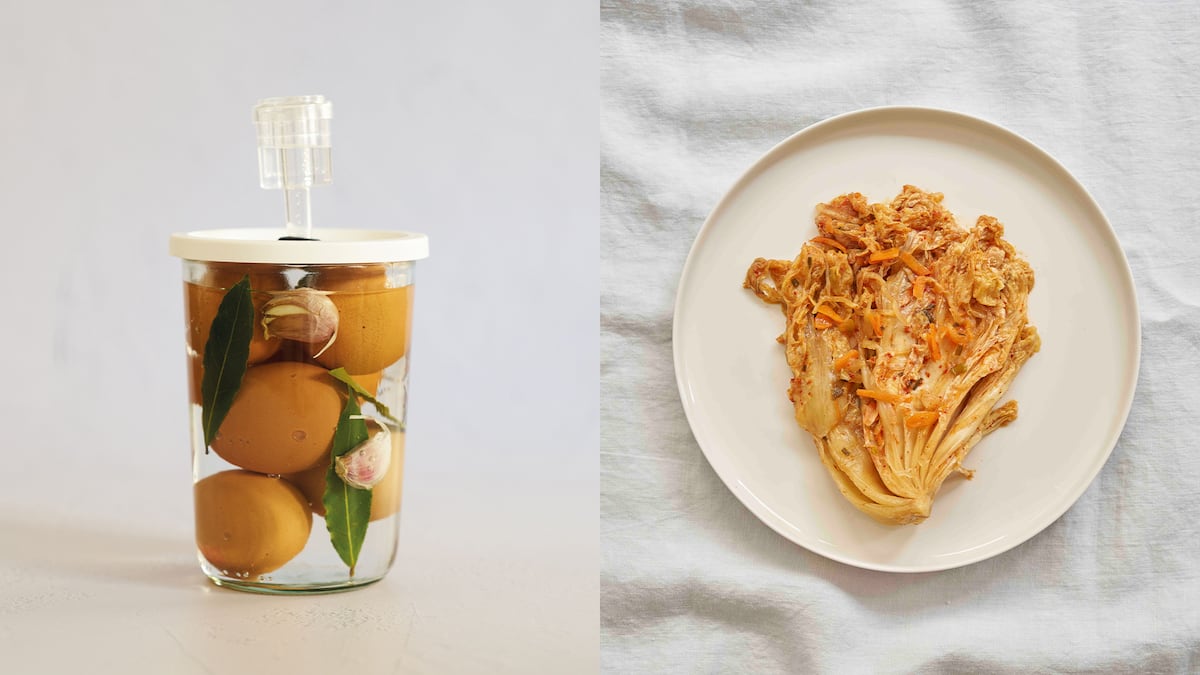
Fermentation, flavour and the future of food: Making sustainability delicious
At the Yondu Culinary Studio in Lower Manhattan, chef Jaume Biarnés demonstrates how to coax deep, savoury flavour from a handful of vegetables.He believes that the centuries-old technique of Korean fermentation holds part of the answer to one of the most pressing questions of our time: how to feed a growing global population without exhausting the planet.“Korea has the highest vegetable consumption in the world, and it's because they use fermentation to make vegetables taste delicious,” he says. “If we want people to eat more vegetables and eat more sustainably, it's got to be through pleasure and fun.”Going green without going bustFor Mr. Biarnés, who used to work at the legendary El Bulli in Spain – voted the world's best restaurant five times – sustainability is not a trend but a fundamental part of being a chef and running a kitchen.In an industry where costs are high and margins are tight, any “green” initiative must make economic sense. “Sustainability is being able to secure the resources for the future so you can continue to be in operation,” explains Mr. Biarnés. “At a restaurant level, this means being economically sustainable. At a global level, as a species, it means the same thing.”