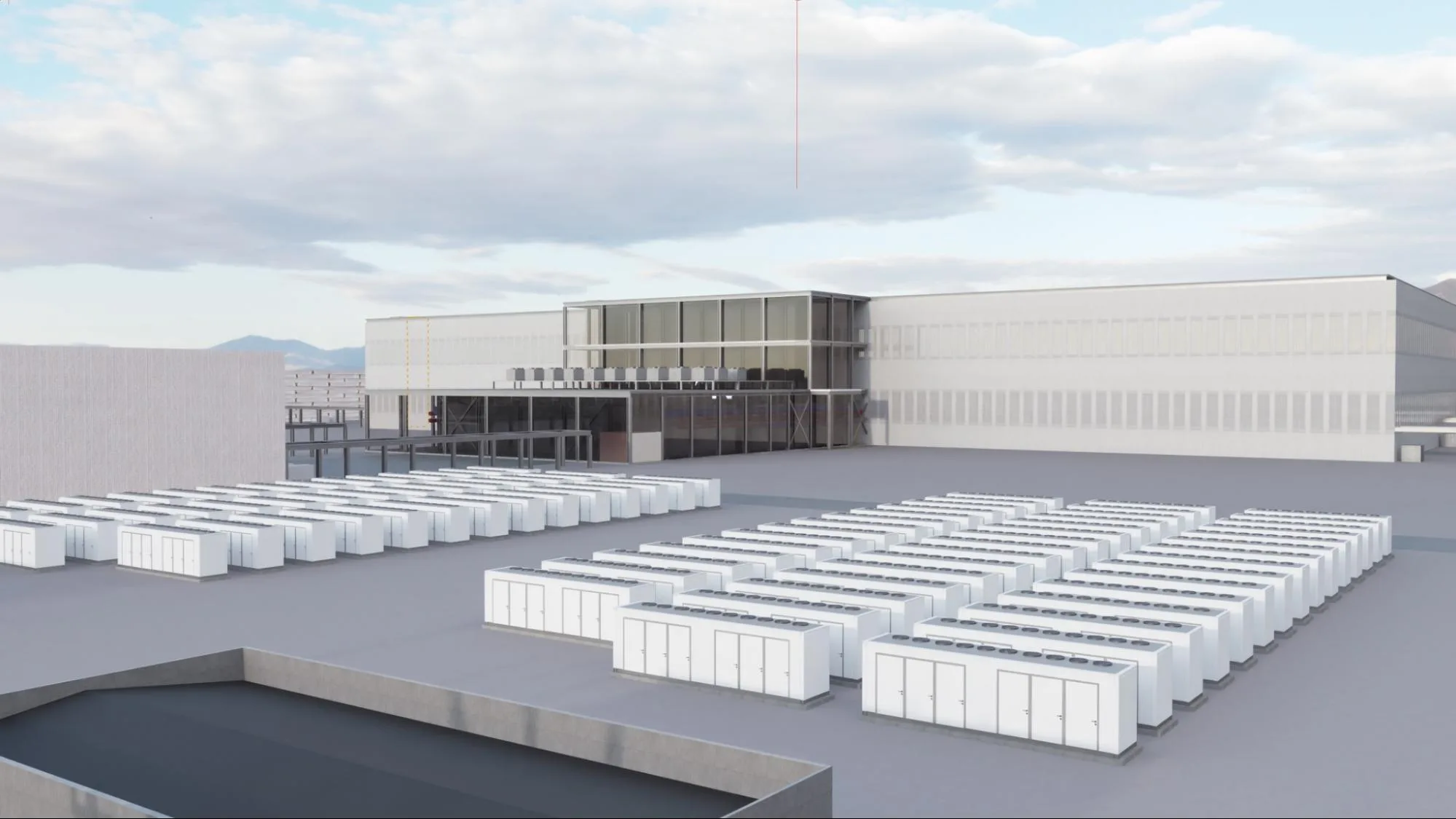
AI is not creating a single new data center power problem. It is creating multiple power profiles. Large-scale training workloads can produce fast, synchronized demand swings across GPU clusters, while inference workloads are often more distributed, latency-sensitive, and site-dependent. For UPS battery selection, that distinction matters.
In some instances, UPS energy storage must be specified not only for the scale of power demand, but also for the speed at which demand can change. AI training data centers may require systems capable of supporting fast, repeated high-power transients as part of a wider dynamic load-response strategy.
However, some AI data centers may also benefit from established UPS battery technologies, including advanced lead-acid. Unlike training, inference applications may not create the same synchronized cluster-level peaks as large training runs, suggesting some existing data center sites could be suitable for inference-oriented retrofits, depending on power density, cooling, network latency, redundancy, and operational requirements.
In the AI era, the right UPS battery choice is less about choosing a single preferred chemistry and more about matching technology to workload behavior, site constraints, and resilience requirements.