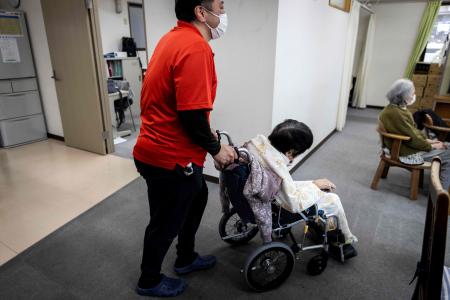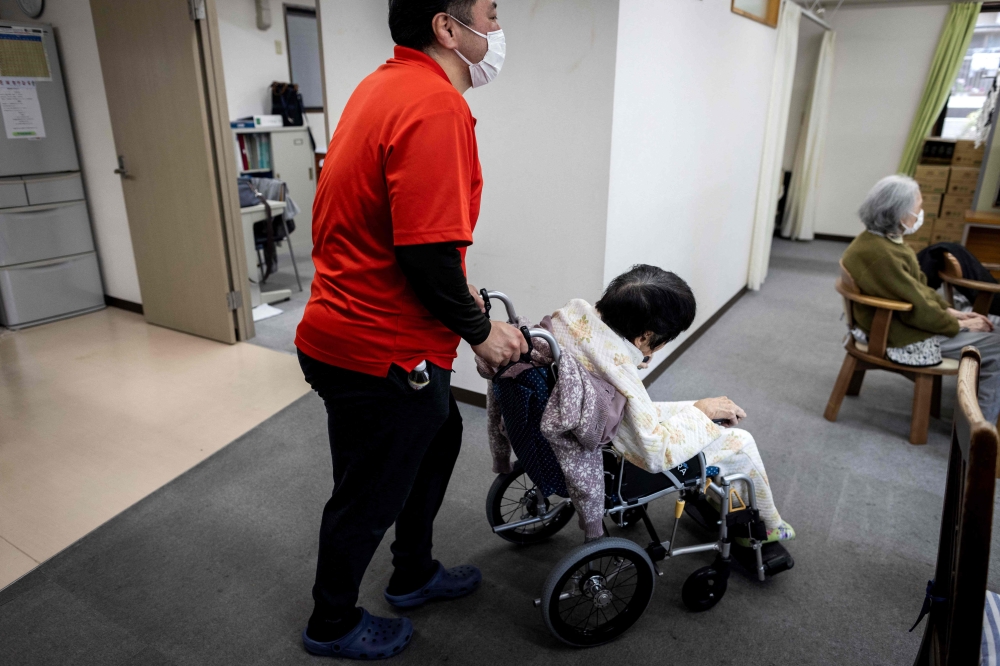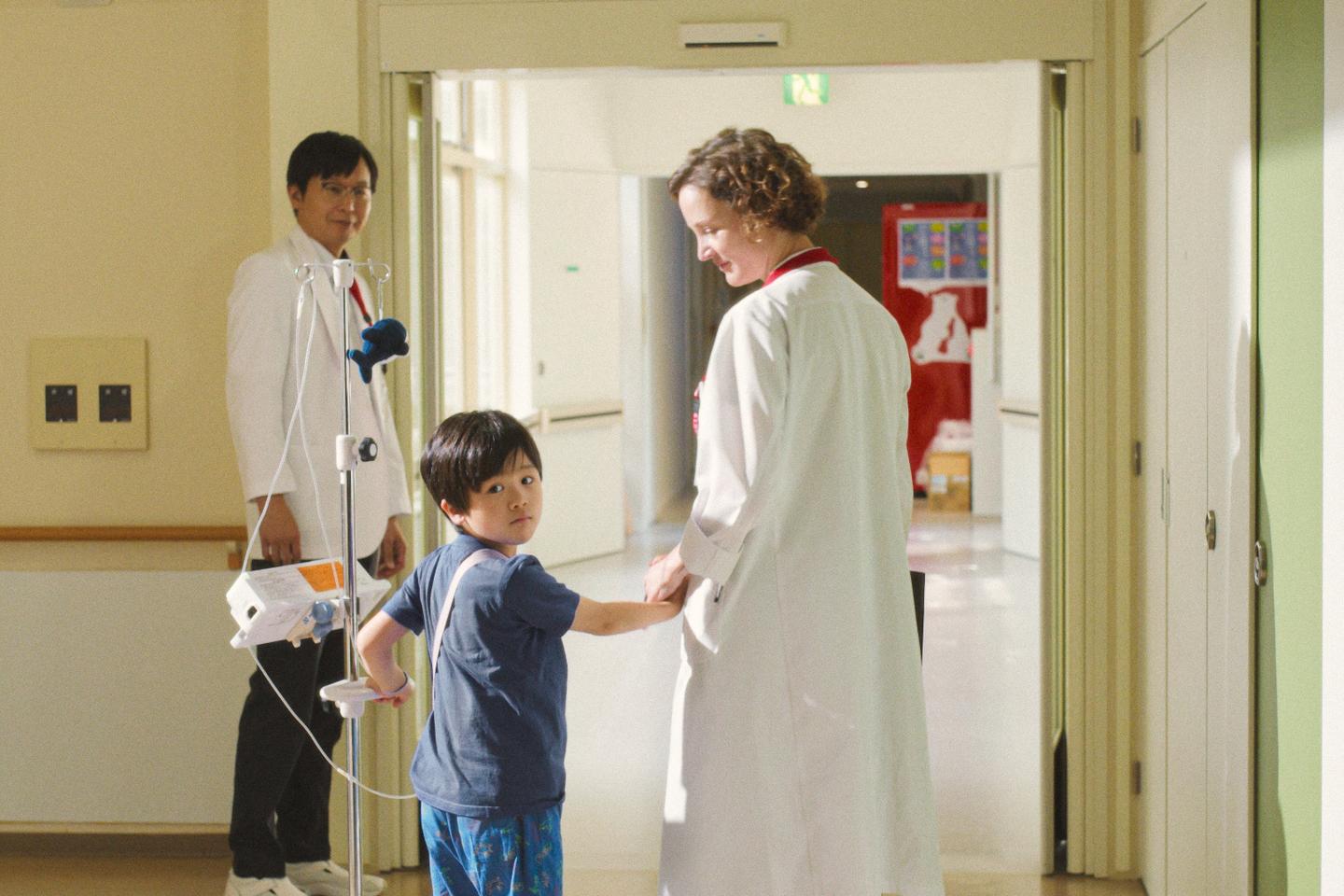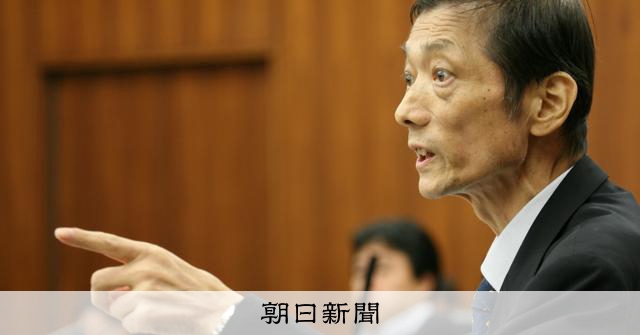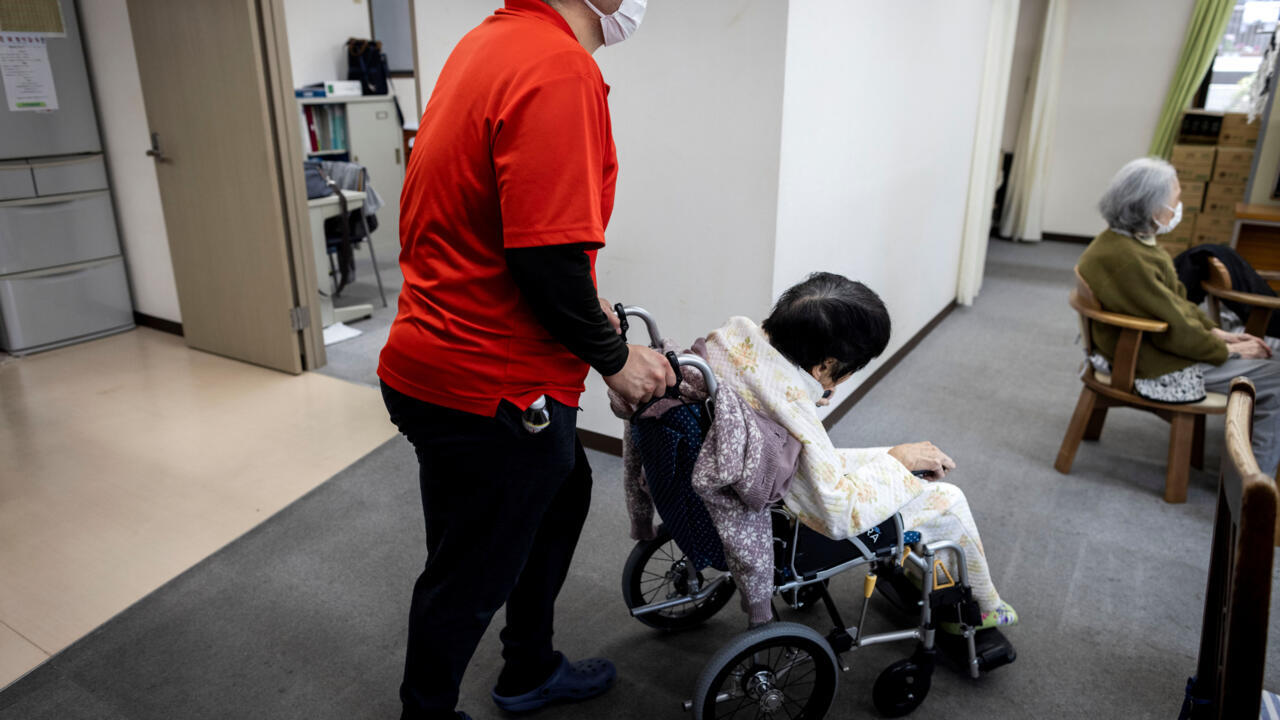
Now his extraordinary ideas are on display on the big screen, with the book's film adaptation attracting huge controversy since its release last month in Japan.But "Haiyoshin (Useless Body)" -- which sees a young doctor advocate for "A-care (Amputation Care)" -- has also focused attention on the struggling care sector in a country with the world's second-oldest population.Kusakabe, a former geriatric specialist from Osaka, explained to AFP the thinking behind his shocking proposition, saying removing paralysed limbs would make patients lighter and "reduce the burden on caregivers" in case the care industry reaches crisis point.He sees it as a potential game changer, provided patients in the real world give consent.He argues that patients' immobile arms and legs are nothing but an impediment to caregiving: they dangle like dumbbells, get stuck in pyjamas and require more bathing."If you cut them off, a female carer would have less difficulty lifting a hefty male patient or suffer less back pain," the 70-year-old said.Kusakabe's 2003 novel features unstinting depictions of carer shortages, overburdened family members and abused elderly patients.The topic feels even more relevant in present-day, greyer Japan, where almost one in three people are aged 65 or older.The government estimates a shortfall of about 570,000 carers by 2040.
Japan doctor-turned-author moots amputations to ease care crunch
Like the protagonist in his taboo novel, former doctor-turned-author Yo Kusakabe believes chopping off elderly patients' useless limbs could help prevent a potential collapse of super-ageing Japan's…
745 words~3 min read