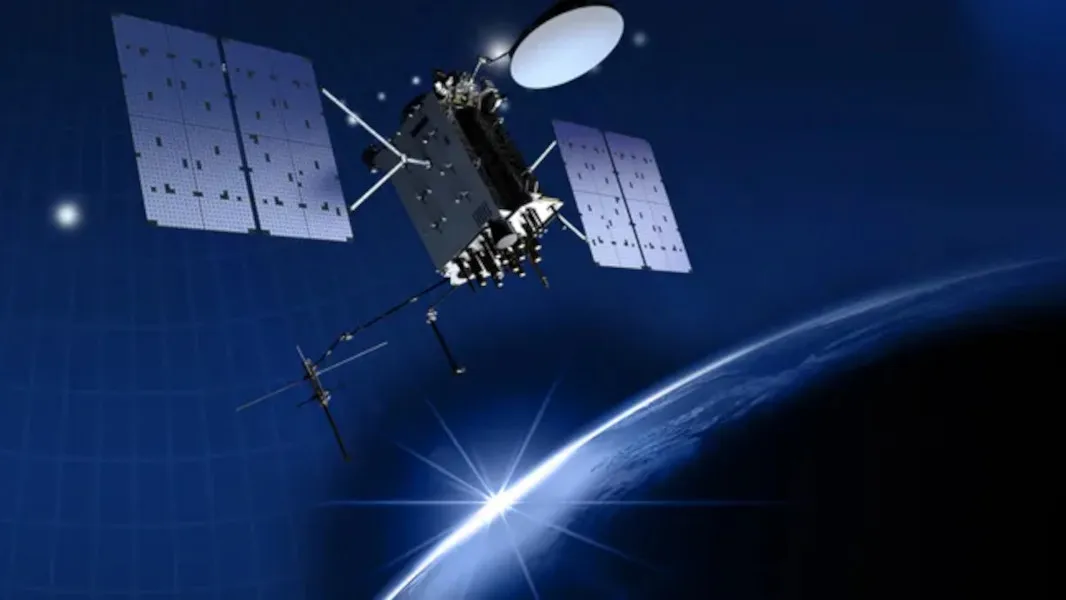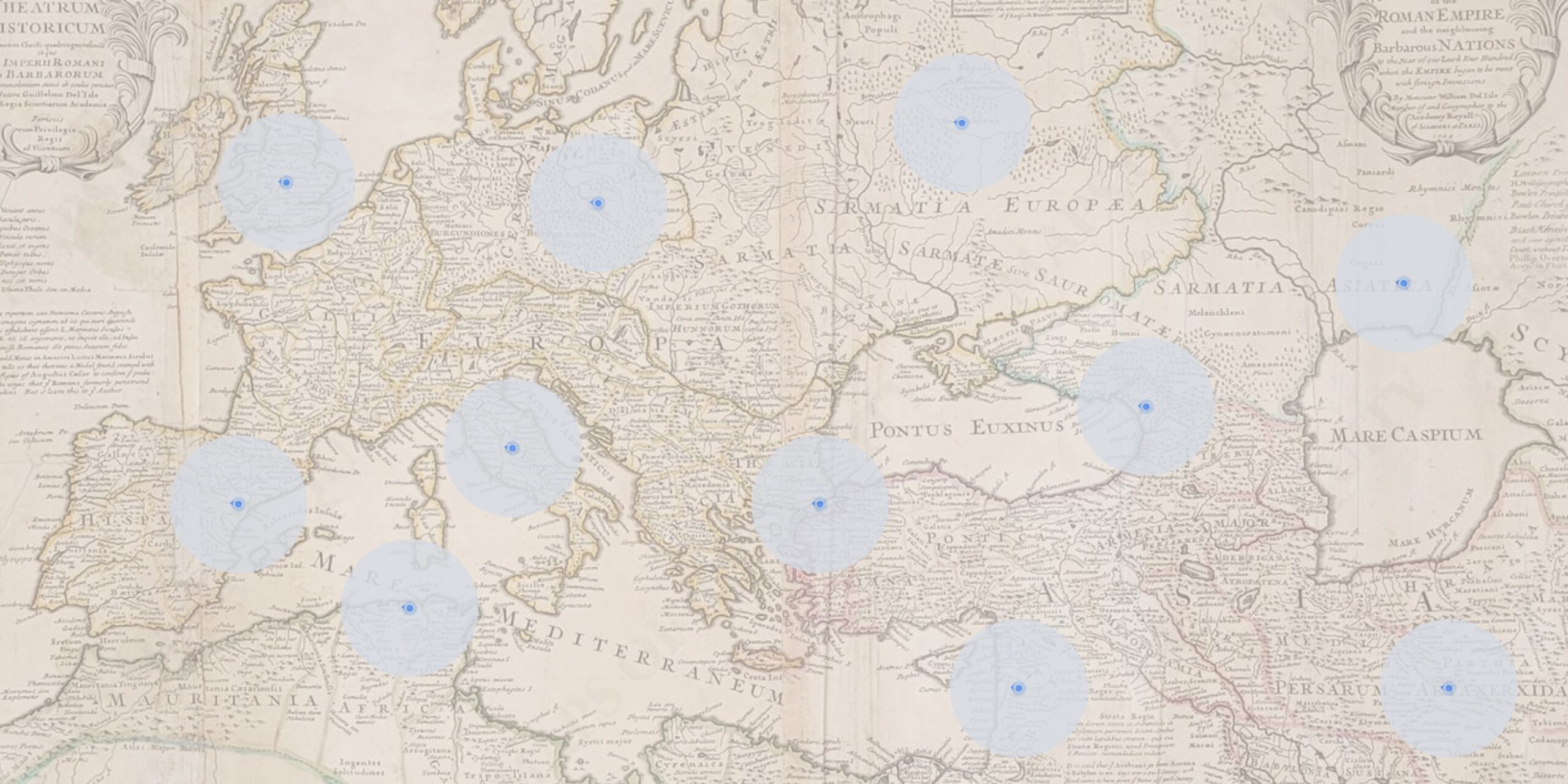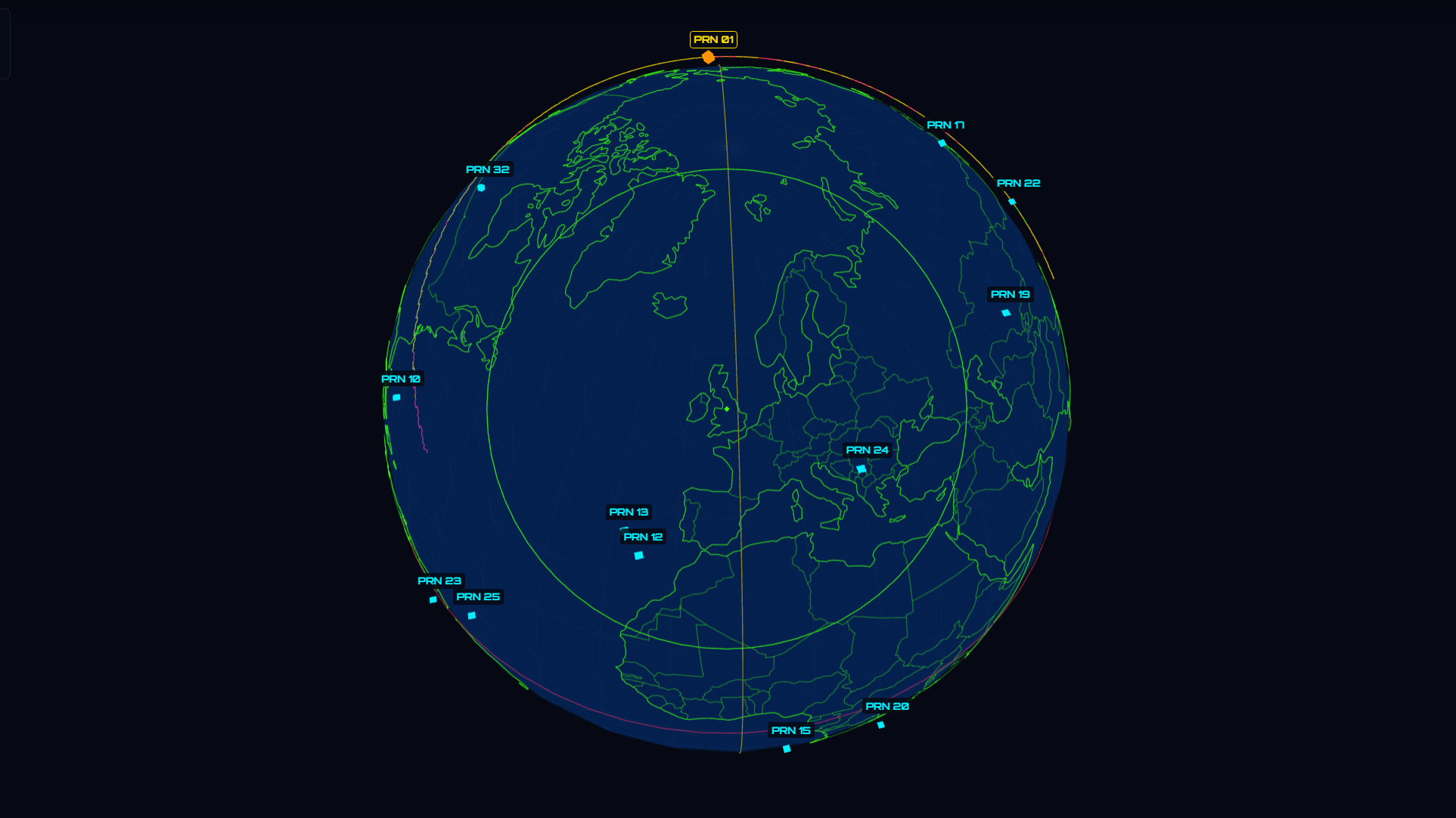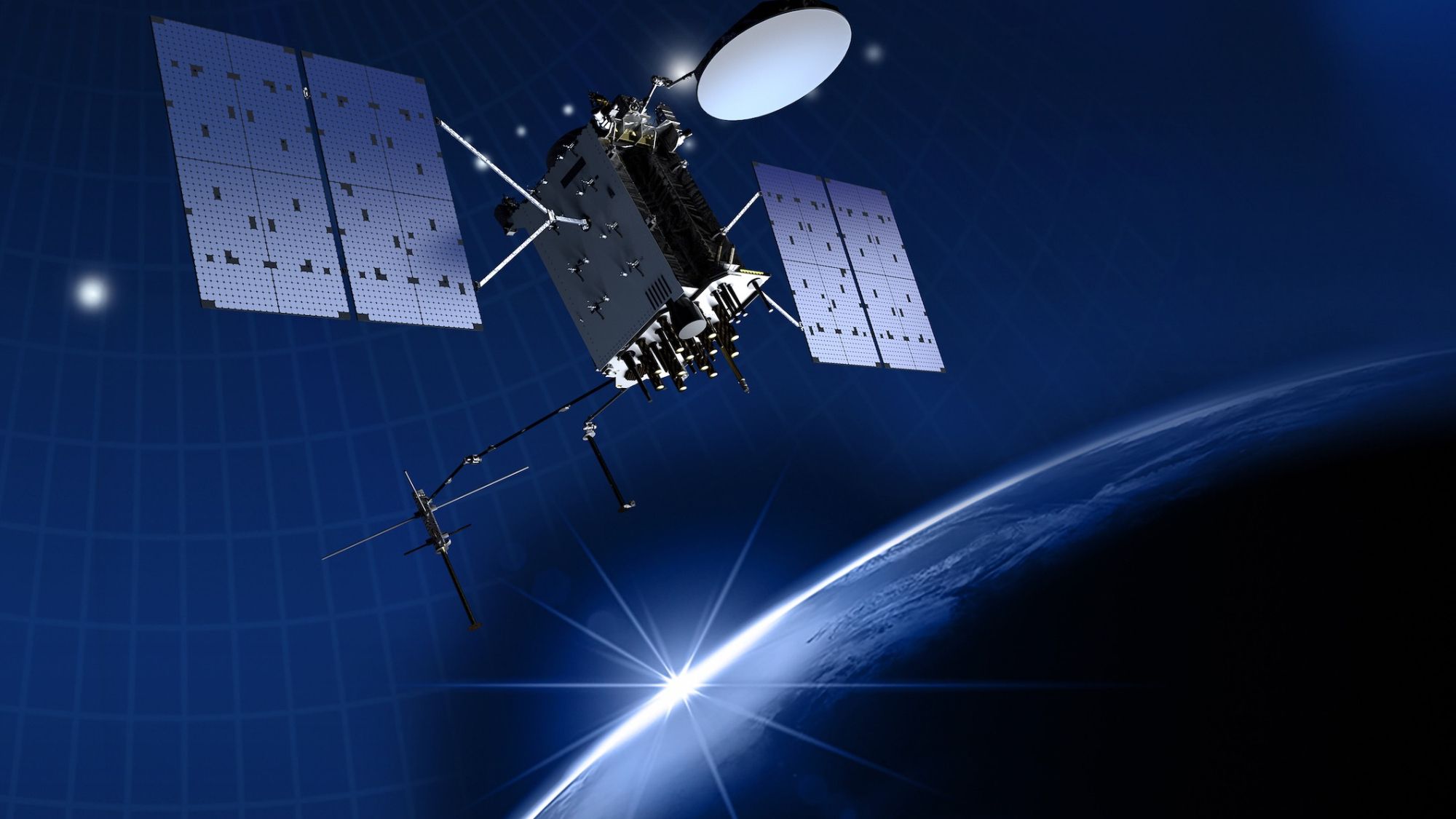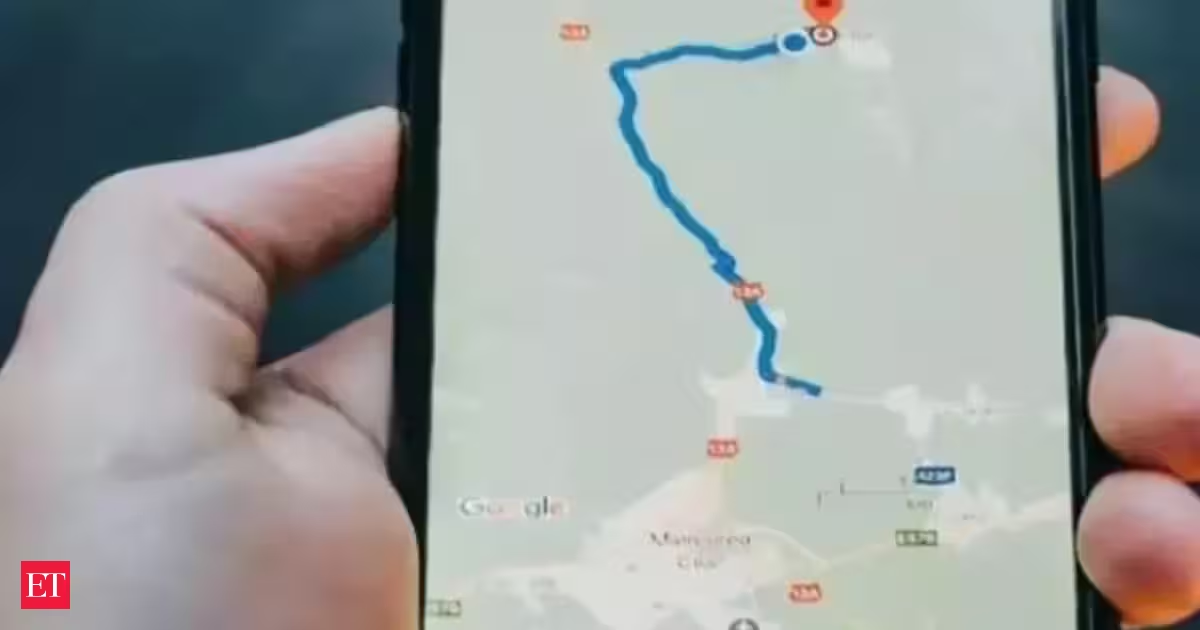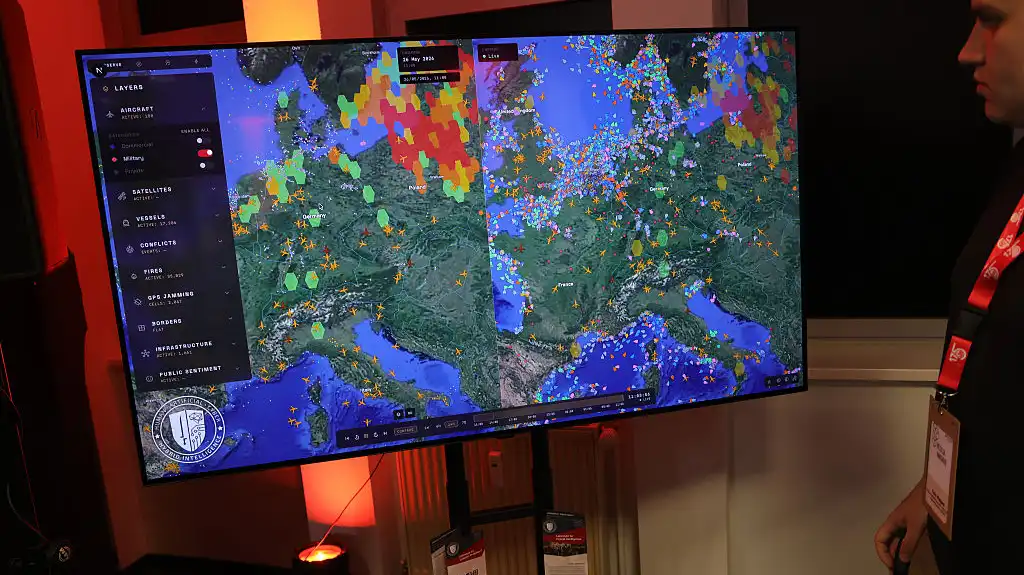
We use GPS every day, whether it’s getting directions from Google Maps or looking at photos in your smartphone (where the location might be tagged). But GPS plays an even bigger role in our global infrastructure, like helping planes and ships navigate the world.“One of the ways it was really transformative is the way it underpins time,” said Katherine Dunn, the author of the new book “Little Blue Dot: How GPS Shaped the Modern World.” “And the way digital time has to be really in sync in order to make all these systems stitch together, in order to make them agree with each other on what time it is— our electricity grids, our stoplights, anything digital, actually.”“Marketplace” host Kai Ryssdal spoke to Dunn about how GPS became so critical, and how it’s also become a battleground for geopolitical tension. The following is a transcript of their conversation; to listen, click the button that says “listen now.”Kai Ryssdal: Tell me, would you, how you came to write this book? You used to be an energy reporter, is that right?Katherine Dunn: Yeah, so I used to track oil flows kind of around the world. I used to work for Wall Street Journal, and then I was working for S&P Global. And I was just sitting at my desk one day, and a colleague sent me a story about a weird incident in the Black Sea, and this was quite soon after Russia invaded Crimea. And all these ships were turning up at this Russian port, Novorossiysk, which is very close to Crimea. They were looking at the window, they could see where they were, they were at port, but on their ship tracking, you know, sort of like a Google Maps that you or I will use, they seemed to be at Russian airports. Like on the tarmac. And of course ships can't fly, so this was very weird. It was just this mystery that I got obsessed with, yeah, and I just got hooked, basically.Ryssdal: Fair enough, and it makes for a good book. I will tell you, it's a great history of GPS, but also, and that story you just told demonstrates this, this is a story of the strengths and the weaknesses of this system, right? And we're seeing that play out in virtually every sphere. It is fundamentally an infrastructure story.Dunn: Yeah, it's an infrastructure story, and it's a little tricky to make an infrastructure story sort of sexy and exciting, but once you realize how deep it is in all of our infrastructure, you start to see both how transformative it was and also really how risky it is that we're now starting to see such a high level of interference.Ryssdal: Right, and you know, we'll get to the risk part of it at the end of the interview, but am I overstating things to say, you know, globalization came out for a whole lot of reasons, but GPS, now, certainly in modern globalization and the modern economy, it's kind of a critical factor?Book cover.Courtesy Bloomsbury PublishingDunn: Yeah, I would say it is a critical factor, and you have to look at the way it really converged with a lot of other things that were happening around the same time when it was bursting onto the mainstream, [the] sort of consumer infrastructure world through the 90s and through the 2000s [when we were] entering the era of the smartphone. But one of the ways it was really transformative that people often don't know about, and it's pretty trippy, is the way it underpins time. And the way digital time has to be really in sync in order to make all these systems stitch together, in order to make them agree with each other on what time it is. And you know, our electricity grids, our mobile base stations, our stoplights, anything digital.Ryssdal. Huh, I didn't realize the stoplights thing. So, let's get back to the risks involved with GPS now, and as you said at the beginning of this conversation, the mysterious ships on the airport tarmacs. There is spoofing, and there is obviously some manipulation of GPS signals now. Talk about where we are with those risks, and how intertwined it is with the global economy, and with virtually everything we do.Dunn: Yeah, so anywhere that there is conflict, or there is the threat of conflict, weird stuff has been happening with GPS. You know, we've got Russia-Ukraine, and we obviously have Israel, Gaza, that whole region. And then you get to Iran, you've had all of this in the Strait of Hormuz, which, if you've seen a map lately, you've realized is very, very small, and a lot can go wrong. So we're at the point now where there's sort of this wall, at least through the Middle East and sort of Eastern Europe, Eastern Mediterranean, where there's just so much interference that if you're flying from the U.S. or Europe to the Middle East and Asia, you're going to go through it. I think a lot of people in that world, they really do believe it is a bit of a disaster waiting to happen. For aviation, it's important to say that there are lots of backups.Ryssdal: Yeah, lots of backups. Aviation is very safe.Dunn: Yeah, exactly. But it's not something you want to be failing at this scale.Ryssdal: So, let me bring it down to the human scale, and the little blue dot of your title. We all stare now at our phones when we're mapping, or what have you, and there's that little blue dot on the phone that tells us where we are to within, I don't know, six feet, 10 feet, 20 yards, whatever it is. This system has kind of changed the way we interact with the world. Is that too much? What do you think?Dunn: It's definitely changed the way I interact with the world. People have been asking me, oh, did writing this book change your relationship with GPS? Do you use a map now? And I'm like, no, I walk around like an absolute lemming. It hasn't changed anything, because I'm so dependent, and for me it's been transformative. I don't know anybody--Ryssdal: Transformative in a good way or a bad way?Dunn: I mean, it's hard to say, right? It's an amazing, elegant system, and we're not going to throw out GPS and stop using it. That's not going to happen. I think we've just forgotten that it's one system, and it can fail like any other.
GPS is a pillar of the global economy, and it's also pretty vulnerable
“Once you realize how deep it is in all of our infrastructure, you start to see both how transformative it was and also really how risky it is,” said Katherine Dunn, author of “Little Blue Dot: How GPS Shaped the Modern World.”
TL;DRAI
GPS synchronizes time for global infrastructure—grids, networks, stoplights. Geopolitical spoofing and jamming in conflict zones threaten this foundation. Tech leaders must treat GPS dependency as critical systemic risk lacking viable options.
1,091 words~5 min read