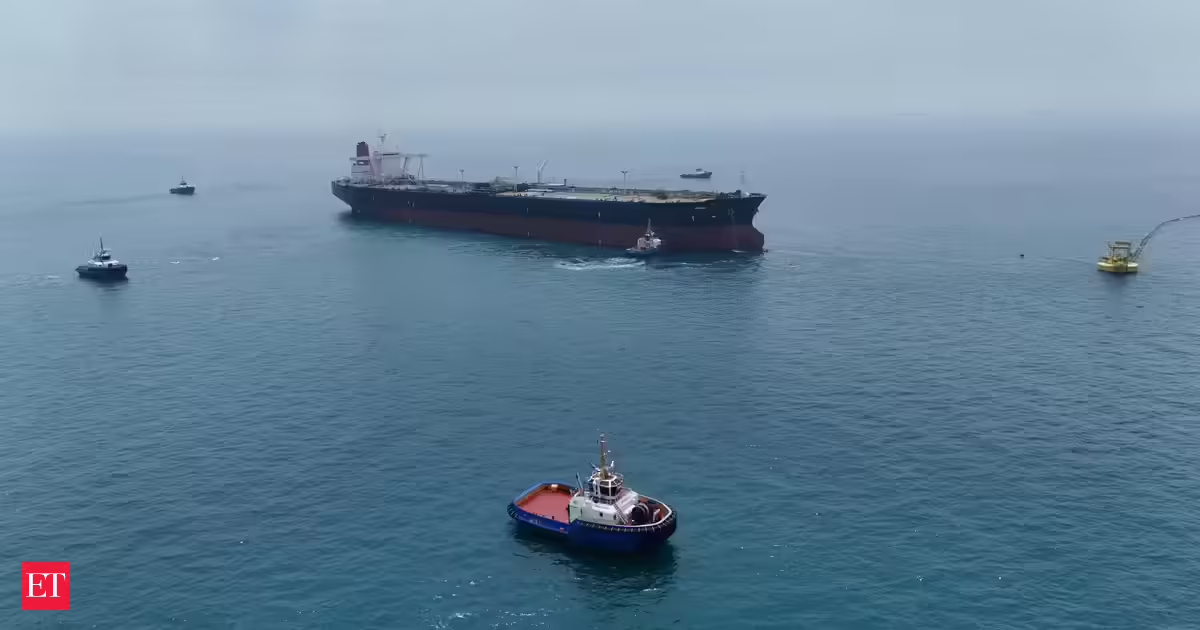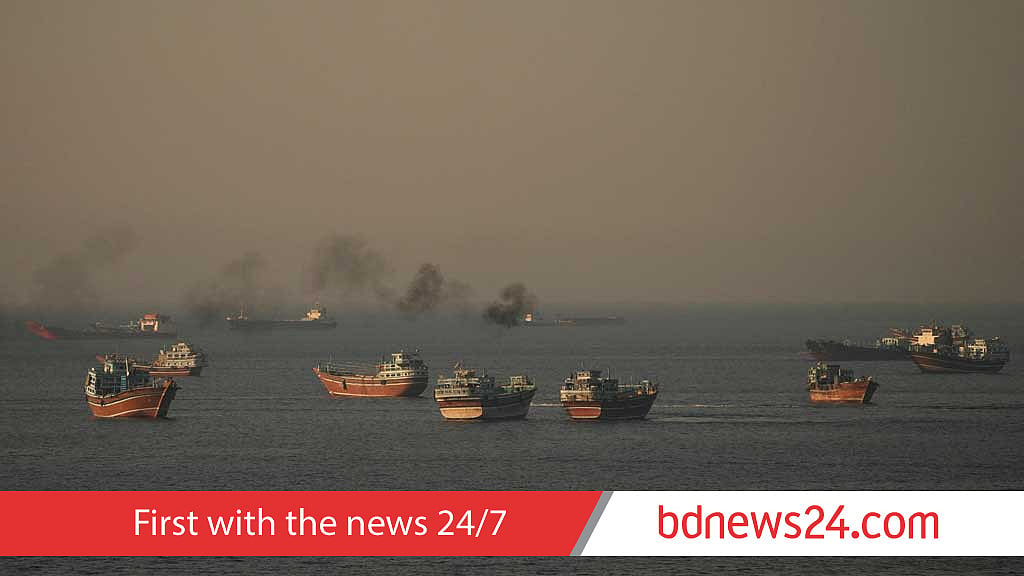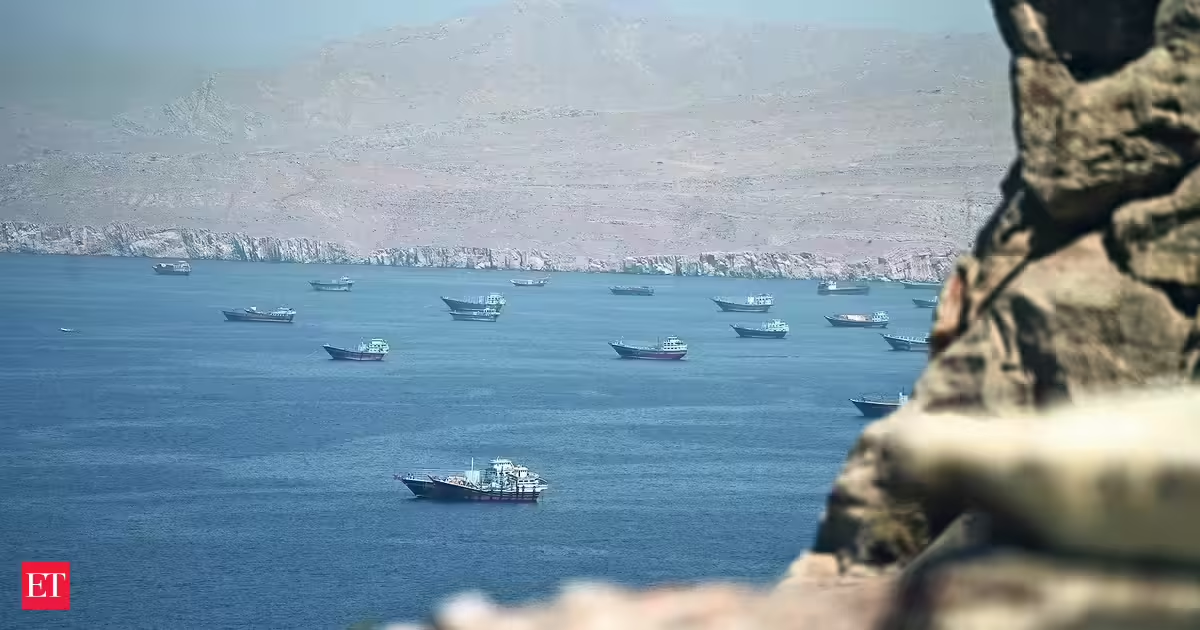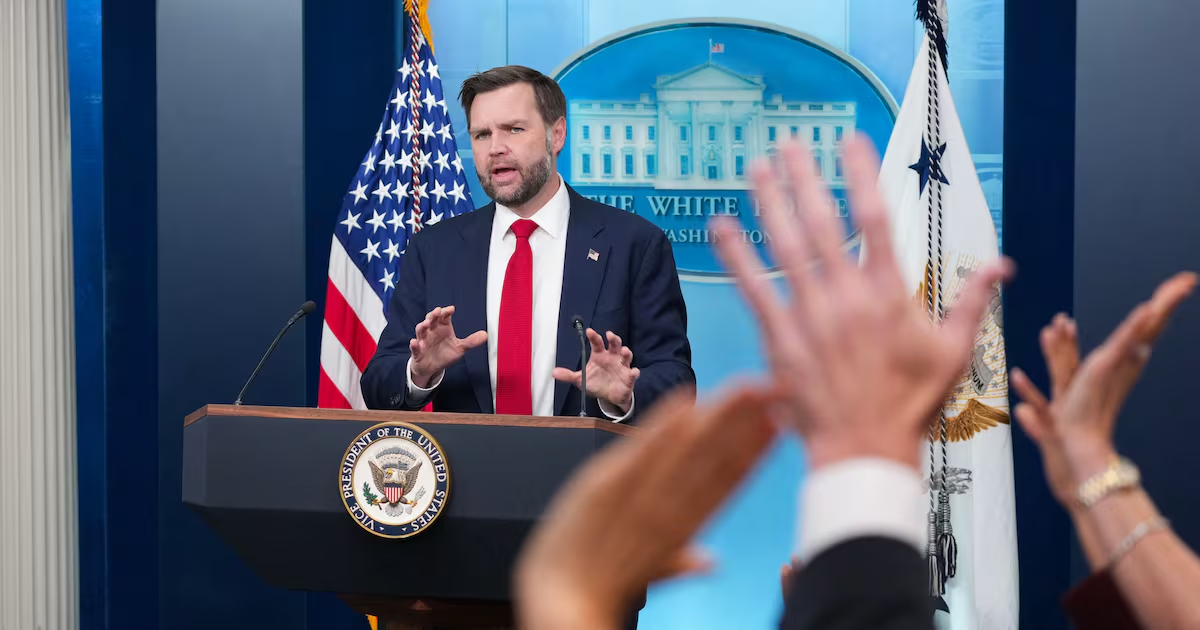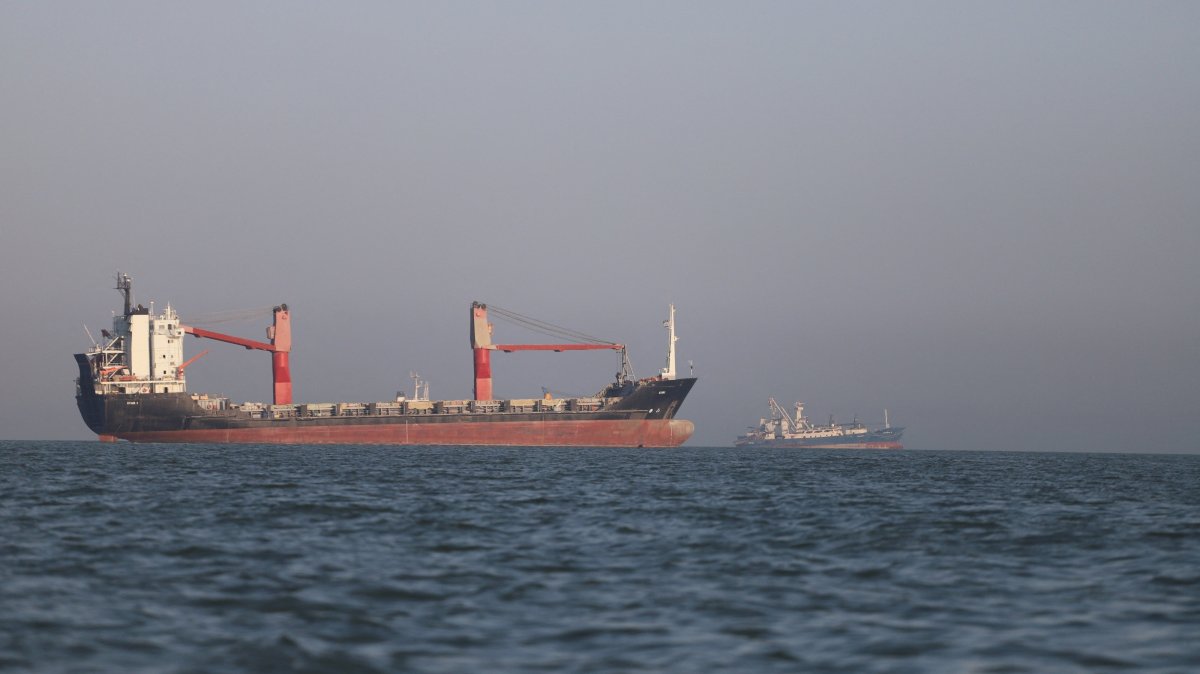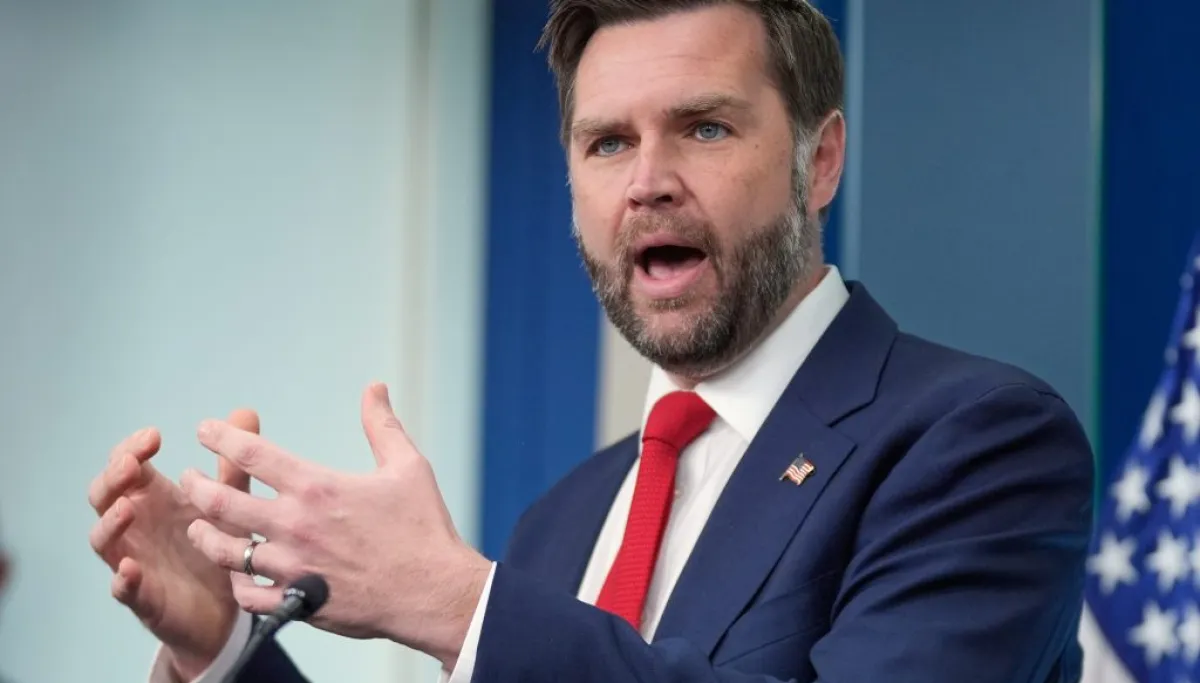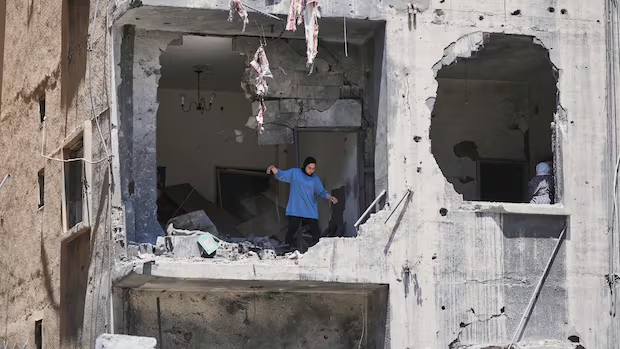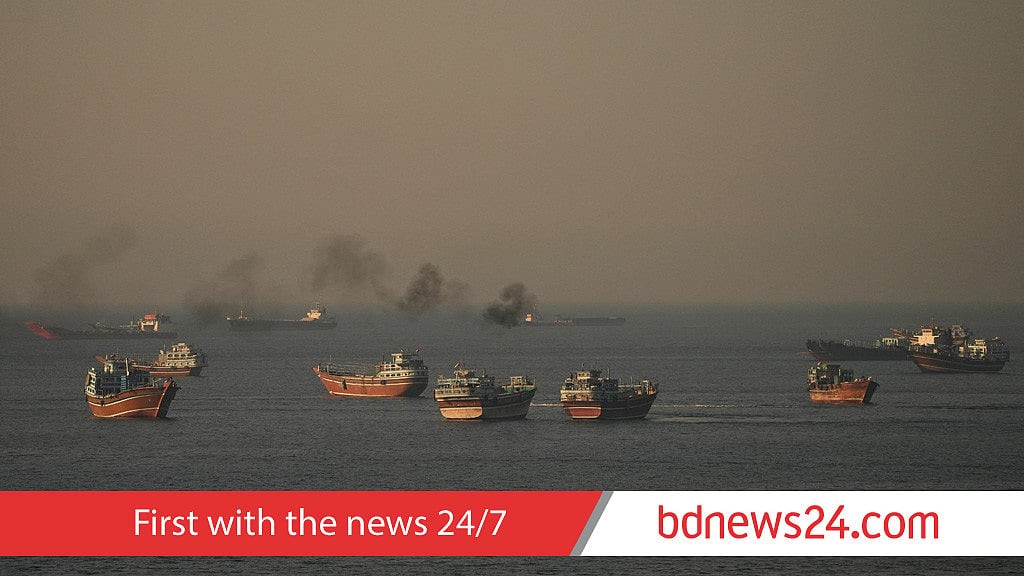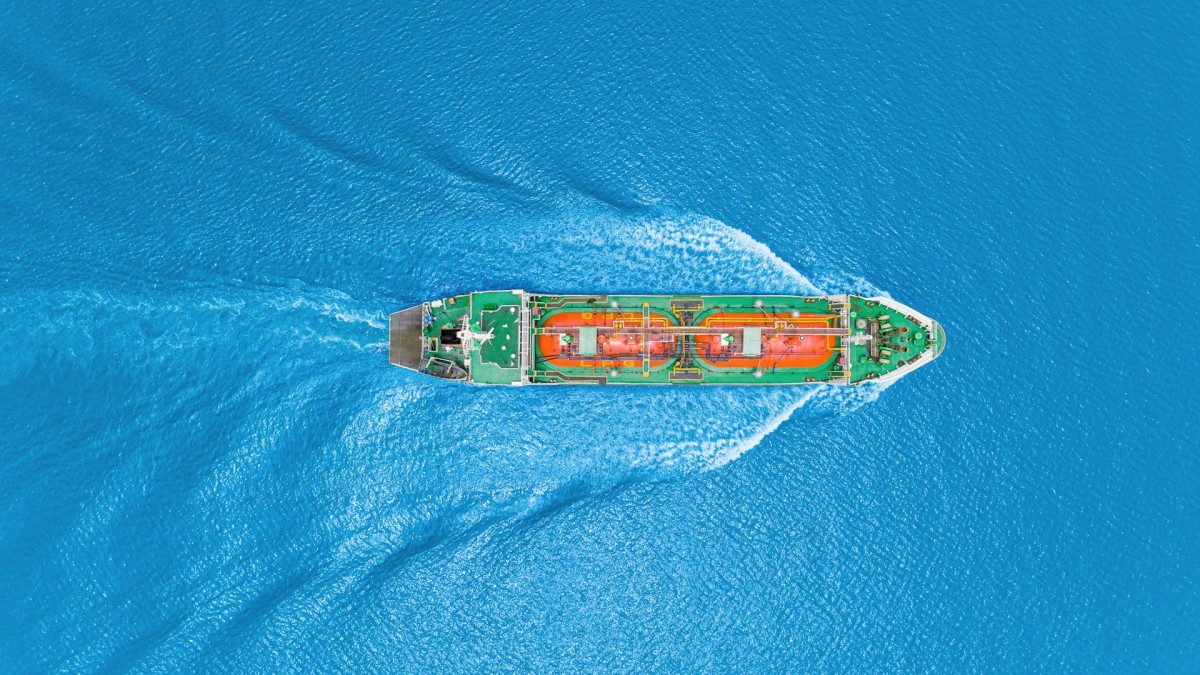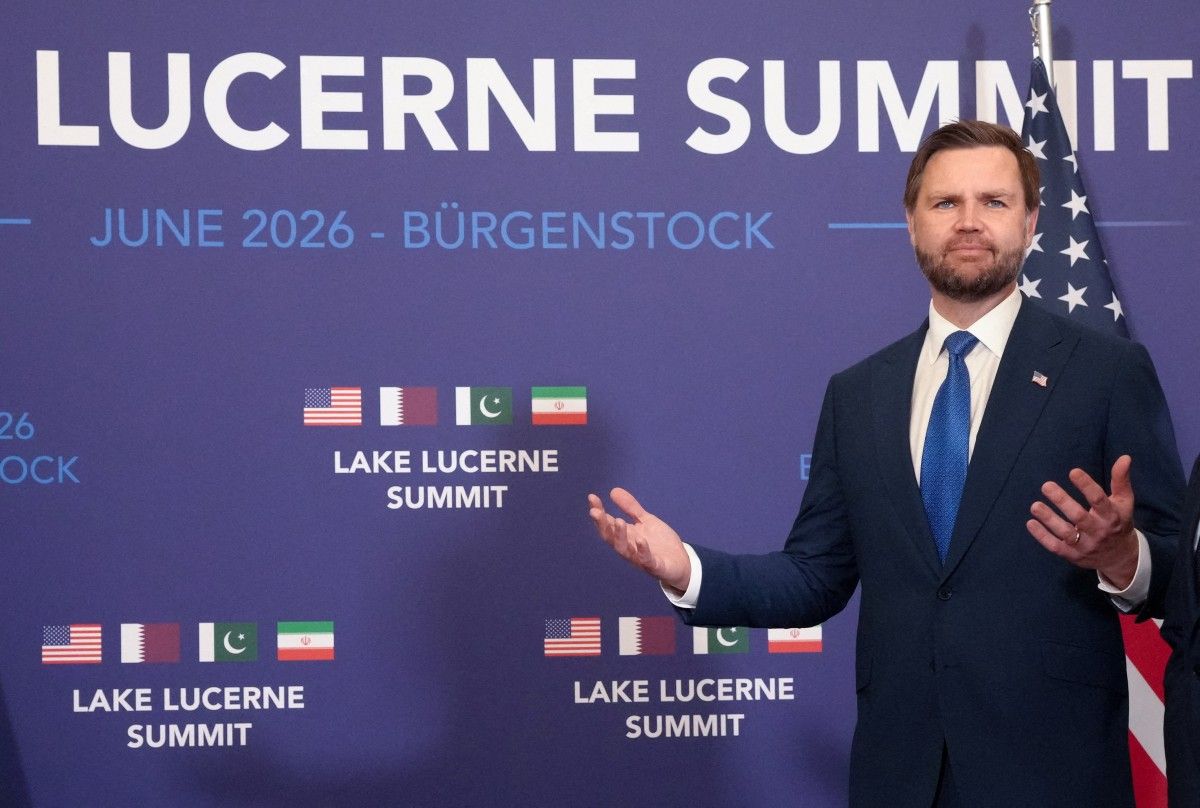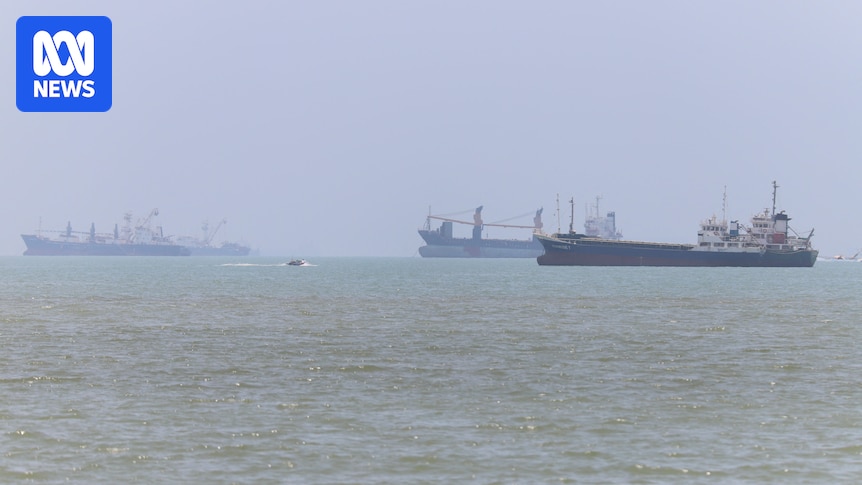
About 12.5 million barrels of crude oil have sailed through the Strait of Hormuz overnight, US Vice President JD Vance says, hours after President Donald Trump signed a deal with Iran to end the war that has disrupted global energy supplies.But in Lebanon, where more than 1 million people are displaced by the fighting, Israeli forces launched fresh air strikes early on Thursday, raising doubt about how far Mr Trump will go to force his wartime allies to halt an offensive he has now pledged to end.The US president on Wednesday signed the "memorandum of understanding" to end the war, as did Iran's President Masoud Pezeshkian, bringing it into effect two days earlier than previously expected. It calls for the immediate opening of the Strait of Hormuz and lifting of a US blockade of Iran's ports.Mr Vance, who will represent the United States at a formal ceremony in Switzerland on Friday to confirm the interim accord, said the United States expected Tehran would not have missiles that can "broadly threaten the entire world" as part of the deal agreed with Washington.JD Vance will be in Switzerland to sign the memorandum of understanding. (Reuters: Eric Lee)He said Thursday marked the start of the 60-day negotiation period to reach a final settlement to the war, which Mr Trump launched in February alongside Israeli Prime Minister Benjamin Netanyahu.Shippers say it will still take time for transit across the strait to return to pre-war levels, with a need to ensure safe access and clear mines.Markets responded quickly to the news. Benchmark Brent crude futures prices fell by another 2 per cent to below $US78 a barrel, the lowest since the fighting began on February 28.MOU explicitly calls for end of war in LebanonBut Israel, which launched an invasion of Lebanon in March and has since seized a large swathe of the south in pursuit of Hezbollah militants who opened fire across the border in support of Iran, was excluded from the negotiations.Lebanon, which has been battered by clashes between Israel and Hezbollah, is specifically included in the memorandum. (Reuters: Zohra Bensemra)Iran has always said any peace deal must also cover Lebanon. In an apparent major concession to Iran, the memorandum signed by Mr Trump explicitly calls for the "permanent termination" of the war in Lebanon and for its "territorial integrity and sovereignty" to be ensured.With Lebanon among the peace effort's most delicate issues, Mr Trump in recent days has become openly critical of his ally's operations there, accusing Israel of unnecessarily destroying entire buildings to hit Hezbollah fighters.Israel has said it has no intention of withdrawing from Lebanon, whatever Mr Trump negotiates. It released a new map on Thursday showing an expanded southern area occupied by its troops, which it describes as a buffer zone.Mr Vance told reporters one goal of the deal with Iran was to allow the Lebanese authorities to police the south of the country."What we want to see is the Lebanese government, the elected representatives of the people of Lebanon, who are able to police southern Lebanon, so that Hezbollah has not taken over the country, the Israelis are not threatened, and then consequently, the Israelis are not attacking southern Lebanon or Beirut either," he said.Two Israeli officials, including a senior official close to Mr Netanyahu, told Reuters Israel was holding negotiations with the United States to keep Israeli troops in Lebanon.Israeli forces remain in southern Lebanon. (Reuters: Rami Shlush)The senior official described those talks with Washington as "stubborn" and said Israel would not back down. The other official said the outcome would depend on whether Mr Trump "decides to force the issue" by threatening repercussions on Israel.While fighting in Lebanon tamped down at the start of this week when Mr Trump first announced the deal had been reached, it has ticked up again over the past few days, and continued on Thursday morning after Mr Trump's signature.Lebanese state news agency NNA said three people were killed in Israeli air strikes on the southern Lebanese towns of Kfartebnit and Zebdine on Thursday. Reuters reporters heard an Israeli drone flying low over Beirut and its southern suburbs.'It's not over yet', says displaced Lebanese man"Iran and the Americans are done. Fine. In Lebanon, it's not over yet," said Mohammed Doghman, a man displaced from the southern city of Nabatieh to Beirut, who was sitting outside his tent on Thursday, squinting hard at his phone to read the news.Mohammed Doghman, 62, is among people in Lebanon still displaced from fighting. (Reuters: Khalil Ashawi)"They should give us a final answer: has the war ended for good, or will we return to it again?"In Qlailieh, in southern Lebanon near the port of Tyre, a few displaced residents had ventured back to survey the ruins of their homes, flattened into piles of concrete rubble that many compared to Gaza.Mr Netanyahu has boasted for years of a particularly close relationship with Mr Trump, which ultimately yielded the joint decision to wage war on Iran this year.But Mr Trump's apparent shift over Lebanon has abruptly given rise to one of the biggest rifts in US-Israeli relations in decades."Soon, Israel may be forced to choose: Either keep up the military pressure and lose Trump's diplomatic support, or stay on his good side — but only by ending, or scaling back, the conflict that many see as the country's most urgent fight," the Times of Israel wrote on Thursday.When Mr Trump launched the war nearly four months ago, he said his aims were to destroy Iran's nuclear program, end its ability to strike its neighbours, prevent it from supporting allied militants in the region and make it possible for Iranians to topple their hardline leaders.Though he initially demanded Iran's "unconditional surrender", Mr Trump ultimately signed the agreement with none of those objectives met.US officials say the upcoming negotiations could still yield a strong agreement on Iran's nuclear program, but his critics, including some hawks in his own party, say Iran is in a stronger position now than before the war, having withstood a superpower attack, exerted control of the strait and gained valuable waivers to financial sanctions.Reuters
Oil flows through strait but Lebanon strikes raise peace doubts
Some 12.5 million barrels of crude oil have sailed through the Strait of Hormuz overnight, US Vice President JD Vance says, but in Lebanon, Israel launched fresh air strikes, raising doubts over peace in the region.
1,017 words~5 min read