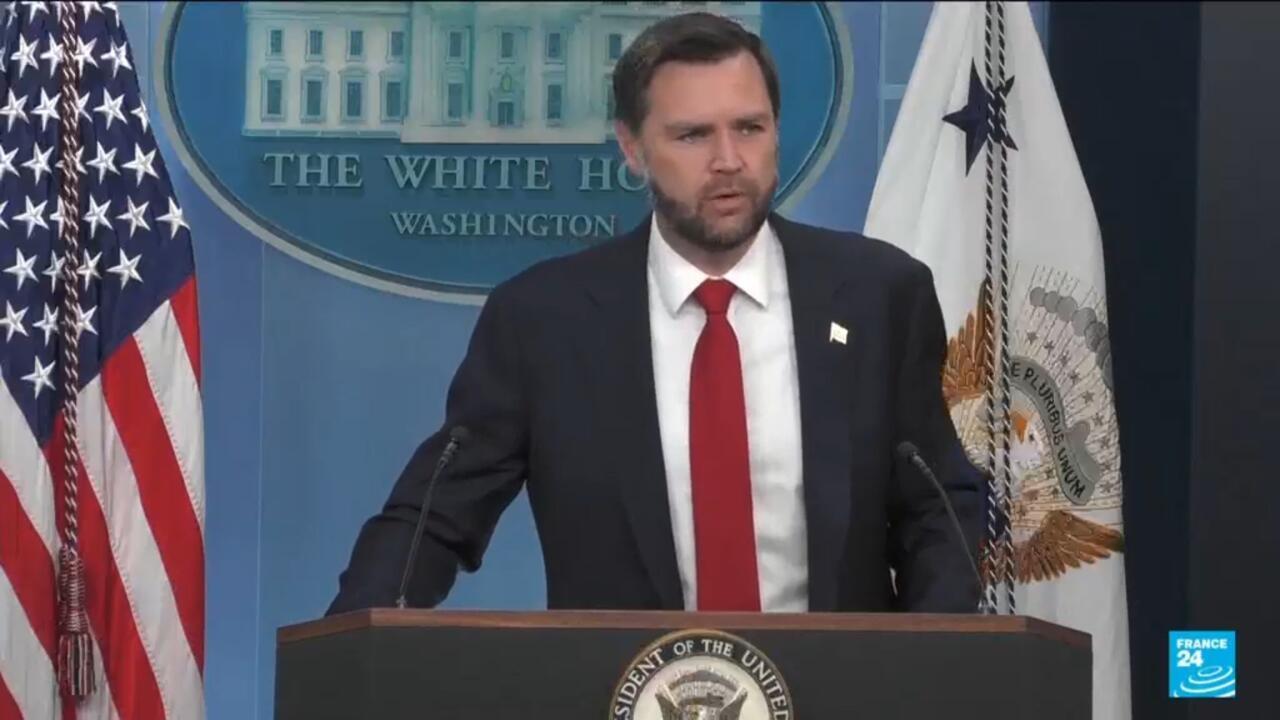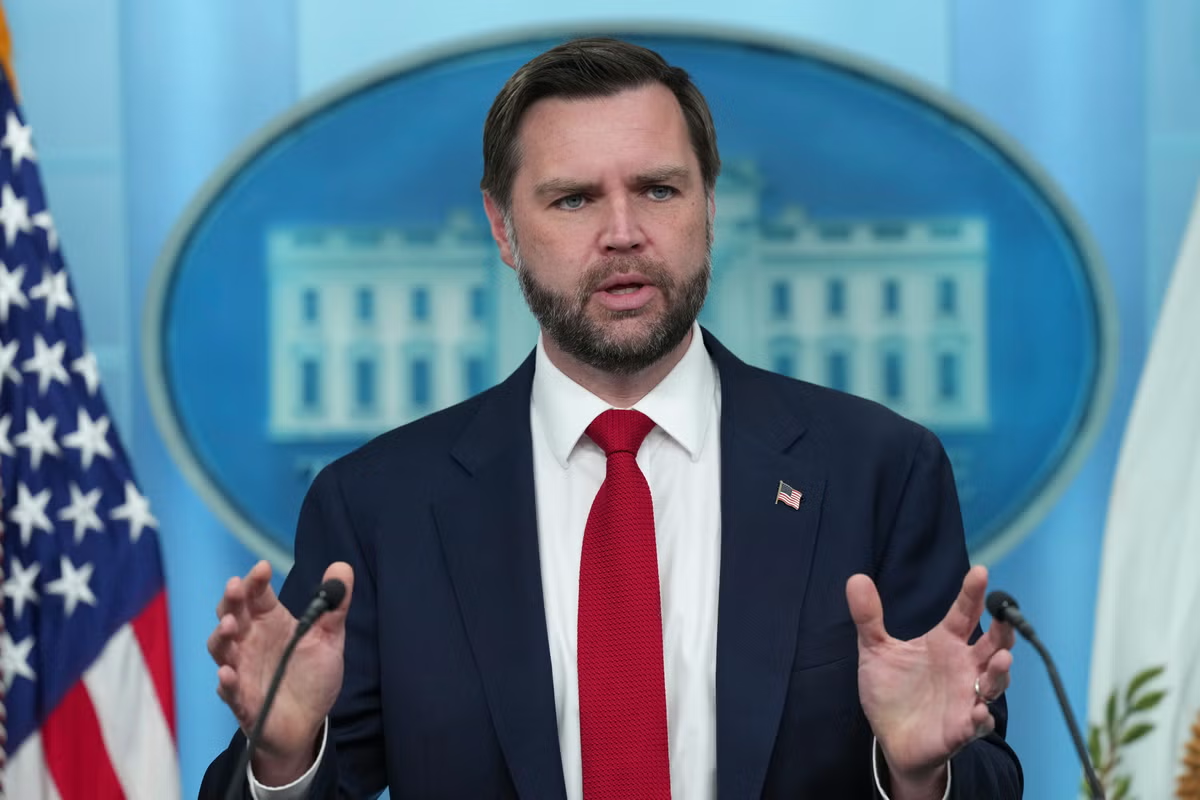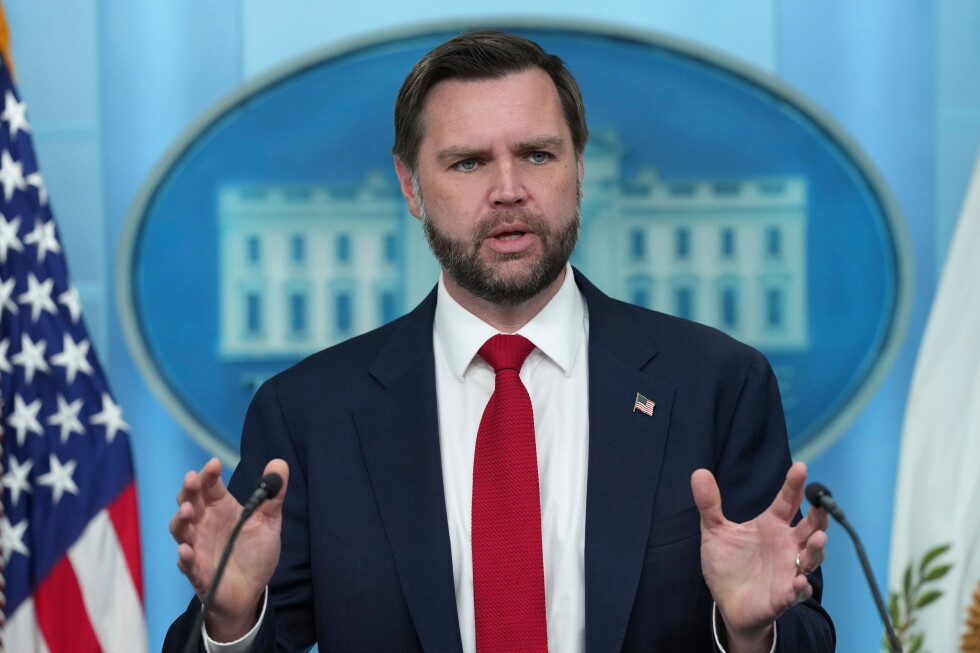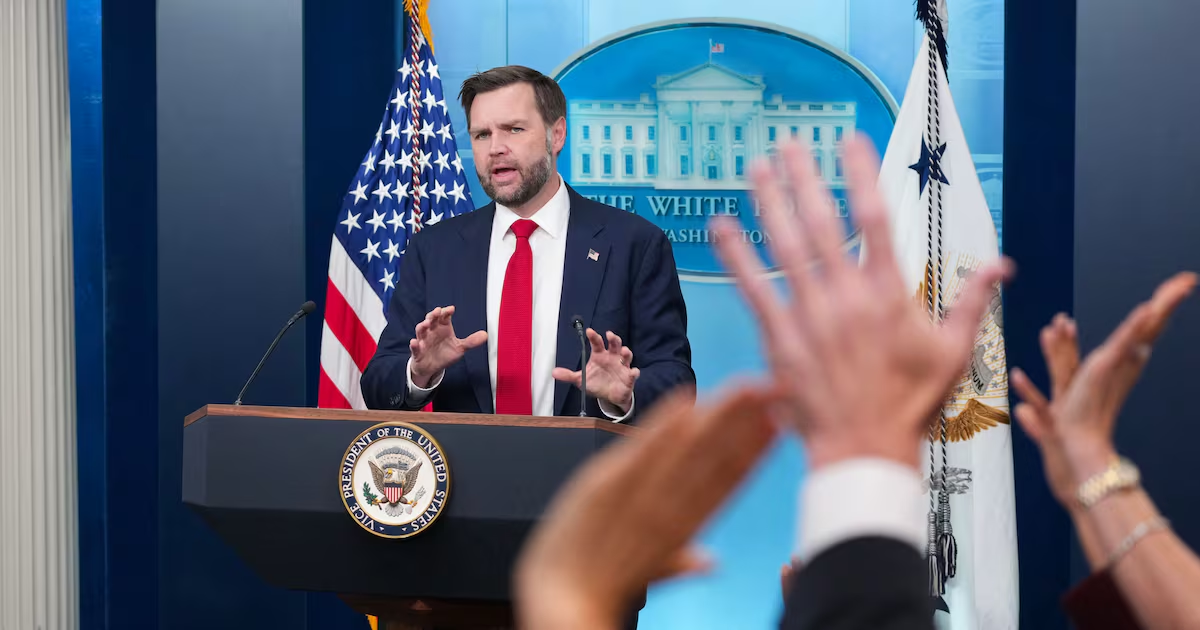
Vice President JD Vance said more than 12.5 million barrels of oil have passed through the Strait of Hormuz overnight following the agreement reached with Iran, indicating that global oil markets are seeing relief from the supply disruptions that have driven up prices over the past few months.“Last night, 12.5 million barrels of oil went through the Strait of Hormuz,” Vance said Thursday at a White House press briefing. “That’s a high since the beginning of the conflict.”“The Iranians, for the second night in a row, did not shoot at any ships in the Strait of Hormuz,” he said. “So far they are honoring their end of the commitment.”
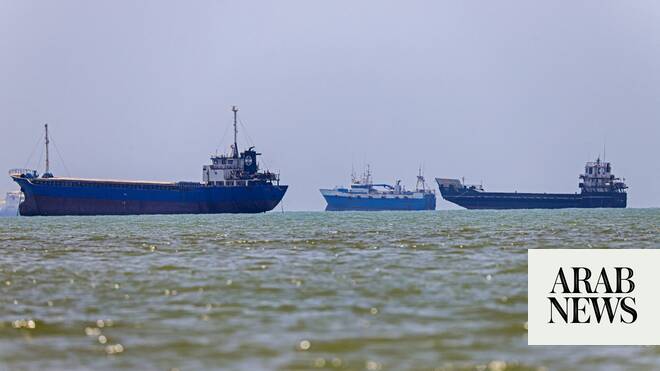
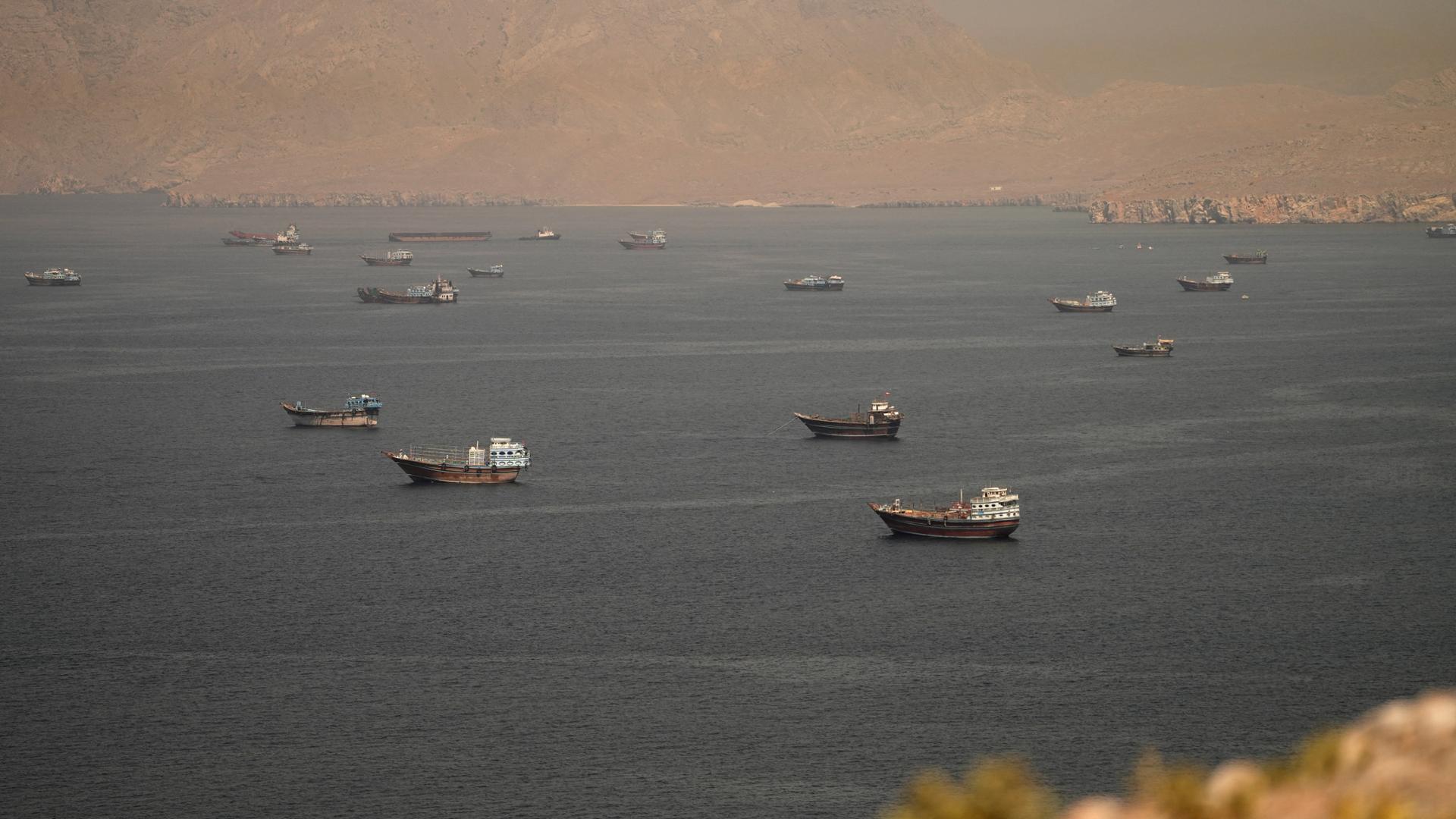
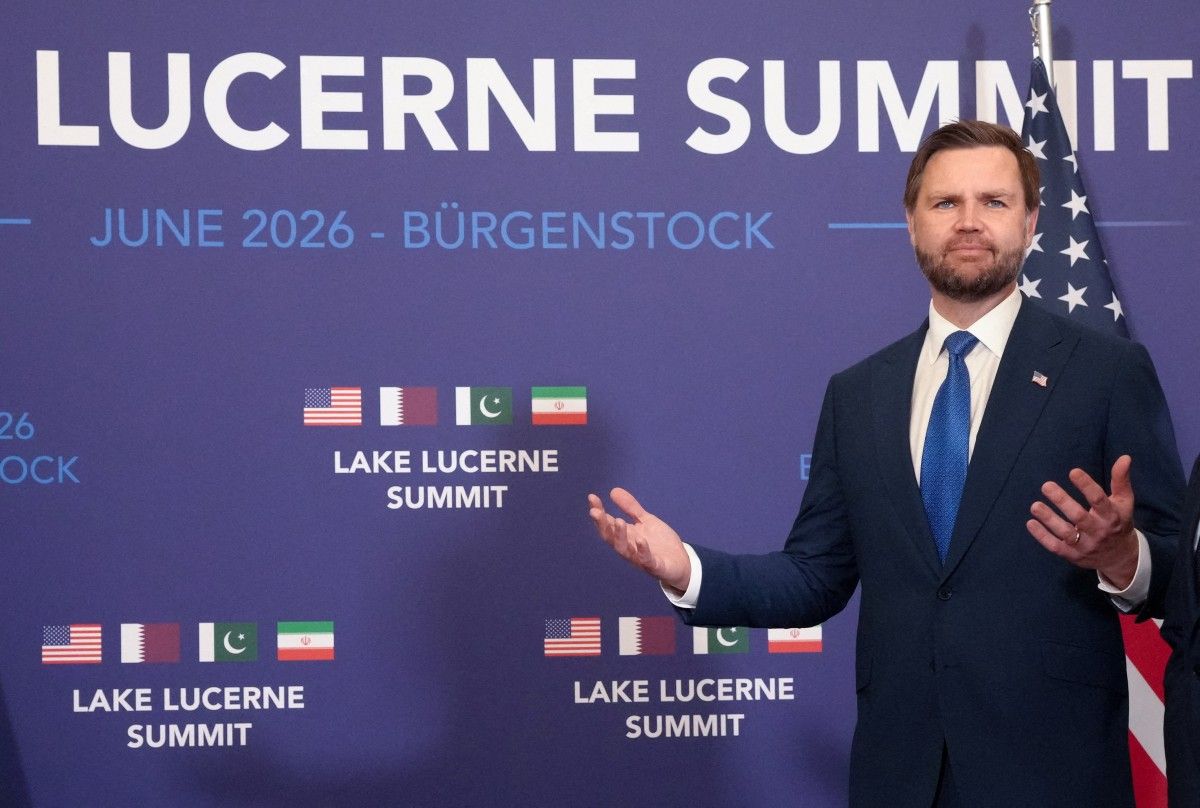
He added that the U.S. Navy has allowed more than a dozen ships to transit to Iranian ports. “So we’re also honoring our end of the early part of the agreement on the military side,” he said. The U.S. war against Iran resulted in the closure of the Strait of Hormuz, a key trading route for oil products. Before the war, nearly 20 million barrels of crude oil and other products passed daily through the strait, equivalent to 20% of global oil demand.Ships have had a difficult time entering or exiting the waterway due to the dangers of mines and the threat of Iranian attacks. The United States has also been blockading Iranian ports. But ships have begun transiting the waterway since President Donald Trump announced the deal with Iran. It was reported on Thursday that three Saudi supertankers carrying 6 million barrels of oil had crossed the Strait of Hormuz. On Tuesday, two oil tankers left Iran and crossed the U.S. military blockade without being stopped, the Associated Press reported. The oil tankers were carrying a total of 3.8 million barrels of Iranian crude oil. It is estimated that 118 tankers stuck in the Persian Gulf could exit the waterway within 15 days once the deal is solidified. However, some maritime experts have warned that safety and security risks remain significant concerns for shipowners as mines in the waterway still need to be removed. “Despite the signing of the ceasefire agreement, we believe the security situation for the shipping industry remains volatile,” Jakob Larsen, chief safety and security officer at the Baltic and International Maritime Council, said in a statement Thursday.“Due to the risk of congestion and navigational incidents in the inshore traffic zones, we still consider it risky for ships to commence transits at this point and advise shipowners to continue doing thorough risk assessments and appeal to all parties to put the safety of seafarers first,” he said. Larsen noted that the agreement does not provide sufficient information on safe routes for ships, measures to manage traffic, and the sequencing of ship departures from the waterway. G7 LEADERS AGREE TO PLAN TO UNDO CHINA’S DOMINANCE IN CRITICAL MINERALSThe U.S. and Iran on Wednesday remotely signed their memorandum of understanding to end the war, open the Strait of Hormuz, and lift the U.S. naval blockade on all Iranian vessels going through the waterway. The countries are expected to sign the agreement in person during a meeting in Switzerland on Friday. The vice president said he plans to travel to Switzerland for agreement talks, where he is expected to lead conversations on implementation of the deal.