By Editorial Dept - Jun 19, 2026, 6:30 AM CDT
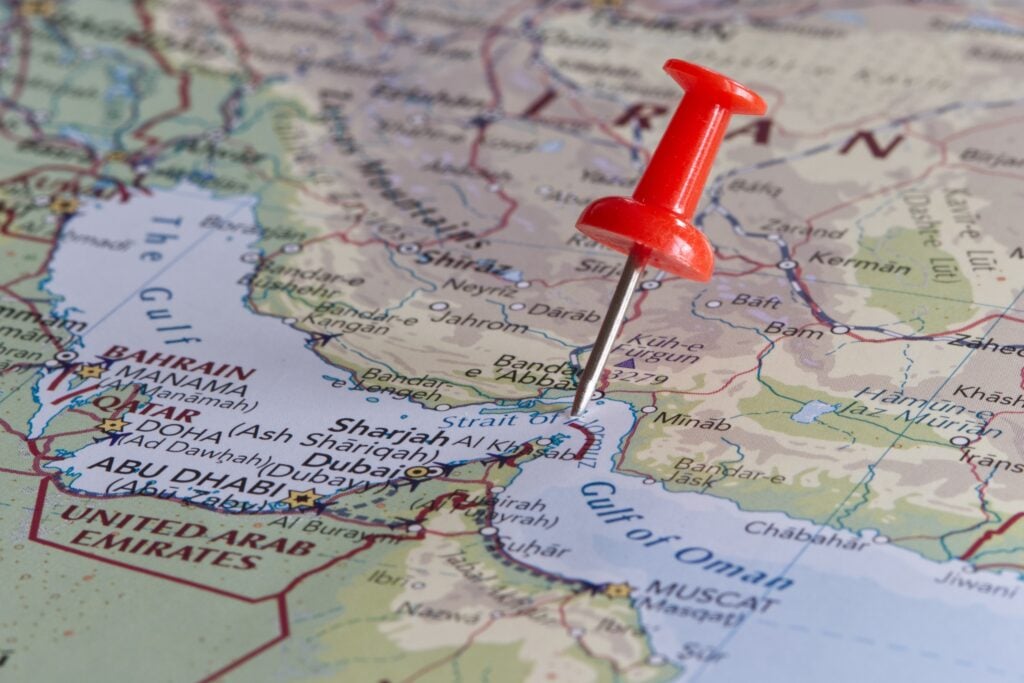
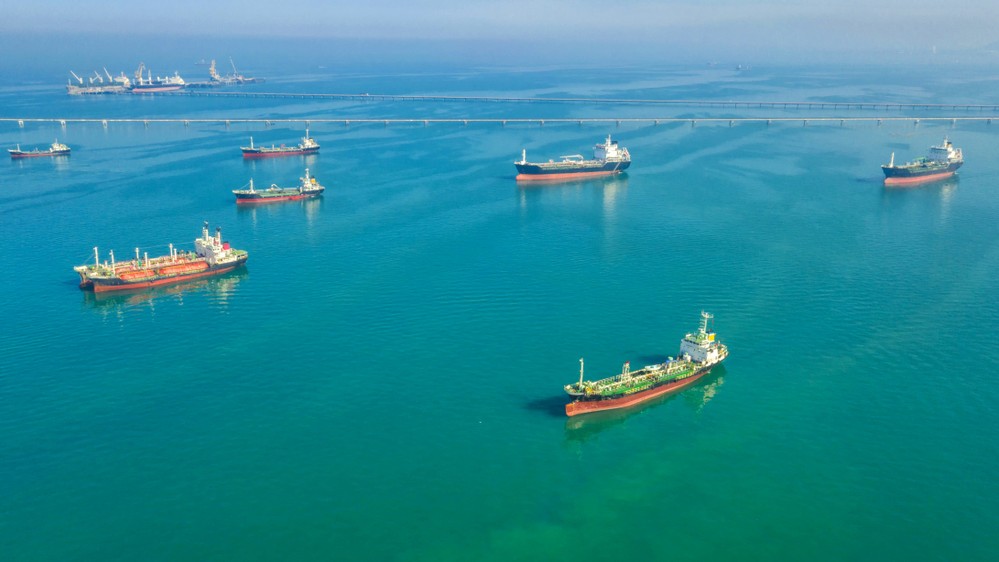
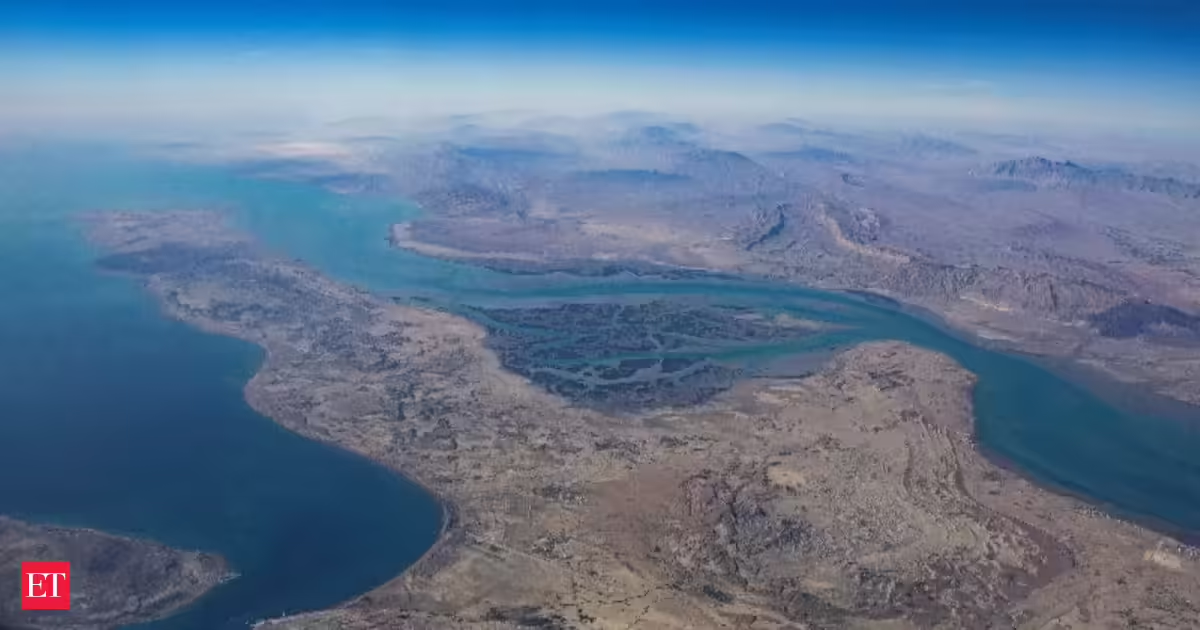
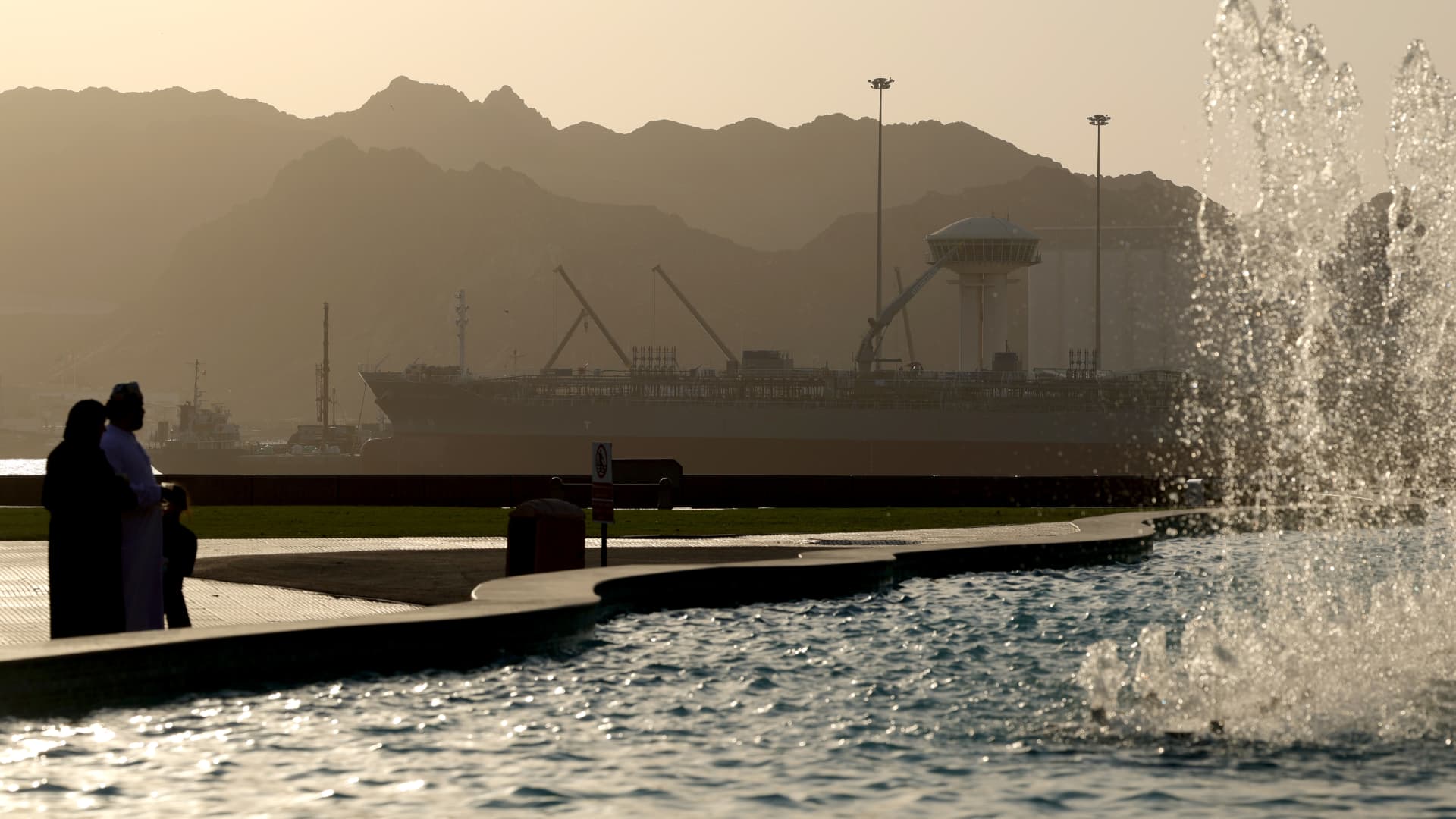
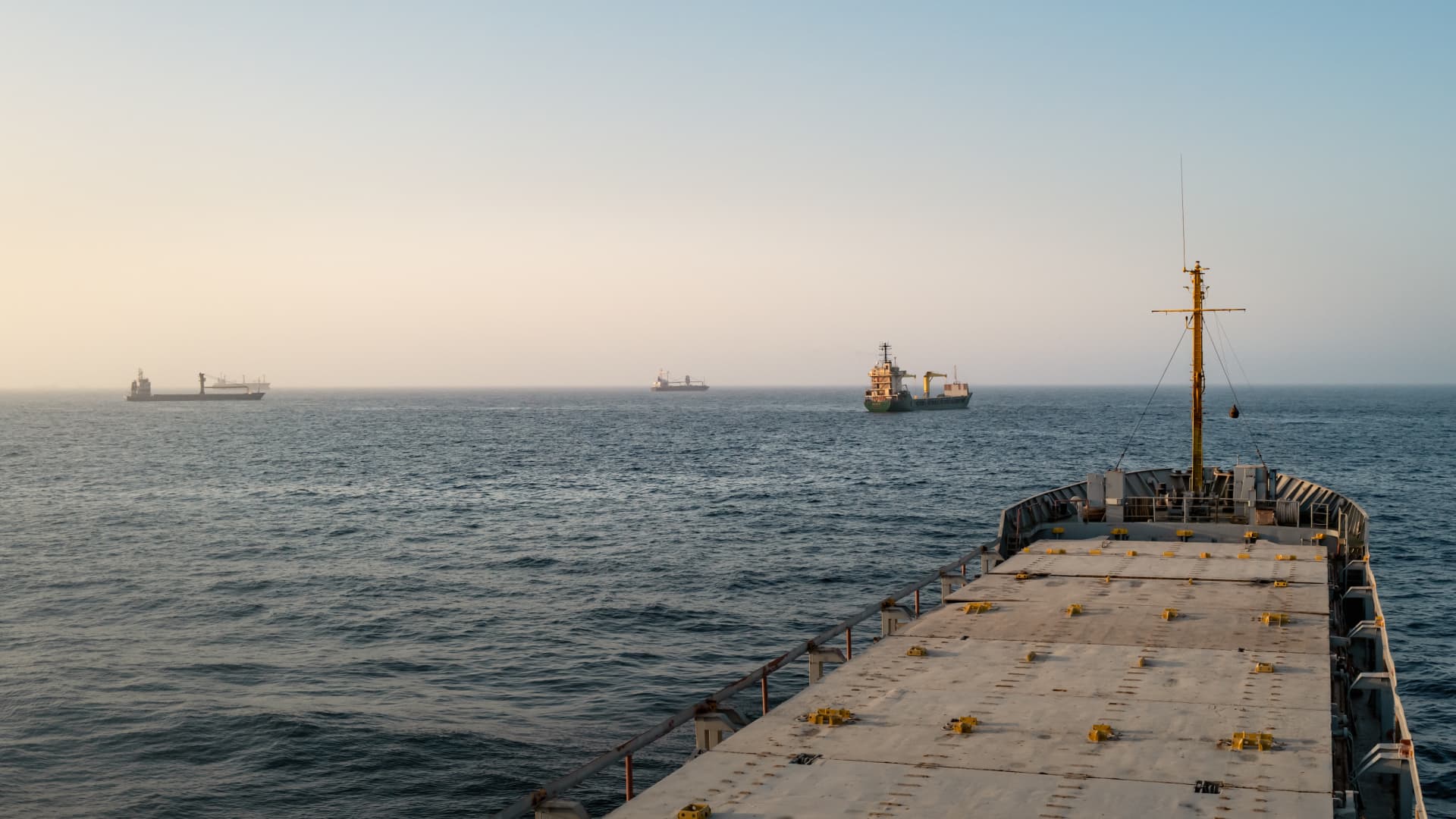
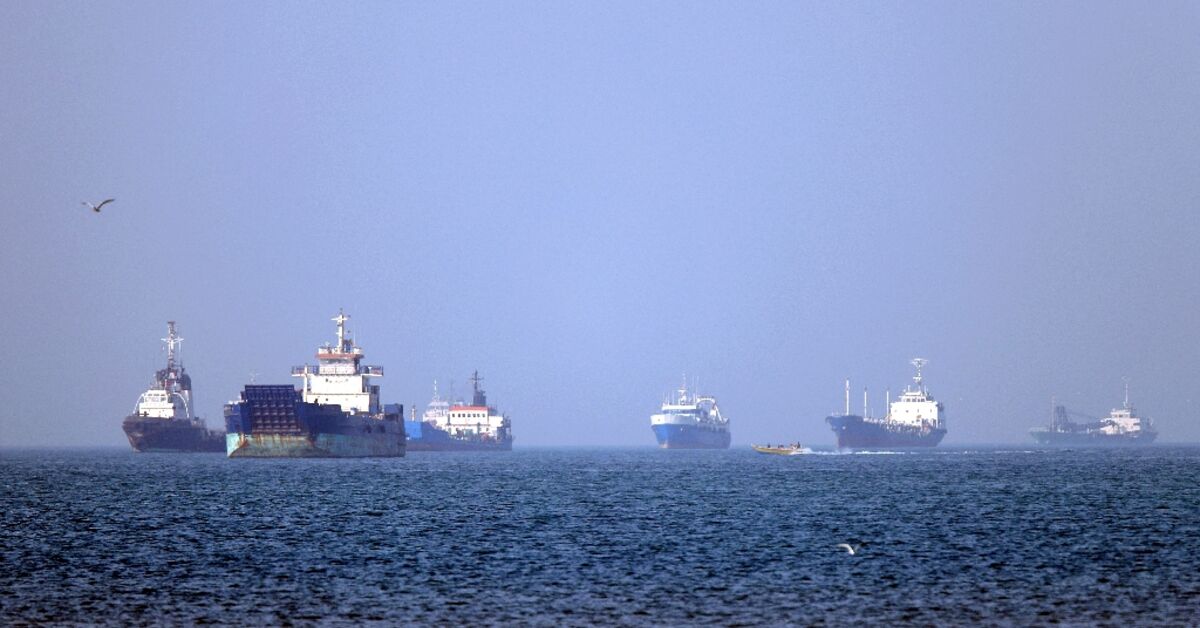
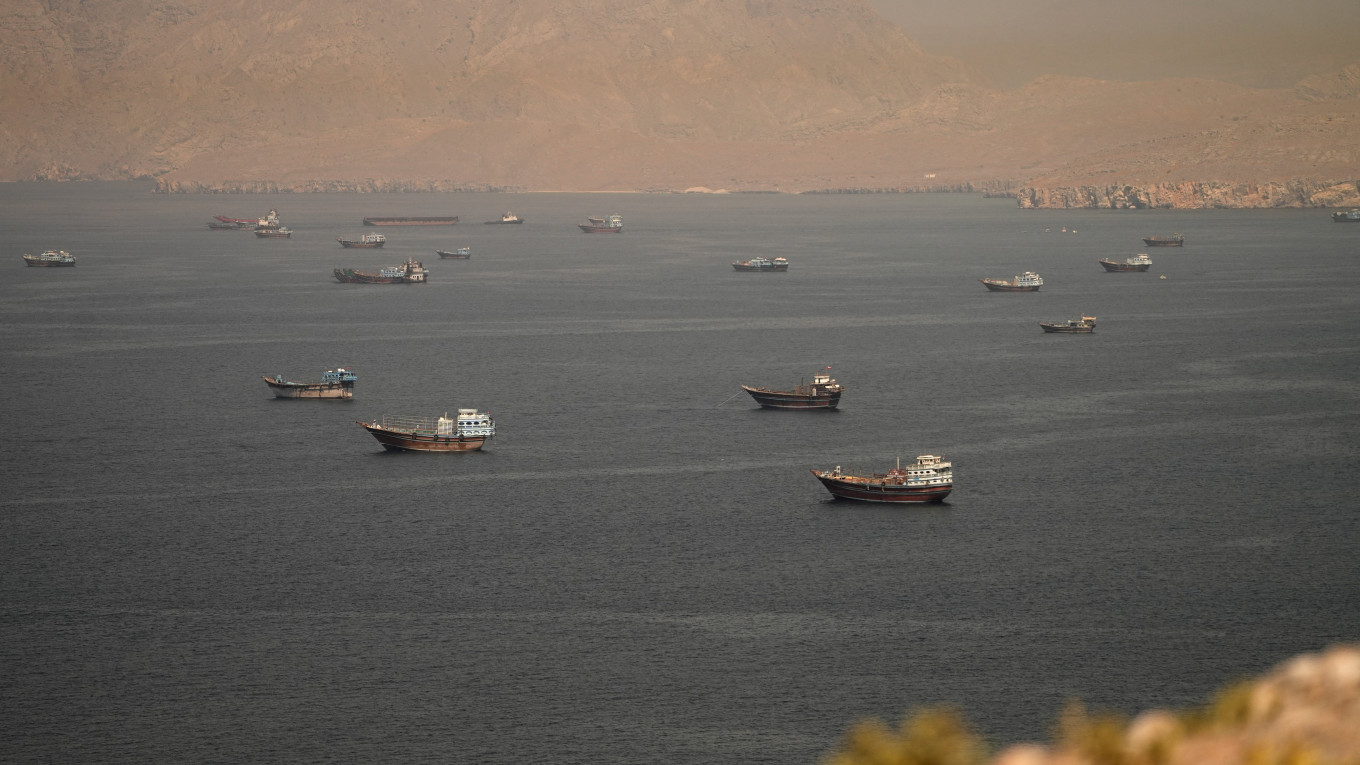
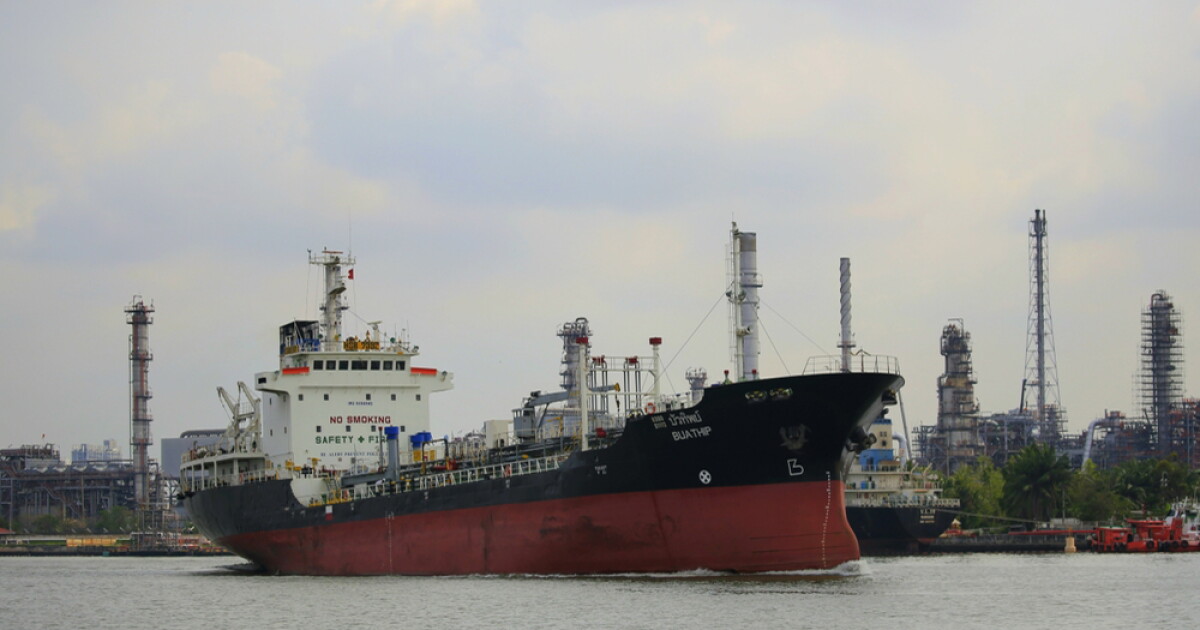
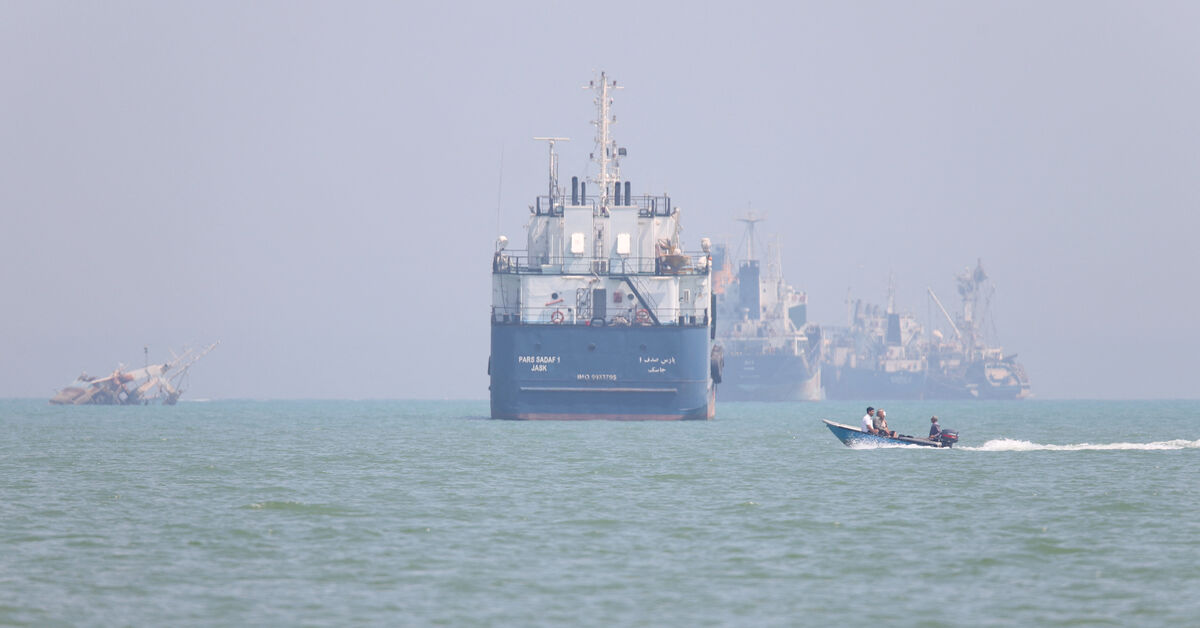
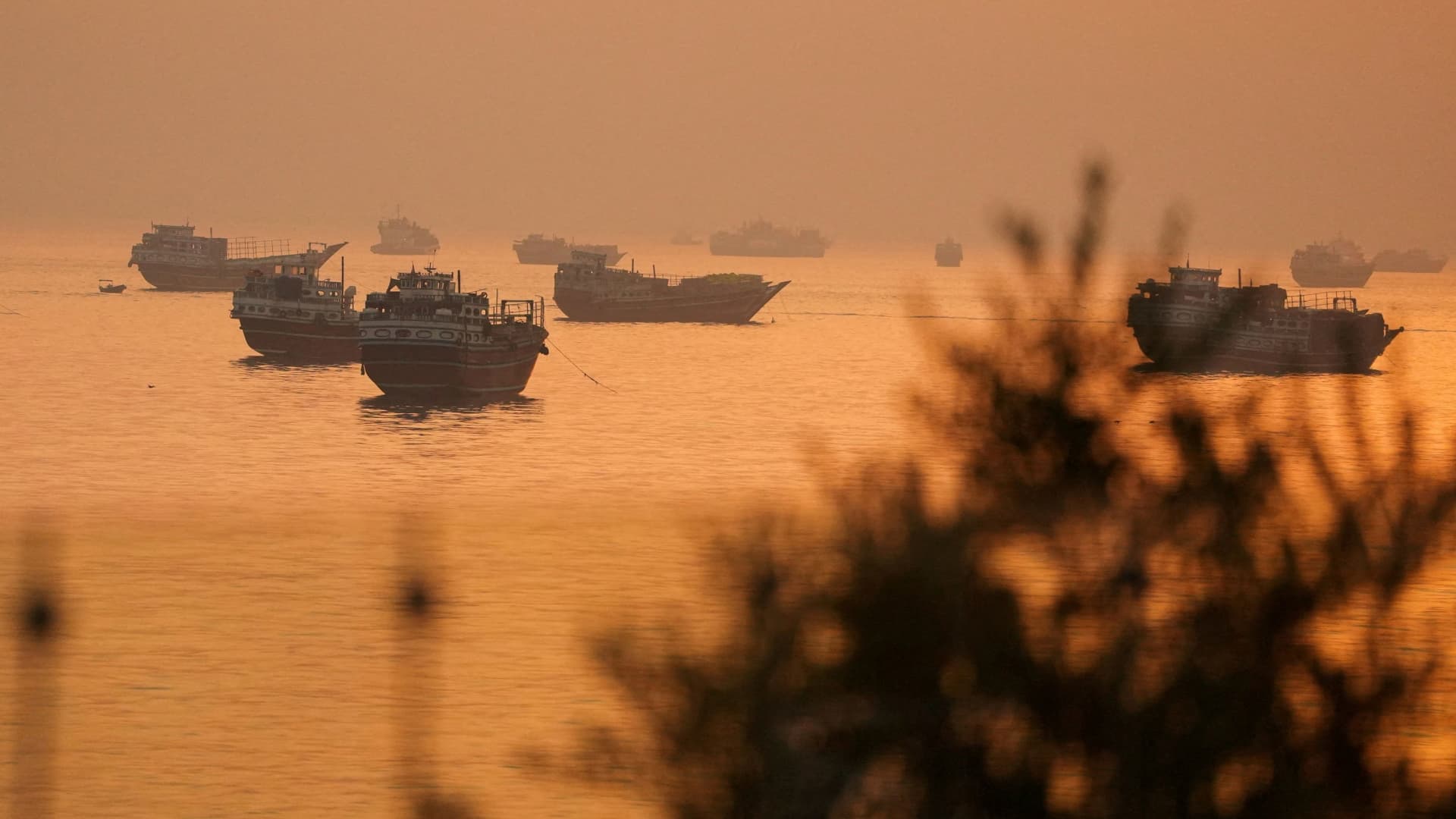
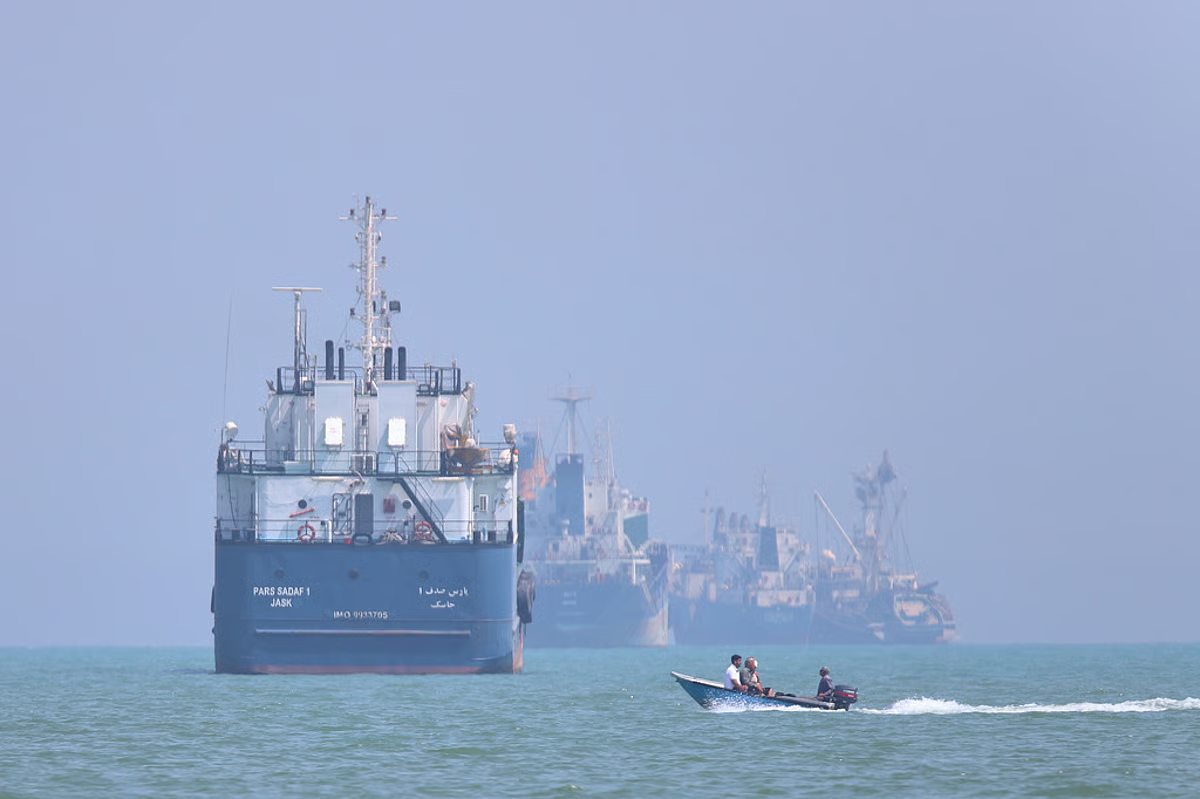
Tanker traffic has resumed through the Strait of Hormuz following the U.S.-Iran memorandum and the lifting of the U.S. naval blockade.
Commercial confidence remains fragile because insurers and shipowners are still assessing whether the security situation is stable enough to normalize operations.
Lebanon has emerged as the biggest risk to the agreement, with Israeli forces remaining in southern Lebanon and clashes continuing despite ceasefire commitments.
Politics, Geopolitics & ConflictEveryone is hoping the U.S.-Iran deal holds, but Hormuz is still operating on political trust instead of commercial confidence. The U.S. has lifted its naval blockade; Iran and the U.S. have signed the 14-point memorandum; and tankers have started moving again through the strait (including Saudi supertankers carrying millions of barrels of crude). Still, shipping companies and insurers have to decide whether the route is safe enough to normalize operations. The mines can be cleared, but without any guarantees that are hoped for from the 60-day negotiation process that now starts, it may be premature. Shipowners need more confidence than they have right now. Lebanon is still the real stress test. The memorandum commits both sides and their allies to end military operations on all fronts, including Lebanon, but Israel has already said its troops will remain in a security zone in southern Lebanon. Iran is warning that continued Israeli occupation could amount to an annulment of the agreement, and Israeli strikes in southern Lebanon have not fully stopped.The Western alliance continues to disintegrate. Defense Secretary Hegseth used this week’s NATO meetings to publicly blast several European allies for refusing U.S. requests to use certain bases and airspace during the Iran conflict, calling their behavior “shameful” and announcing a six-month review of the American military footprint in Europe. The argument is essentially that…