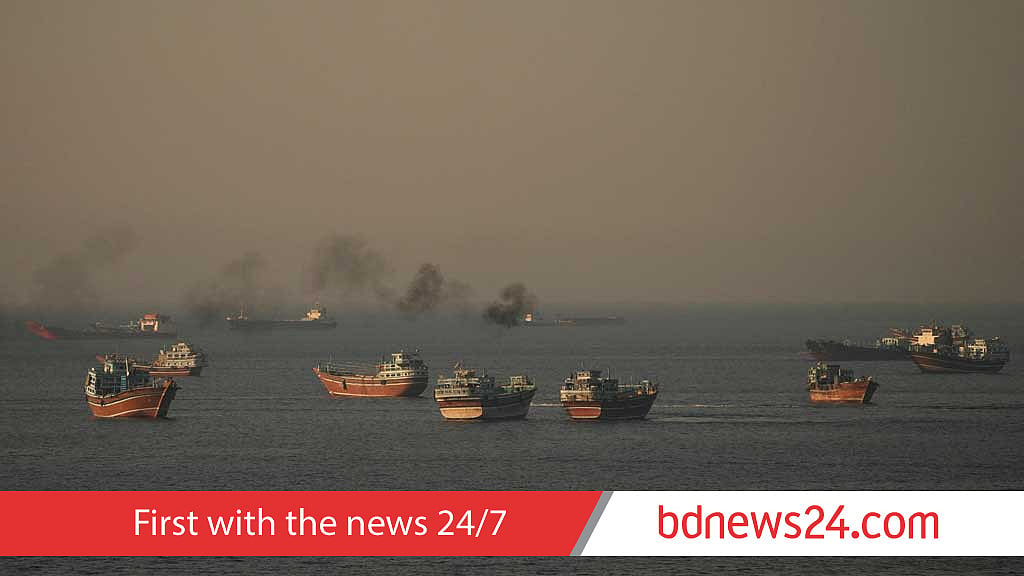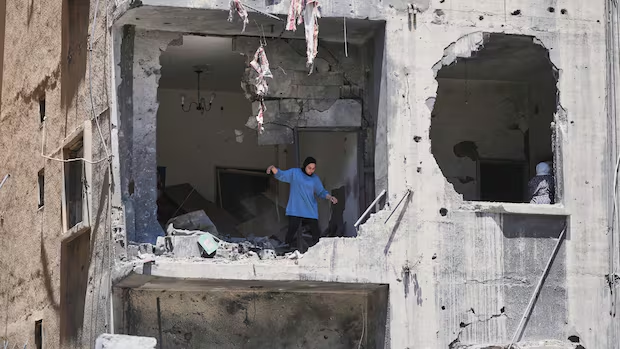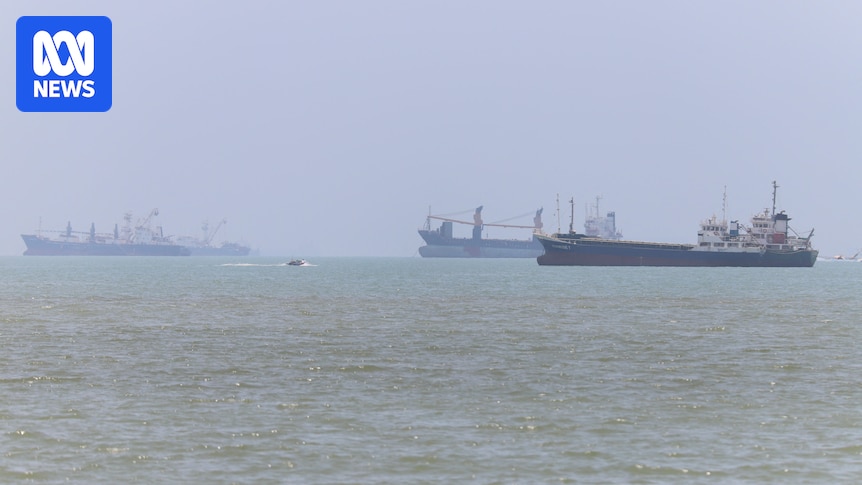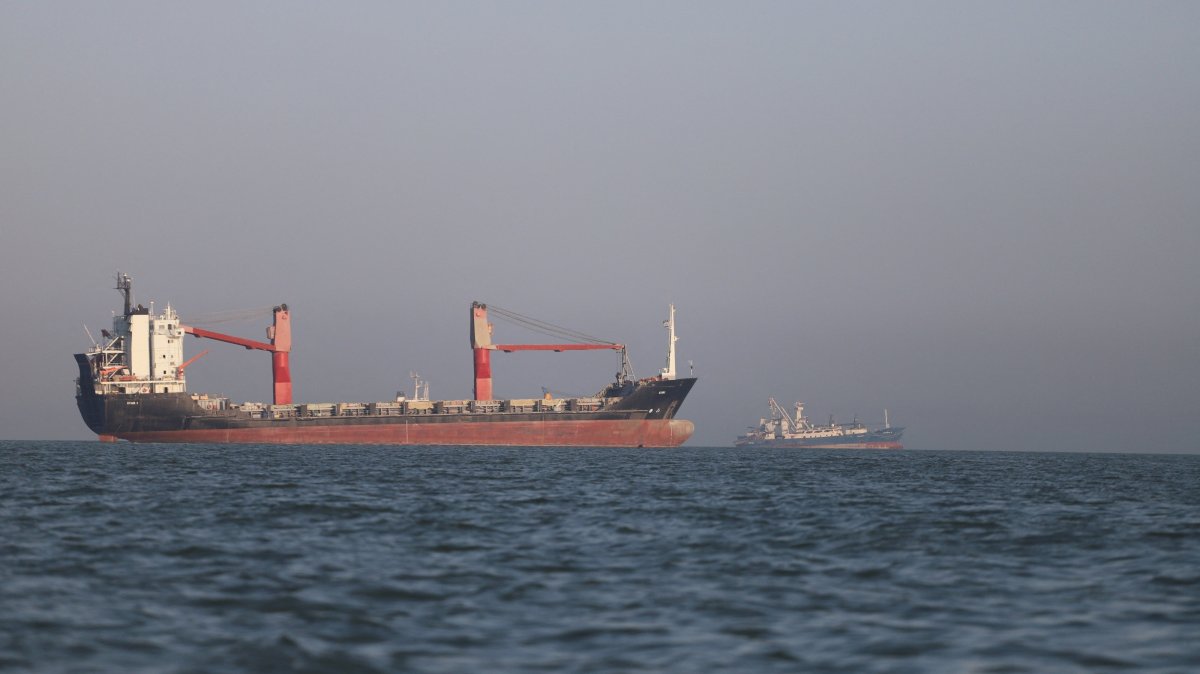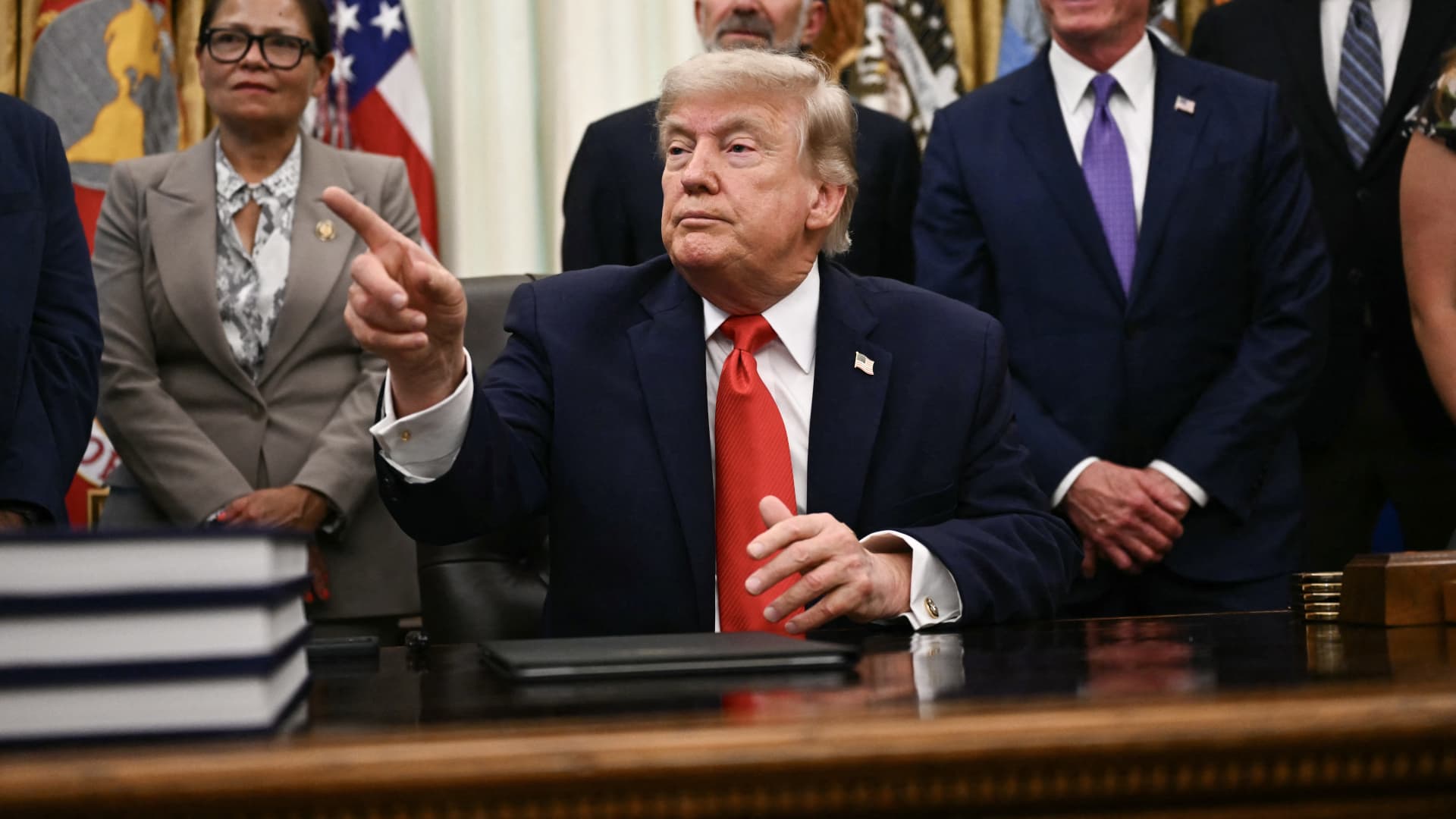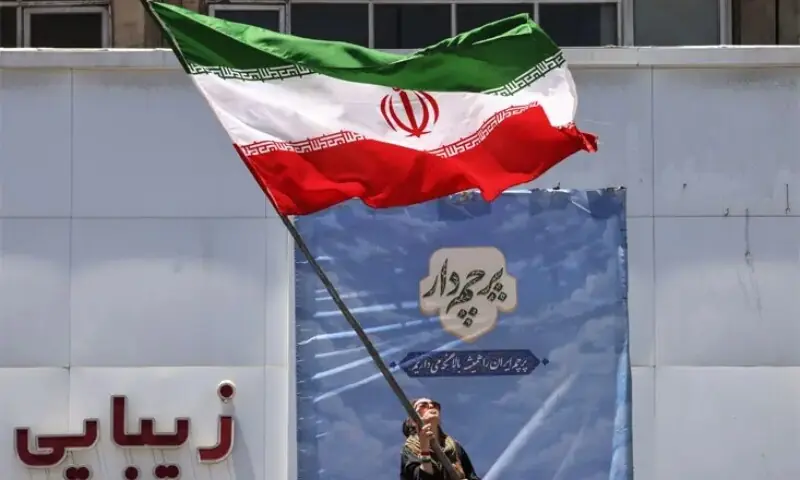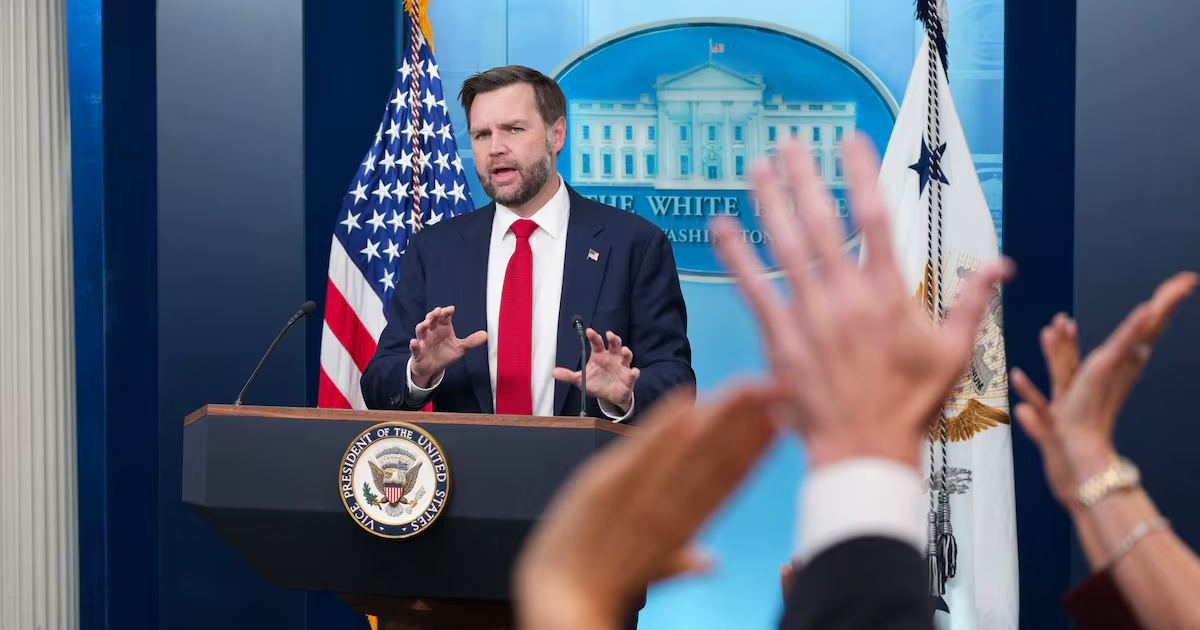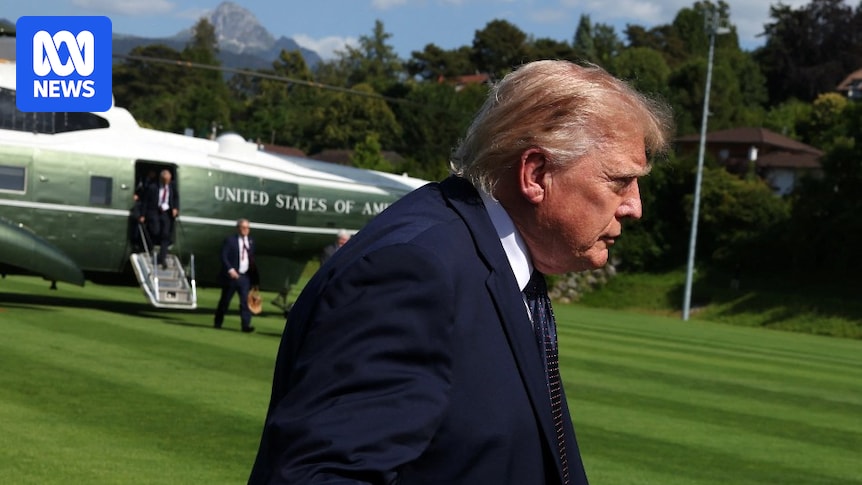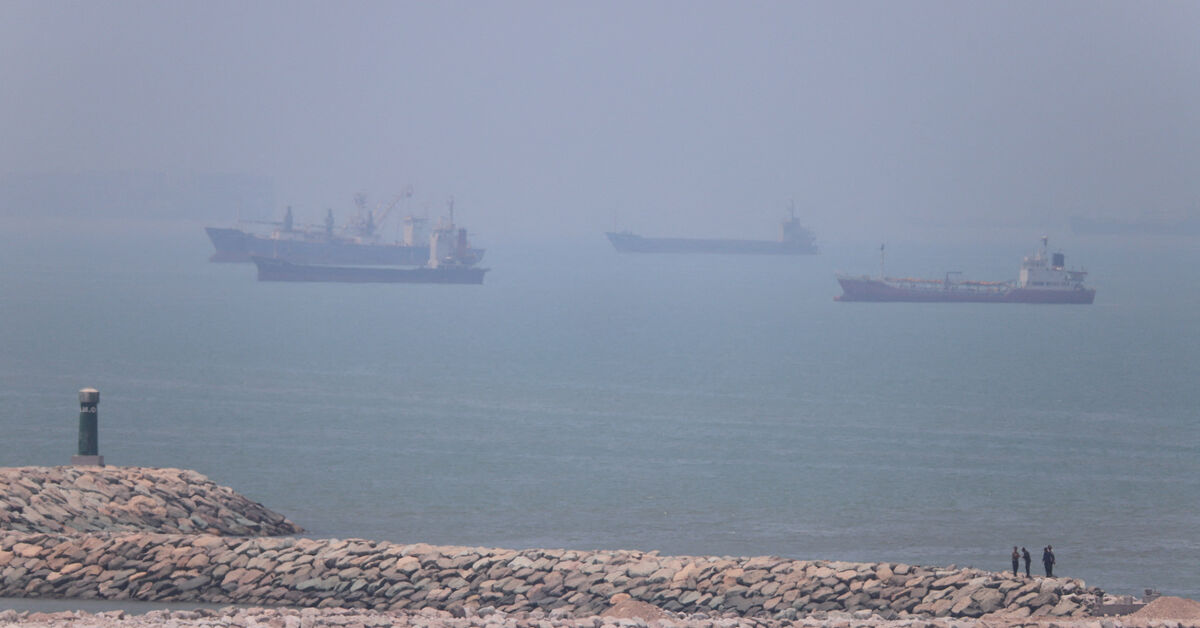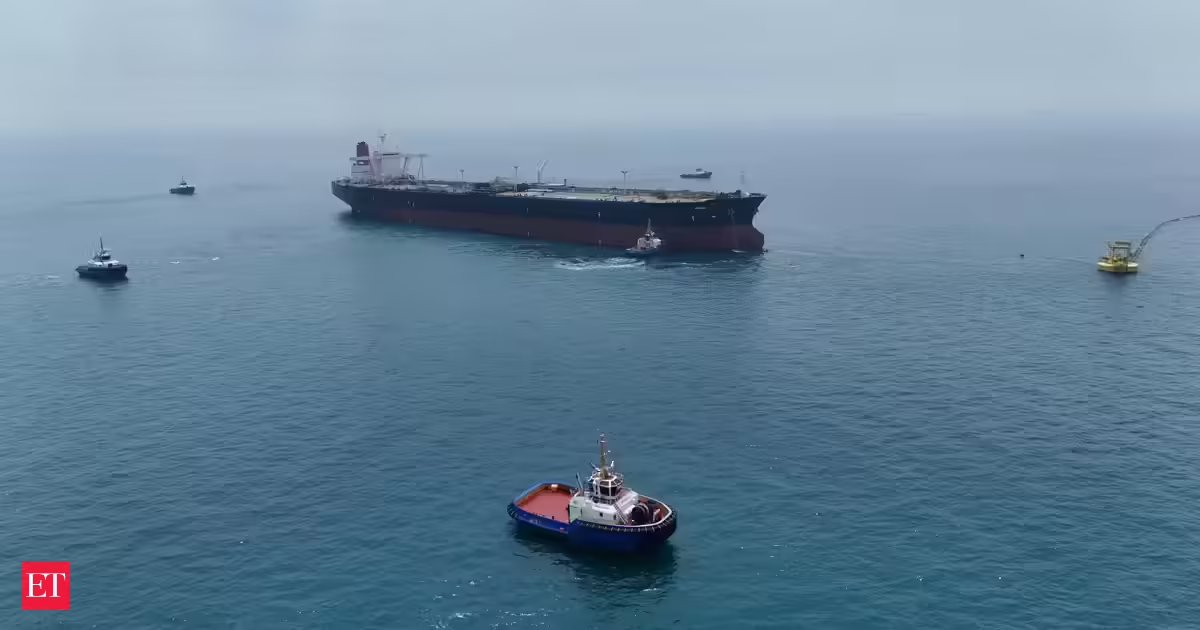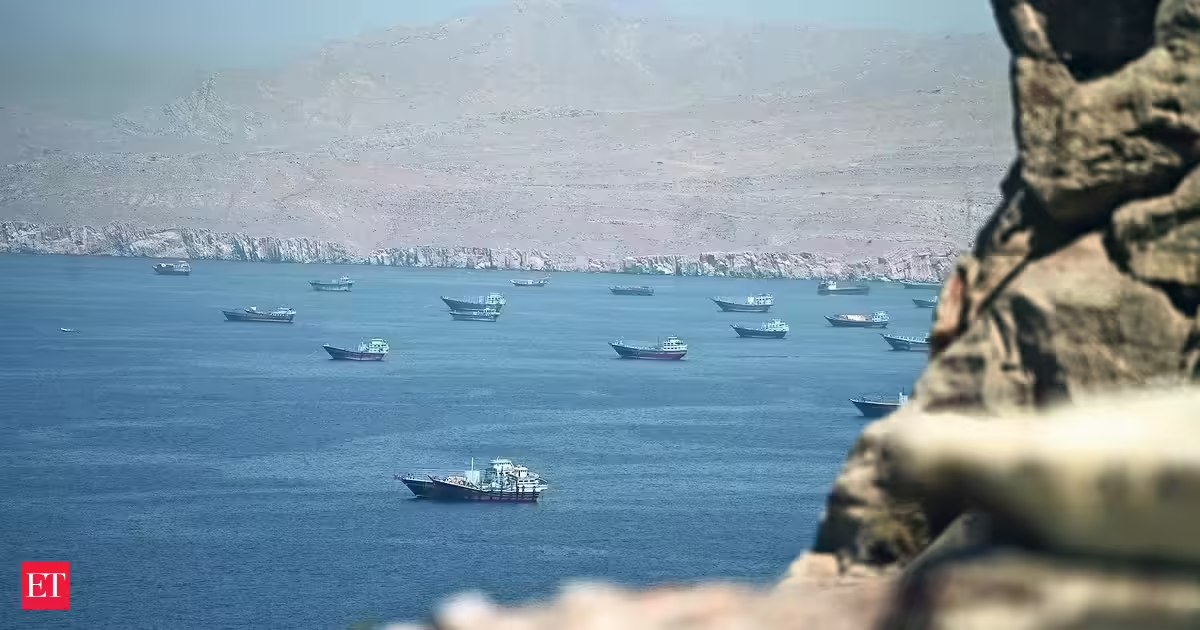
BEIRUT | JERUSALEM | QLAILIEH: Three Saudi-flagged supertankers carrying 6 million barrels of crude sailed through the Strait of Hormuz on Thursday, hours after US President Donald Trump signed a deal with Iran to end the war that has disrupted global energy supplies.But in Lebanon, where more than a million people are displaced by the fighting, Israeli forces launched fresh airstrikes on Thursday morning, raising doubt about how far Trump will go to force his wartime allies to halt an offensive he has now pledged to end.Later in the day, vice president JD Vance said Thursday that the US Navy has allowed more than a dozen ships through to Iranian ports, lifting a blockade as part of an agreement to end the war.Vance made the announcement at a White House press briefing, where he said more oil is now flowing through the Strait of Hormuz. The Republican VP said more than 12.5 million barrels went through the shipping channel on Wednesday night."So, we're also honouring our end of the early part of the agreement on the military side," Vance said, citing it as an immediate benefit of the deal as he downplayed criticism that the agreement tilts in favor of Iran.Iran's Khamenei says he approved US MoU despite reservations; says future talks will be face-to-faceAnd in an extraordinary rebuke, he warned US critics in Israel against "attacking the only powerful ally" it has left. He lashed out at members of the Israeli government, warning them that "Donald J Trump is the only head of state in the world who is sympathetic to the nation of Israel at this moment in time."Vance said he plans to travel to Switzerland for talks on the Iran deal but he doesn't know when that will happen. He had been expected to lead talks on implementing the agreement with Iran aimed at diluting its stockpile of highly enriched uranium and restarting oil traffic through the Strait of Hormuz.Benchmark Brent crude futures prices fell by another 2% to below $78 a barrel, lowest since the shooting began.What sanctions are there on Iran and will they be lifted?The US-Iranian MoU starts the clock on a 60-day negotiation period to reach a final settlement, which Trump launched in February alongside Israeli Prime Minister Benjamin Netanyahu.LEBANON a part of pactBut Israel, which launched an invasion in March and has since seized a large swathe of southern Lebanon in its pursuit of Hezbollah militants who opened fire across the border, was excluded from the negotiations. Iran has said that any peace deal must also cover Lebanon. The MoU calls for the "permanent termination" of the war in Lebanon and for its "territorial integrity and sovereignty" to be ensured.
Mixed signs of peace: 3 Saudi oil tankers cross Hormuz, Israel strikes Lebanon
Vice president JD Vance said he plans to travel to Switzerland for talks on the Iran deal but he doesn't know when that will happen. He had been expected to lead talks on implementing the agreement with Iran aimed at diluting its stockpile of highly enriched uranium and restarting oil traffic through the Strait of Hormuz.
448 words~2 min read