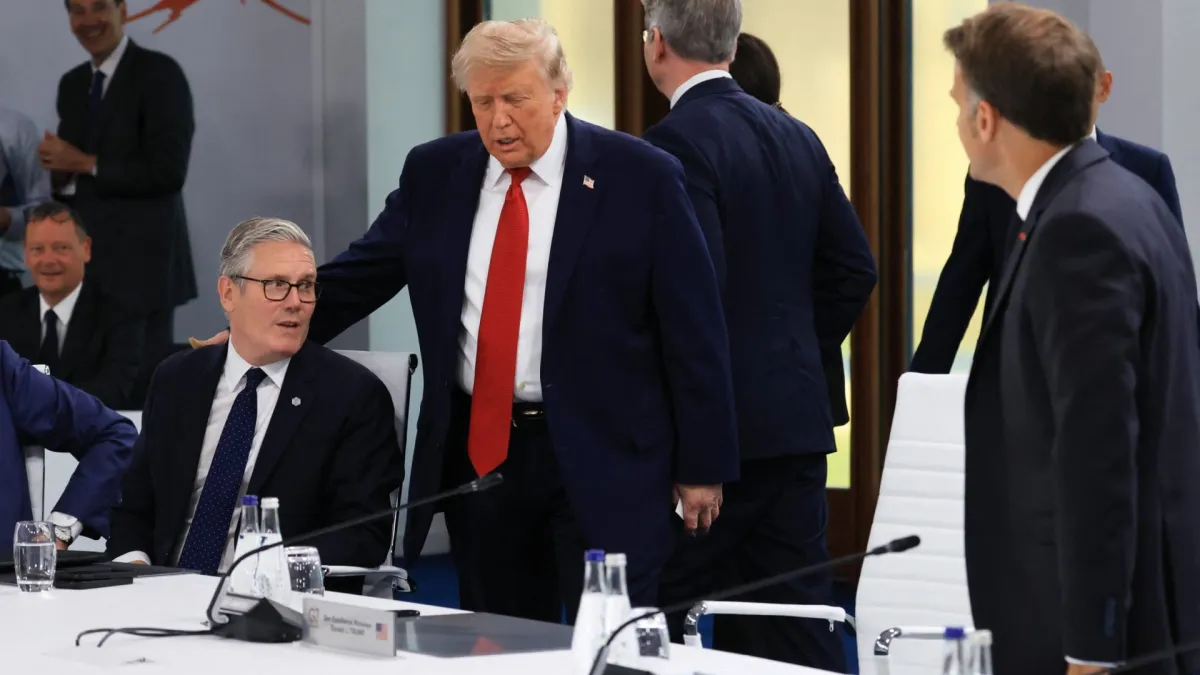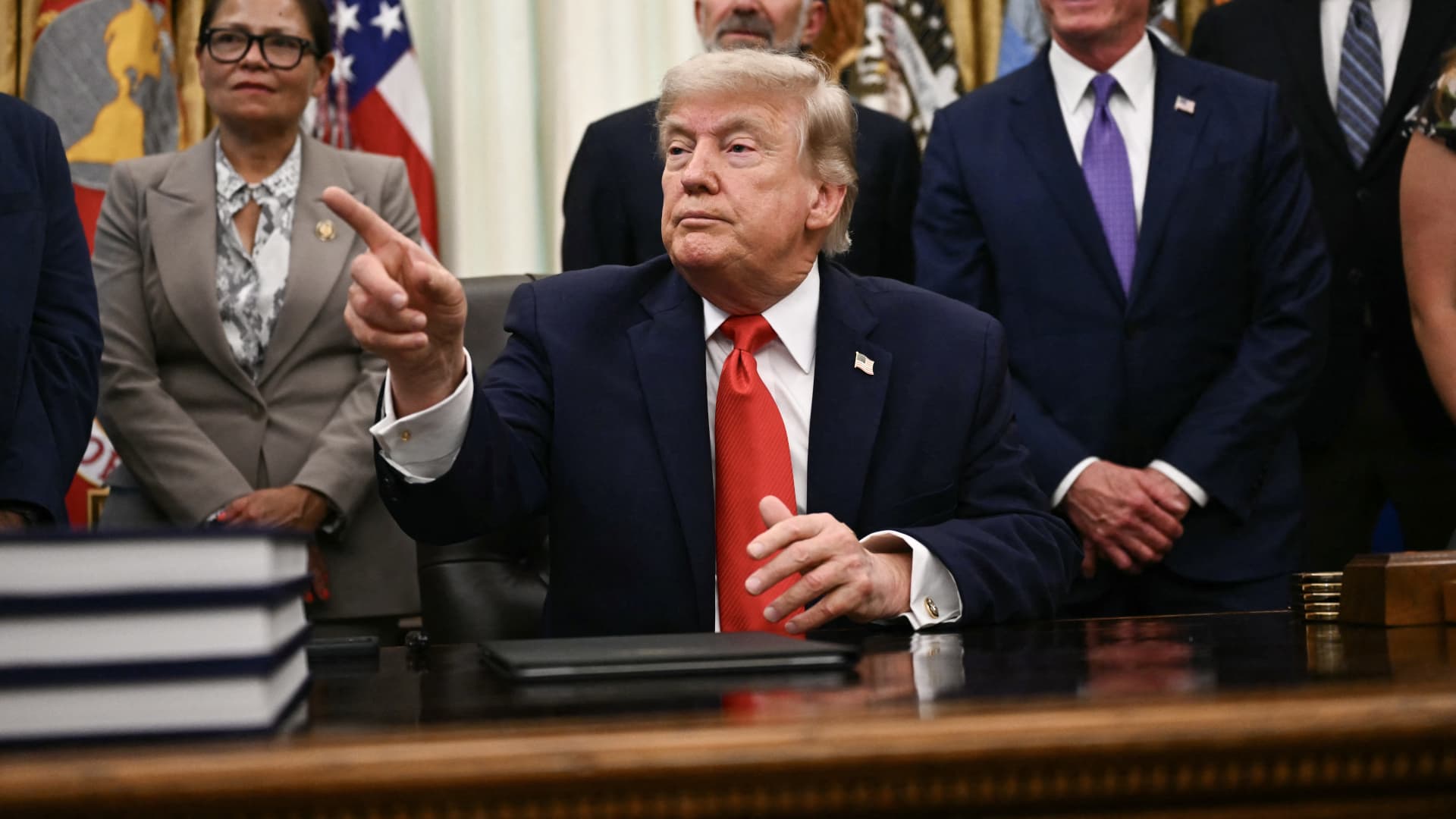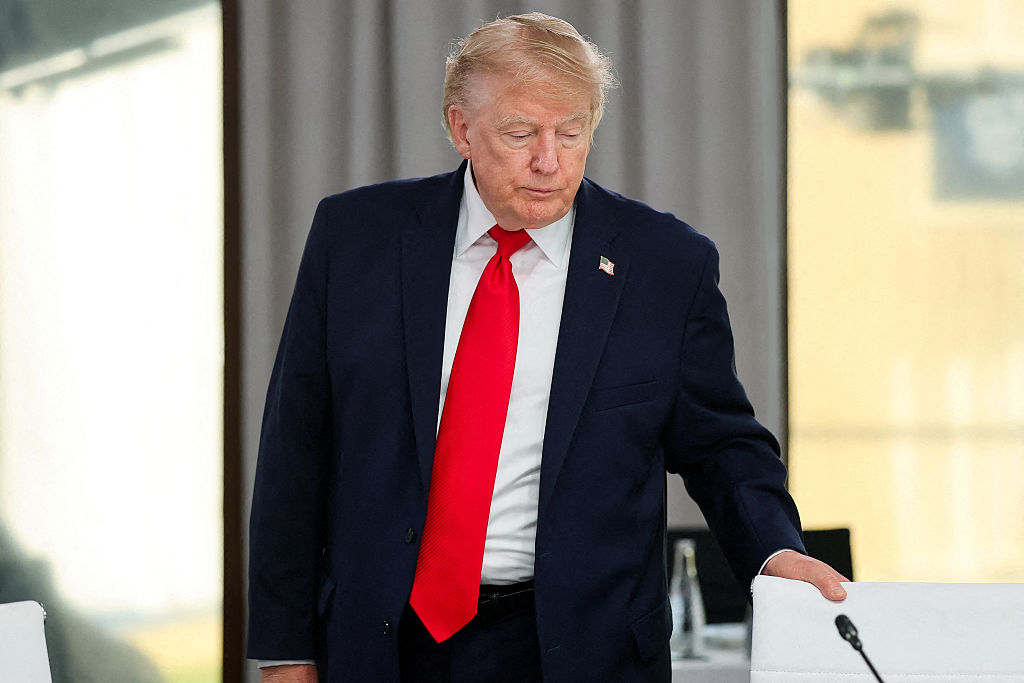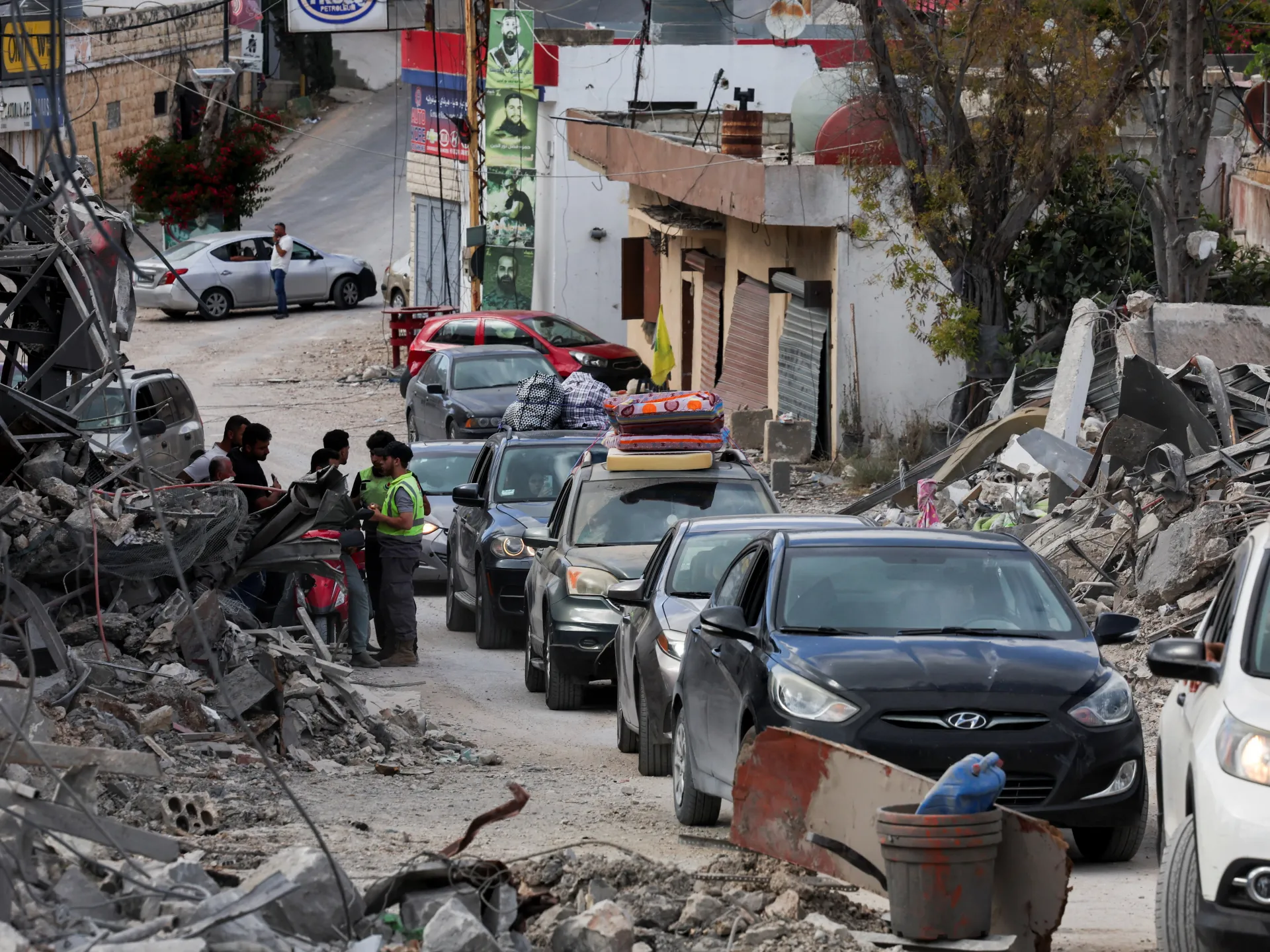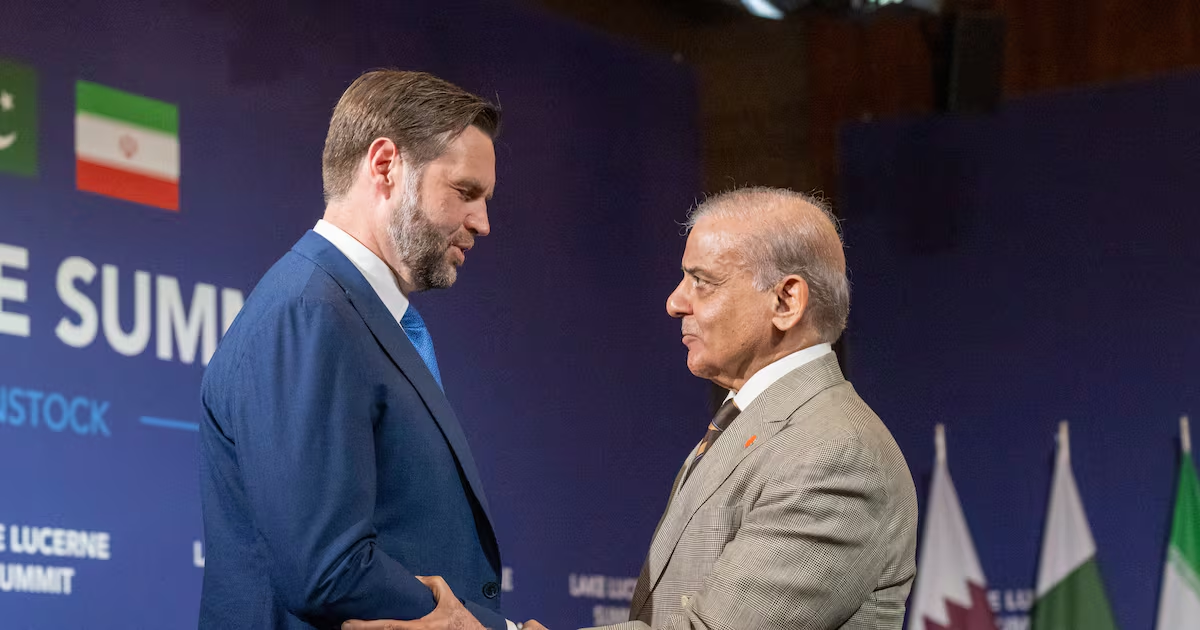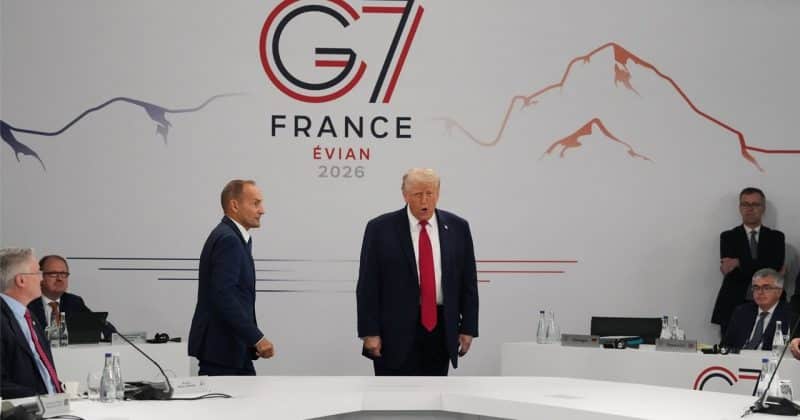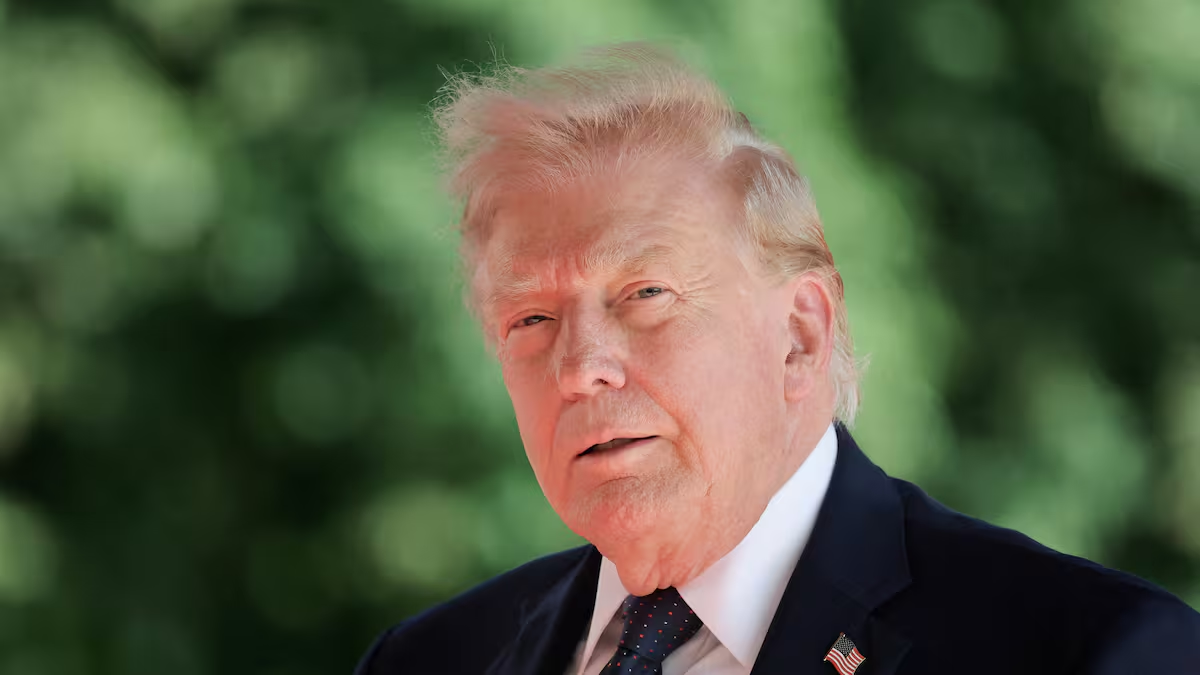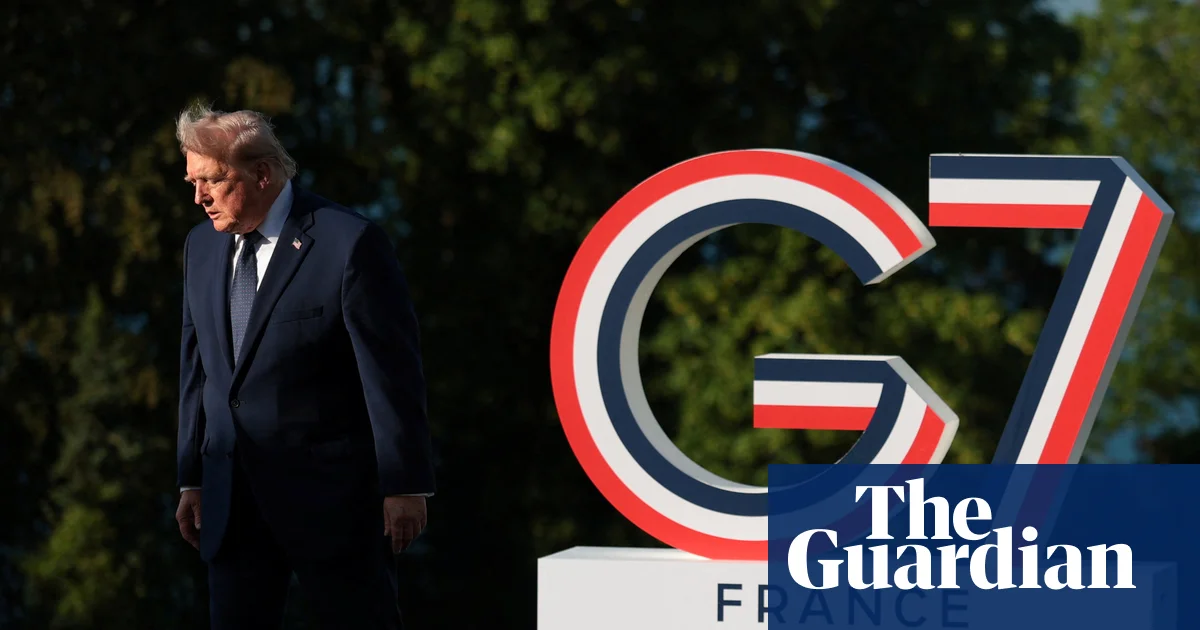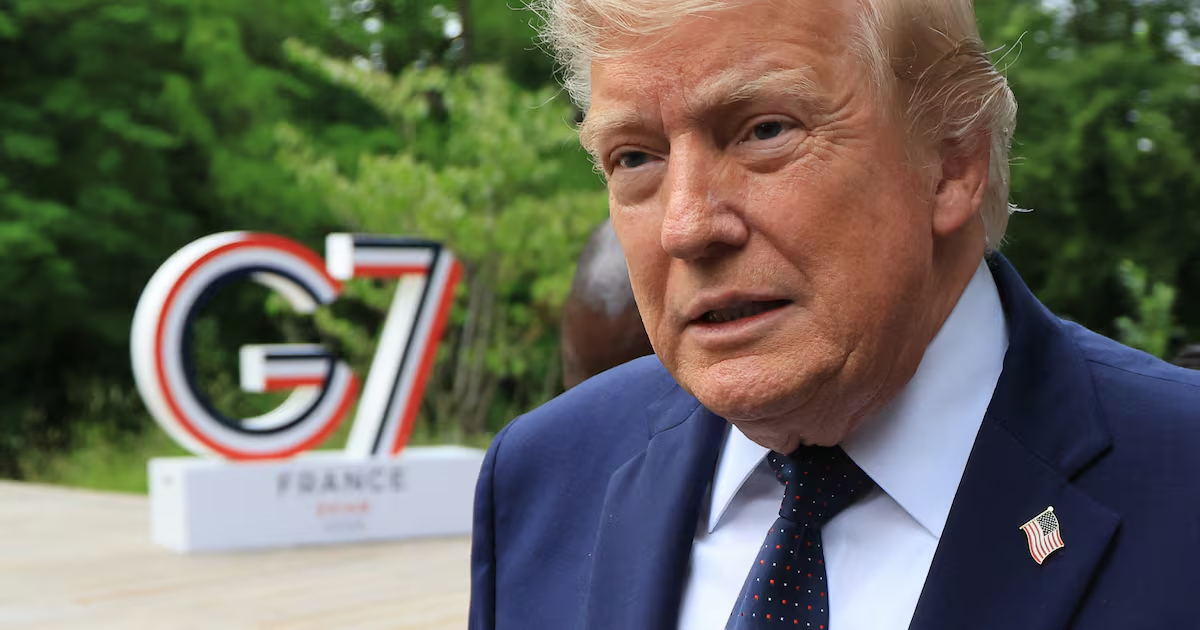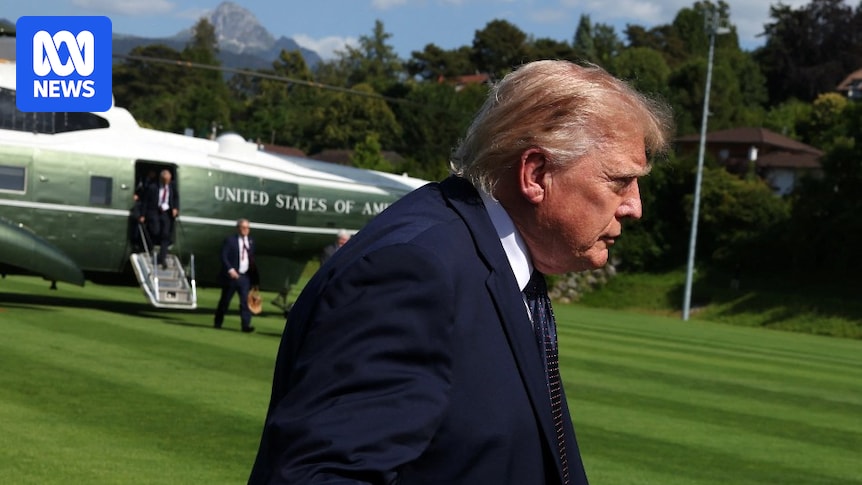
Israel's plan to keep its forces in Lebanon could prove a stumbling block for Donald Trump's "peace deal" with Iran, as Israeli politicians criticise the agreement and mixed messages come from the nations involved.The memorandum of understanding was electronically signed by the US president and Vice-President JD Vance on the weekend, a US official said.Iranian parliamentary Speaker Mohammad Baqer Qalibaf signed it on Iran's behalf, the official said."The deal's all signed," Mr Trump said shortly afterwards, upon arrival in France for the G7 summit.Donald Trump touches down in France for the G7 Summit on Monday. (Reuters: Evelyn Hockstein)Many of the terms of the agreement remain unknown, although Mr Trump said details would be released "sometime after Friday".The agreement is not an all-inclusive peace deal, but does provide a framework for ongoing negotiations on issues such as the future of Iran's nuclear program over the next 60 days, while lifting some of the wartime measures that have been imposed, such as the chokehold on the Strait of Hormuz.On Monday, local time, a White House official said the deal's full details would be made public in the next 48 hours.But shortly afterwards, Mr Trump said the agreement's specifics would be released after it was officially signed at a ceremony on Friday. Reports in Iranian media cast doubts on elements of the deal. (WANA: Majid Asgaripour via Reuters)Iranian state media is also reporting claims that call into question the US president's insistence the Strait of Hormuz will be permanently reopened with "no tolls" charged to shipping companies. It remains unclear how Lebanon features in the ceasefire deal that has been signed, although Iran has previously demanded Israel cease its attacks on its neighbour as part of negotiations.The US says Iran will not be rewarded with sanctions relief or the unfreezing of assets until concrete milestones are met.Mr Vance and Mr Qalibaf are expected to take part in the signing in Geneva.Netanyahu awaiting full detailsIsraeli Prime Minister Benjamin Netanyahu made his first official comments from Jerusalem on Monday evening, local time. His silence to that point had seemed to reflect anger in the Israeli government and military over the deal, viewing it as a capitulation to Iran and its proxies.He avoided mentioning the agreement in his opening remarks and only revealed after questioning that he did not know the full details of it.He focused his comments on what he described as the successes of the war in saving Israel "from the threat of nuclear annihilation".But of specific concern to Israel is that it would force an end to the fighting in Lebanon, where the Israeli military has been targeting the Iranian-backed militant group Hezbollah since early March.Fighting eased in southern Lebanon on Monday, although some artillery strikes were reported. An Israeli drone attack on a car near the village of Kfar Tebnit killed at least one person, according to Lebanese authorities.Hezbollah said it fired rockets and drones at Israeli forces in southern Lebanon on Monday.Israel's defence minister had declared his country's forces would not withdraw from territory seized and occupied during Israel's invasion of Lebanon in March.A US official told media in Washington, including the ABC, that Israel's withdrawal from Lebanon was not a condition of the 60-day ceasefire agreement.Mr Netanyahu said "deep security zones around the state of Israel" had been established, including in Lebanon."And I want to make it clear, we will remain in the security zones as long as it takes to protect our country," he said.He defended his personal relationship with Mr Trump following reports the US president tore into him in a phone call on Sunday night after Israel launched a strike on southern Beirut. Mr Netanyahu said the pair did not always see eye to eye.Hezbollah, considered a terrorist organisation under Australian law, praised its Iranian backers in reaching the agreement and insisted it reserved its right to self-defence.Cautious optimism in BeirutLebanon's president, Joseph Aoun, welcomed the deal and released a statement saying he hoped it would "put a definitive end to the cycle of violence, and establish a phase of stability, security, recovery, and reconstruction".On the streets of Beirut, there was cautious optimism that the deal would mean the US had used its influence to stop Israel launching further attacks on Lebanon."That's why Israel is angry. Israel wants [Hezbollah] weakened and submissive, doing whatever Israel wants," taxi driver Nabil Hanna, 56 told the ABC."But now things have changed, America will not accept that."He said the war in Lebanon had fuelled an immense humanitarian crisis, which would take a long time to recover from.Many people in the country's capital are sceptical about the situation in their country and region, despite the ceasefire."We don't see any light in the tunnel so far," Ghassan el Nawar, 58, told the ABC. "I doubt in the short term it will affect our situation here in Lebanon."I'm sure the Israelis can violate the agreement. Sometimes they can hit here and there … so God knows what will happen in the future."Ghassan el Nawar is sceptical about whether the ceasefire deal will last. (ABC News: Cherine Yazbeck)Many world leaders have welcomed the ceasefire agreement.However, Mr Trump could still face a frosty reception from multiple foreign leaders at the G7 gathering, including France's Emmanuel Macron, Britain's Sir Keir Starmer and Germany's Friedrich Merz, who have all been critical of the US president's handling of the war in the Middle East.Strait must be toll-free under deal, US saysMr Macron has said France and Britain were standing by to lead a mission to de-mine the strait.A US official said about 25 ships had been getting through the strait per day. The US expected that to increase to 40 or 50 pretty quickly, they said.The official said there would not be tolls imposed during the ceasefire deal's 60-day negotiation period, and that they expected there would be no tolls in the final agreement.Mr Trump told reporters in France the strait was "already partially opened"."As you know, they're doing a little hunting for a couple of mines that they've already found," he said."But it's essentially ships are starting to go out now. On Friday, it'll be completely opened."Iranian state media has released fresh details of what the 14-point plan could include, and a suggestion Iran will charge ships to transit through the shipping channel after the initial ceasefire period.Summit to discuss deal's detailsThe deal is expected to dominate discussion at the three-day G7 summit in the resort town of Évian-les-Bains, which got underway on Monday, although Mr Netanyahu has not been invited.The area around Évian-les-Bains, on the shores of Lake Geneva, is in lockdown as upwards of 15,000 police and soldiers control access to the summit.Sir Keir Starmer has been critical of the way Donald Trump has handled the war. (Reuters: Christian Hartmann)Twenty-seven border crossings from Switzerland into France have also been closed for the duration of the conference and there are multiple layers of security and checkpoints surrounding the G7 venue.Australia has been invited to the summit multiple times, but was not asked to this year's gathering.As the conference got underway, European Commission President Ursula von der Leyen said there could be no peace in the Middle East while "Lebanon is in flames".Anger in IsraelThe deal was criticised by prominent Israeli politicians, from within the right-wing Netanyahu coalition and opponents of the government.Far-right national security minister Itamar Ben-Gvir insisted Israel was not bound by the agreement."We must continue to act in Lebanon. We must continue to be independent," he told reporters in Jerusalem."We love President Trump, but we do not accept the agreement he signed, and we must continue on our path."Former IDF deputy chief turned politician Yair Golan said the deal had been made "over Israel's head" and was evidence of the prime minister's weakness.Far-right Finance Minister Bezalel Smotrich suggested in a social media post the agreement was a win for Iran and bad "for the entire free world".
Trump and Iran sign deal, sparking anger in Israel as G7 begins
Conflicting information is being released about the US-Iran ceasefire agreement announced at the weekend, including whether Iran will introduce tolls on the Strait of Hormuz in the future.
1,312 words~6 min read