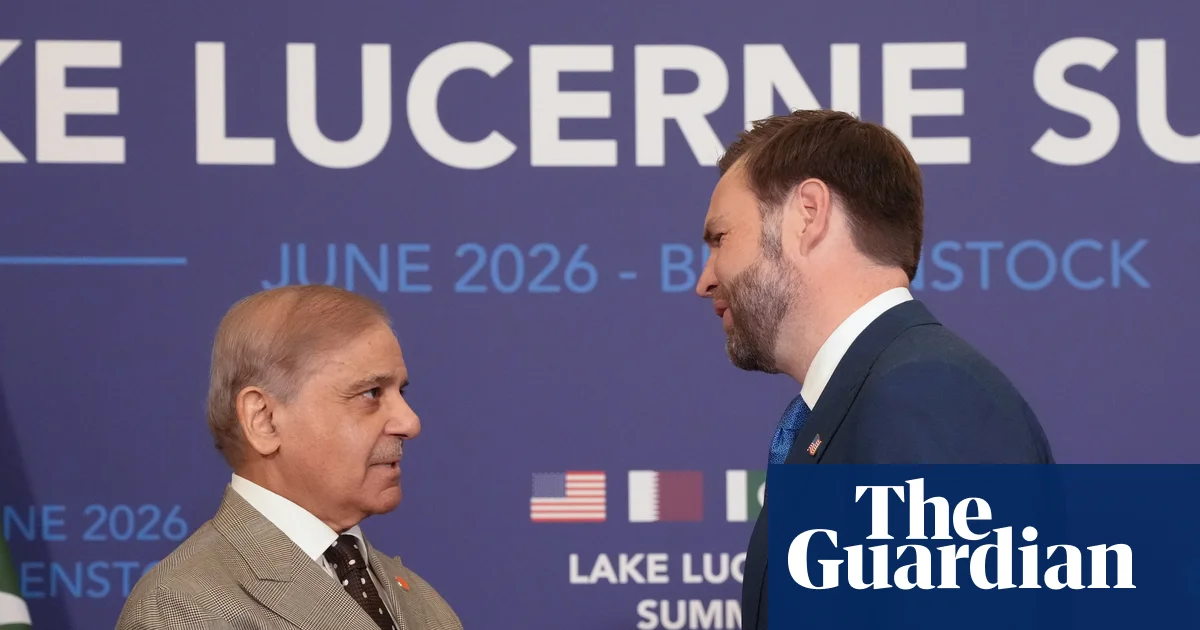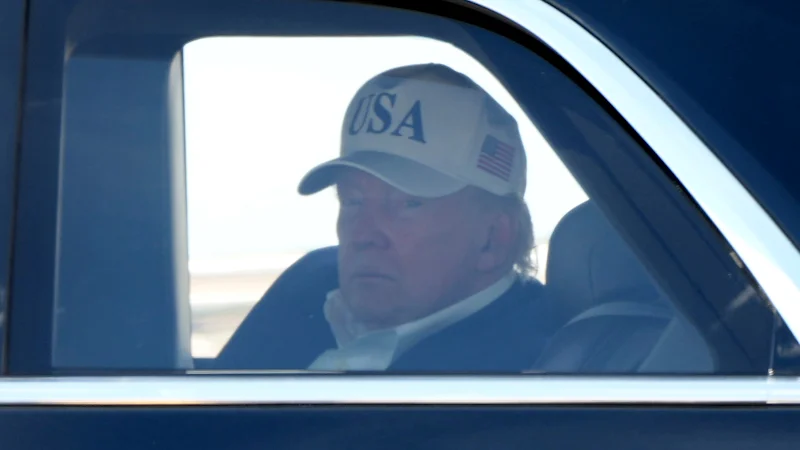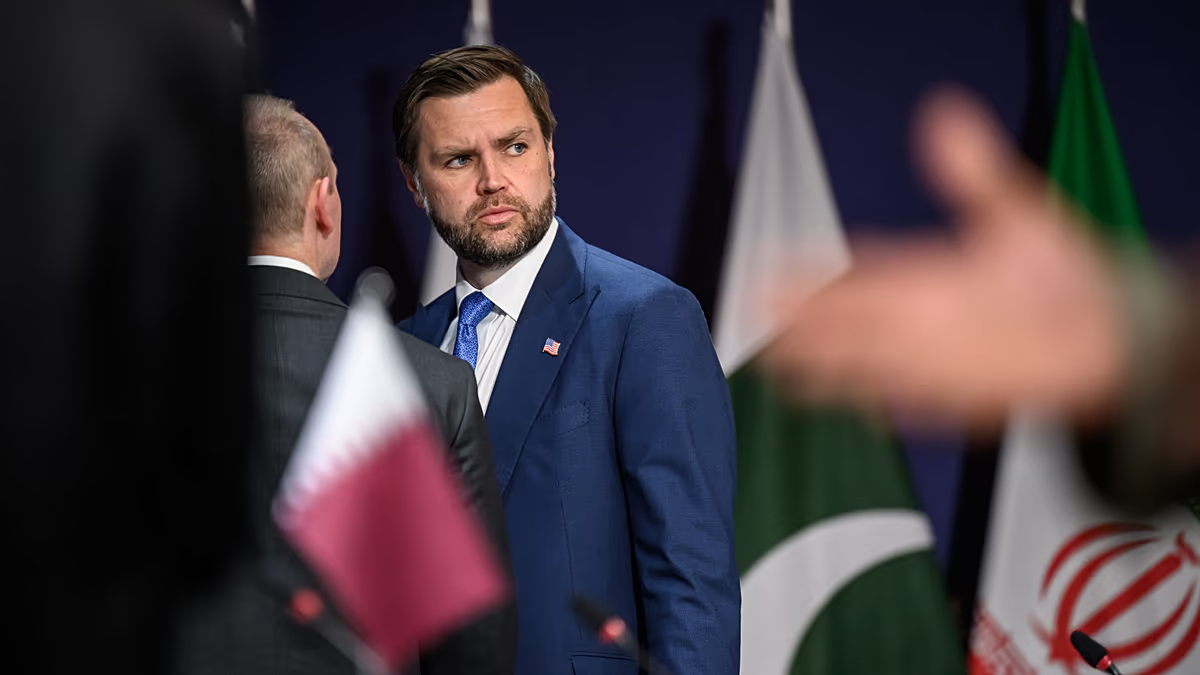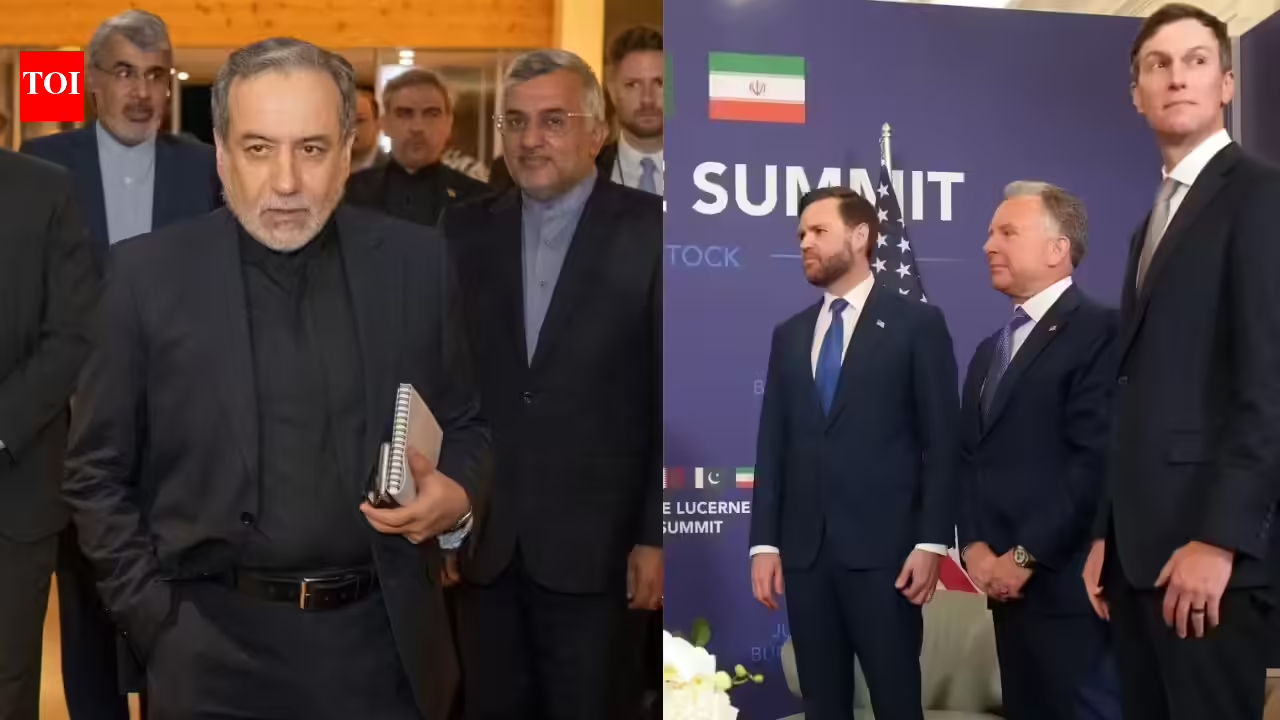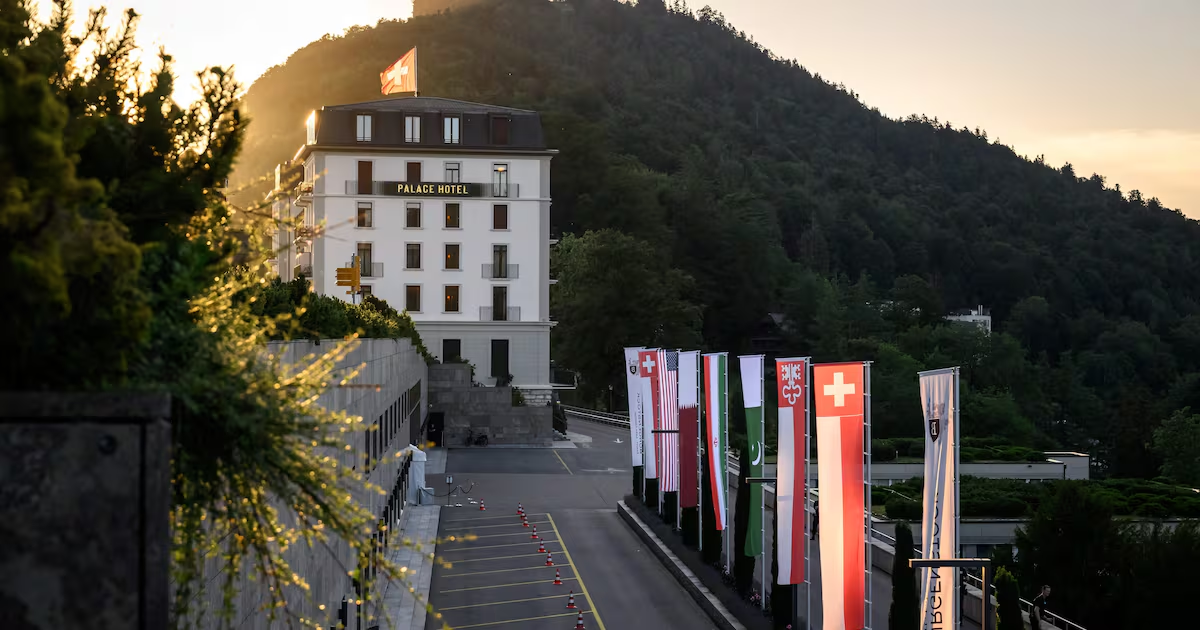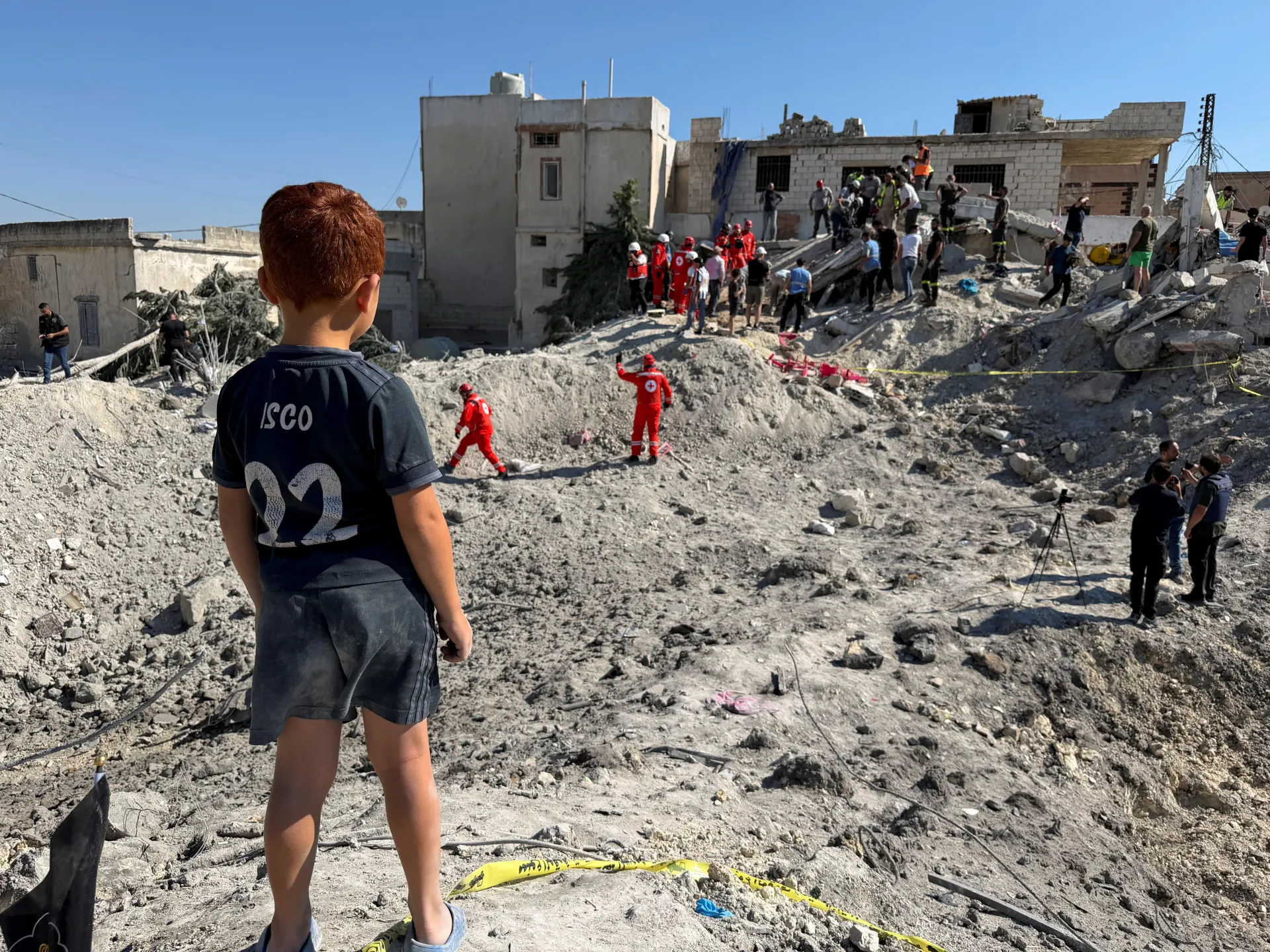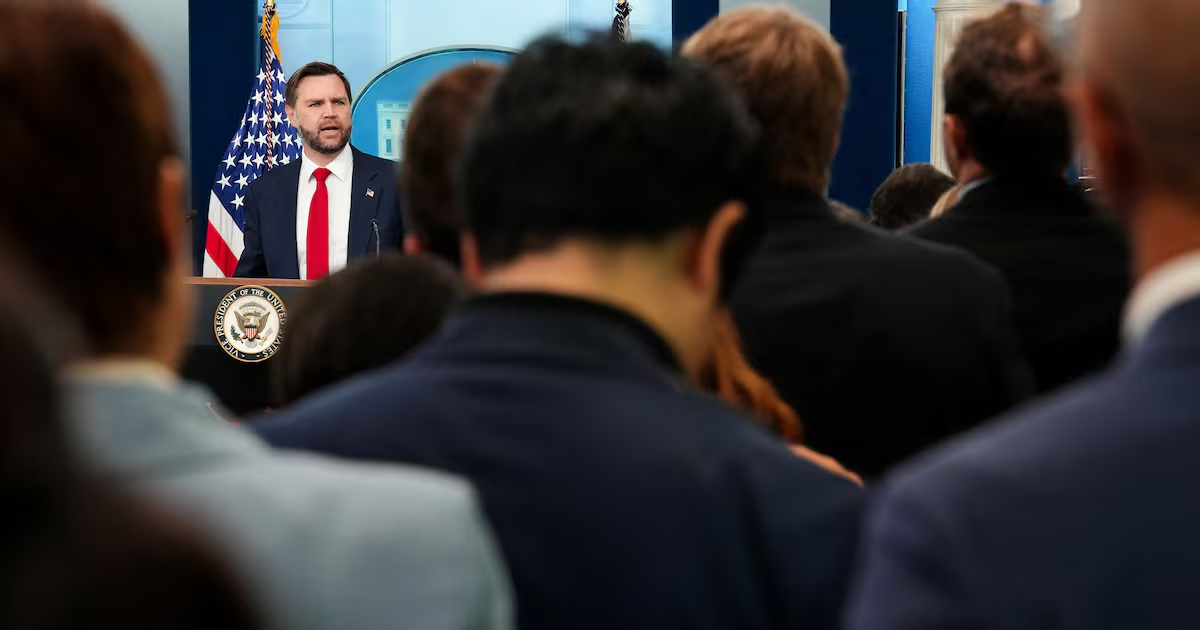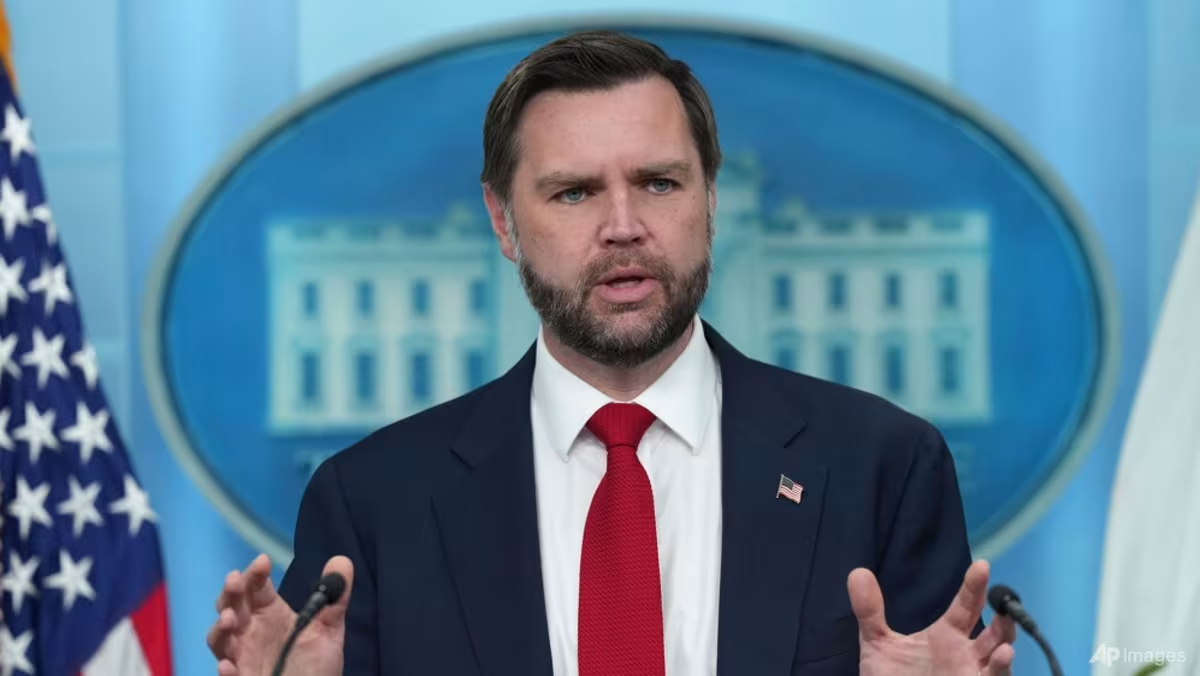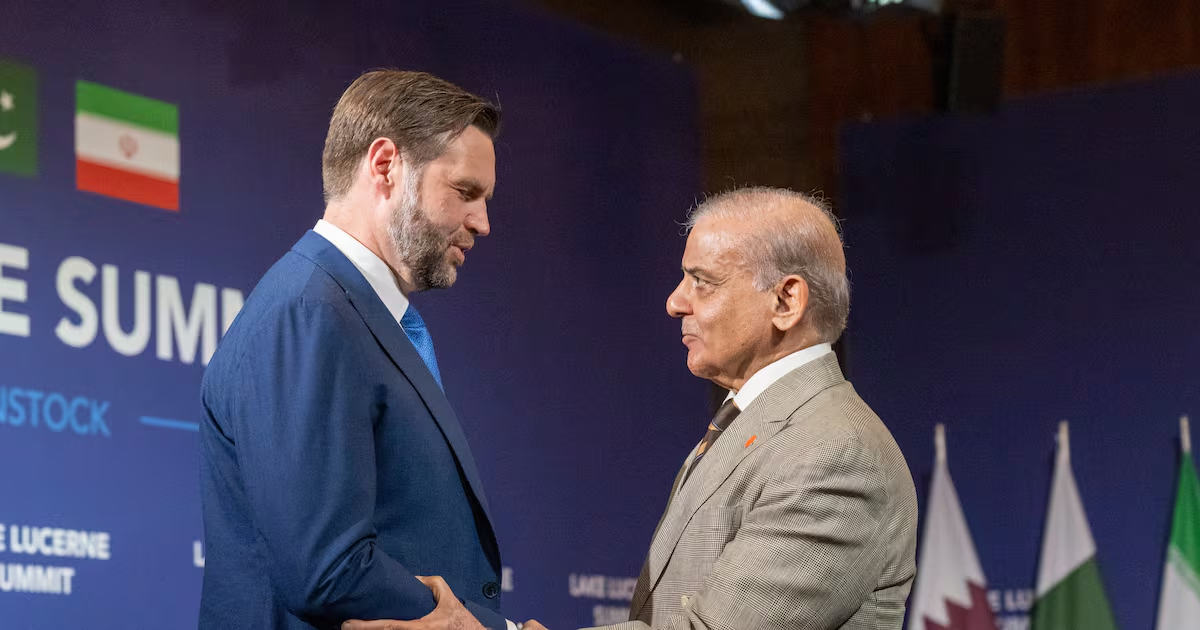
The US and Iran began high-stakes talks on Sunday aiming to build on a shaky interim deal to reopen the Strait of Hormuz and move towards a permanent settlement to end their more than 100-day war.The negotiations in a Swiss mountain resort were set to focus initially on the Israeli-Hizbullah conflict in Lebanon that has threatened to derail diplomatic efforts to implement the memorandum of understanding (MoU) signed by the US and Iran on Wednesday.Repeated Israeli strikes in Lebanon caused Iran to warn on Saturday that it would close the strait, underlining the tenuous state of US president Donald Trump’s push to end the war and ease the global energy crisis triggered by the conflict.US vice-president JD Vance, who is leading the American delegation, termed the talks “historic” as the warring parties began formal direct negotiations, mediated by Qatari and Pakistani officials.“The question before us now is how much more can we accomplish together? Can we turn over a new leaf?” Vance said. “We’ve already made great progress over just the last few hours and I expect that we’ll make additional progress in the hours to come.”But the fraught nature of the negotiations between two parties – who harbour deep mutual distrust after almost half a century of hostility – was on display when the Iranian delegation refused to appear for a photo opportunity with their US counterparts at the start of the formal talks.[ Maureen Dowd: Donald Trump, the Creature from the Green LagoonOpens in new window ]Instead, Iran’s foreign minister Abbas Araghchi walked briefly into the room, greeted Pakistani leaders, who are helping mediate, and then left.The Iranian delegation led by Mohammad Bagher Ghalibaf, Iran’s top negotiator and one of its most powerful civilian wartime leaders, entered the room about 15 minutes later after the press had been asked to leave.The MoU and talks with the US have been vocally criticised by ultra-hardliners in Iran.The meeting – the highest-level talks since negotiations in Islamabad in April that led to a temporary ceasefire – had been due to begin on Friday and to focus initially on Iran’s nuclear programme.But the talks were delayed after Tehran refused to send a delegation because of Israeli strikes against Hizbullah, its most important proxy, in Lebanon.A family gathers near their destroyed home in Kfar Roummane, Lebanon, on Sunday. Photograph: David Guttenfelder/The New York Times
Trump and Iran quarrel on social media while peace talks proceed in Switzerland
US vice-president JD Vance terms talks in Lucerne ‘historic’ as Israel and Hizbullah continue fighting in Lebanon
952 words~4 min read