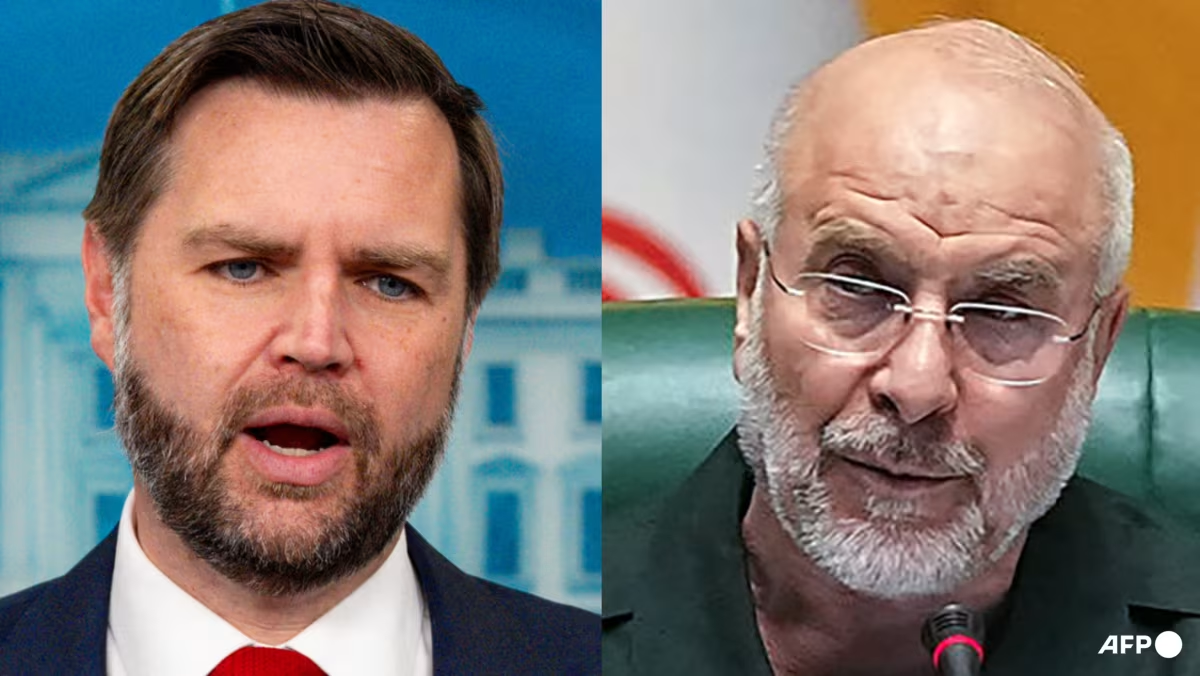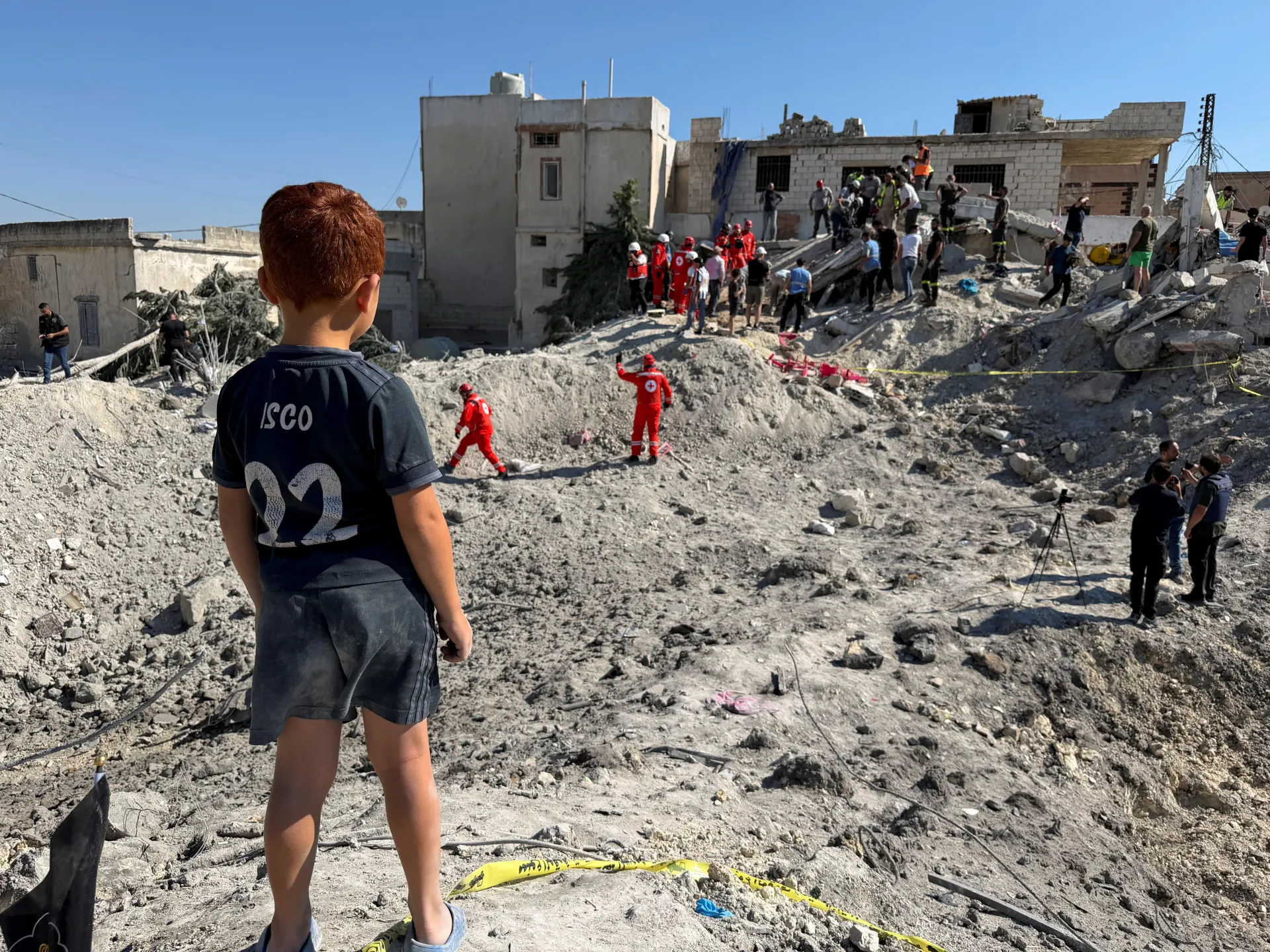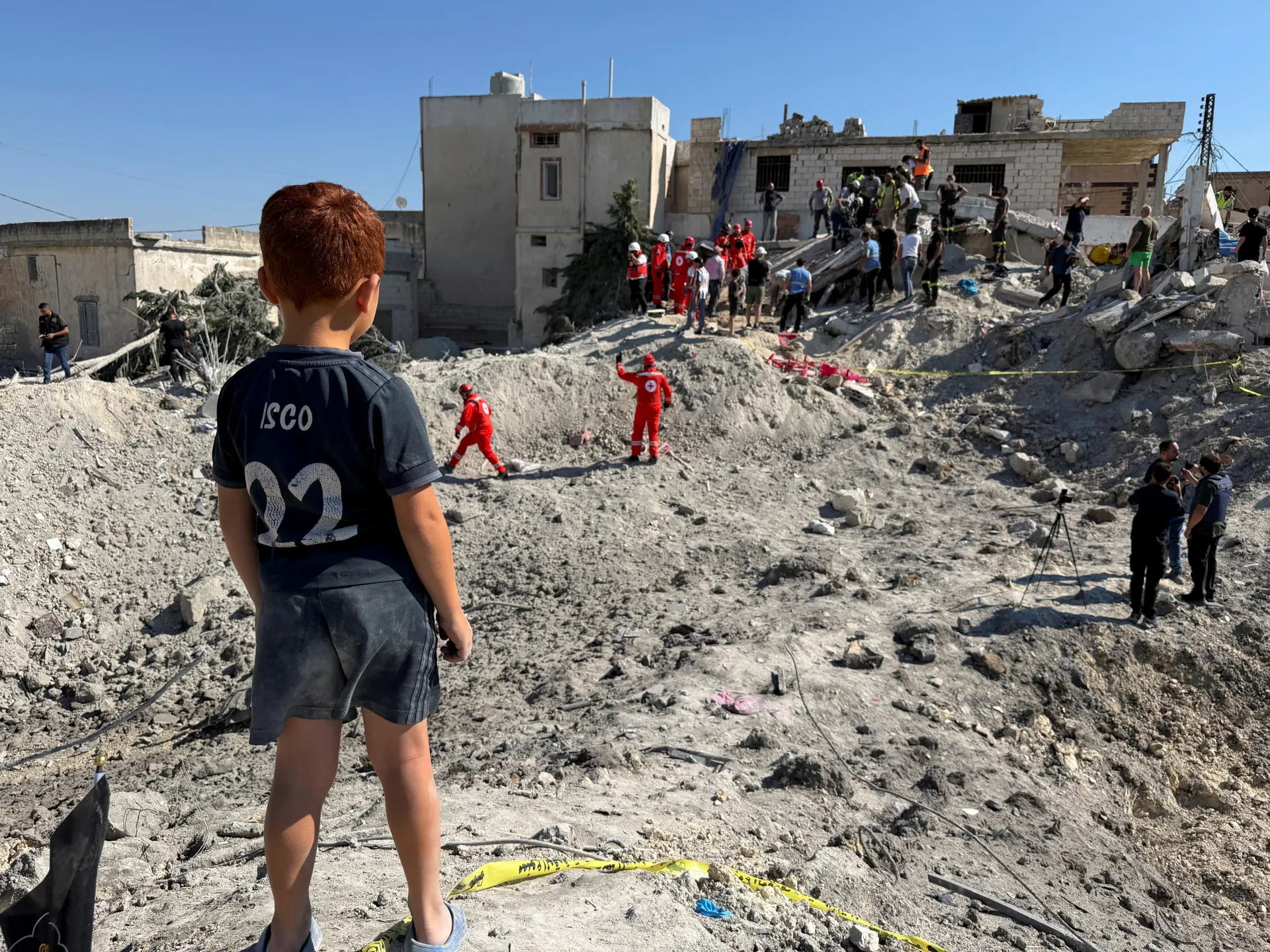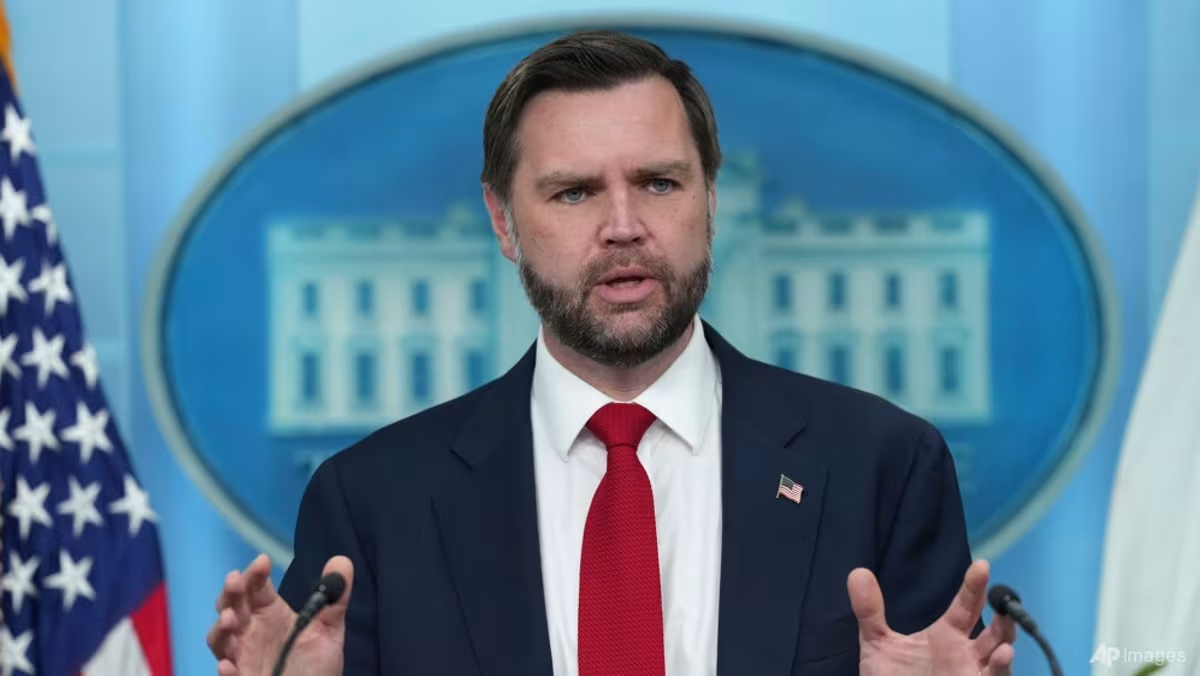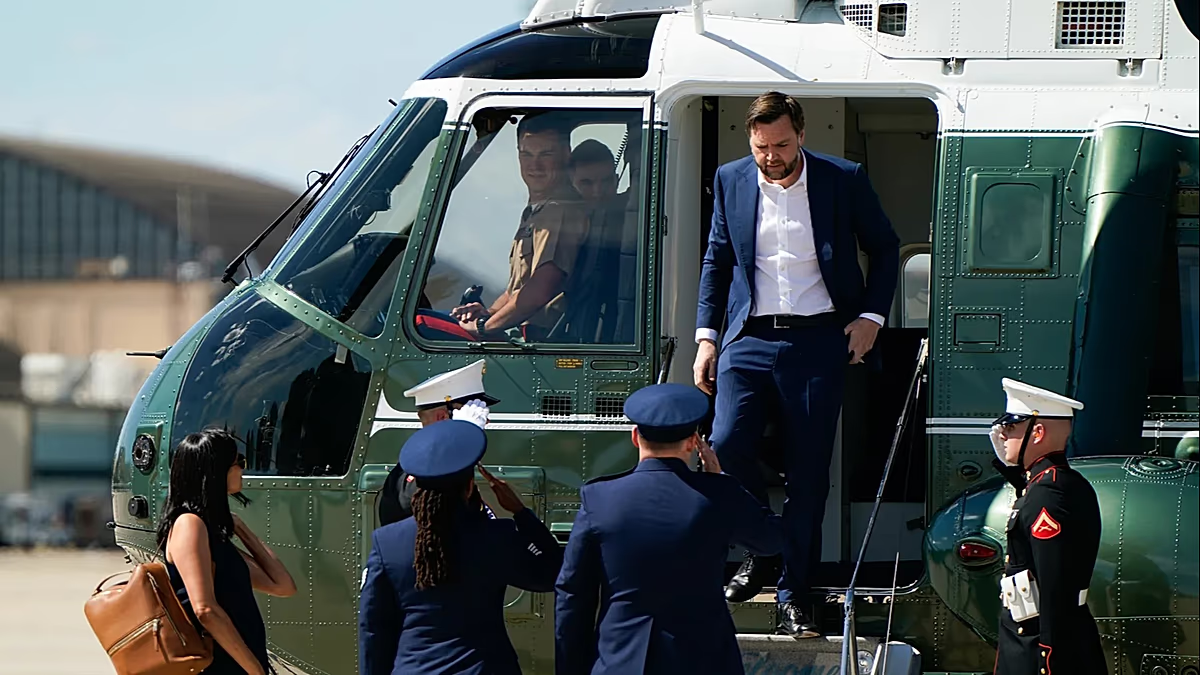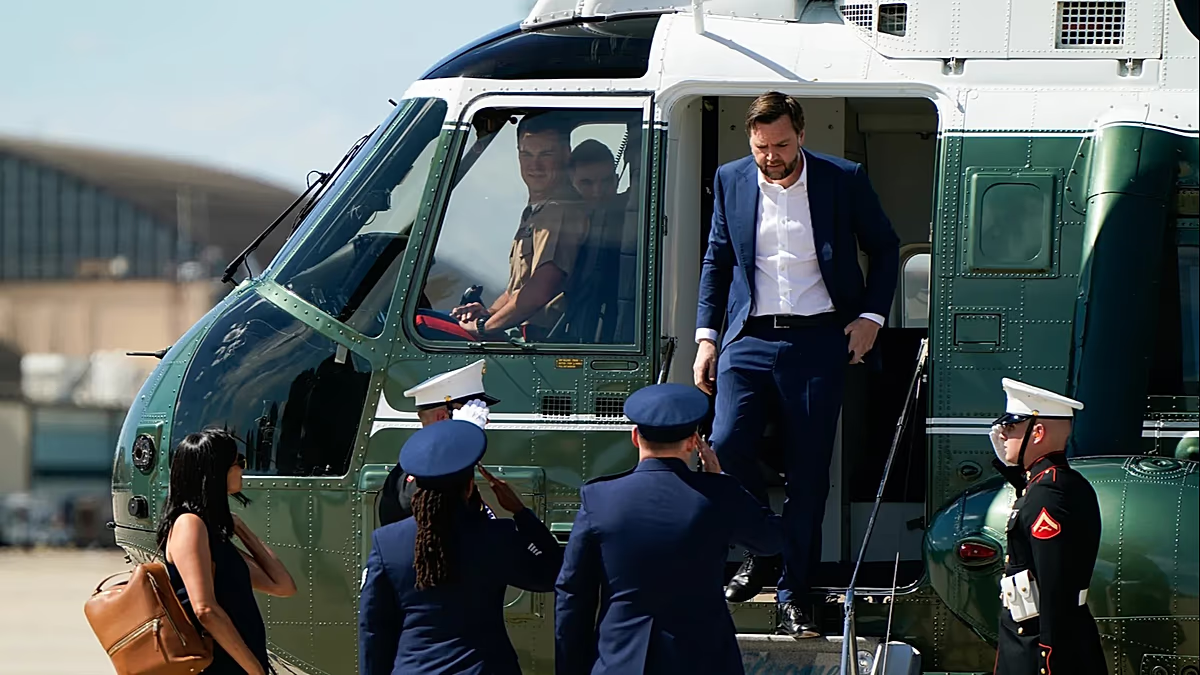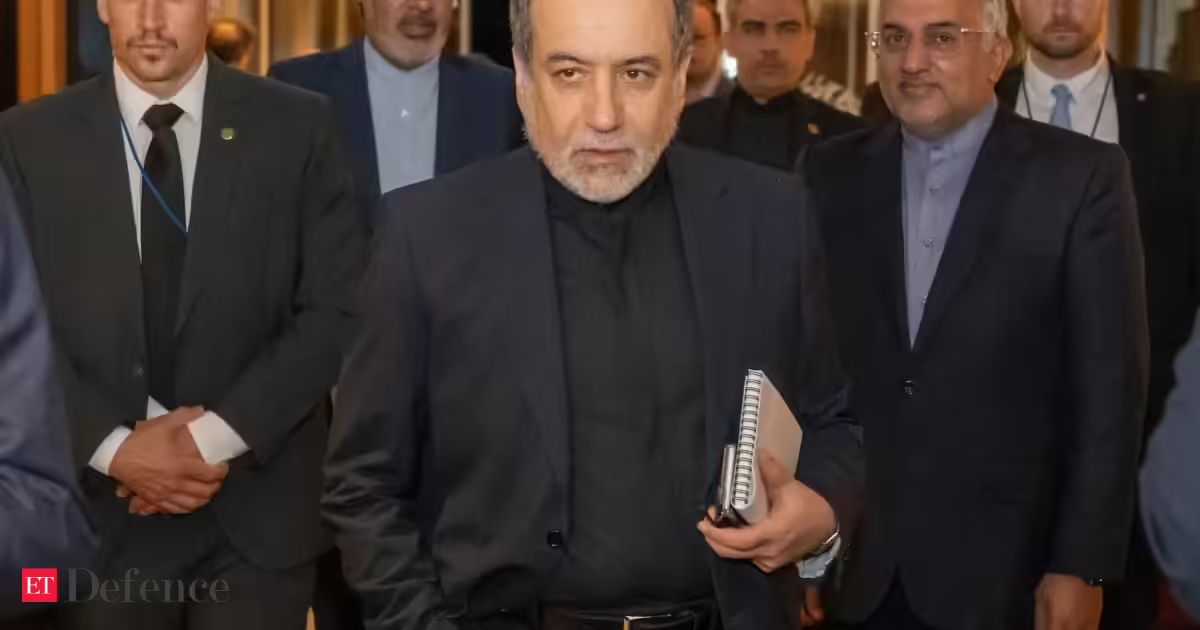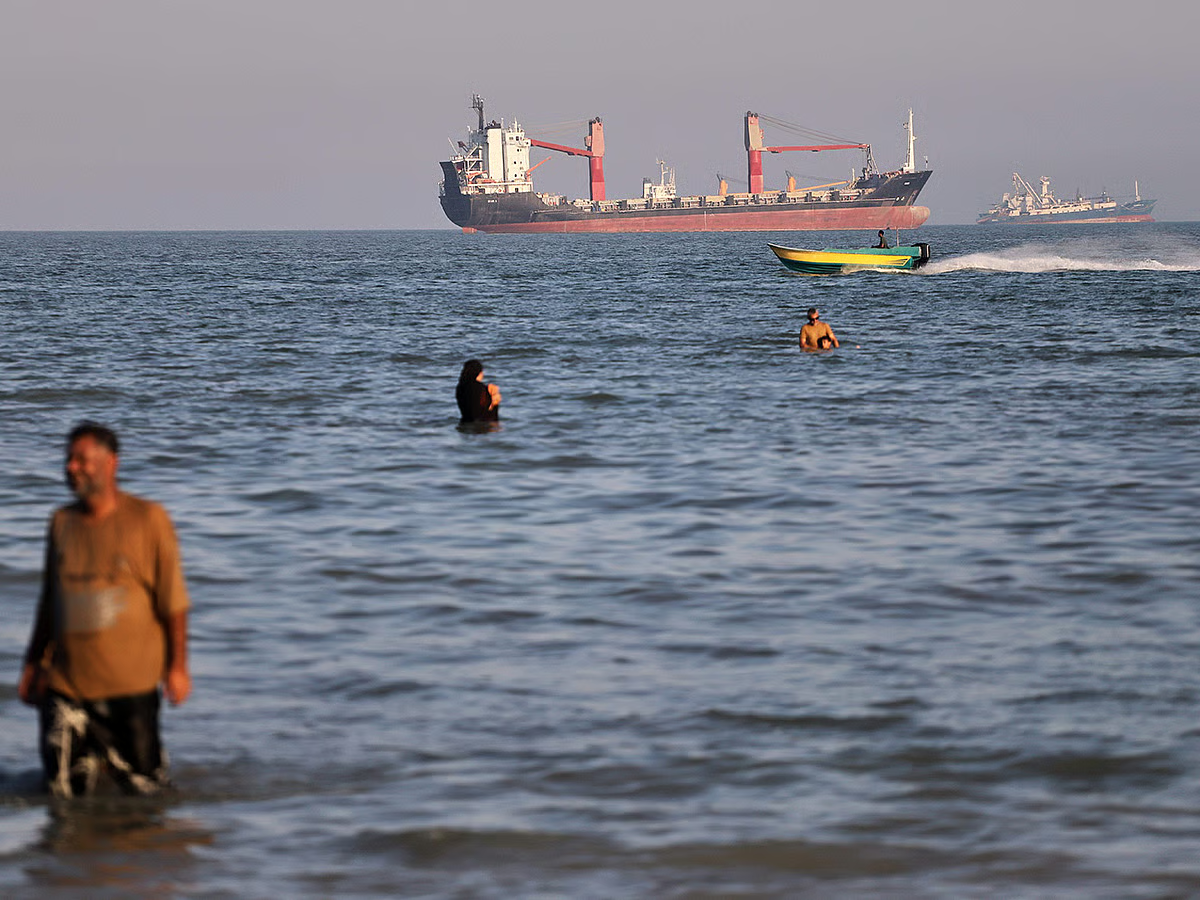
High-level US and Iranian delegations began arriving in Switzerland on Sunday for closely watched talks aimed at securing a durable peace, amid strain on a fragile Lebanon ceasefire. US Vice President JD Vance landed at Emmen Air Base before heading to the Burgenstock resort, where US, Iranian, Pakistani and Qatari officials are gathering for the opening round of negotiations.In comments ahead of his departure, Mr Vance said he expected “couple days of talks” focused on Iran’s nuclear programme and the Lebanon ceasefire, calling them the “two big things” at stake.The US team also includes White House envoys Steve Witkoff and Jared Kushner, while the Swiss government has said it is facilitating the process as a neutral venue for implementing a preliminary US-Iran understanding brokered this week.Washington and Tehran are formally working under a 60-day ceasefire framework agreed alongside a broader interim deal signed by US President Donald Trump and Iranian counterpart Masoud Pezeshkian.Iran’s delegation is led by senior political figures including Parliamentary Speaker Mohammad Bagher Ghalibaf and Foreign Minister Abbas Araghchi. Central bank and oil officials also travelled to Switzerland.Officials in Tehran said they would press Washington to fully implement commitments under the agreement, warning that partial compliance would undermine the entire process.The opening of talks comes against a sharply deteriorating regional backdrop. Israeli strikes across Lebanon killed 83 people in the past 24 hours, the official National News Agency reported, marking one of the deadliest days in the latest escalation. Strikes hit southern towns, the Bekaa Valley and areas from Nabatieh to Jezzine, including Qennarit, where nine people were killed.The violence has reinforced Lebanon as a central flashpoint in the negotiations. An emergency session on an Israel-Hezbollah ceasefire has been added to the agenda for the first round of talks, according to diplomatic sources cited by US media, with Mr Vance indicating it would be one of the core issues alongside Iran’s nuclear programme.Iranian officials have linked implementation of the deal to a halt in fighting in Lebanon. ReutersInfoTensions in Lebanon remain volatile despite a declared truce. Israeli forces and Hezbollah have continued exchanging fire, with both sides accusing the other of violations. Israel says it is targeting Hezbollah infrastructure, while Lebanese officials warn the strikes are spreading instability and undermining civilian safety.Israel also pressed its offensive in the Gaza Strip, where health officials said strikes and gunfire killed at least nine people, including a child and a journalist working for Al Jazeera, on Saturday. Strikes hit Gaza City, Khan Younis and the Bureij refugee camp, where cameraman Ahmed Washah was killed while working. Al Jazeera called it a “heinous crime”.The escalation has also raised questions about the wider regional framework underpinning the US–Iran understanding.Iranian officials have linked implementation of the deal to a halt in fighting in Lebanon, arguing that ceasefire commitments must apply “on all fronts”. Mohammad Mokhber, an adviser to Iran’s supreme leader, accused Washington of failing to enforce the agreement and warned that energy flows across the region could be disrupted if it collapses.At the same time, competing narratives over the Strait of Hormuz added further strain ahead of the talks. Iran’s Islamic Revolutionary Guard Corps declared the waterway closed on Saturday, citing Israeli operations in Lebanon and alleged breaches of the ceasefire framework.However, US Central Command said commercial shipping continued to transit normally, reporting 55 merchant vessels carrying more than 17 million barrels of oil through the strait.Play01:03JD Vance travels to Switzerland for US-Iran talksPresident Trump has insisted no toll will be imposed on passage during the ceasefire period, though he has suggested the US could introduce charges if negotiations fail, framing it as payment for “services rendered as the Guardian Angel of the Middle East”.US officials say they remain confident shipping will not be disrupted, while negotiators in Switzerland are expected to spend the first sessions testing the durability of the ceasefire arrangements and clarifying implementation mechanisms for the broader deal.For both Washington and Tehran, the Burgenstock talks represent an early attempt to turn a fragile, contested understanding into a structured framework.But with Lebanon burning and Hormuz disputed in real time, diplomats arriving in Switzerland are confronting a region where the ceasefire they are trying to formalise is already being tested on multiple fronts.
US-Iran talks to open as Israeli strikes in Lebanon deepen tensions | The National
Delegations arrive in Switzerland seeking peace deal amid Hormuz dispute and Israel-Hezbollah escalation
701 words~3 min read