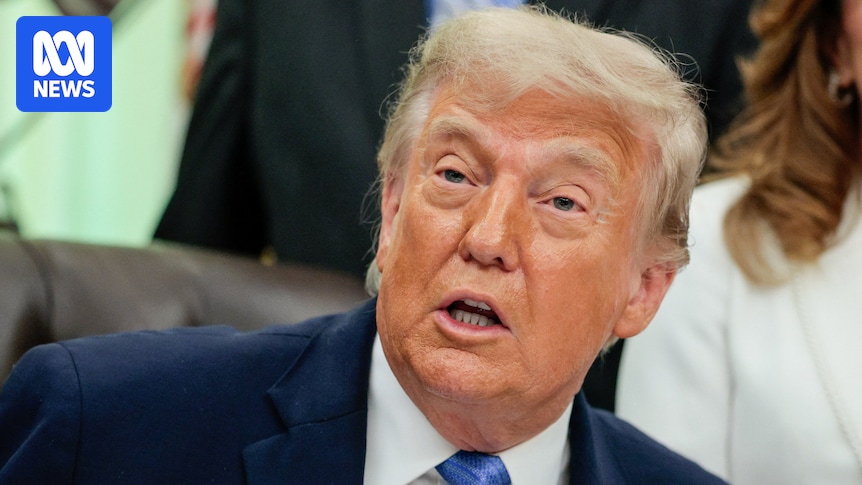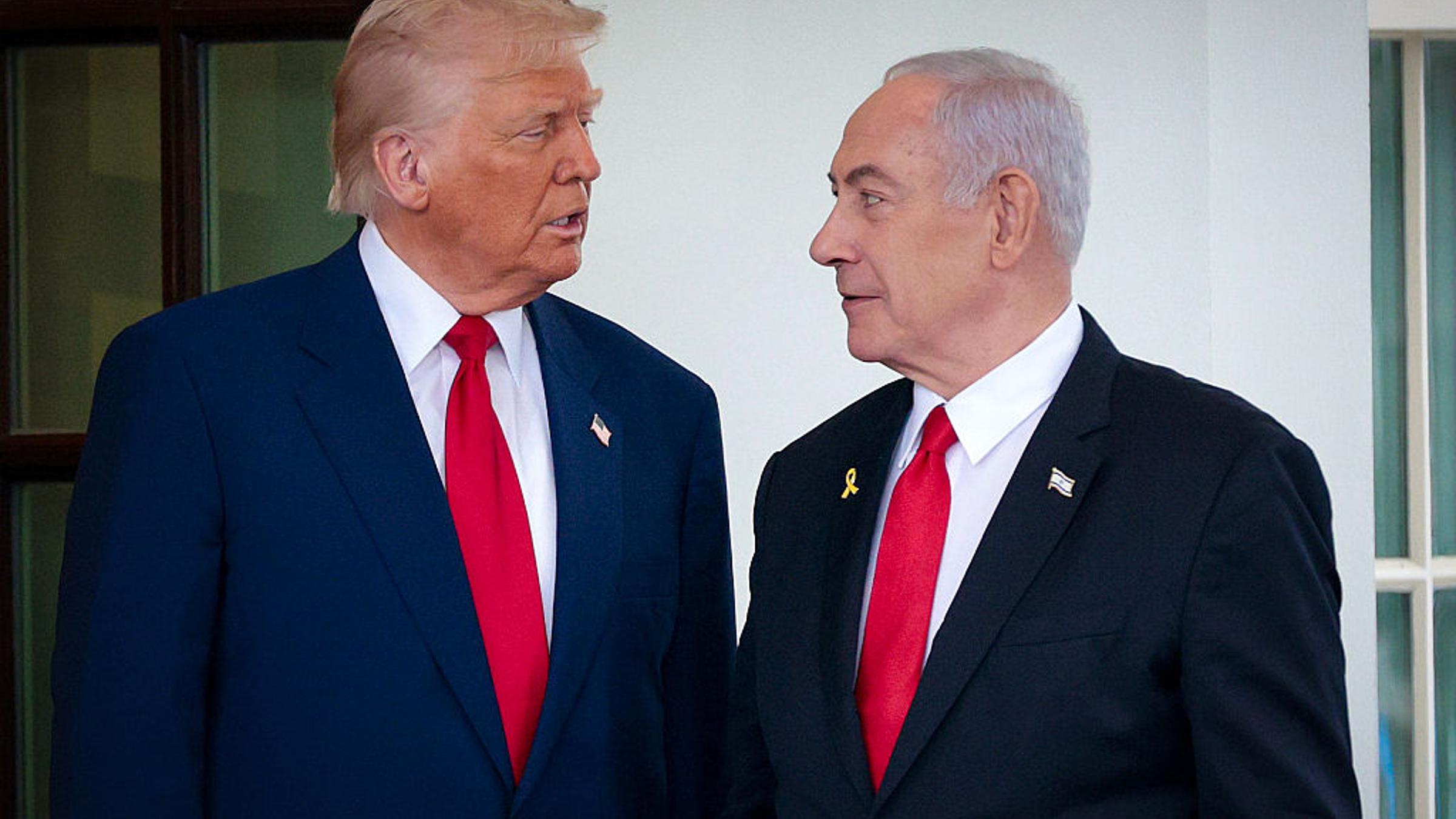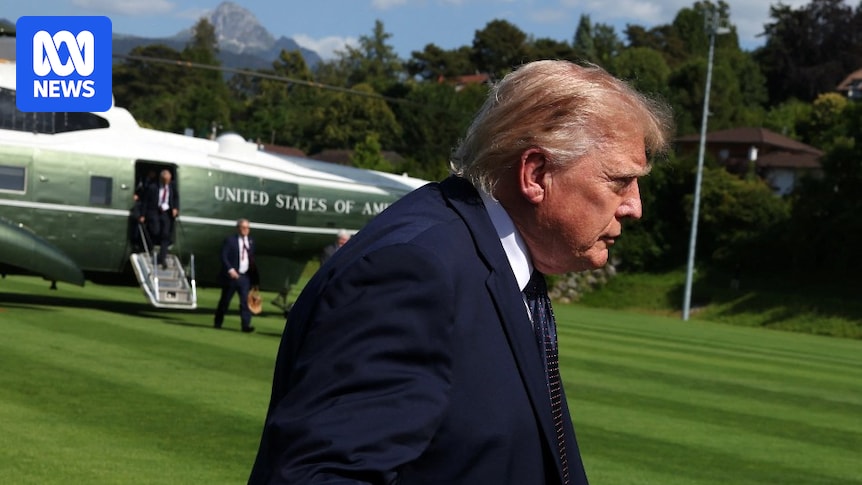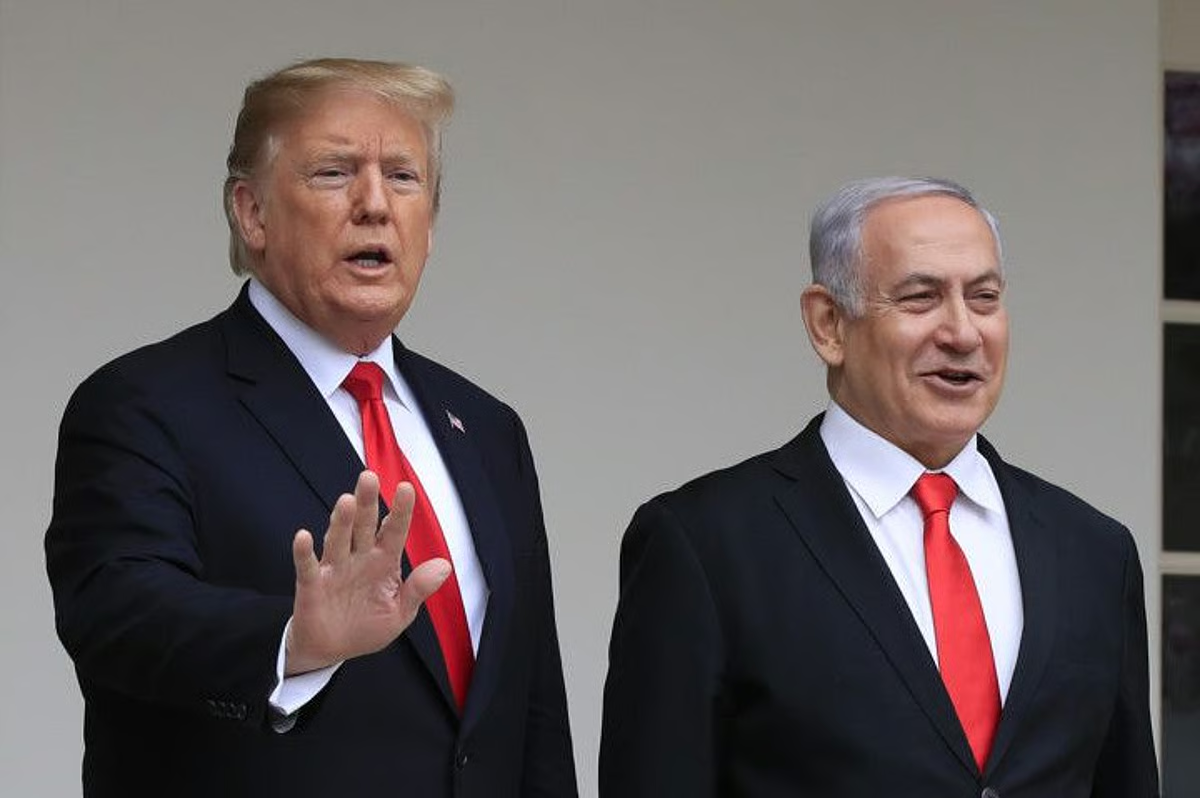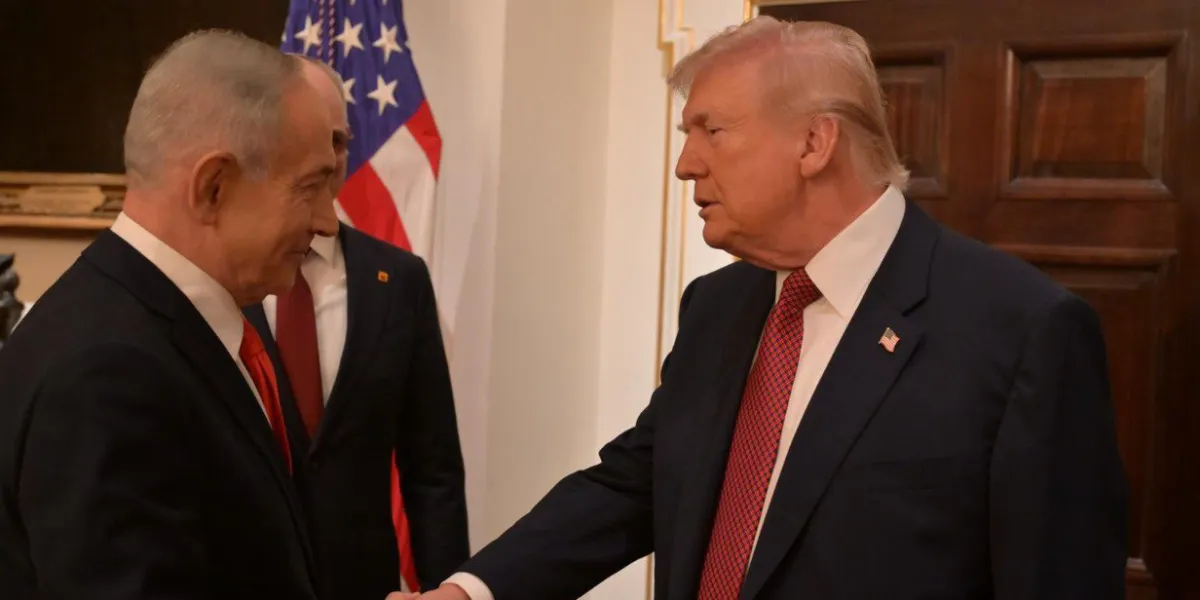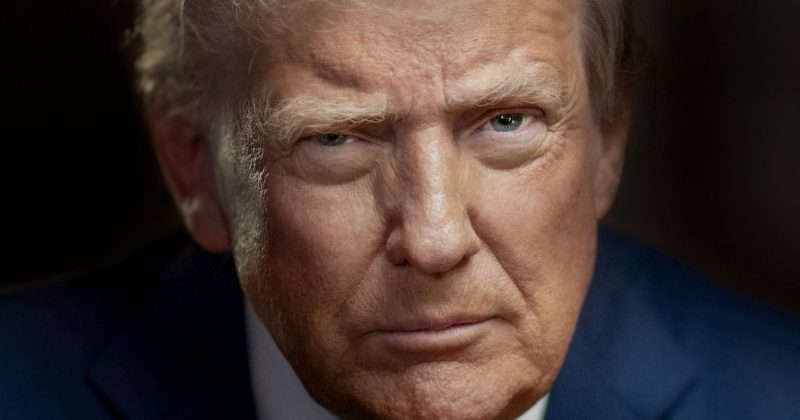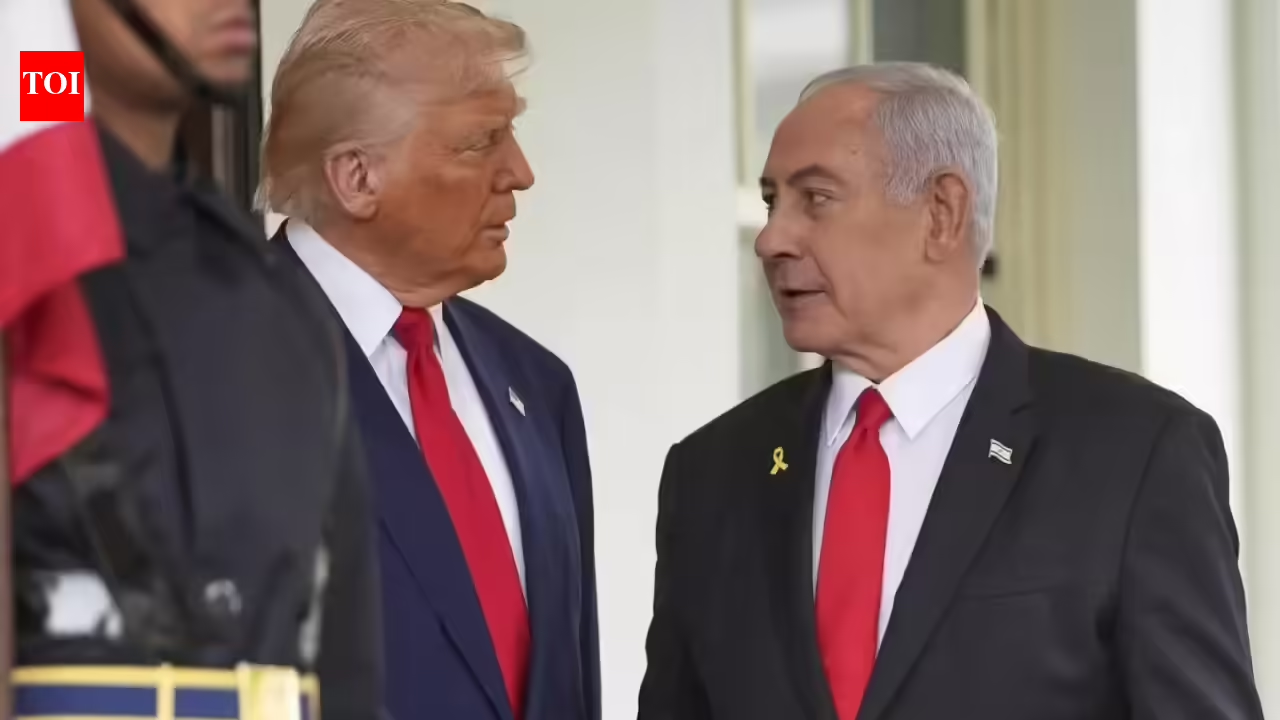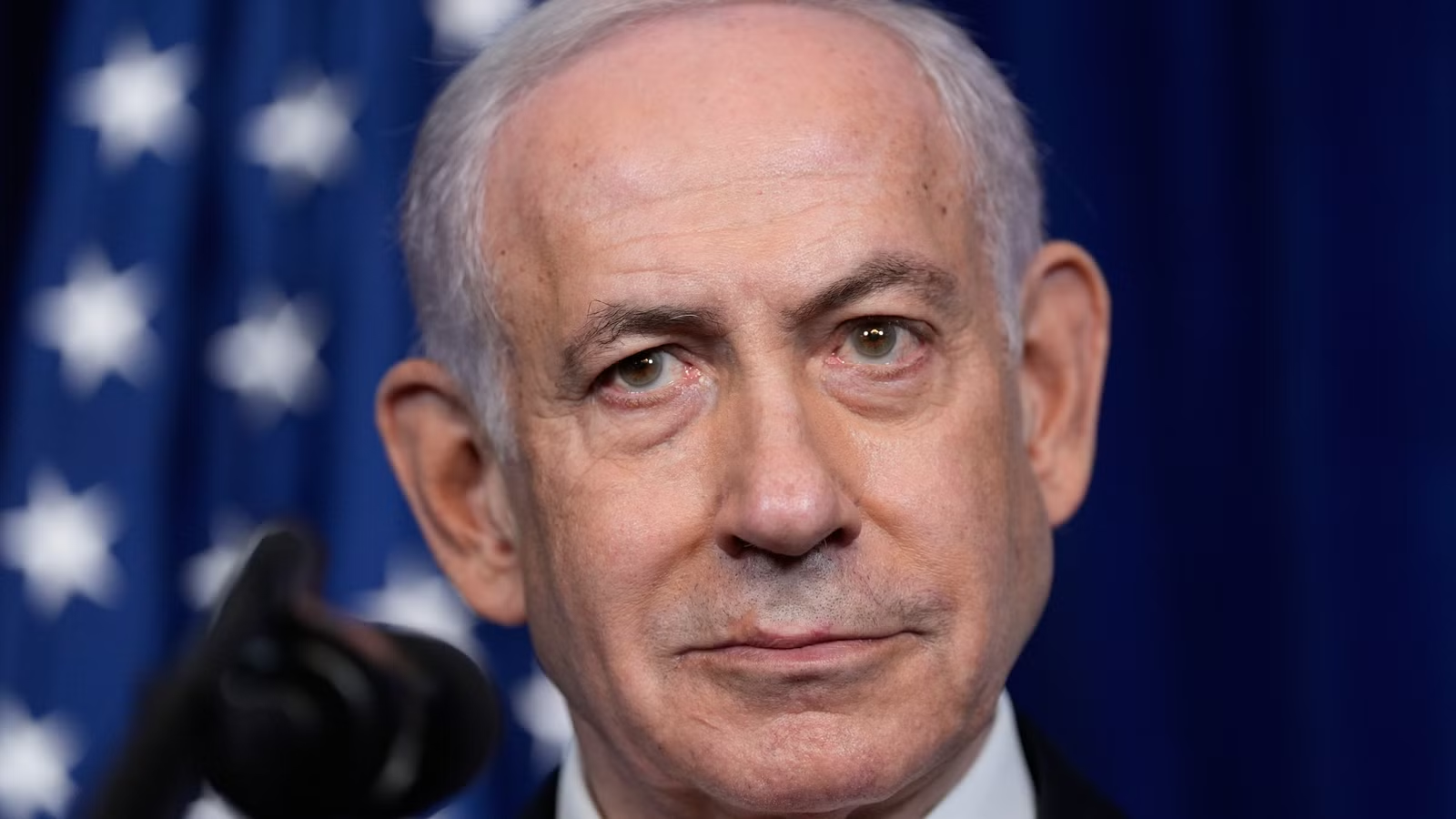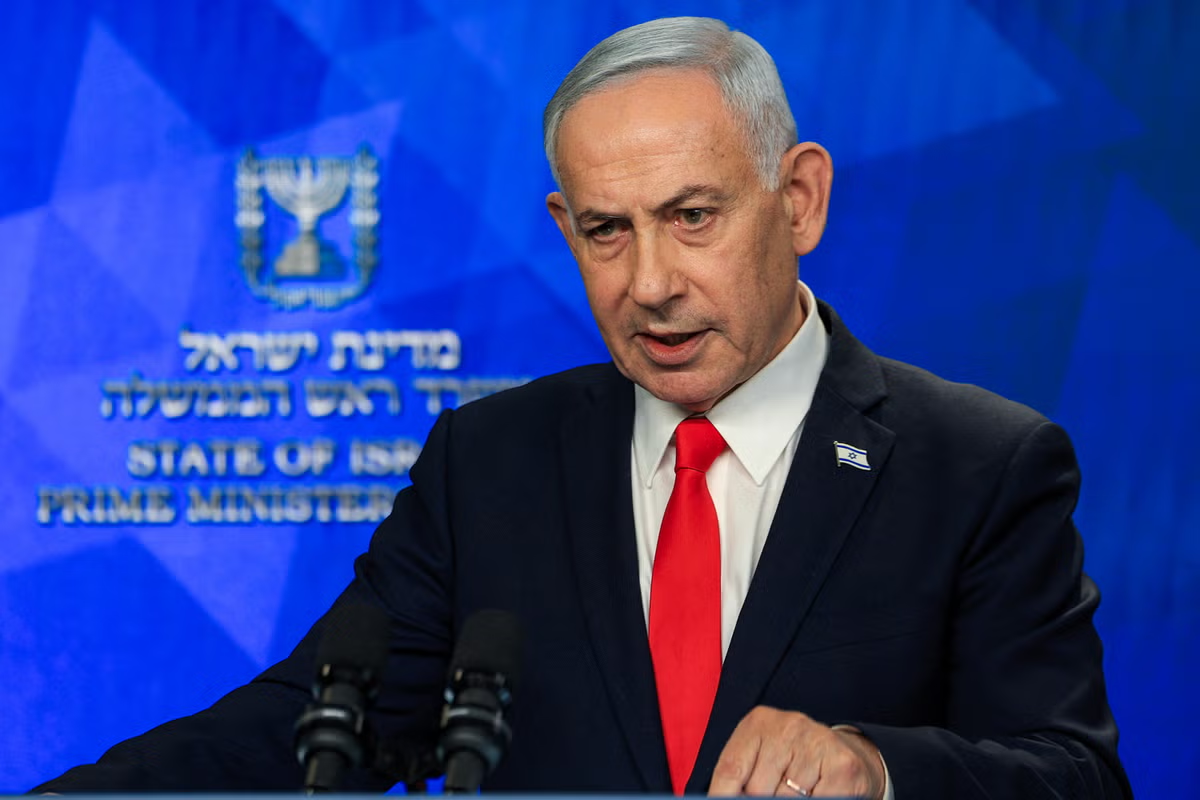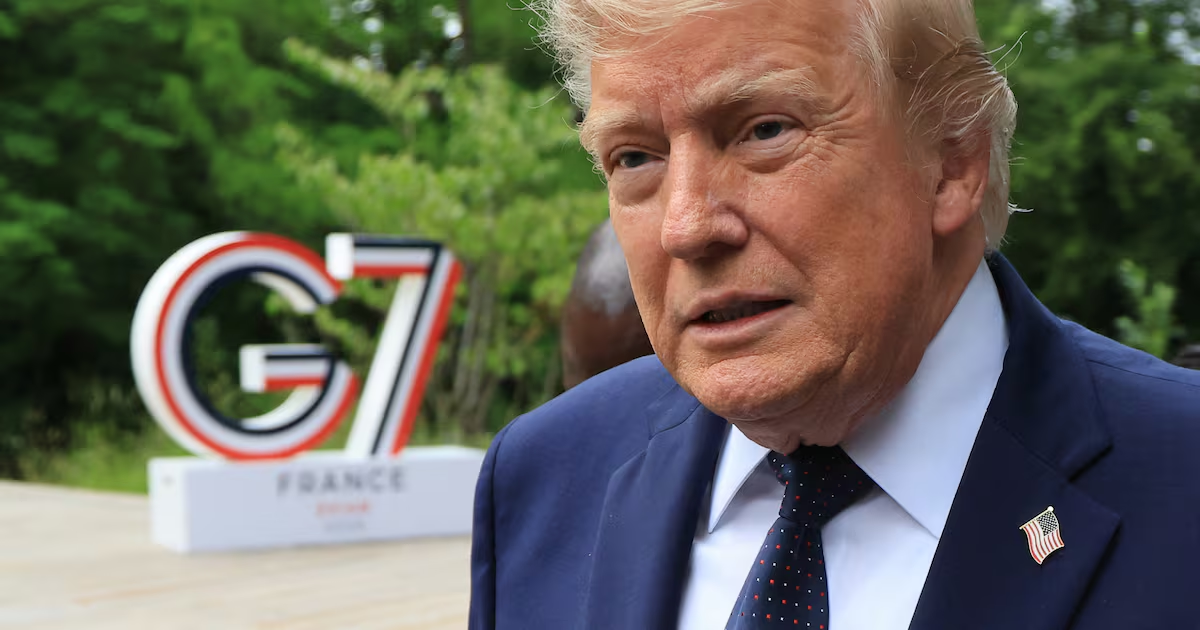
US president Donald Trump expressed frustration with Israel and its prime minister, Binyamin Netanyahu, at a gathering of world leaders in France for the G7, saying the country is hindering his peace efforts with Iran.Washington has announced that a preliminary deal with Iran to end hostilities will be signed in Geneva on Friday, but Tehran has insisted that Israel must stop its attacks in Lebanon for the agreement to hold.In remarks to media after a meeting with the emir of Qatar, which has played a mediating role in negotiations with Iran, Trump delivered an unusually sharp criticism of Israel.“Israel has been fighting Hizbullah too long, and too many people have been killed. You don’t need to knock down an apartment house every time you’re looking for somebody, because there are a lot of people in those apartment houses and they’re not all Hizbullah, that I can tell you,” Trump said.“It just goes on forever. When that happens it throws a negative light on the big deal, which is the deal with Iran.”The US president criticised in particular an Israeli missile attack on an apartment in a Beirut suburb that took place in the sensitive final hours of negotiation on Sunday, killing three people and injuring six others, according to Lebanese authorities.“I didn’t like where two hours before we’re signing the agreement, that there was an attack in Lebanon in Beirut. I let them [Israel] know that,” Trump said, saying Netanyahu needed to be more “responsible”.“I saw that attack, I saw where that bomb went. Did you see what happened? That was a vicious, that was too much. You know, you can do too much also.”Global leaders and their partners attend at the G7 summit in Évians on Tuesday. Photograph: Evelyn Hockstein-Pool/Getty European leaders also expressed criticism of Israel during talks at the G7. Israel, which has not been directly involved in the peace talks, has been conducting an intensive bombing campaign in Lebanon against Iran ally Hizbullah and has pushed for its offensive to be excluded from the peace deal. Iran has insisted that a ceasefire in Lebanon is a prerequisite for an agreement and that any attack by Israel or continued occupation would be a violation of the preliminary deal. Israeli ministers have said their military forces will keep indefinite control over large parts of Lebanese territory, and that they do not consider Israel to be bound by the deal. Lebanese media have reported that at least four people were killed in multiple Israeli drone attacks on cars in the south of the country since the agreement was announced.News of the deal caused political uproar in Israel and was it was greeted as a diplomatic failure by Netanyahu, who has admitted that he and Trump “don’t always see eye-to-eye”. Trump went so far as to suggest that Syria, which occupied large parts of Lebanon from 1976 to 2005, could take up a role countering Hizbullah instead of Israel.International leaders have urged Trump to continue talks with Iran to secure the deal, stressing the importance of reopening vital oil, gas and fertiliser artery the Strait of Hormuz for the global economy. Iran closed the strait after it was attacked by the US and Israel on February 28th. There is now open acknowledgment that mines have been laid at different depths in the Strait, requiring an international taskforce with specialised divers to remove them, illustrating the complexity of reopening the waterway. European countries including France and Germany have already moved mine-clearing capabilities towards the area.The leaders of the G7 discussed hopes for a return to stability in the region with the leaders of Egypt, Qatar and the United Arab Emirates in Évian. The gathering also discussed the possibility of a new international peace force to assist security in Lebanon following the withdrawal of Unifil.
Netanyahu and Israel hindering peace efforts with Iran, says Trump
Tehran insists Israel must stop attacks on Lebanon for preliminary deal to hold before formal signing
633 words~3 min read