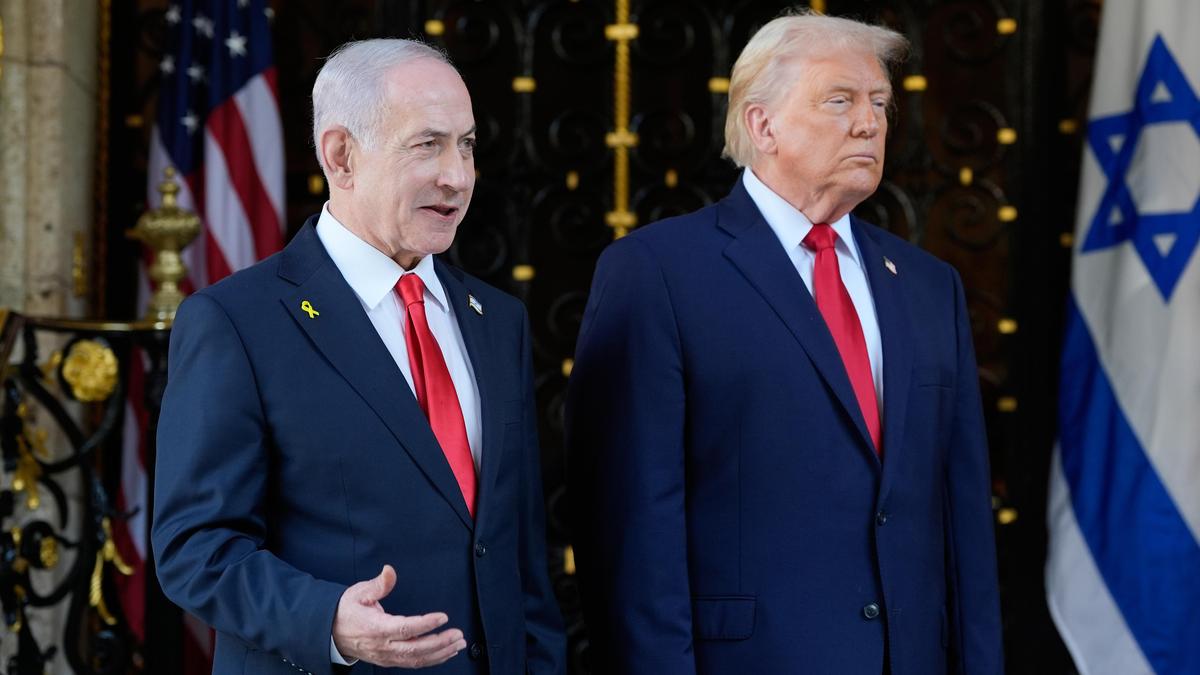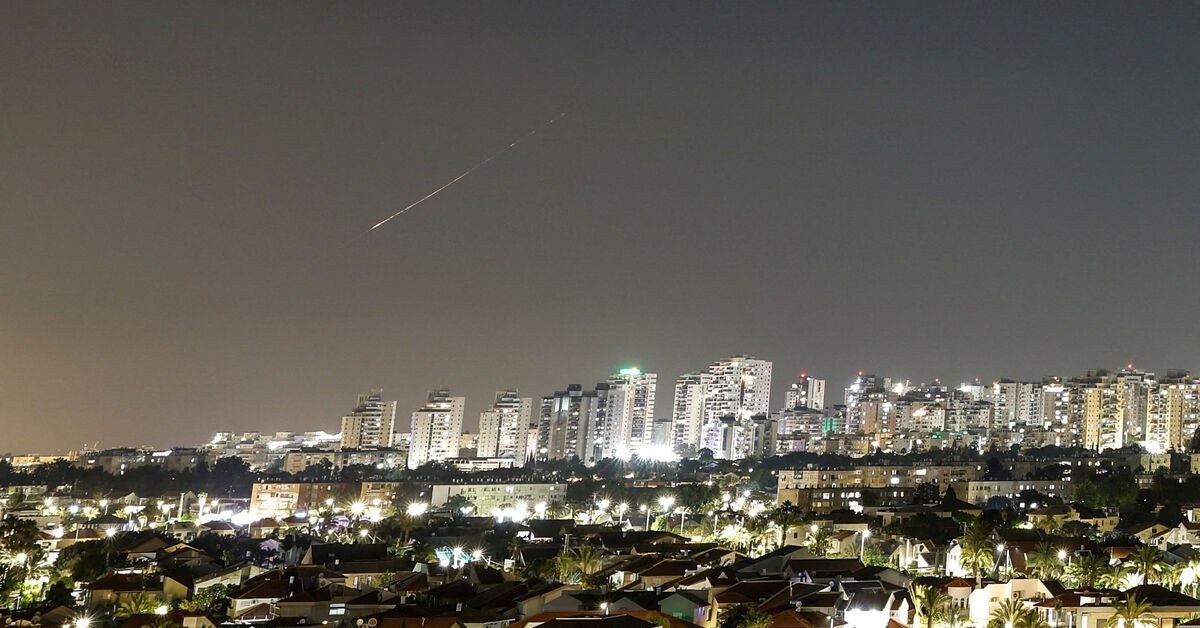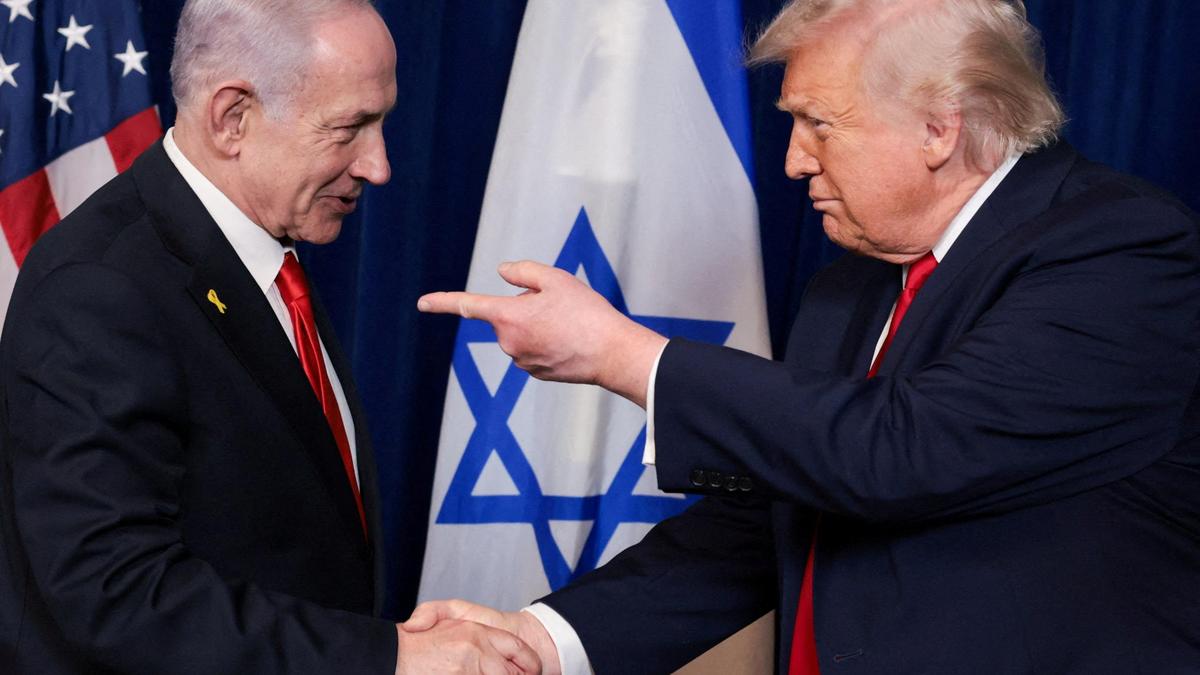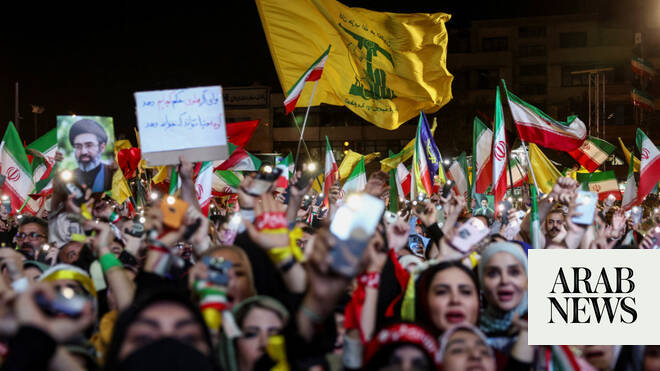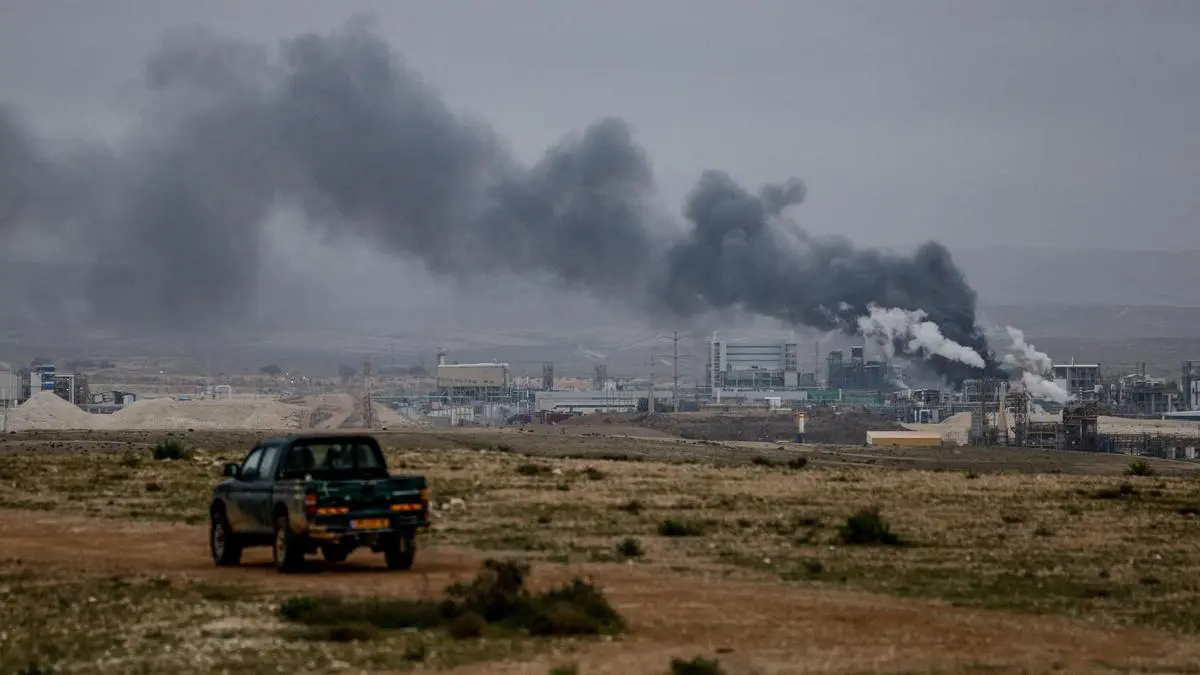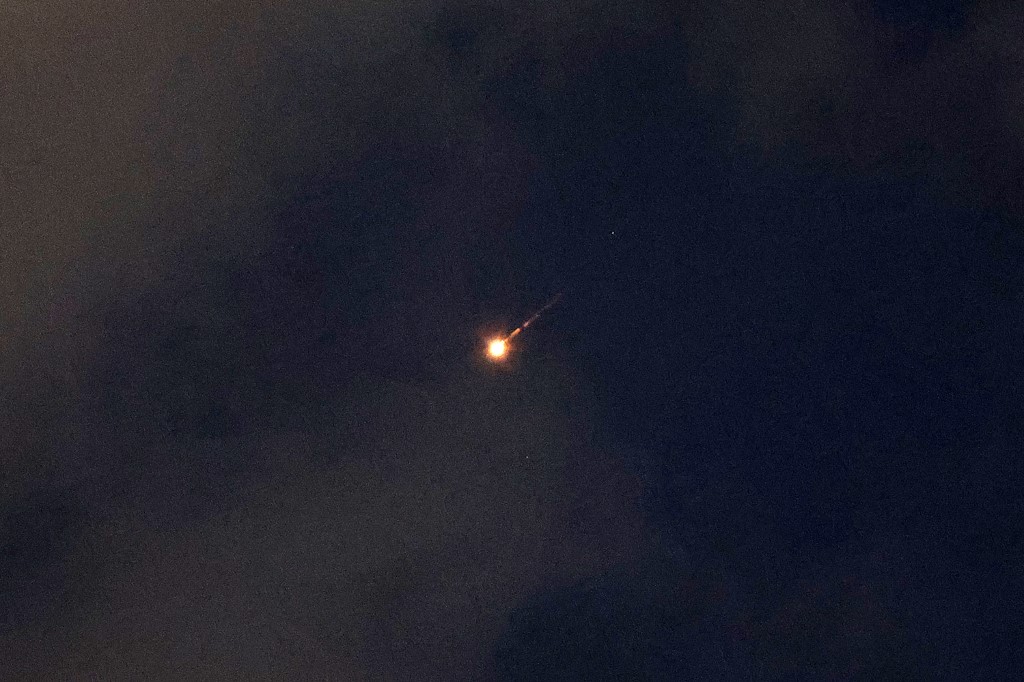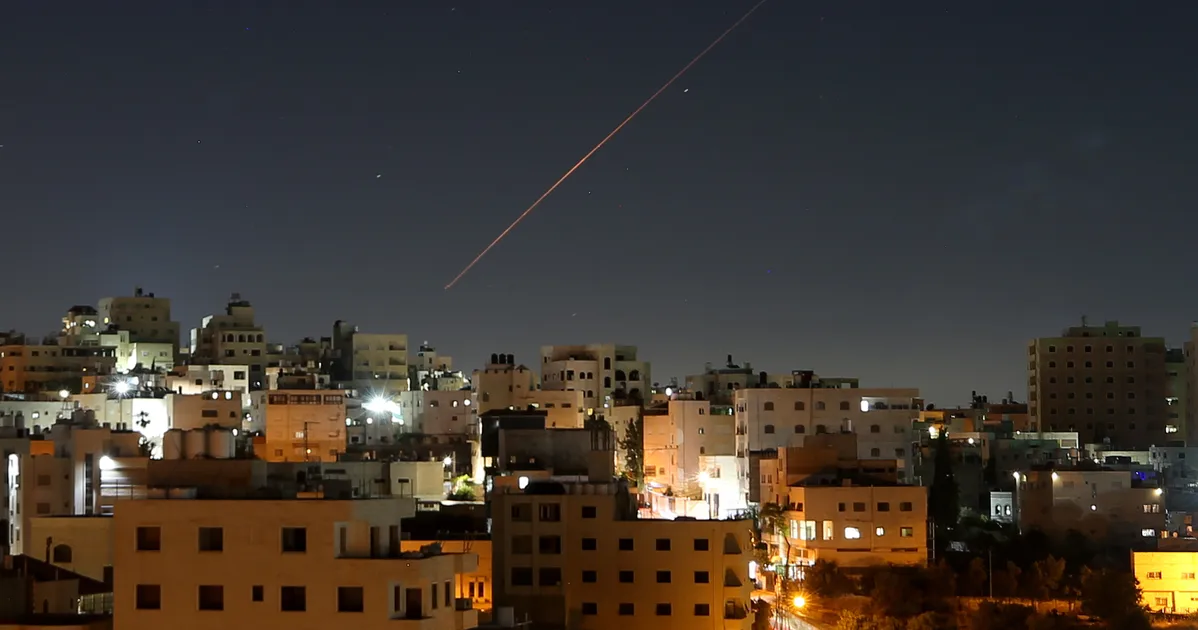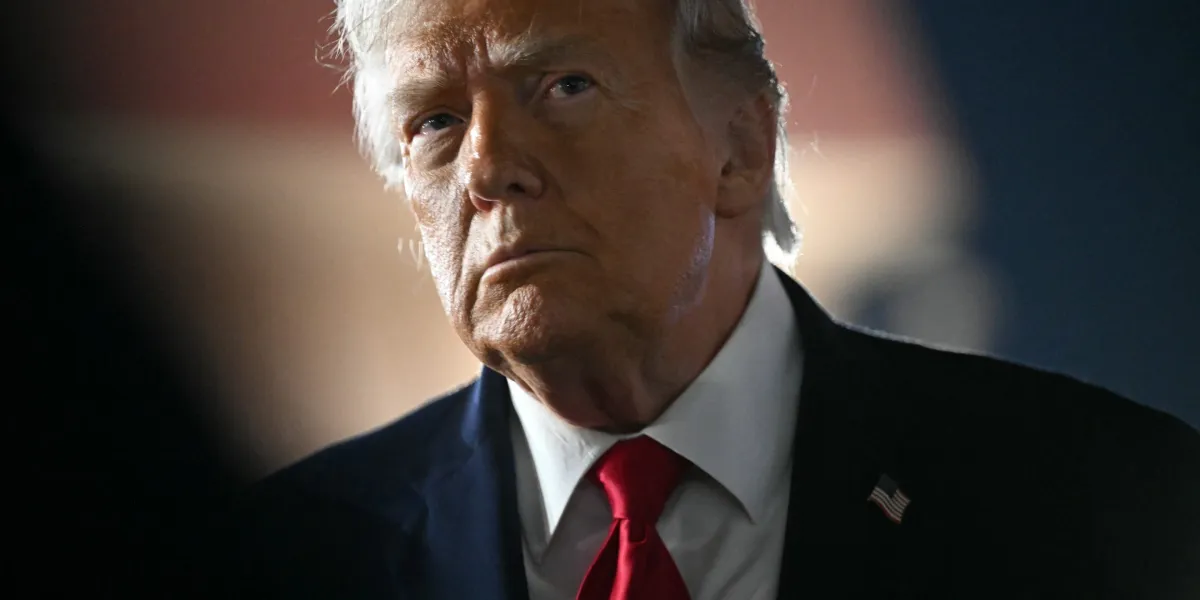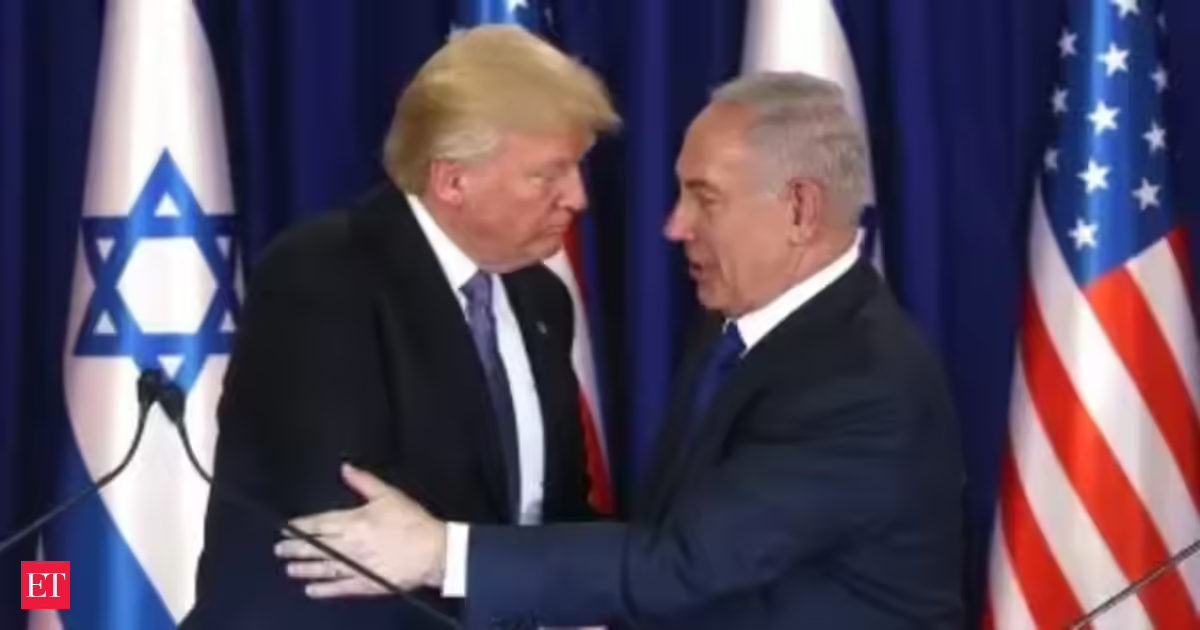
US President Donald Trump on Sunday said Iran's missile strikes on Israel and Israel's continued attacks in Lebanon would not derail his administration's peace negotiations with Tehran, even as the latest hostilities pushed oil prices sharply higher and threatened to unravel a fragile ceasefire that had held for two months.What triggered the escalationIsrael struck Beirut's southern suburbs on Sunday without warning, in defiance of Washington's request days ago to stand down. Israel called it retaliation for Hezbollah firing toward northern Israel earlier in the day. A statement from Netanyahu's office said the strikes targeted "command centres" in the area. The strike on a residential building killed two people and wounded 20, according to Lebanon's Health Ministry.Also read: The phone call that exposed cracks in the Trump-Netanyahu bondIran responded with a ballistic missile salvo. The Iranian Revolutionary Guards said they had targeted the Ramat David air base near Nazareth. The Israeli military said it identified the incoming missiles and that its defence systems had intercepted them, though it cautioned that "the defense is not hermetic," with sirens sounding across several areas of the country.The exchange marked the first time Iran had directly struck Israel since a ceasefire in the wider war took effect in April.Trump-Netanyahu callTrump and Netanyahu spoke by phone for just under half an hour on Sunday, according to an Israeli official. Trump told Netanyahu during the call to hold off from further strikes because "we are close to doing something good in terms of a deal," according to a US official quoted by Axios. The official said Trump had "bought a little bit of time."Shortly after midnight Monday, the Israeli military issued a brief statement citing Chief of Staff Eyal Zamir, saying his forces had not been directed to attack Iran so far but would do so "with determination" once given the order.Five hours after Iran launched missiles at Israel, Netanyahu had not publicly commented on the attack.Trump's positionTrump insisted the latest exchanges would not affect negotiations. "It's not going to have any impact on the deal," Trump told the Financial Times. "I call the shots. I call all the shots. He doesn't call the shots," he said, referring to Netanyahu.Trump also issued a stark warning to Iran in a prerecorded interview that aired Sunday on NBC News' Meet the Press, marking 100 days of the conflict: "We're very close to a deal, or I'm going to blow the hell out of them."On the question of Israel's actions in Lebanon, Trump said he was "not happy" about the Beirut strikes.Market impactThe latest hostilities drove oil prices up more than 2% in early trading on Monday, with benchmark Brent futures rising back above $95 a barrel. The wider war has been stalemated since the US and Israel paused direct strikes on Iran in early April, with Tehran blocking most shipping through the Strait of Hormuz — the main transit route for roughly one-fifth of the world's oil — while Washington has maintained its own blockade of Iranian ports.State of negotiationsTrump said he had expected an agreement to be signed on Monday, Tuesday, or Wednesday of this coming week before Sunday's events. Washington and Tehran have said they are close to a preliminary agreement that would reopen the Strait of Hormuz, though they have continued to trade strikes in recent days, including attacks on Arab states hosting US bases.Trump has said any agreement must prevent Iran from developing a nuclear weapon. Tehran's demands include the lifting of US and international sanctions, recognition of its position over the strait, and the release of billions of dollars in frozen assets.A source familiar with US plans told Reuters on Saturday that Washington was considering making Iranian assets available to Gulf neighbours to repair damage caused by Iran — a proposal Iran's Deputy Foreign Minister Kazem Gharibabadi called illegal on Sunday, warning Tehran would take measures in response.Iran's chief peace negotiator, parliamentary speaker Mohammed Baqer Qalibaf, said US bases and Israeli assets were legitimate targets in response to what he described as "violation of agreements over Lebanon."Also read: Trump confirms he called Netanyahu 'crazy,' as he says Israel is complicating peace talks with IranAn Iranian official said a deal with Trump was "no longer feasible at this stage." Trump, however, maintained that talks were continuing.The Lebanon complicationIsrael has not halted its Lebanon campaign since March, when it invaded in pursuit of Hezbollah fighters who had fired rockets and drones across the border in solidarity with Tehran. The campaign has killed thousands of people and displaced hundreds of thousands more. Hezbollah, which did not participate in ceasefire talks, has continued its attacks and has said it will not disarm unless Israel halts its offensive and withdraws from Lebanon.Tehran has maintained that any peace deal with the US must include a ceasefire in Lebanon as well — a condition Israel has rejected, with Israeli officials insisting the Lebanon campaign should be treated separately from any agreement with Iran.UK Foreign Secretary Yvette Cooper called for both sides to show restraint and de-escalate immediately, saying the resumption of conflict between Iran and Israel was "in no one's interest." She added that negotiations must continue toward a lasting settlement "for peace and stability in the region, and for the full restoration of global trade."Netanyahu, meanwhile, faced criticism from domestic political rivals over a new Lebanon ceasefire arrangement, ahead of Israel's national election later this year.
'He doesn't call the shots': Trump overrules Netanyahu as Iran missiles hit Israel, peace deal in jeopardy
President Donald Trump asked Israel's Prime Minister Benjamin Netanyahu to refrain from retaliating against Iran's missile attacks. Trump stated that such action would jeopardize ongoing peace deal negotiations. He urged Iran to return to the negotiating table. Trump mentioned that a deal was very close to being signed. He also criticized Israel's strikes on Beirut.
896 words~4 min read