view more
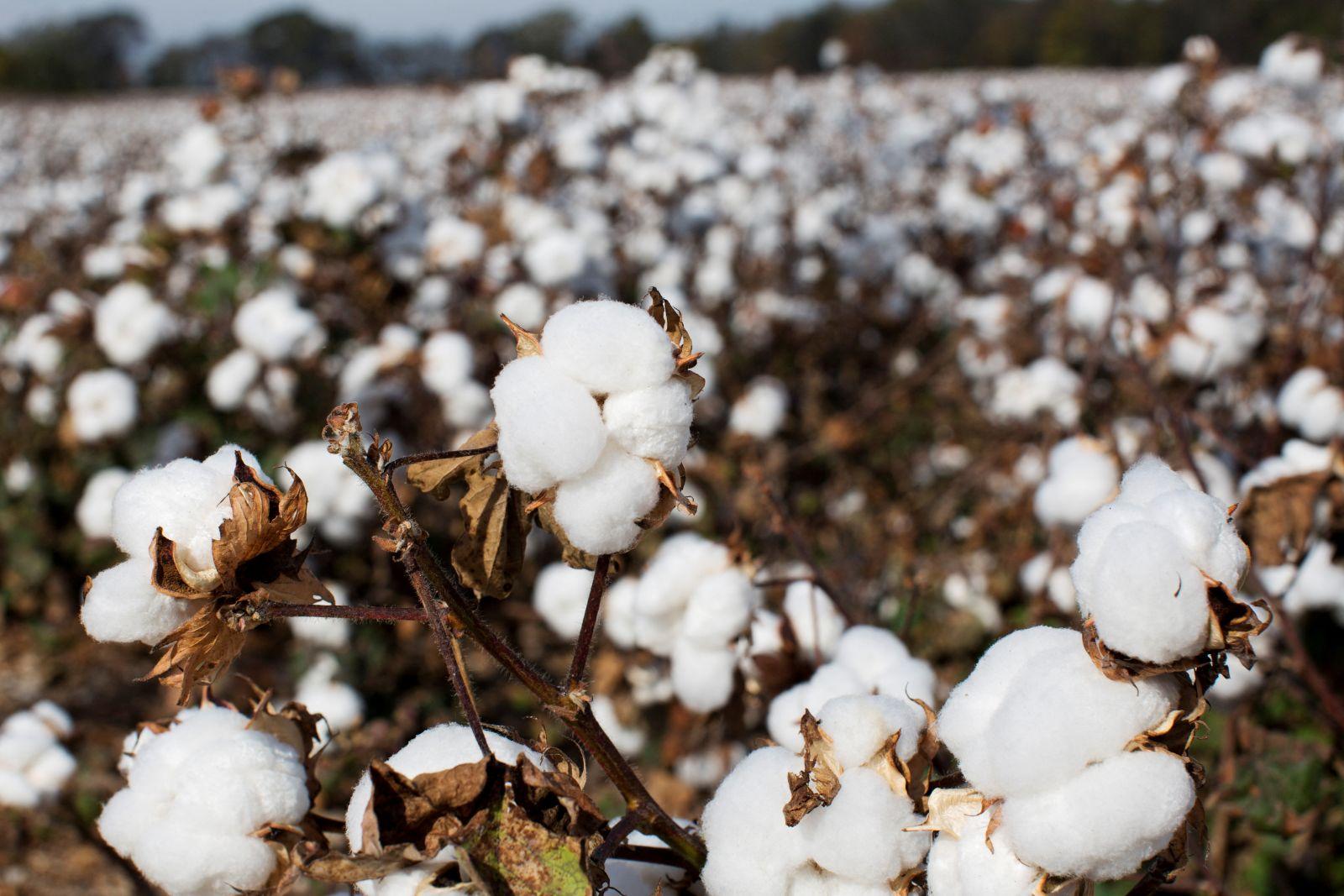
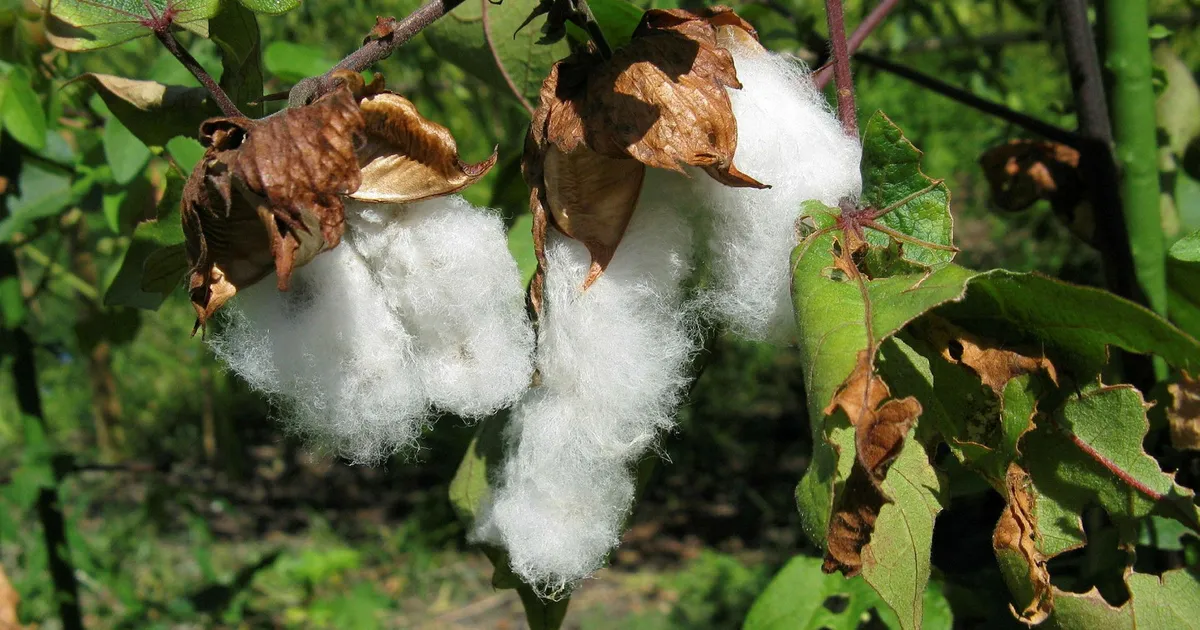
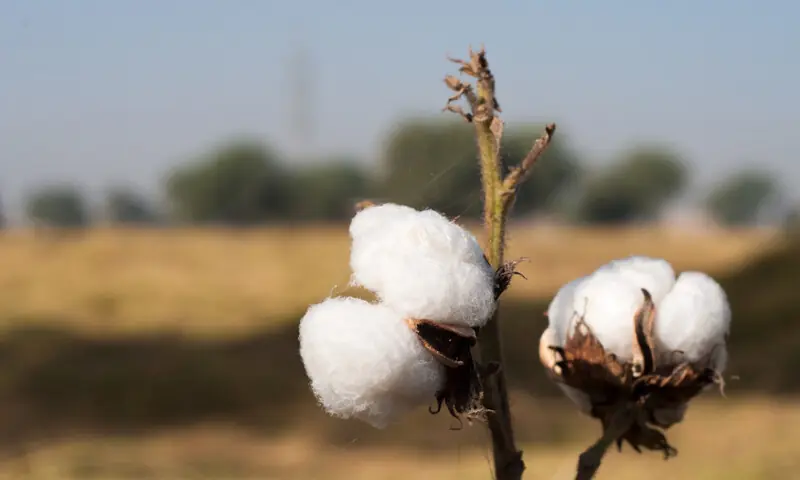
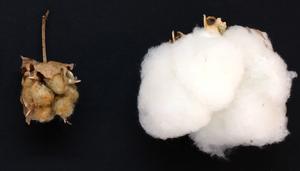
AMES, Iowa – There’s nothing like this in nature, Jonathan Wendel said as he showed a visitor in his Bessey Hall office the long white puffs billowing from a cotton boll – the protective flower capsule of the plant cultivated by humans for thousands of years. In the wild, cotton bolls are far smaller and hold darker, coarser and shorter fibers.
How did we get from there to here? Wendel, a distinguished professor of ecology, evolution and organismal biology at Iowa State University, has been asking that question for decades.
“This is my 40th year on faculty, and I came here with this project in mind. And it took 40 years to develop the resources, tools and technologies to solve the problem,” he said.
Wendel and a team of 19 co-authors outlined an answer in a paper published last month in the Proceedings of the National Academy of Sciences, showing that newly collected wild plant samples and advanced analysis of genomic sequencing data confirm modern cotton was domesticated from a diverse population native to Mexico’s Yucatan Peninsula.