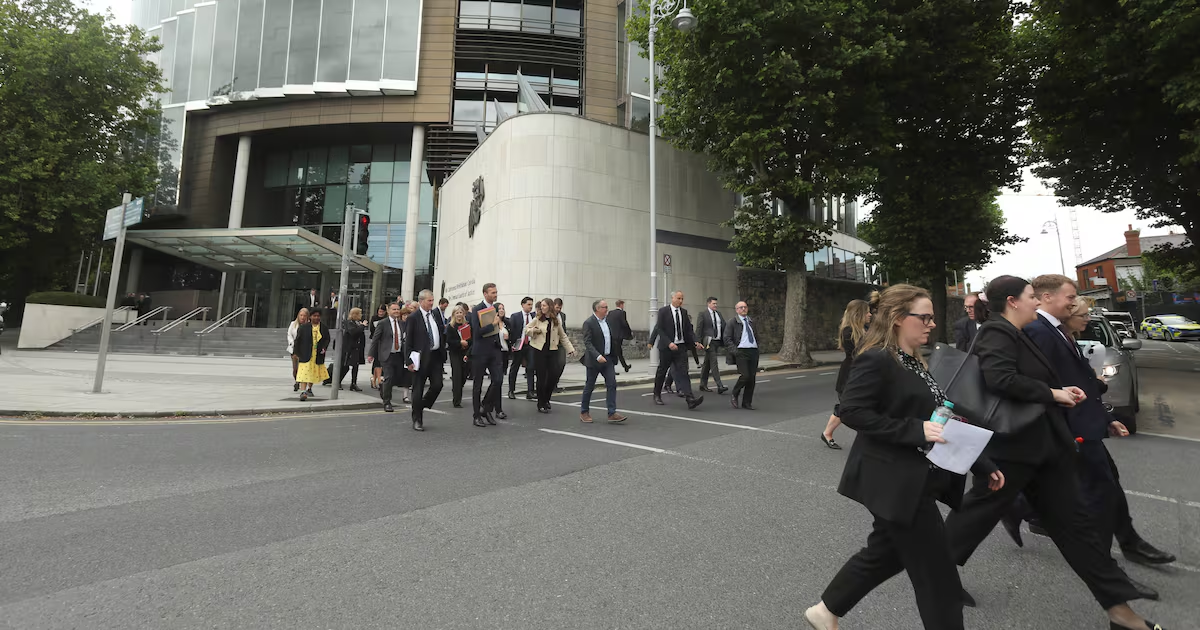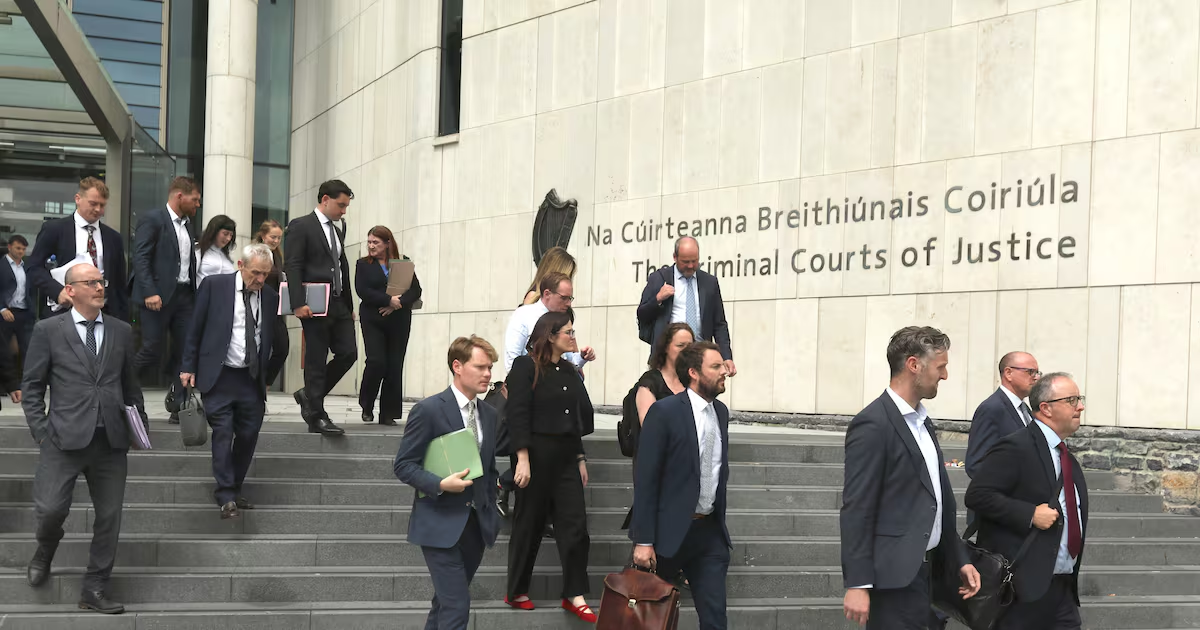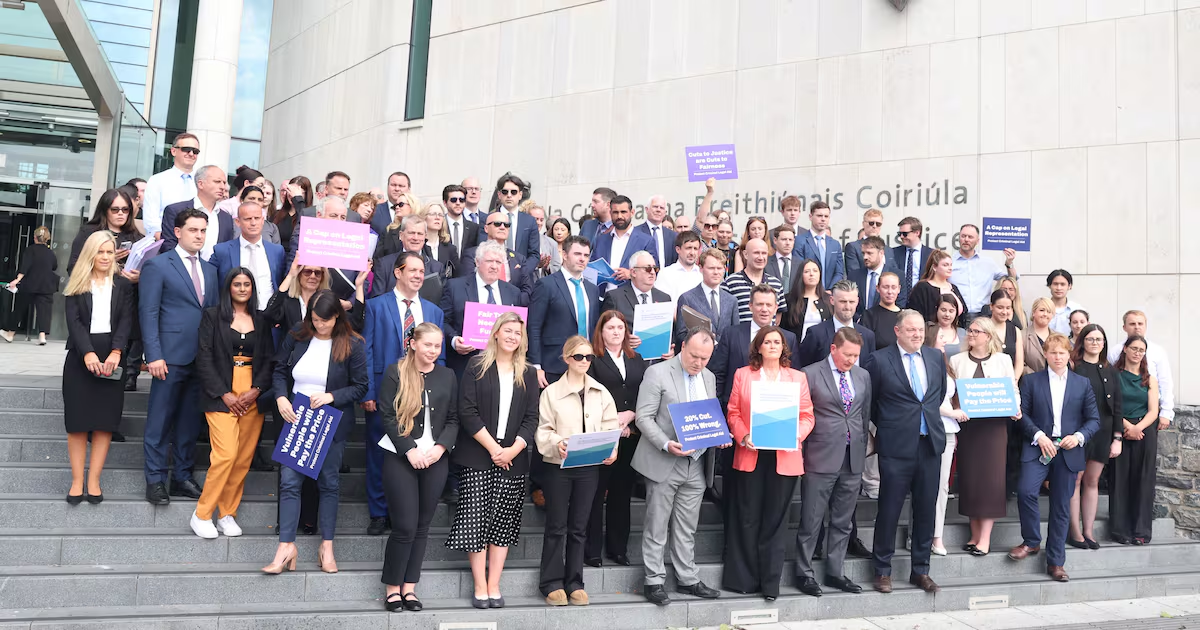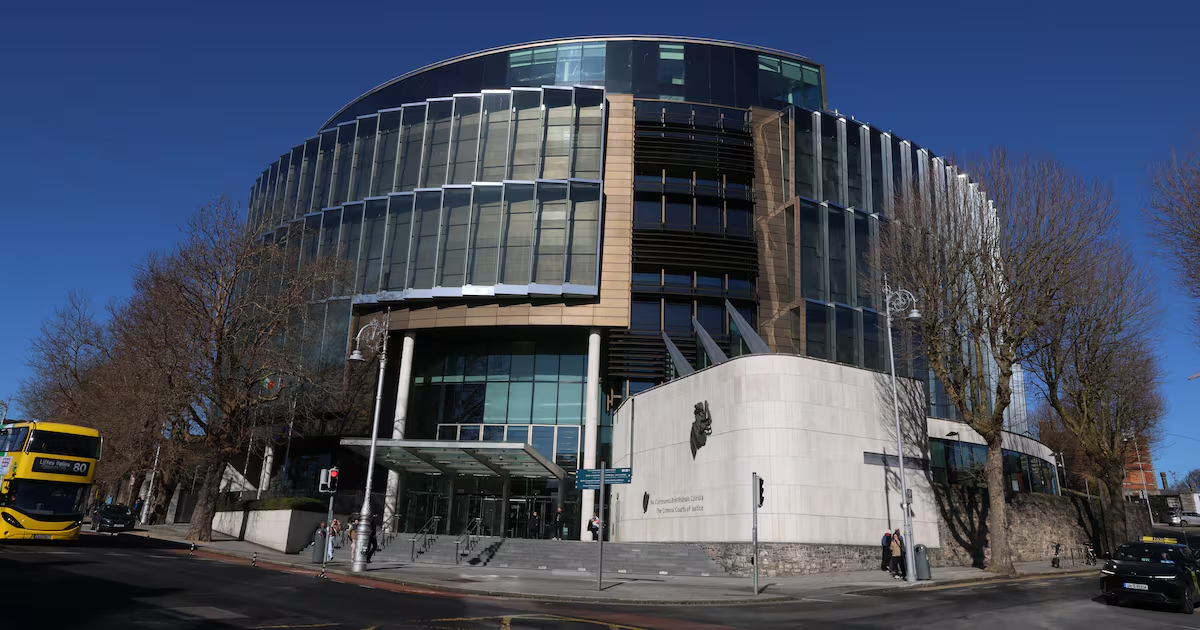
Hundreds if not thousands of criminal cases have been adjourned in district and criminal courts in recent days because of solicitors withdrawing their services in protest over plans to change how they are paid for providing legal aid.From the start of next month, the Department of Justice wants to replace the current system where solicitors are paid per appearance with a flat fee of €455 per District Court case.The consequences of the planned three-day stoppage will take months if not longer to work through a system which already has some of the longest case disposal times in Europe. It currently takes on average 500 days to conclude a case in Ireland which is one and half times the European average, according to the Law Society.The two issues are not unrelated. Inefficient courts and lengthy proceedings involve multiple appearances by solicitors and thus higher legal-aid bills. In addition, the department believes the current legal-aid system incentivises solicitors to string out cases unnecessarily through seeking or acceding to excessive adjournments, leading to more appearances and fees as a consequence. The department cites its own review – and some striking examples of fees charged in particular cases – as evidence of this. Thus, although solicitors might not like the proposed changes – about which they say they were not properly consulted – they are in large part a consequence of their own actions, or at least the actions of some of their number, according to the department.Leaving aside the obvious consequences for their potential income, the solicitors’ representatives have made a number of arguments as to why the changes may not be in the interest of the public, as against the public purse.They note that criminal cases are often adjourned because the State has been tardy in presenting its case. They also say that the changes will disincentivise solicitors from taking long and complex legal-aid cases, which could disadvantage low income and rural defendants in particular. There is some merit to these arguments, but there is no escaping the fact that the costs of the current system are rising sharply, partly due to numerous hearings of individual cases.The department’s response would appear to amount to the sins of the few being visited on the many. In the process it may save the taxpayer a significant amount of money, although there will be longer term costs if the solicitors’ warnings hold true. The fact that the department has been presented with this opportunity as a result of its members own actions raises a number of difficult questions for the Law Society and the profession. Perhaps there is scope for negotiation, but change is needed in order to hold costs down, while still ensuring fair and timely legal representation.
The Irish Times view on criminal legal aid costs: an issue which needs to be tackled
Solicitors are objecting to planned changes, but action is needed
454 words~2 min read