The declaration will not change artists’ lives overnight, but it puts censorship, fair pay and social protection on the EU’s cultural agenda
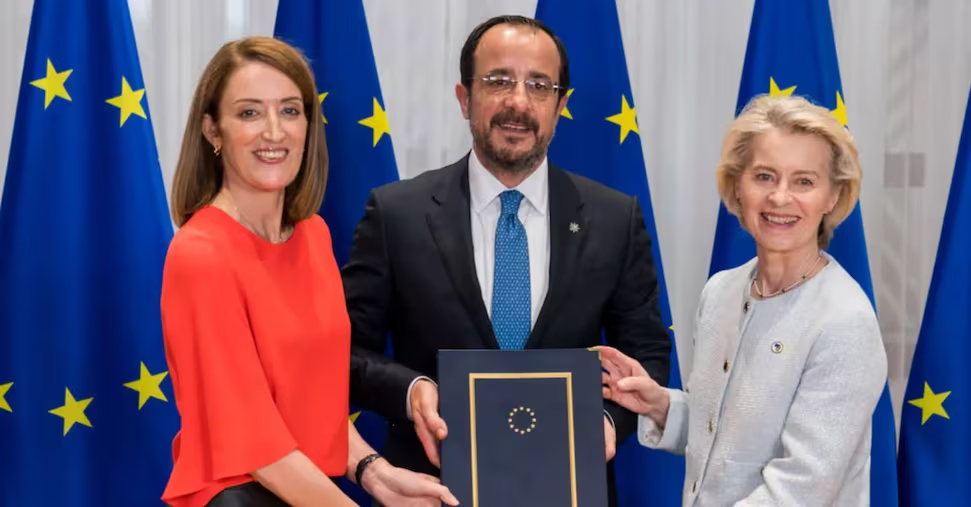
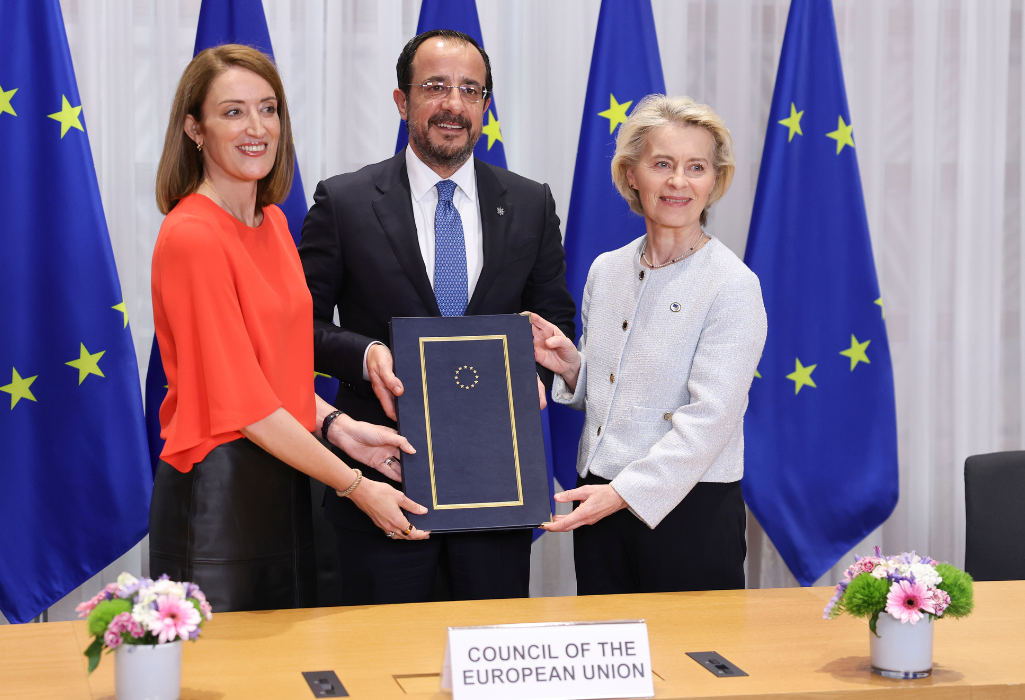
The European Commission, Parliament, and Council have signed their first joint declaration on culture, setting out what they say should guide EU cultural policy in the years ahead.
Culture has long struggled to compete for attention in Brussels, as defence, migration, energy and competitiveness have dominated the political agenda.
But the new declaration, published on Thursday, sends a strong signal to the sector. It says culture is ” a public good” and “a driving force to the socio-economic and territorial fabric of Europe” with an “intrinsic, societal, civic and economic value, and transformative potential”.
In short, it is about whether an artist can afford rent, whether a theatre can survive outside a capital city, and whether Europe still sees creativity as part of democracy rather than a luxury extra.