Flags of the European Union fly outside the Berlaymont Building, the European Commission headquarters, in Brussels, Belgium, Jan. 29, 2025.
The European Union has taken another significant step towards regulating artificial intelligence by publishing its long-awaited AI content labelling playbook ahead of key compliance deadlines under the EU AI Act.
Released by the European Commission on 10 June, the voluntary Code of Practice provides practical guidance for developers and deployers of generative AI systems on how to meet transparency obligations that become enforceable across the bloc from August 2, 2026. While participation in the Code remains optional, the legal requirements underpinning it are not.
The initiative reflects growing concern among policymakers about the potential misuse of AI-generated content, particularly deepfakes and synthetic media capable of influencing public opinion, political discourse and consumer decision-making. As AI tools become increasingly sophisticated and widely accessible, regulators are seeking ways to ensure citizens can distinguish between human-created and machine-generated content.
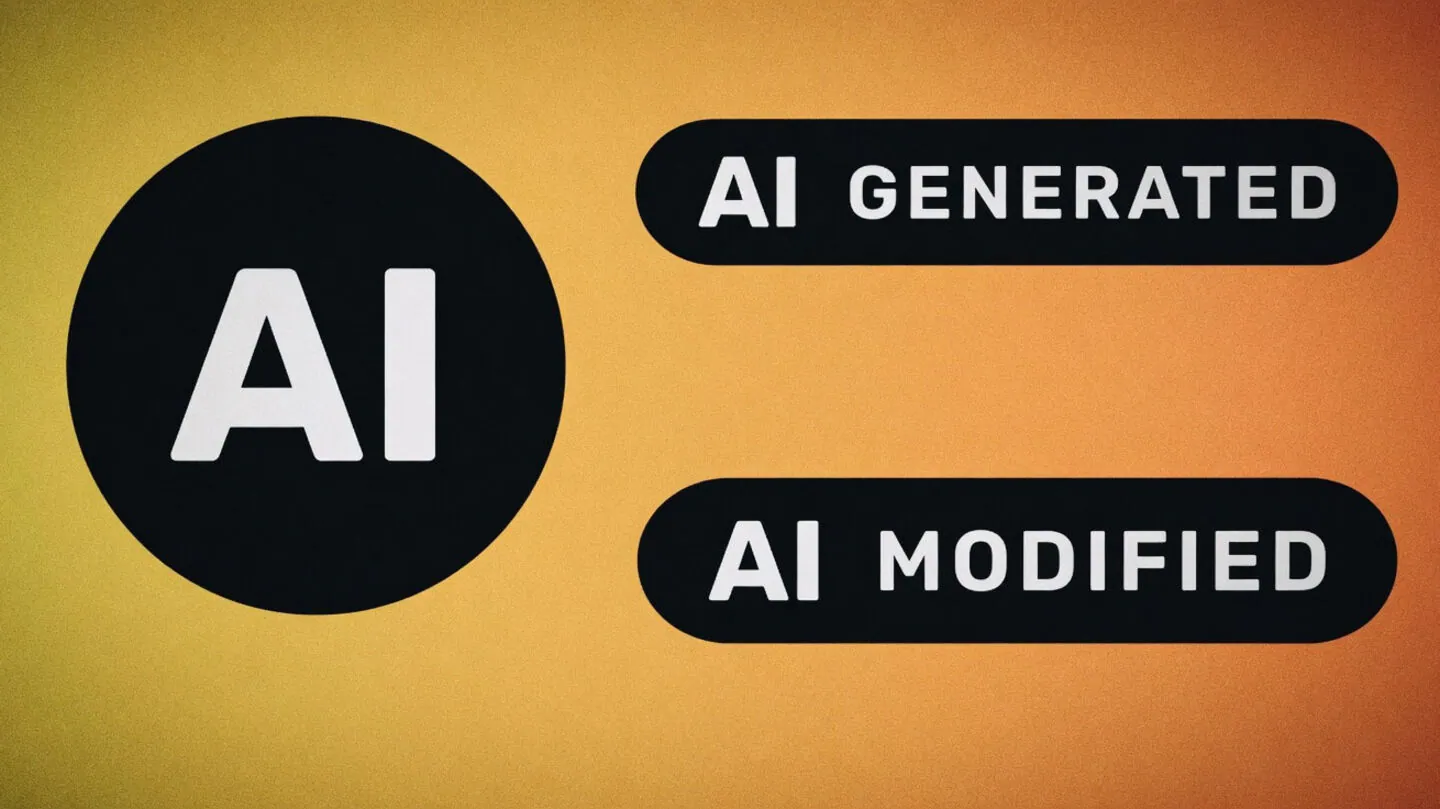
At the heart of the new framework is a simple principle: people should know when they are interacting with artificial intelligence or consuming content created or significantly altered by AI systems.