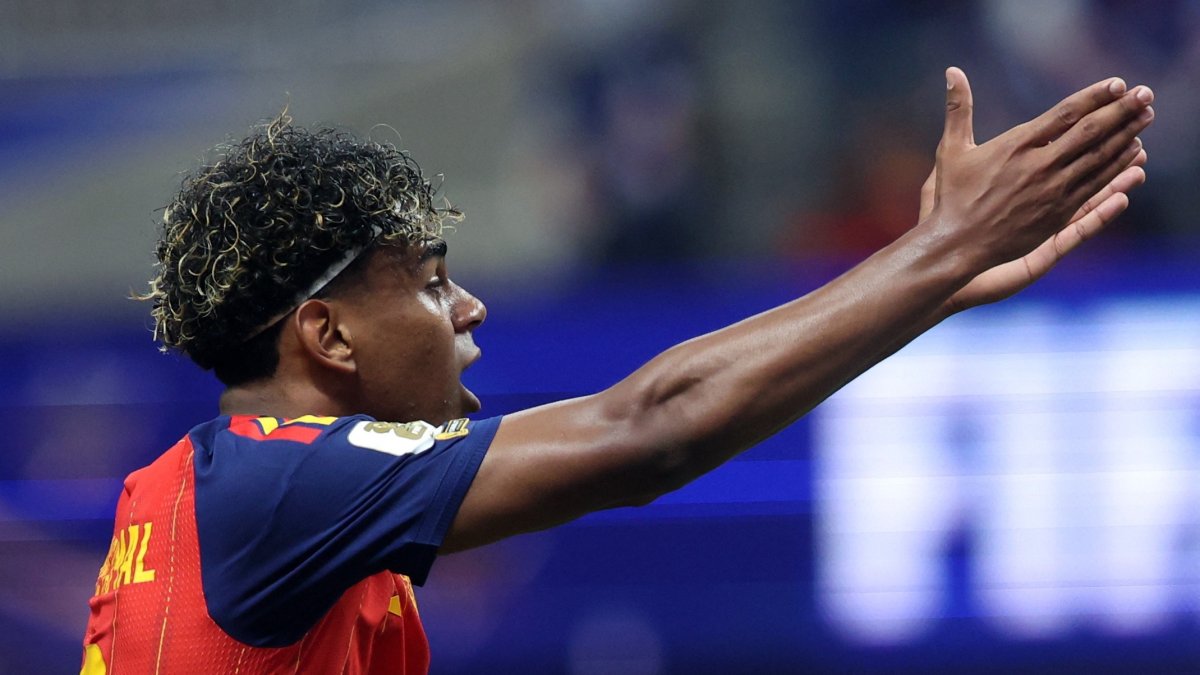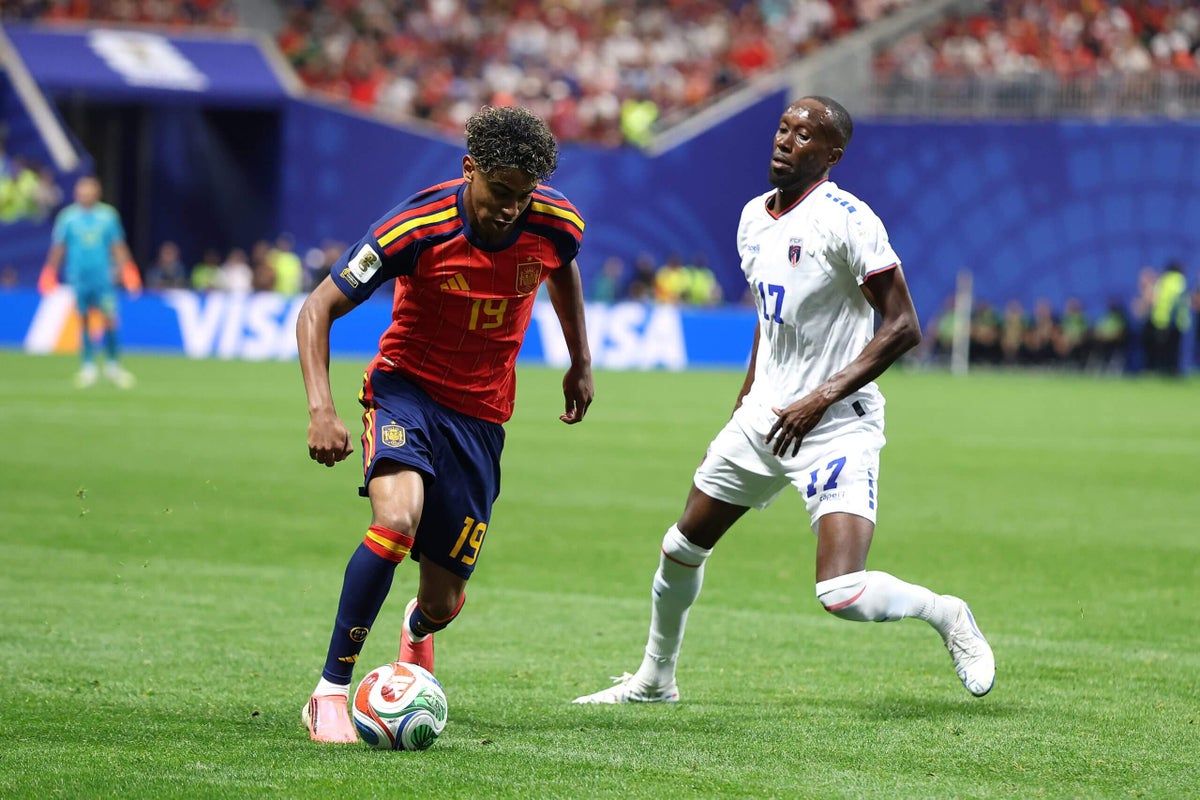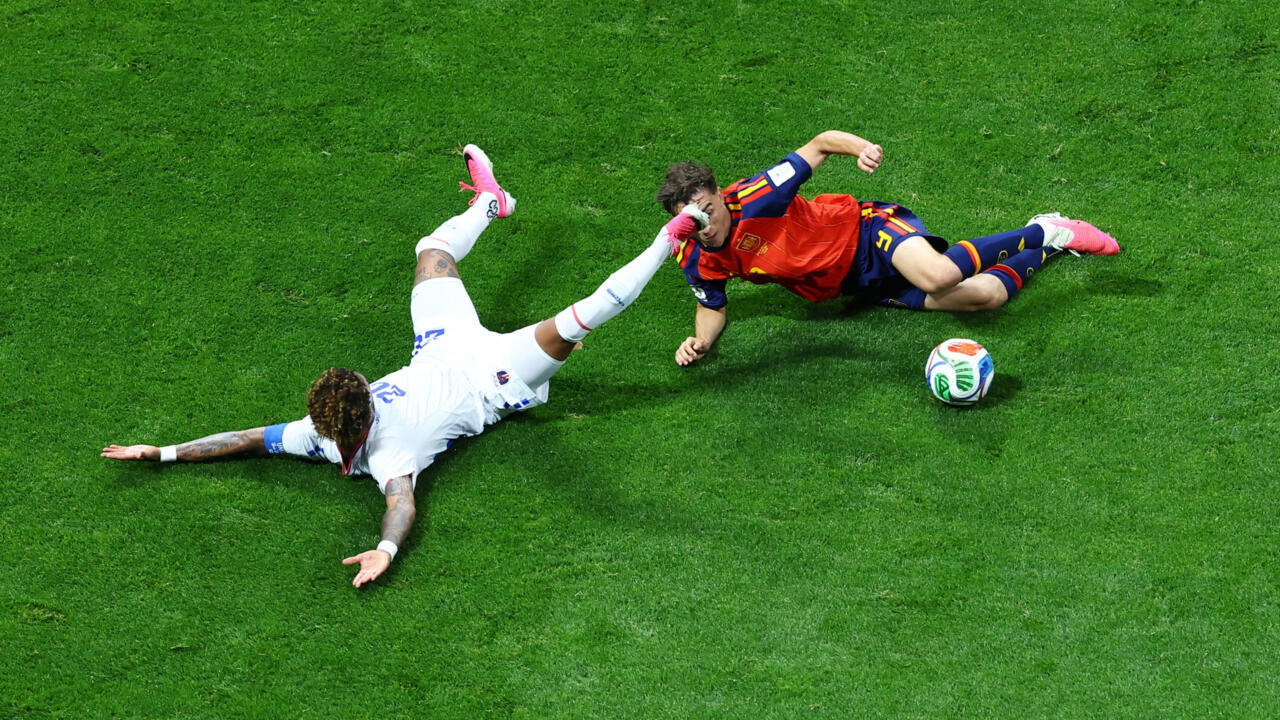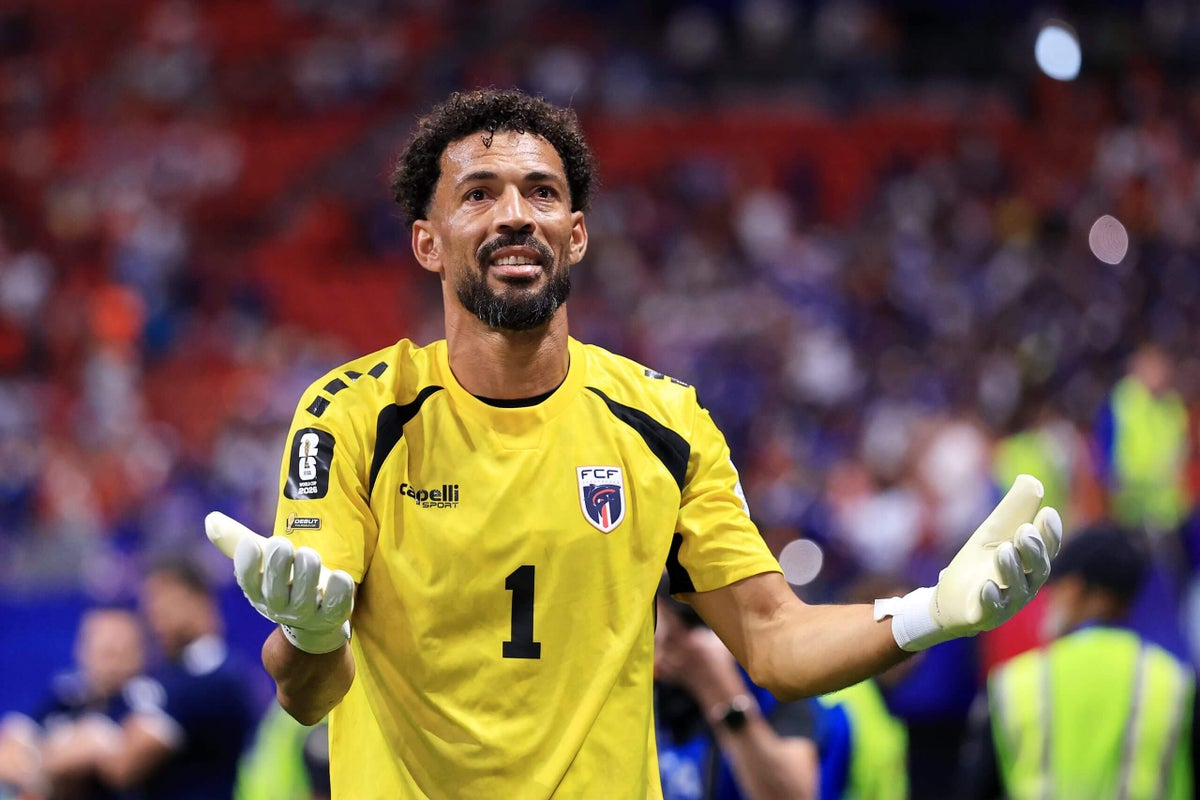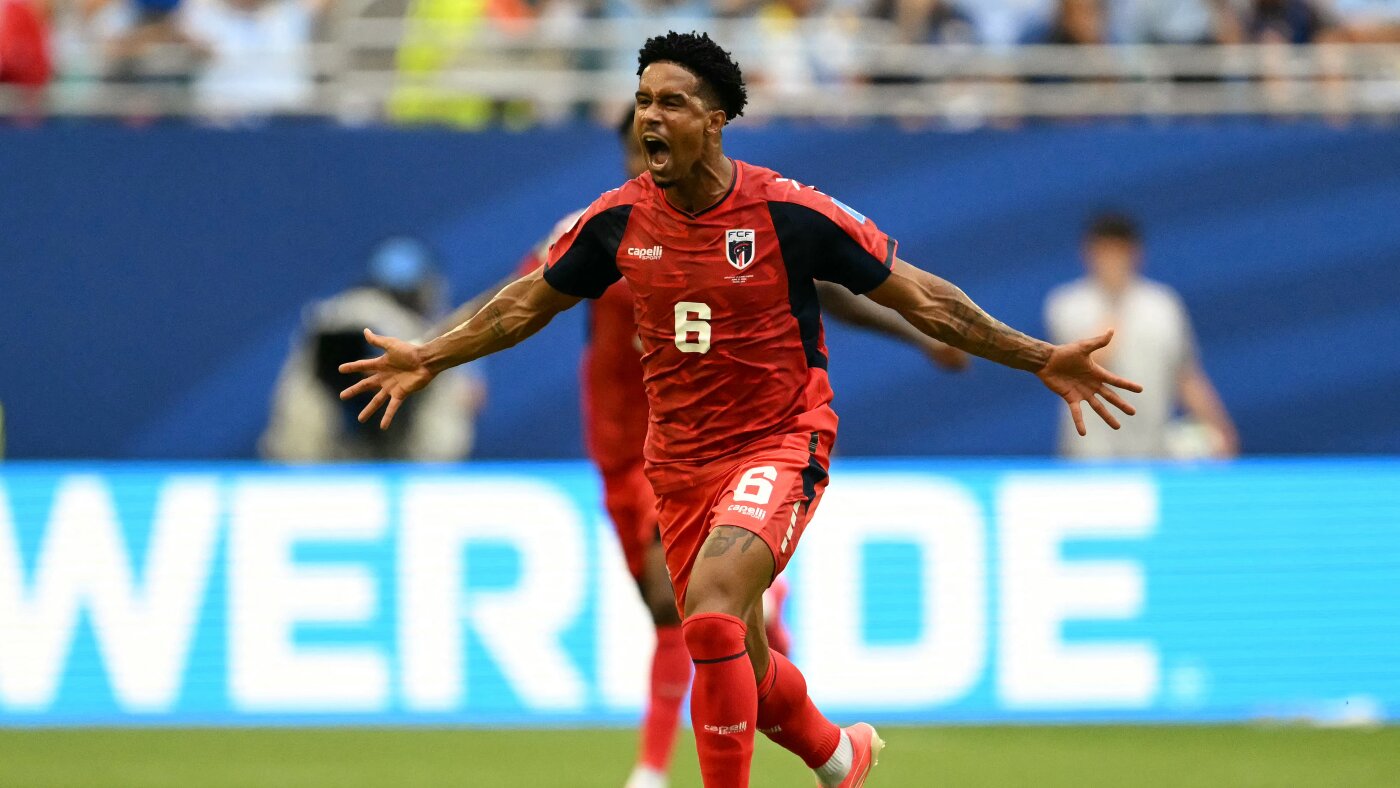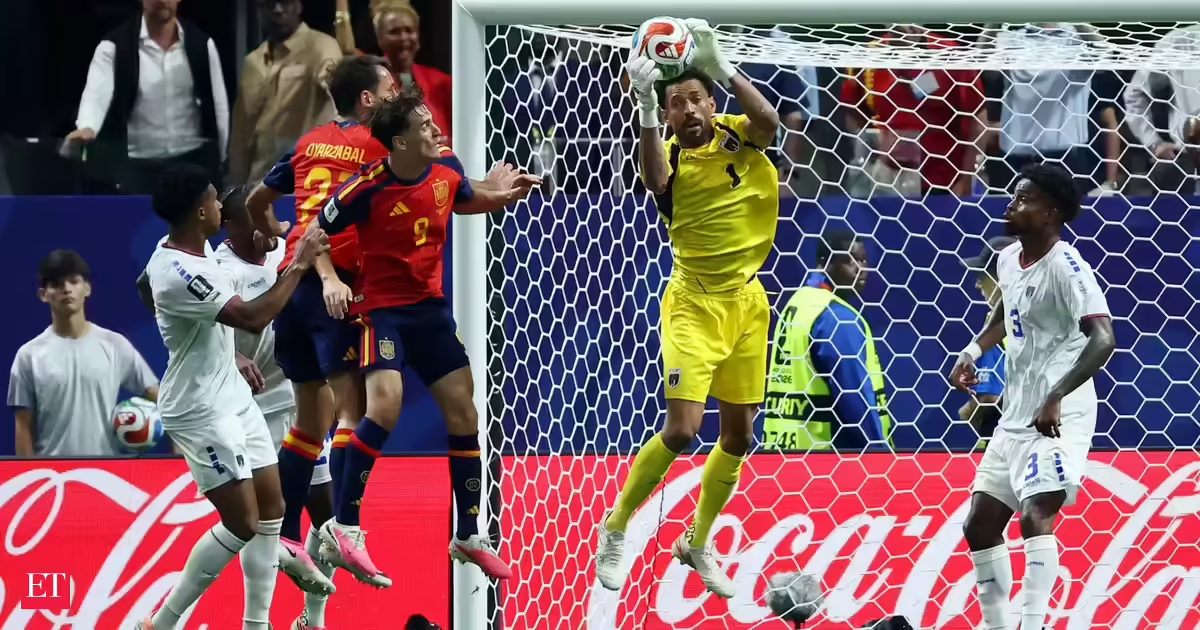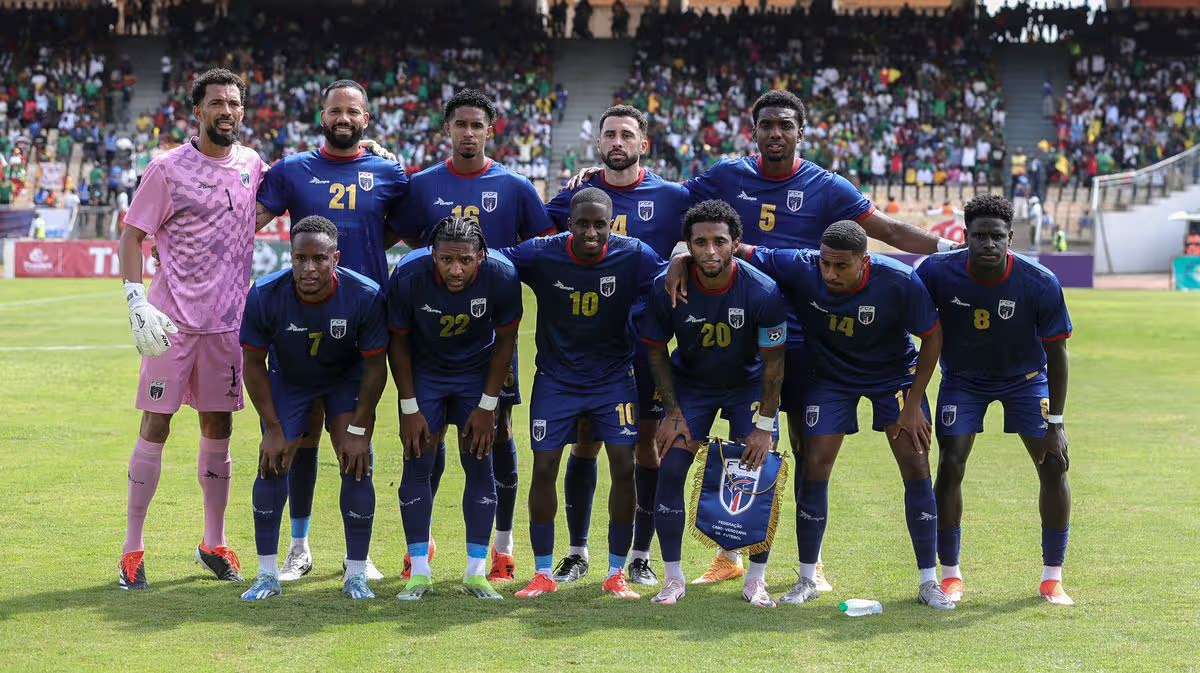
Cape Verde, a volcanic archipelago nation of roughly 600,000 people, just held Spain to a 0-0 draw in their first ever World Cup match. If that sentence doesn’t immediately register as absurd, consider that Spain are perennial title contenders with decades of elite tournament pedigree. Cape Verde, by contrast, were playing in a World Cup for the very first time on June 15, 2026.
The results that raised eyebrows
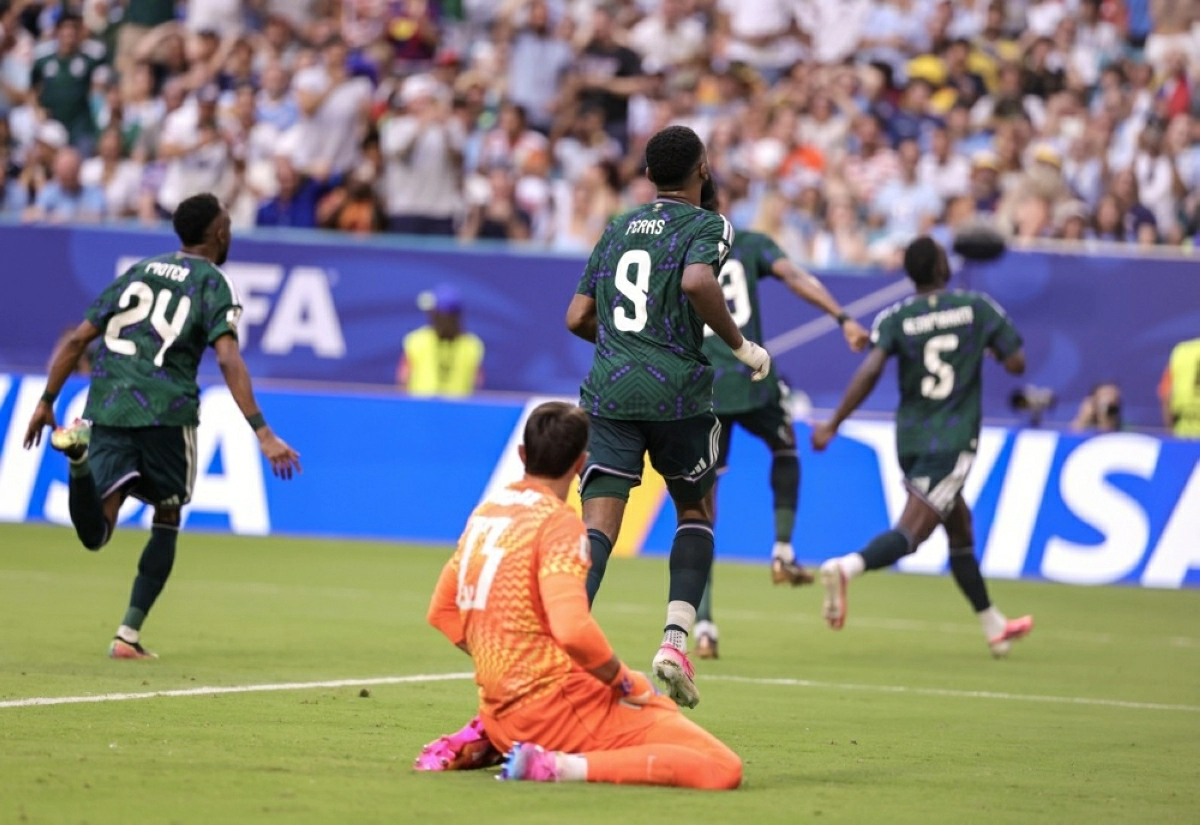
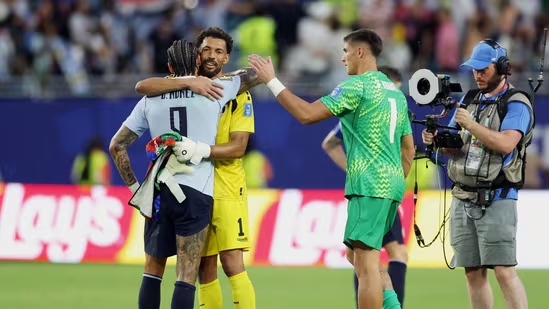
Cape Verde’s stalemate with Spain was the headline act, but the pattern extends further. New Zealand, ranked around 85th in the world, fought back to earn a 2-2 draw against Iran. Saudi Arabia, ranked 61st, ground out a 1-1 result against Uruguay, a side sitting at 16th in the global rankings.
The early rounds have produced a notably higher rate of draws compared to previous World Cups. Historically, the group stage tends to favor established sides, with clear victories being the norm rather than the exception. This tournament is bucking that trend in a big way.
If you’re looking for a historical parallel, think Senegal shocking France in the 2002 World Cup opener. That result is still talked about as one of the great tournament upsets. The difference in 2026 is that it’s not one isolated shock. It’s a pattern.