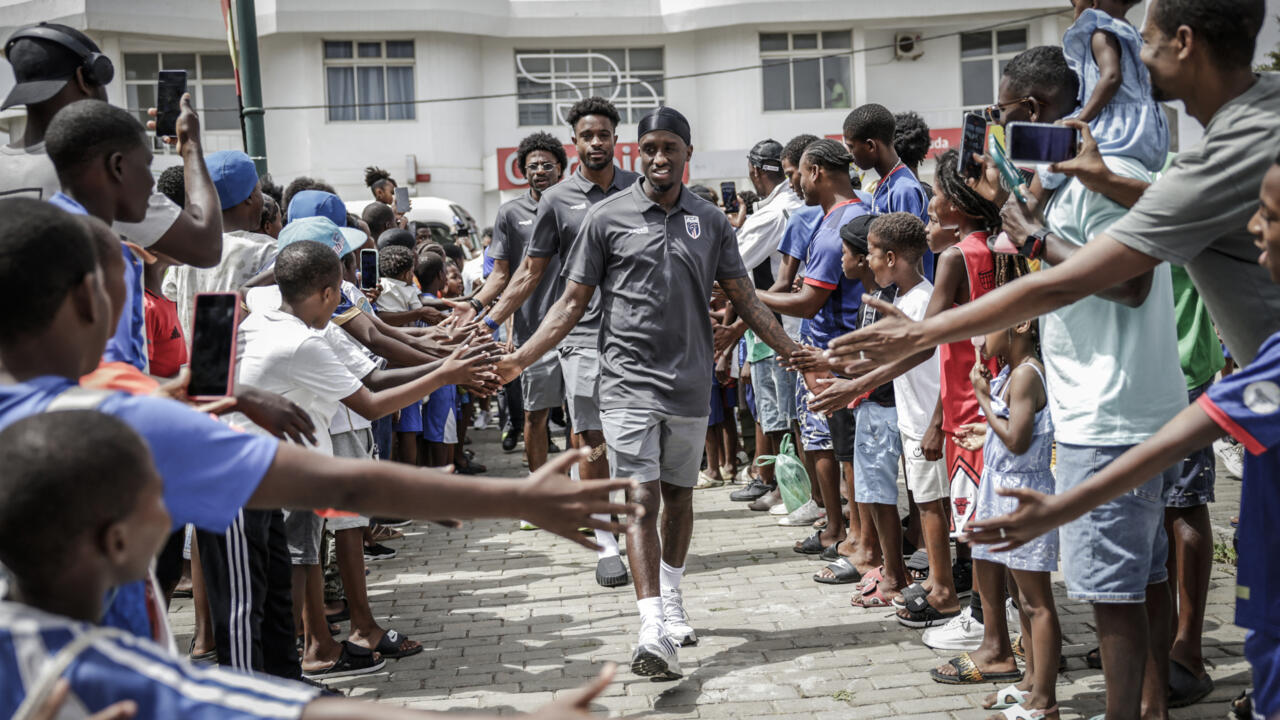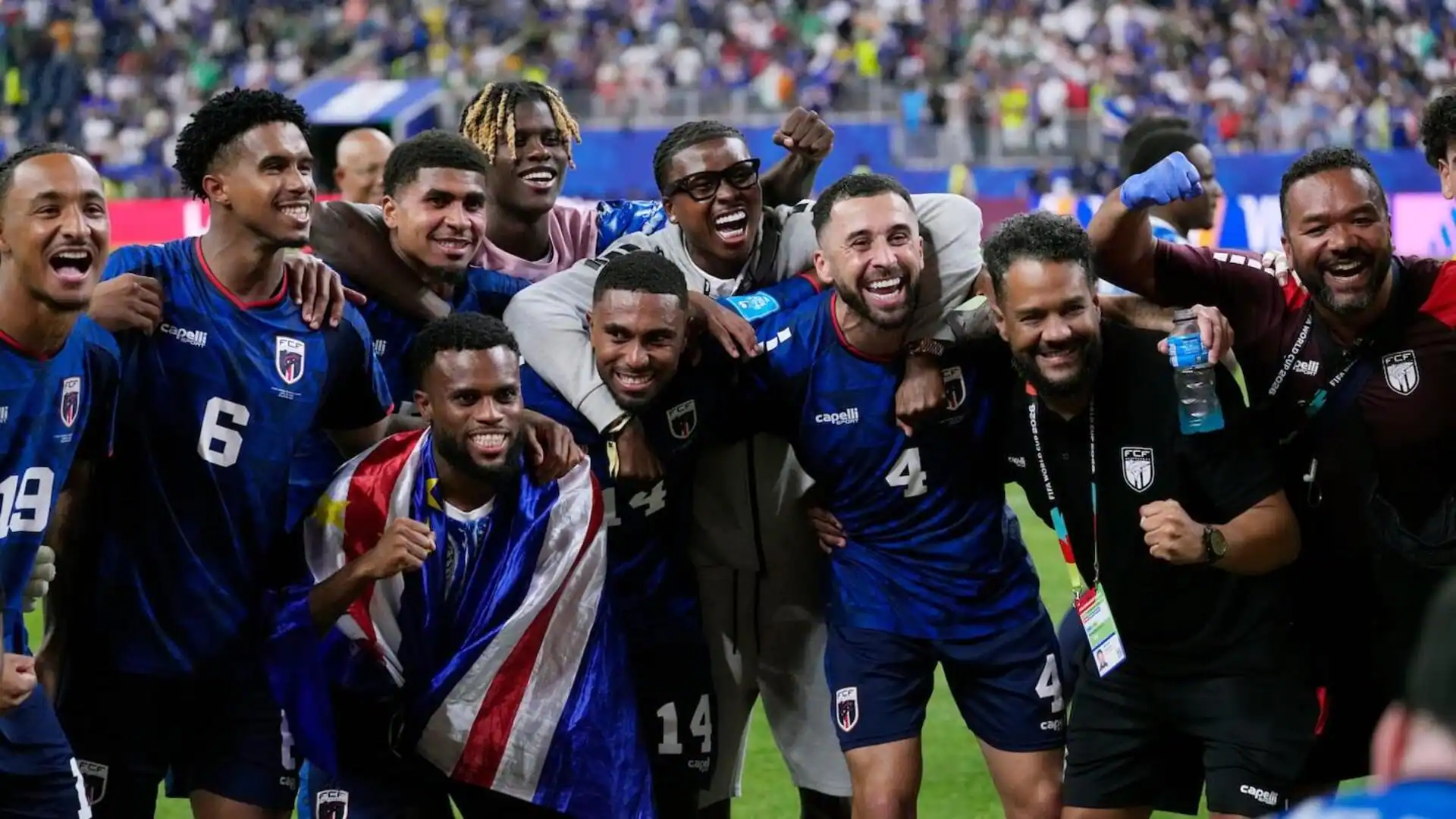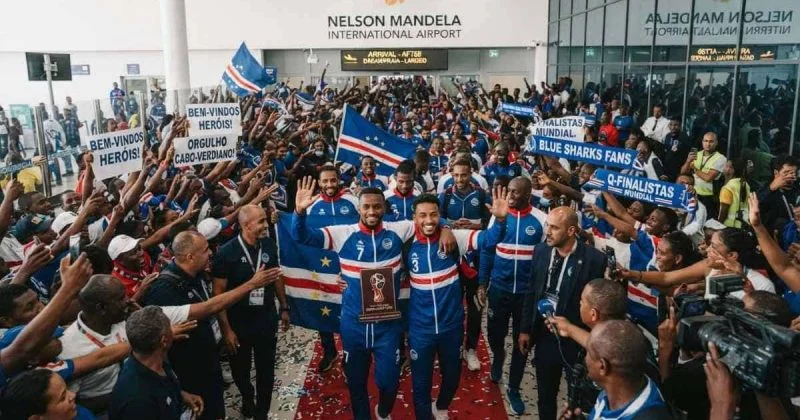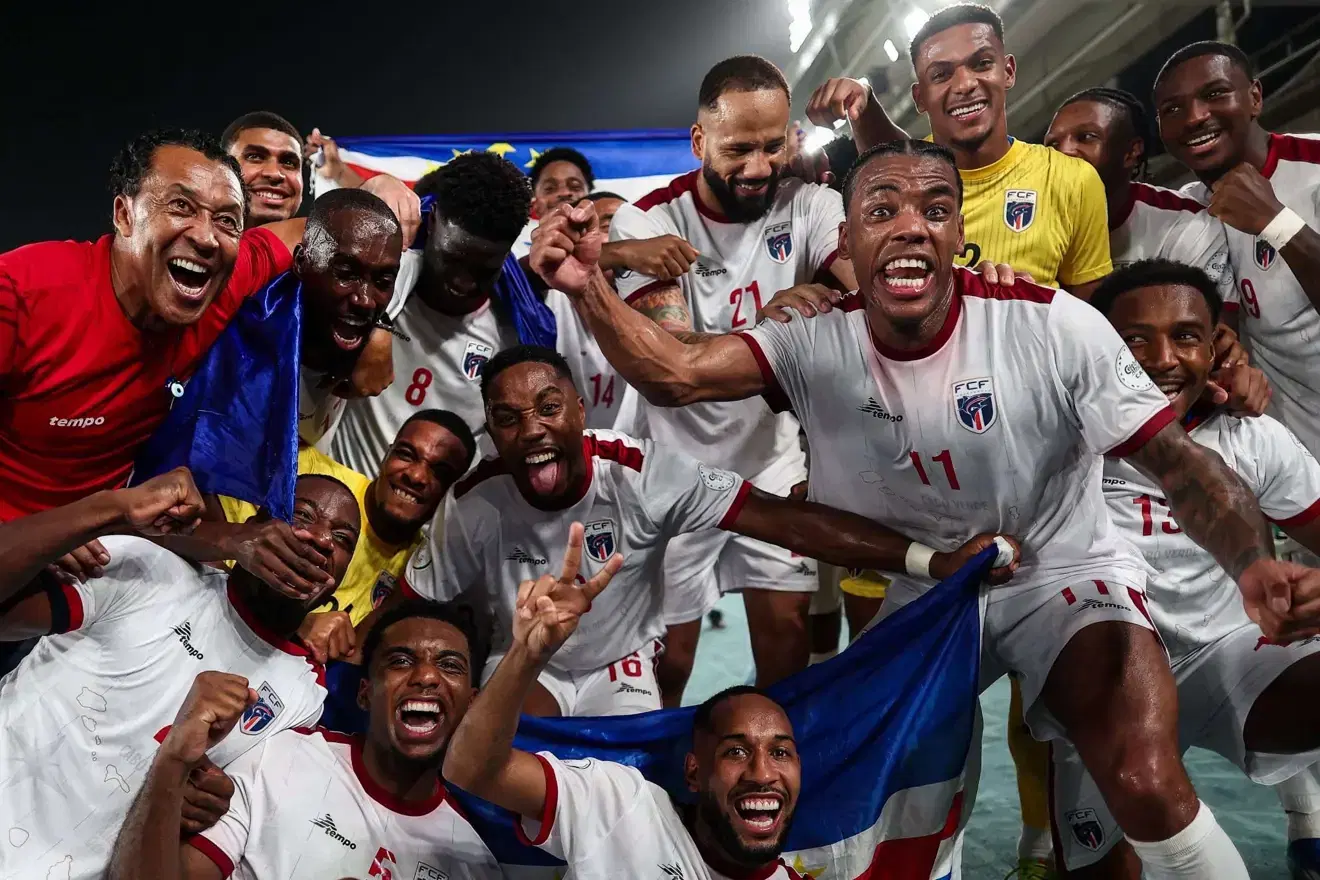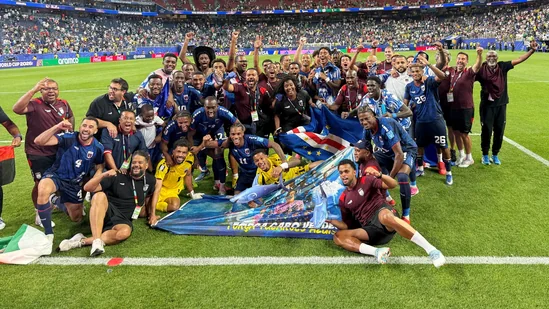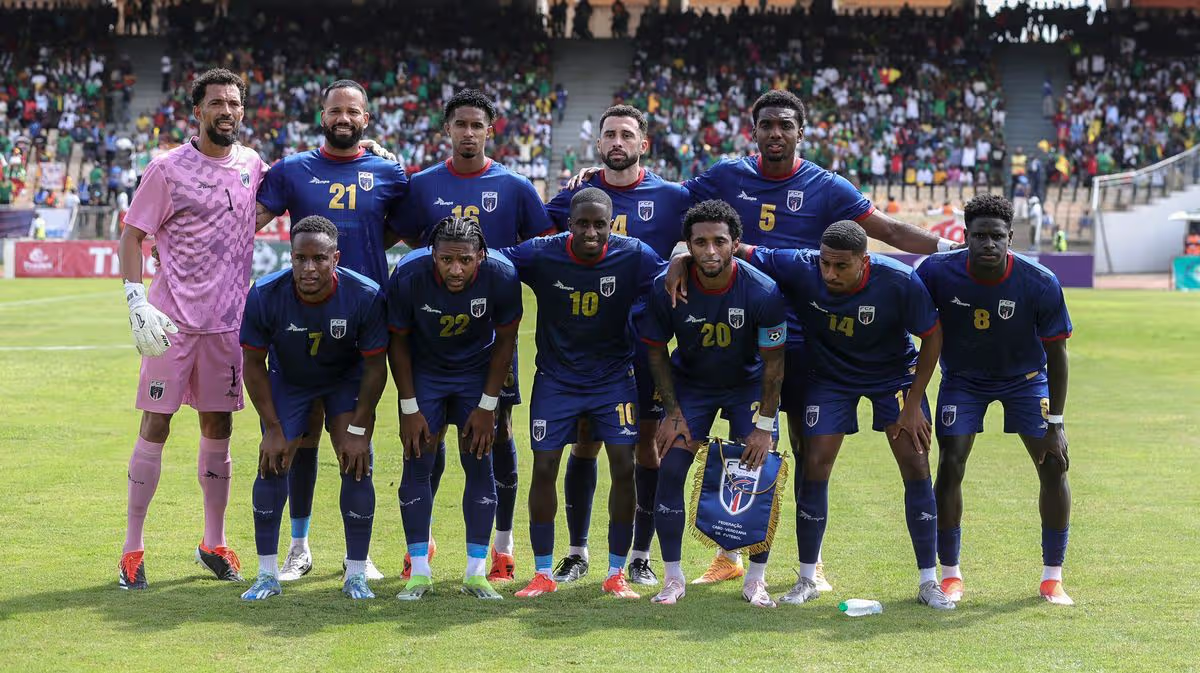
The story of the 2026 World Cup found arguably its most poetic chapter before a ball was even kicked in North America. When the tiny island nation of Cape Verde secured its first-ever qualification for the global showpiece, it was an achievement of seismic proportions.Reaching the tournament marked exactly 50 years since the nation gained independence from Portugal in 1975, intertwining the country's political birth directly with its greatest-ever footballing milestone.Cape Verde arrive as the ultimate tournament wildcard. This isn't a team defined by traditional boundaries but a global network fuelled by a diaspora far larger than the population of the islands themselves. From the streets of Rotterdam to the suburbs of Boston, the Blue Sharks have built a remarkably coherent side that makes a habit of completely destroying international expectations.To map out what we can expect from the World Cup debutants, we sat down with African football journalist Ali Howorth on the latest episode of our Make Football Great Again podcast. Having been on the ground in the capital city of Praia when history was made, Howorth outlines the tactical blueprint of long-serving manager Bubista, the fitness gamble on an elite La Liga centre back, and why Cape Verde just might surprise everyone.Get the latest World Cup news straight to your inbox by signing up to our Make Football Great Again newsletter now!The diaspora superpowerFor decades, elite footballers with Cape Verdean roots chose to represent European heavyweights - think Sweden legend Henrik Larsson, former Manchester United winger Nani and PSG full-back Nuno Mendes. Larsson's father even gave him his mother's surname to shield him from the repercussions of being a Cape Verdean growing up in 1970s Sweden. Today, the narrative has flipped."Now it is the exact opposite," Howorth says. "Cape Verde have put themselves on the map and they are very good at recruiting from abroad because their diaspora is central to their identity. The country was completely uninhabited before Portuguese colonisation, so it has always existed through immigration. There are roughly two million Cape Verdeans in the diaspora - much larger than the country itself."This unique global footprint has created fascinating squad dynamics. "Arguably the best left back in the world, Nuno Mendes, is Cape Verdean and visits regularly. The diaspora is so vital that there are actually more players in this current World Cup squad born in Rotterdam than born in the capital of Praia. Six players were born in a tiny community of 20,000 Cape Verdeans in Rotterdam alone."It isn't just the players who carry Cape Verde's identity across borders. The nation's vast diaspora also gives the Blue Sharks a travelling support unlike almost any other African side."Very few fans will travel from the island because they are on a travel list where they have to put down a $10,000 to $15,000 deposit just to enter the US," Howorth explains. "But there is a massive diaspora of half a million Cape Verdeans living in the Boston area alone. They will travel in numbers and they will travel well. They are going to be incredibly popular."The elite fitness gambleWhile the squad is primarily composed of journeymen playing in Cyprus, Turkey, Russia and Bulgaria, Cape Verde boast one truly top-tier star: Villarreal centre back Logan Costa. Comparable to the best defenders in Europe, Costa is the luxury foundation of the team, but he arrives under a massive injury cloud."Logan Costa is the one exception; he is an elite player," Howorth notes. "I was speaking to a Premier League scout who said that in the next couple of years, he should be at Barcelona, Atletico Madrid, or Real Madrid. He is a phenomenal centre-back - big, strong, and unbelievable on the ball."The catch? Costa tore his ACL in the final game of pre-season, missing almost the entirety of the domestic campaign. "He has played just 45 minutes of football all season, coming on at the very end of Villarreal's final two matches. He is the partner to Willy Kambwala at the back. If he is fully fit and plays well, they have a live chance. If not, it's hard to see them getting anything."The goalscoring enigmaWith aging icon Ryan Mendes expected to feature primarily from the bench at 36, the goalscoring burden has shifted to centre forward Dylon Livermento. Born in Rotterdam to a Cape Verdean music star, Livermento possesses one of the most baffling statistical profiles in international football."He's a very interesting player because he has had a dreadful club season for Casa Pia in Portugal, failing to score a single goal," Howorth reveals. "But for Cape Verde, he has been phenomenal. He has been the answer to all their prayers."Despite his club drought, Livermento is a clinical killer in the national shirt, netting seven goals in less than two years. "Four of them were massive goals in World Cup qualifying. He scored a brace away against Angola to set them on course, the only goal in a historic win against Cameroon to effectively seal qualification, and the opener against Eswatini that punched their ticket. He just steps up."Euro-Brazilian blueprintCape Verde find themselves in a daunting group alongside Spain, Uruguay, and Saudi Arabia. But led by legendary former national team captain Bubista, who has built a highly-disciplined team with a multi-faceted tactical setup - they've given themselves every chance of making an impact."Bubista is a legend, the captain when they lifted their only ever trophy back in 2000," Howorth says. "His ability to integrate foreign-born diaspora players with local talent has been incredible. Tactically, expect a defensively rigid 4-3-3, but they aren't a conventional, negative defensive team."Instead, the Blue Sharks play with a distinct stylistic flair. "It's a Portuguese-Brazilian hybrid. They have highly technical, physical wingers like Jovane Cabral who love to carry the ball and take defenders on. At the last AFCON, they ranked among the highest for pressing actions, possession, and short passing."Against Spain, they might only have 20 per cent possession, but they won't just hoof it long. They will target chaotic moments in the Uruguay and Saudi Arabian camps, play their short-passing game, and try to unleash their pace on the break."Content cannot be displayed without consent
World Cup 2026: Cape Verde – history-making debutants with a hidden superpower
Cape Verde are looking to make a splash at their first ever FIFA World Cup - but will have their work cut out in a group featuring Spain, Uruguay and Saudi Arabia
1,023 words~5 min read