Story audio is generated using AI
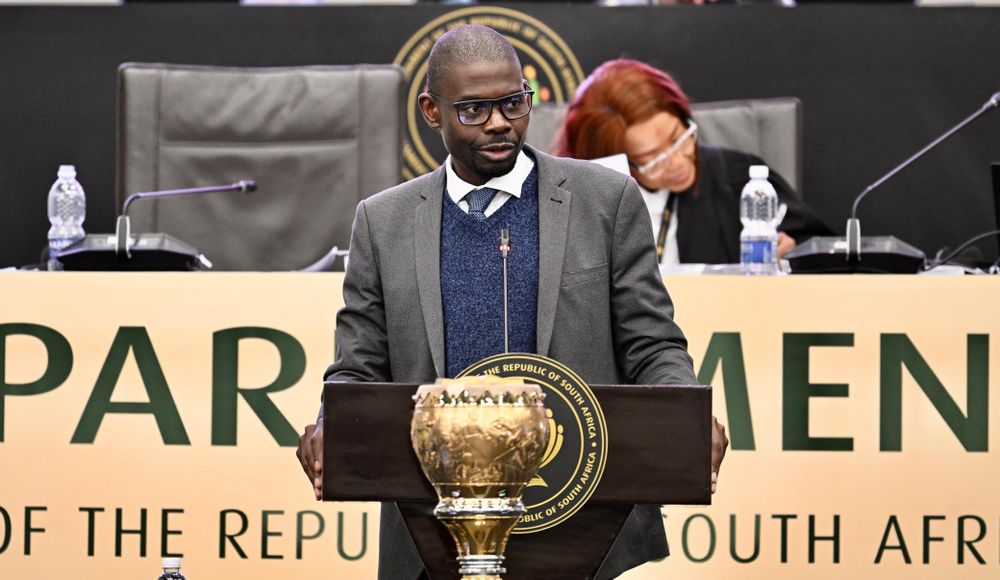
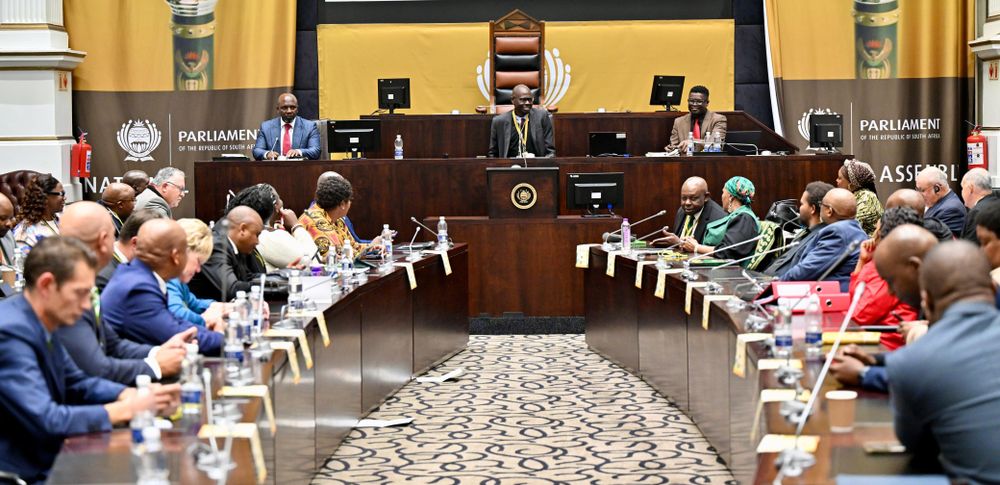
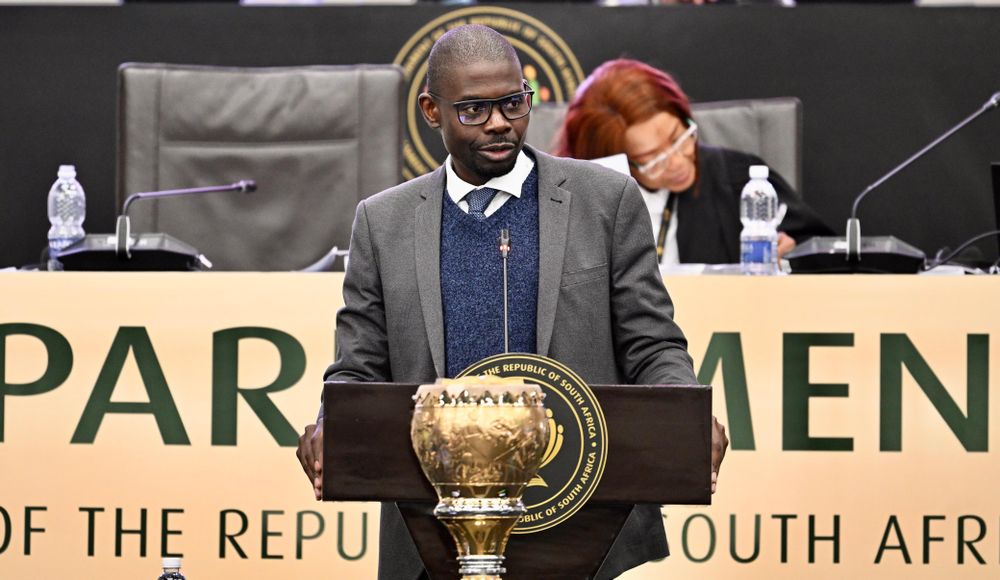
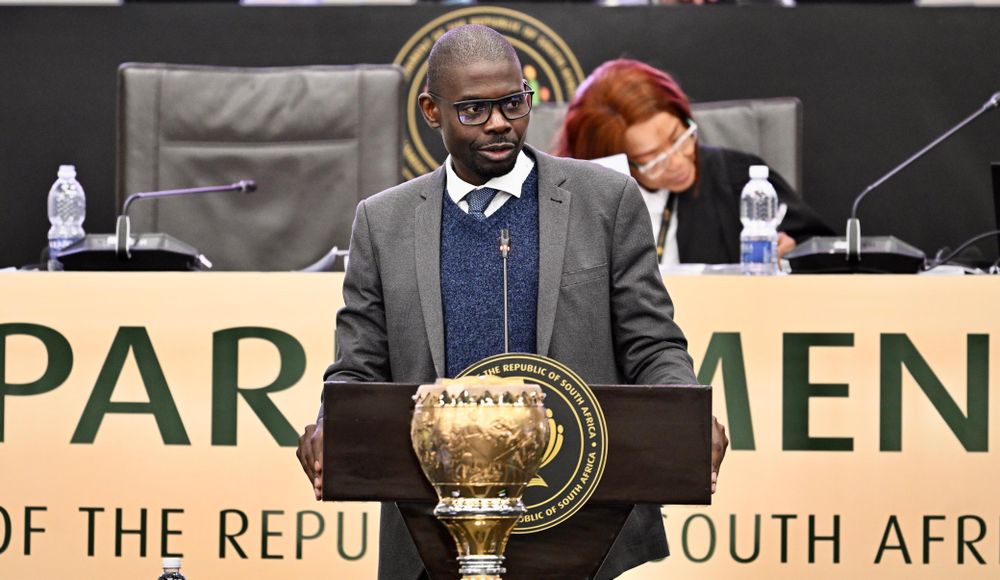
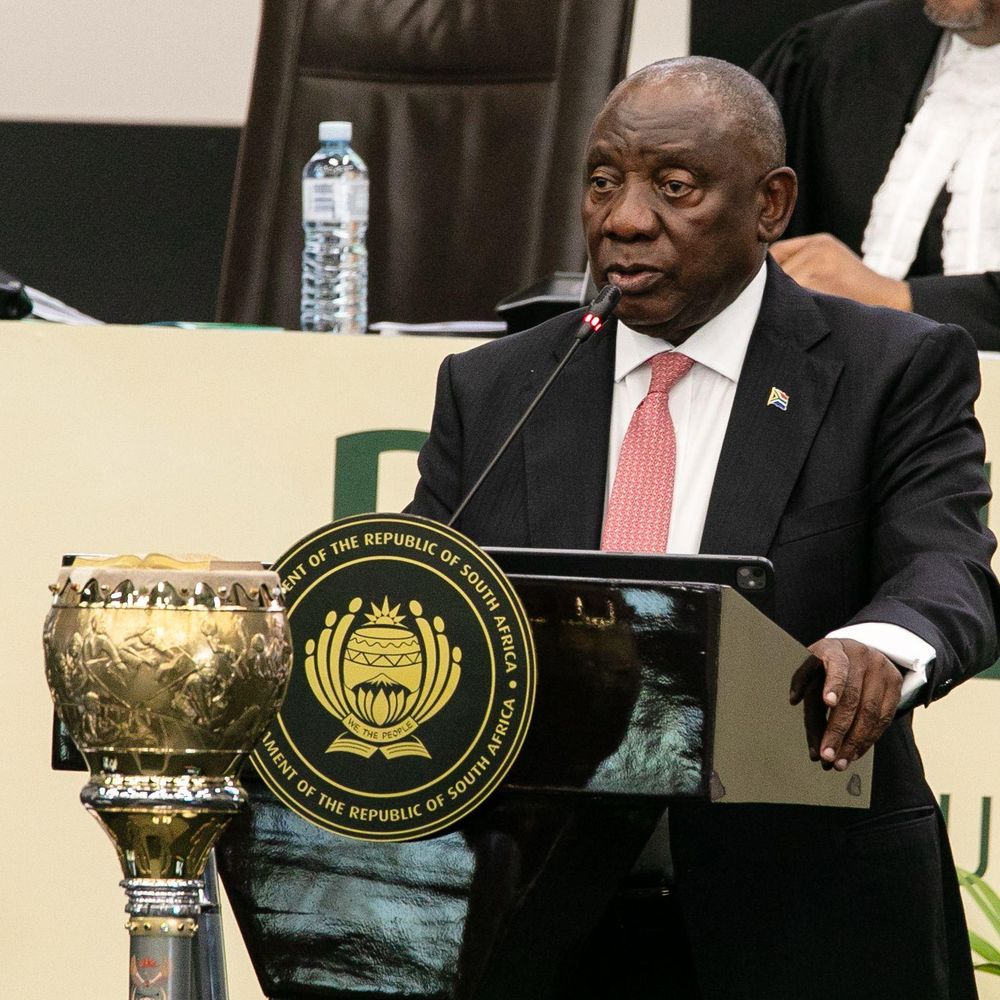
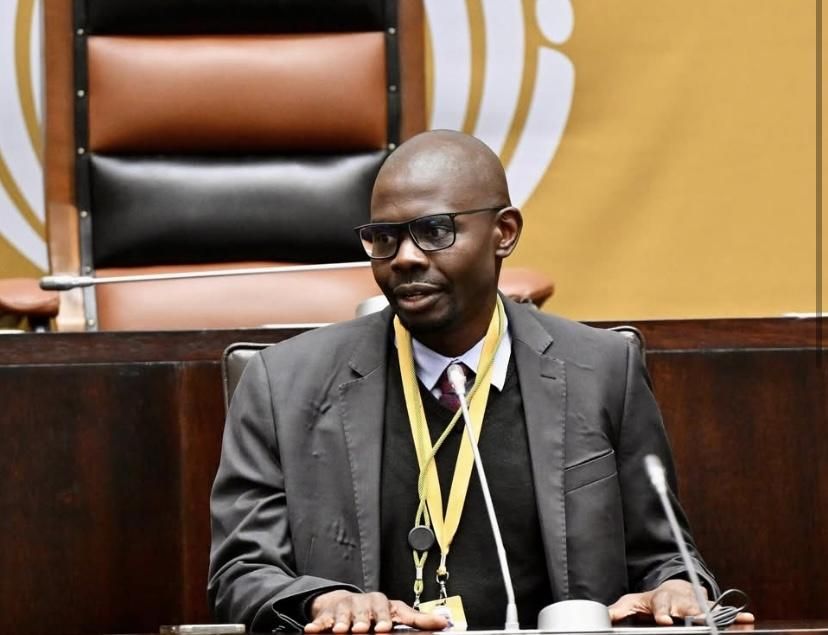
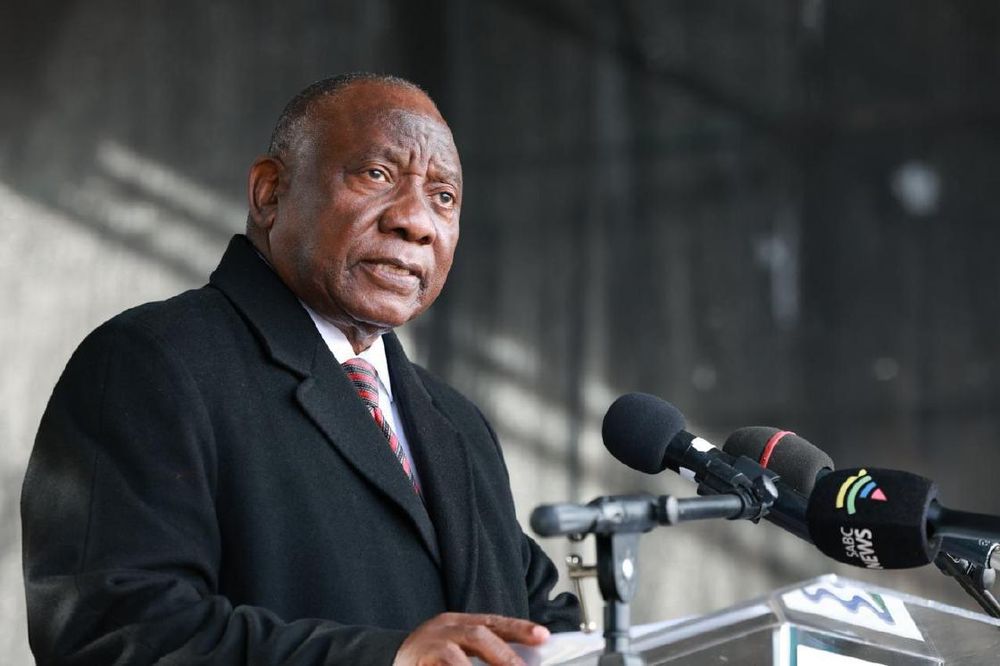
The majority of the National Assembly’s impeachment committee has decided to oppose President Cyril Ramaphosa’s application to the Western Cape High Court for an urgent interdict to stay its proceedings pending the outcome of an application for a judicial review of the independent panel’s report, on which its work will be based. Committee chair Makashule Gana, who has been cited as a respondent to Ramaphosa’s application, supported opposition by the committee and said at a meeting on Thursday that he would urge speaker of the National Assembly, Thoko Didiza, to also oppose the application. If she failed to do so, the committee would do so in its own right. DA chief whip Glynnis Breytenbach opposed the committee’s opposition in its own right on the grounds that it did not have locus standi to litigate in its own name, being an arm of the National Assembly. The onus was on Didiza to oppose the application. She did argue, however, that the committee should vigorously lobby Didiza to oppose the application. DA parliamentary leader George Michalakis added that the speaker, as the representative of the National Assembly, should be instructed to oppose the application on the committee’s behalf. ANC MP Mikateka Mahlaule also did not believe the committee had the power to litigate and argued that it should give notice that it would abide by the court’s decision. It was the role of the speaker to oppose, a view supported by the UDM and ATM. The EFF, MK Party, FF+, Bosa, ActionSA, Rise Mzansi, ACDP and UAT supported the committee’s opposition, with MK Party parliamentary leader John Hlophe saying the president had little chance of success purely on legal grounds. Al Jama-ah wanted a second legal opinion. The 31-member committee consists of nine ANC members, five DA, three MK Party, two EFF, and one member each from ActionSA, ACDP, UDM, Rise Mzansi, Bosa, ATM, Al Jama-ah, NCC, UAT, FF+ and PA. Respondents have until Friday to submit their intention to oppose. Senior counsel William Mokhare argued that as the chair of the committee had been cited as a respondent to Ramaphosa’s application, the committee did have locus standi to oppose it. The application will be heard on July 15 and 16. He said the committee was independent with its own independent powers, including participation in litigation. Mokhare stressed that it was appropriate for the committee to oppose Ramaphosa’s application for an urgent interdict in defence of its constitutional obligation. He said the impeachment committee would be defending its right and obligation to conduct the impeachment inquiry and not defending the panel report nor asserting that the president had committed any impeachable offence. Mokhare’s view was that the Western Cape High Court did not have jurisdiction to grant Ramaphosa’s application pending the outcome of his application to have the report reviewed. This review application will be heard in September. The panel, chaired by retired judge Sandile Ngcobo, found that there was prima facie evidence that the president had contravened the constitution and committed serious misconduct. Ramaphosa said in his court papers that he would suffer “irreparable harm” in the impeachment process if it continued, as “the hearings will allow baseless and unfounded allegations, which may potentially be defamatory, to be made against me”. The circulation of these allegations would persist for as long as the court takes to make a ruling on the panel’s report, he said. Mokhare, who was requested by the committee to provide a legal opinion, said the Constitutional Court, the apex court, had instructed parliament to establish an impeachment committee to investigate the panel’s findings. “The interdict [application by Rampahosa] seeks to restrain the impeachment committee from complying with the terms of the Constitutional Court’s order. An interdict against the impeachment committee would constitute interference with the impeachment committee’s constitutional mandate,” Mokhare said. “It seems to us that the interdict sought may not be legally permissible given that if granted, it would have the effect of the High Court suspending the operation of the Constitutional Court order. For a court to interdict the preliminary inquiry mandated by the constitution, it would constitute a grave trespass upon the terrain of the legislative branch.“It is not apparent if the balance of convenience favours the grant of an interdict,” Mokhare said. “We doubt it does. In fact, the balance of convenience seems to tilt in favour of an expeditious impeachment process that would bring finality on whether the president has breached his constitutional duties.” Mokhare said Ramaphosa’s effective alternative remedy was to appear before the impeachment committee and satisfy it with credible evidence that he has not committed misconduct. He noted that the president had not approached the Constitutional Court for a stay of its order. “What is clear is that the Western Cape High Court lacks jurisdiction to grant relief that would effectively achieve the same result. The binding nature of Constitutional Court orders is a cornerstone of the constitutional state.” The majority of the National Assembly’s impeachment committee has decided to oppose President Cyril Ramaphosa’s urgent application to the Western Cape High Court for its work to be halted pending the outcome of his application for a judicial review of the panel report on Phala Phala.• This article has been updated with more information throughout.