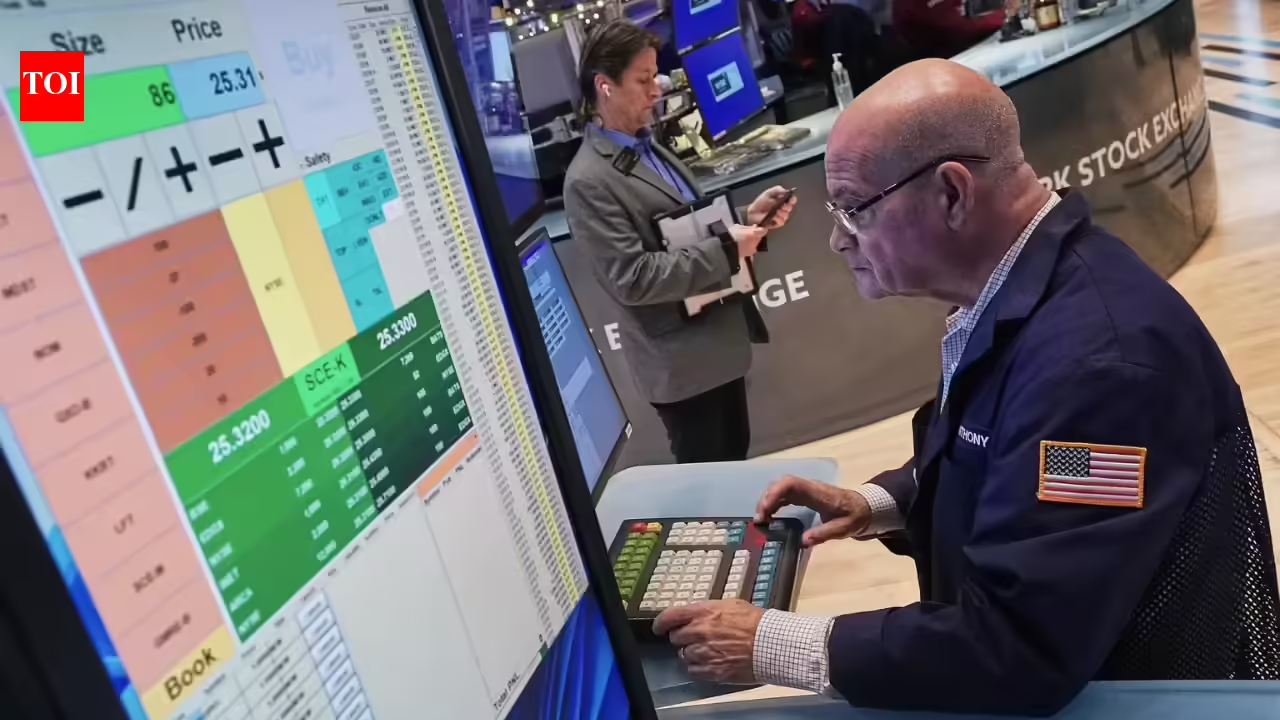
The US and Iran signed an interim agreement on June 15 aimed at winding down a conflict that has rattled global markets for nearly four months. Wall Street’s response was immediate and emphatic: the S&P 500 jumped approximately 1.7%, the Nasdaq Composite climbed around 3%, and Brent crude dropped roughly 4.8% in a single session.
What the deal actually covers
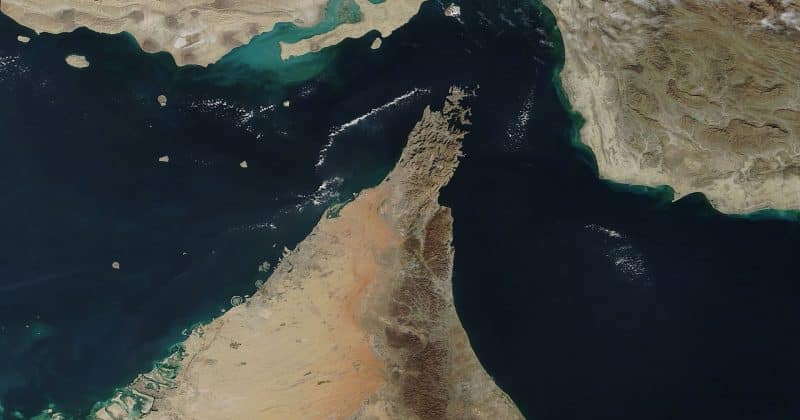
President Trump described the signed document as a memorandum of understanding. The agreement includes three core provisions: a 60-day extension of the existing ceasefire, the reopening of the Strait of Hormuz for commercial shipping, and immediate sanctions waivers on Iranian oil exports.
Roughly a fifth of global oil supply passes through the Strait of Hormuz on any given day, and its disruption during the conflict was a primary driver of energy price spikes worldwide. The sanctions waivers on Iranian oil exports are designed to bring more supply back into global energy markets, which is why Brent crude dropped nearly 5% on the news.
What the deal does not cover is arguably more important. Iran’s nuclear ambitions remain entirely unaddressed. The memorandum kicks that to future negotiations expected to take place over the coming weeks through a formal signing process. Previous ceasefires in this conflict have collapsed before making the current agreement’s durability an open question.