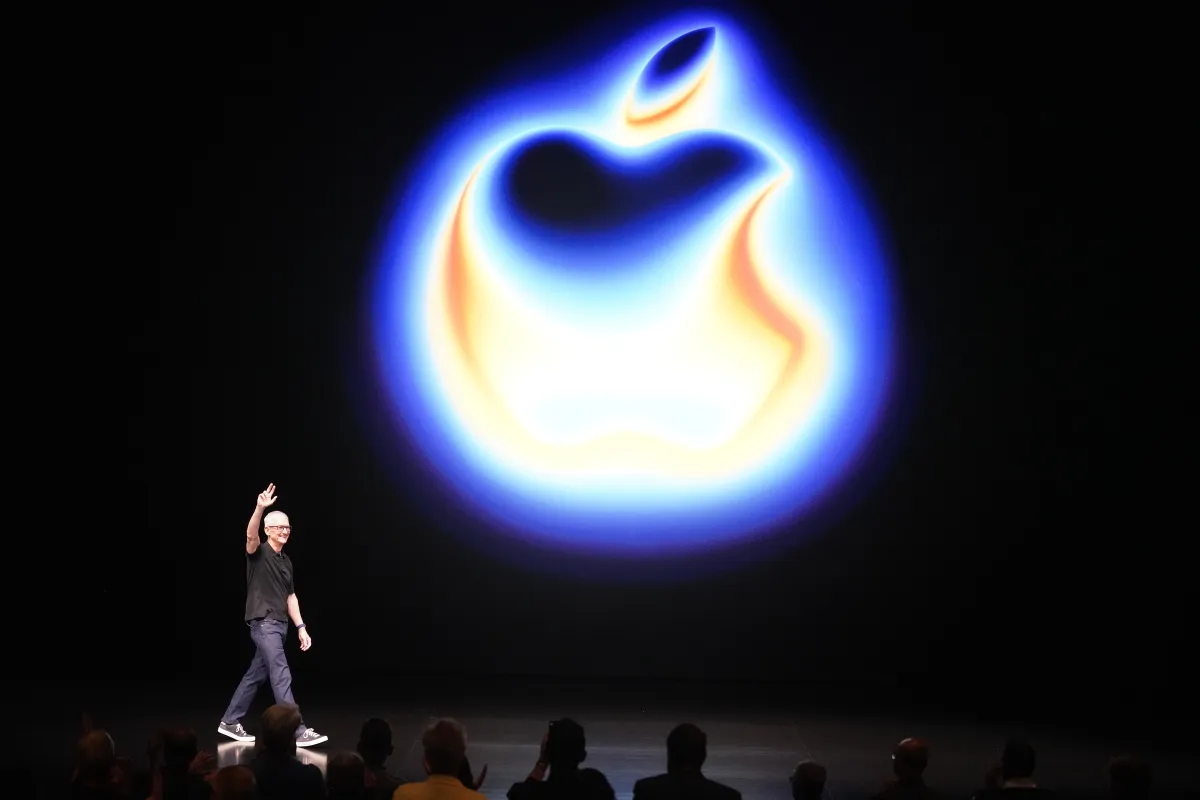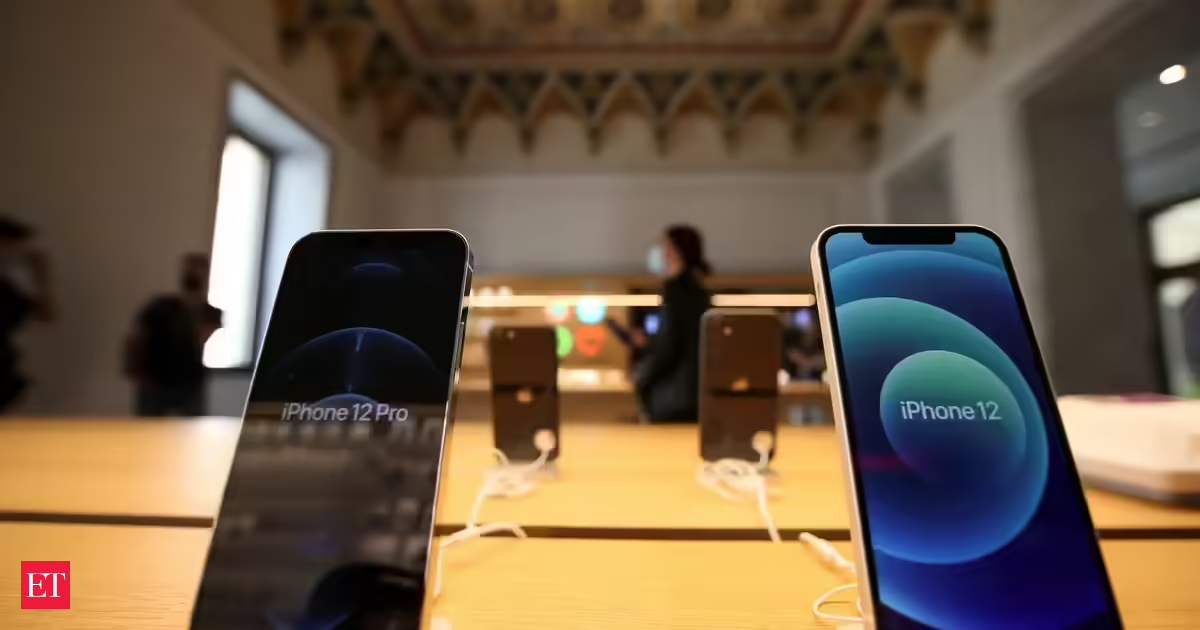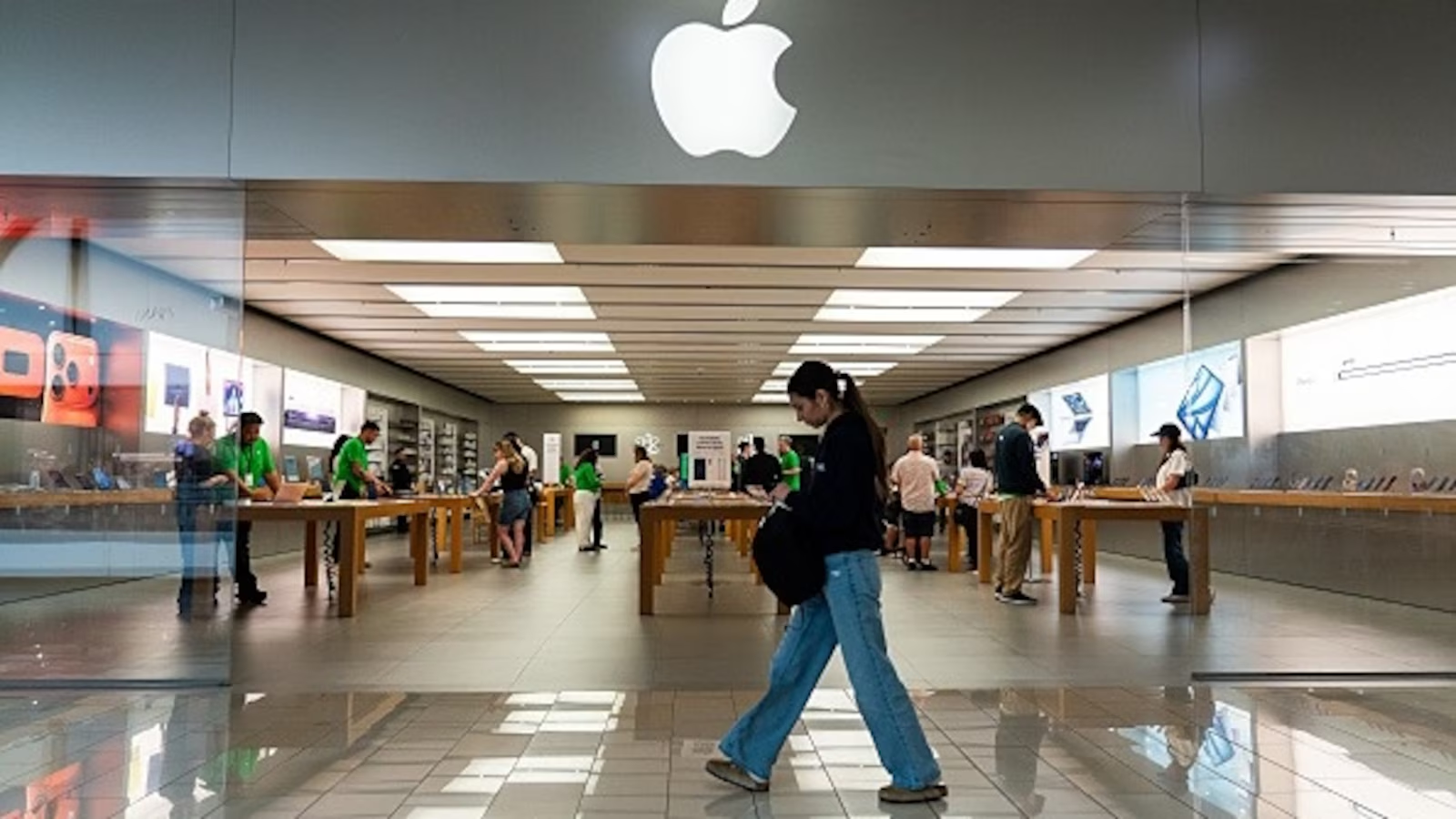
Photo credit: APApple customers around the globe might soon be looking at higher costs for iPhones and Macs, because the company is dealing with this tricky worldwide shortage of memory chips. Apple CEO Tim Cook said the rapidly climbing prices for DRAM and storage parts have hit “unsustainable” levels, so it’s getting harder, basically to keep iPhones at the same price without changes.This crunch, or imbalance, seems to have been sparked by an extraordinary surge in demand from artificial intelligence AI data centres, they are using huge amounts of advanced memory chips that are required to train and also to run AI models. And as the big technology players pour billions of dollars into AI infrastructure consumer electronics makers are kind of left in a straight up rivalry for the limited inventory. If things keep going like this, the whole situation could tweak pricing across both smartphones and personal computers, over the next few months.Key takeawaysApple has indicated that rising memory and storage chip costs could lead to higher prices for iPhones and Macs.The shortage is being driven by surging demand from AI data centres, which are consuming large quantities of DRAM and high-bandwidth memory.Analysts estimate future iPhone models could see price increases ranging from $100 to $300 in some markets.The memory supply crunch may continue through 2027, according to industry forecasts.Indian consumers may face higher prices, particularly in premium smartphone and laptop segments.What Apple Has AnnouncedApple has made a sort of acknowledgment about, you know, rising memory and storage costs and how that is really starting to squeeze its hardware business. Tim Cook told The Wall Street Journal that Apple has spent months basically swallowing the higher component costs, trying to shield shoppers from it, but then he also said that approach might not last forever, not really.Apple hasn’t spelled out which exact devices would get price bumps first, yet the company is basically hinting that changes are getting harder to avoid as suppliers keep sending along those higher costs. This warning shows up right before Apple’s next wave of iPhones and Macs , so people are expecting the new launches could end up with bigger price tags than what we saw beforeWhy a Memory Shortage Is Making iPhones More ExpensiveMemory chips are kind of the backbone inside modern phones and computers. In each iPhone you’ve got DRAM for multitasking, and NAND flash storage for apps, photos, and files. Analysts say the price has jumped because memory makers are putting priority on supplies for AI servers, where demand is accelerating faster than anyone expected.There are reports that the cost for key memory parts has risen multiple times over the last year. And once memory becomes a bigger portion of the device cost, companies like Apple get stuck with two options absorb the expense or push it to the buyers. Lately, it seems more like the second one is winning.How Much Could Prices Rise?Apple hasn’t offered any concrete numbers, but analysts are expecting noticeable hikes if memory pricing stays high. Industry estimates say top iPhone models might go up by something like $100 to $300. Some projections even mention a future Pro model climbing, from roughly $1,099 to around $1,299 if current component costs keep going.Macs could feel it too, especially those setups that come with a lot of RAM and storage. Apple could still absorb some of the hit to stay competitive, but experts figure at least part of the extra costs will eventually show up in retail pricing. Exactly how much will probably be clearer after Apple’s upcoming product releases start happening.How Long Could the Memory Crunch Continue?Most industry forecasts don’t sound like the shortage will relax soon. Big memory suppliers have warned that tight supply conditions may hang around through 2027. At the same time, some analysts think the market might need a few more years to finally rebalance. The issue is not just raw demand, it’s also the lead time to grow manufacturing capacity, which means multi-billion-dollar investments, plus long construction schedules. Meanwhile, demand for AI related hardware keeps climbing, and faster every quarter.Research firms have already cautioned that memory constraints could lead to a slowdown in global smartphone shipments this year. Unless a big chunk of new production capacity comes online, consumer electronics companies may keep dealing with these elevated component costs for quite a whileHow AI Data Centres Are kinda reshaping the Smartphone marketThe rapid expansion of AI infrastructure has basically become the biggest engine behind the current memory crunch, and yea it shows up everywhere. Cloud providers, AI developers, and other technology companies are putting serious money into data centres that use specialised processors and huge amounts of high-bandwidth memory. Because these places need enormous quantities of DRAM, suppliers tend to favour enterprise buyers, rather than consumer electronics manufacturers.So smartphone and PC makers end up fighting over a smaller pool of available memory chips. Analysts are calling it more of a structural shift than a short-lived supply snag. And as AI workloads keep growing in importance, they’re increasingly pushing on component pricing, product availability, and even longer-term strategies across the wider electronics world.What This Means for Indian BuyersIndian buyers might notice this if Apple really does decide to roll out global price increases. Premium iPhones and Macs are already right near the top of expensive consumer electronics products sold in the country, and any uptick in international pricing could turn into higher local retail costs. On top of that, exchange-rate moves, import duties on some components, and Apple’s premium placement could make the impact feel even stronger.Beyond Apple, this memory shortage could ripple into Android smartphone brands too, as well as PC makers, which could broaden the range of price hikes across the market. Analysts say premium models, plus upper mid-range devices, are probably the ones most likely to wobble first, and it could push some consumers to squeeze longer from existing phones, rather than upgrading on schedule.FAQs1. Why is Apple considering raising iPhone and Mac prices? Apple says rising memory and storage chip costs, tied to a global shortage, make it hard to keep today’s pricing2. What is causing the memory shortage? Mostly, it’s demand from AI data centres, which need large quantities of DRAM, and also high-bandwidth memory3. Which Apple products could become more expensive? Apple hasn’t pinned down specific models, but analysts think future iPhones, Macs, and other memory-heavy devices could get hit4. How much could iPhone prices increase? Industry estimates suggest some premium variants could move up by something like $100 to $300, depending on component costs5. When might prices go up? No official schedule has been announced, but analysts expect any changes could line up with Apple’s upcoming product releases later this yearend of article
Apple Eyes iPhone, Mac Price Hikes as AI-Fueled Memory Crunch Deepens
Apple customers around the globe might soon be looking at higher costs for iPhones and Macs, because the company is dealing with this tricky worldwide shortage of memory chips. Apple CEO Tim Cook said the rapidly climbing prices for DRAM and storage parts have hit “unsustainable” levels, so it’s getting harder, basically to keep iPhones at the same price without changes.This crunch, or imbalance, seems to have been sparked by an extraordinary surge in demand from artificial intelligence AI data centres, they are using huge amounts of advanced memory chips that are required to train and also to run AI models.
1,117 words~5 min read