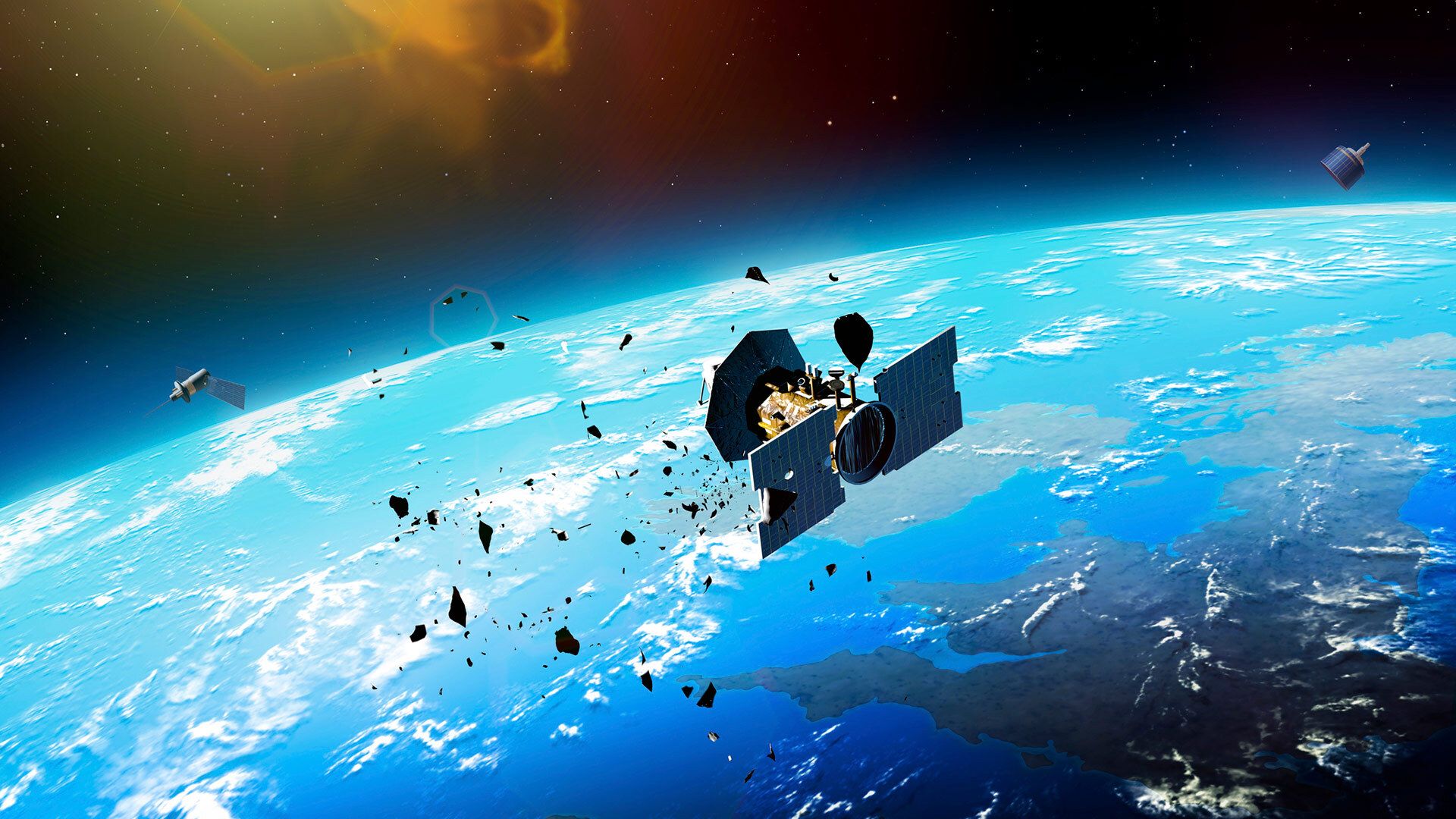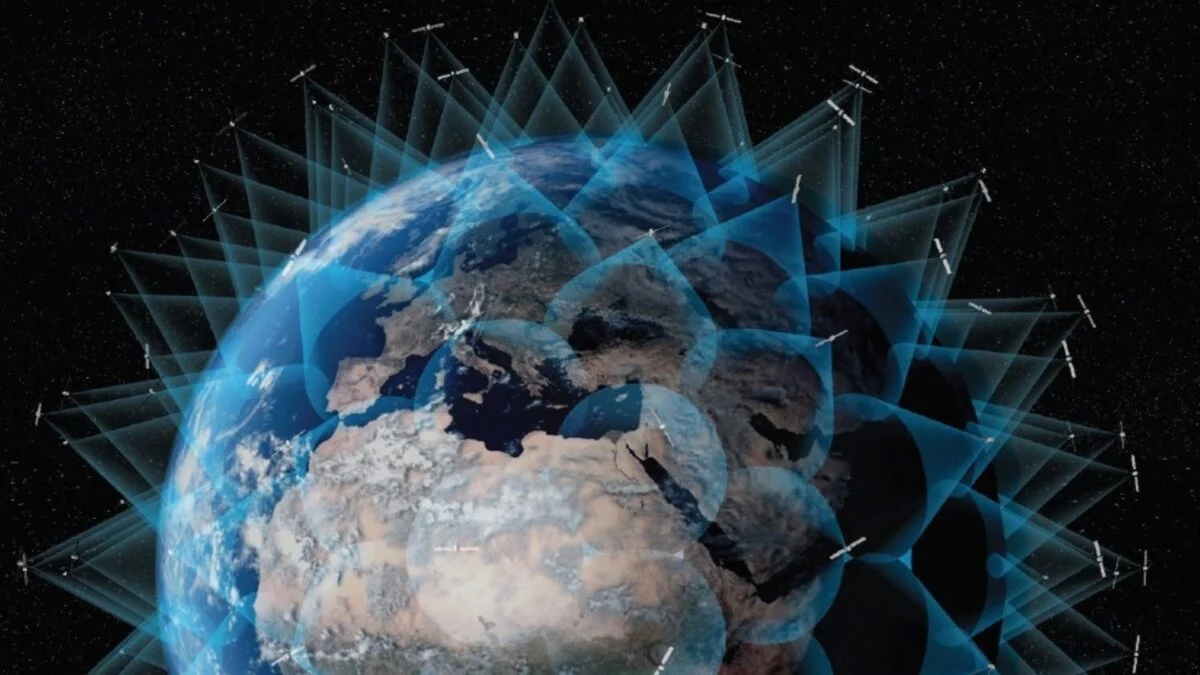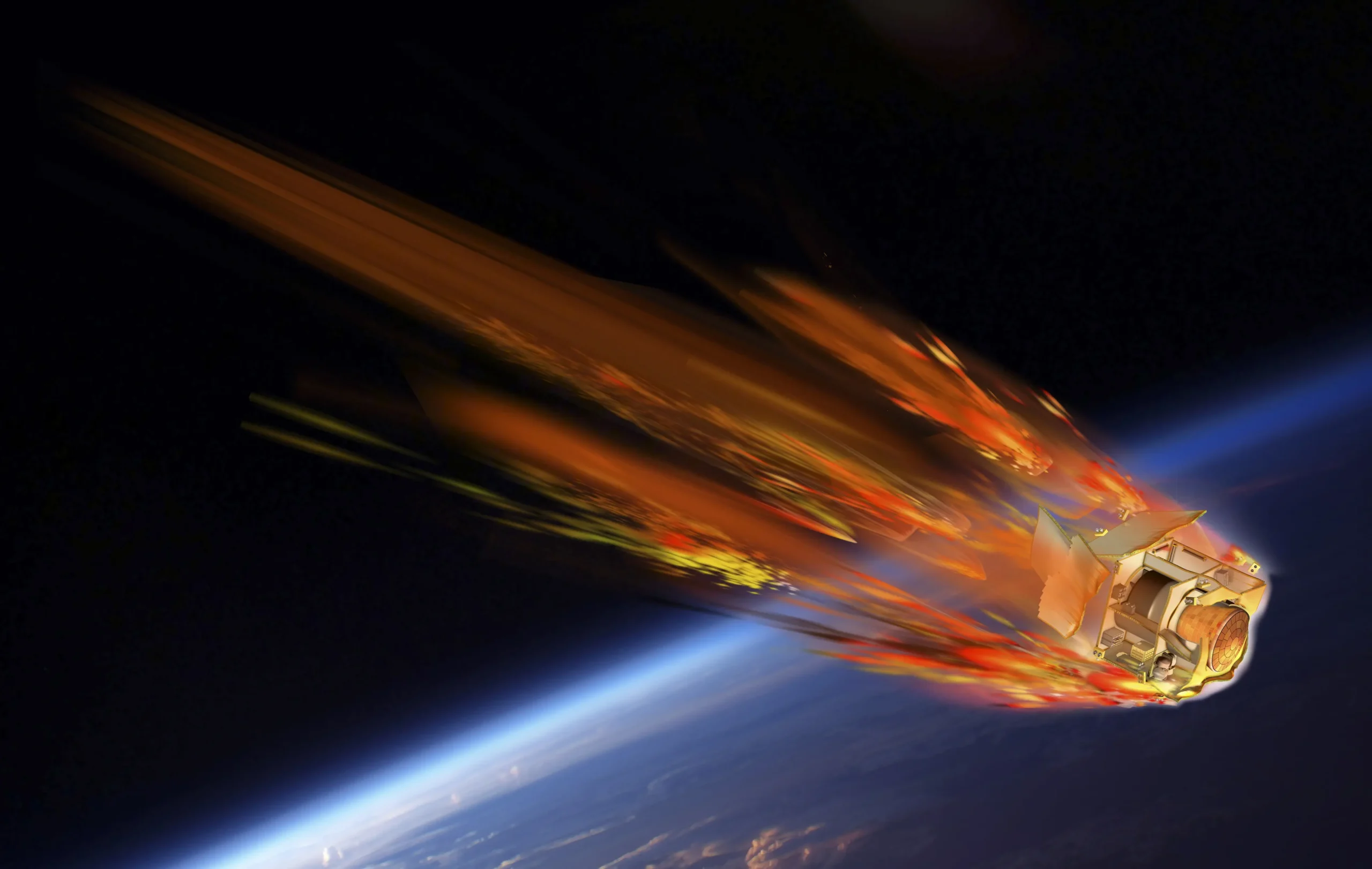
In January 2026 alone, the Federal Communications Commission authorized 15,000 Starlink Gen2 satellites. Starcloud has filed for 88,000 orbital data center satellites. SpaceX has filed for 1 million. There is no atmospheric accounting framework requiring any of these operators to disclose or offset the consequences of their reentries. Recent literature suggests that cumulative stratospheric injection of satellite-derived contaminants — aluminium oxide from structures, and semiconductor-derived elements including silicon, gallium and copper from compute hardware — actually does damage the ozone layer, weakening the polar vortex and causing measurable temperature anomalies in the mesosphere and stratosphere.
At the scale of the deployments we see coming, shouldn’t we be asking if there could be a cost to mass-injection events of materials we know have already had a measurable impact on our ozone? Leaving this question until the damage was already done eventually necessitated the 1987 Montreal Protocol to fix what we never bothered to account for. Every one of these satellites is designed for full demisability, maximizing the injection potential. The design choice to dispose of satellites during reentry presents a coming environmental challenge but also, if properly harnessed, presents an opportunity to further a satellite servicing economy while protecting the environment via policy dictating orbital injection quotas.