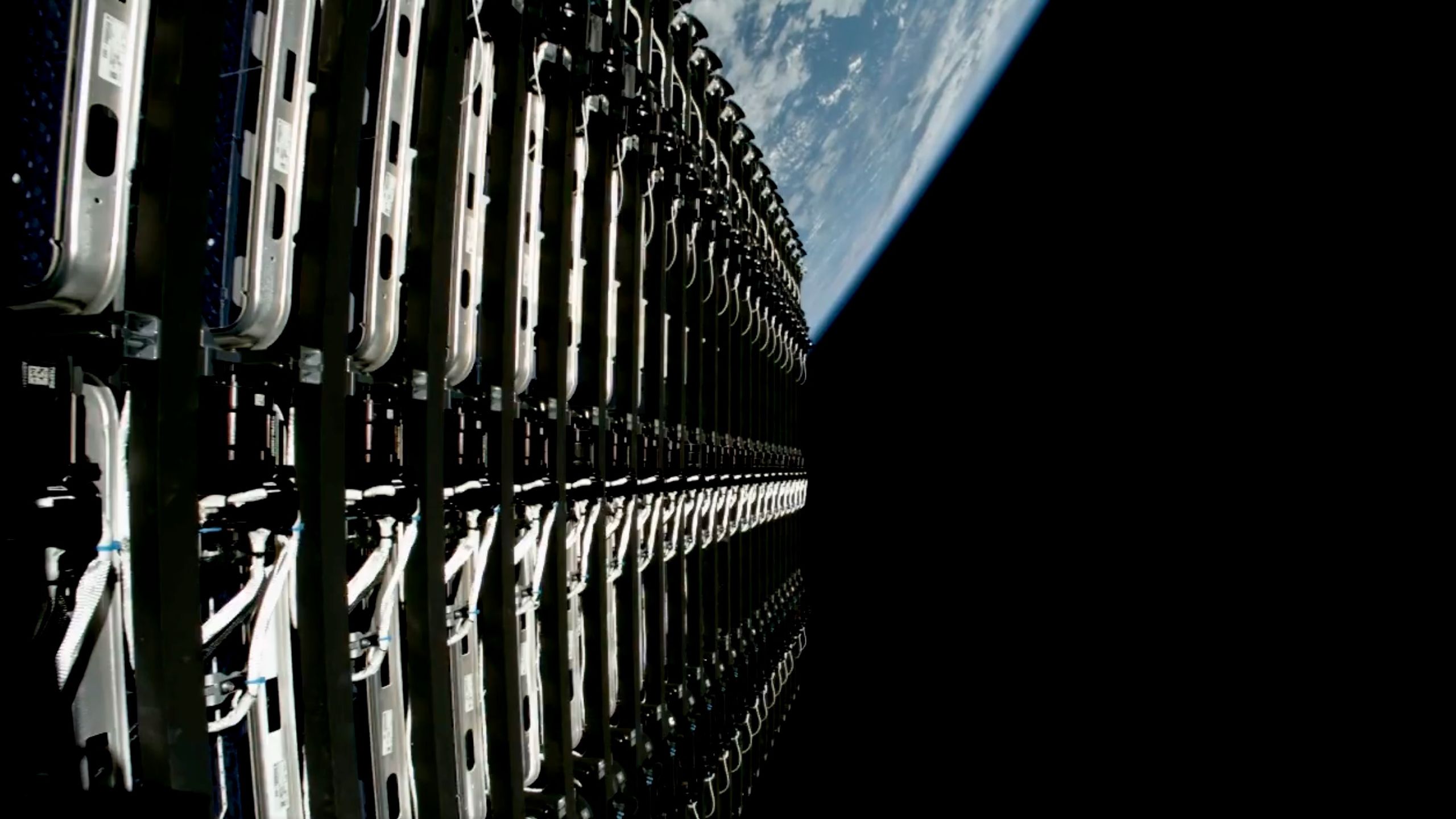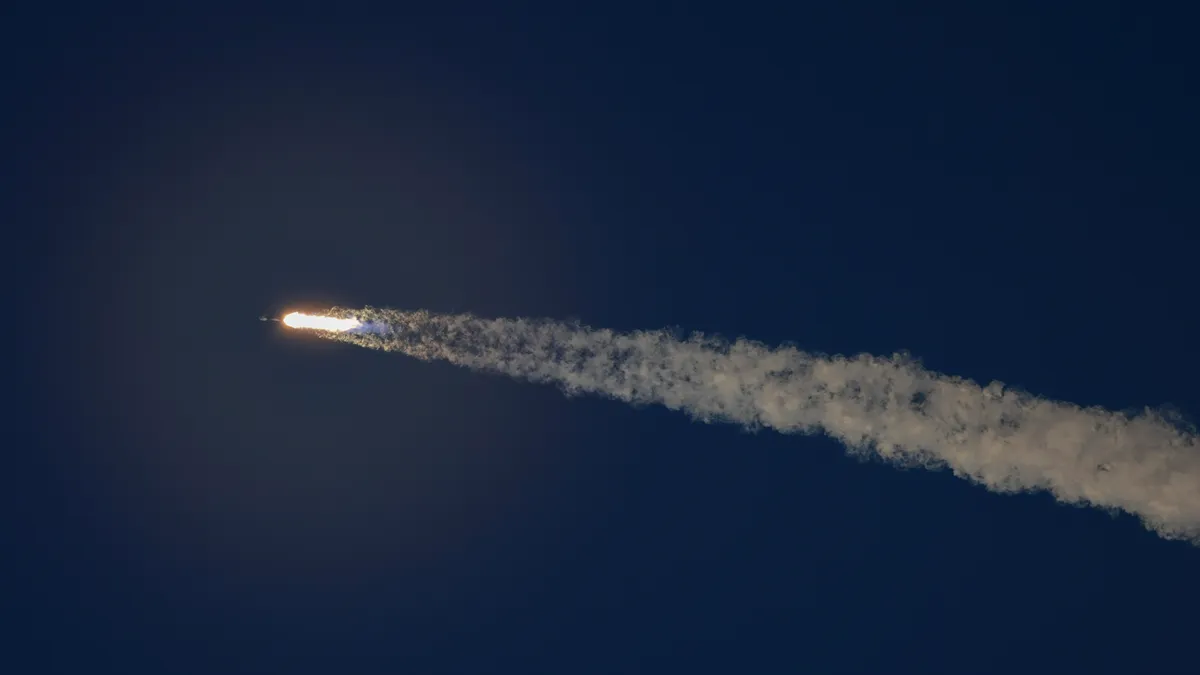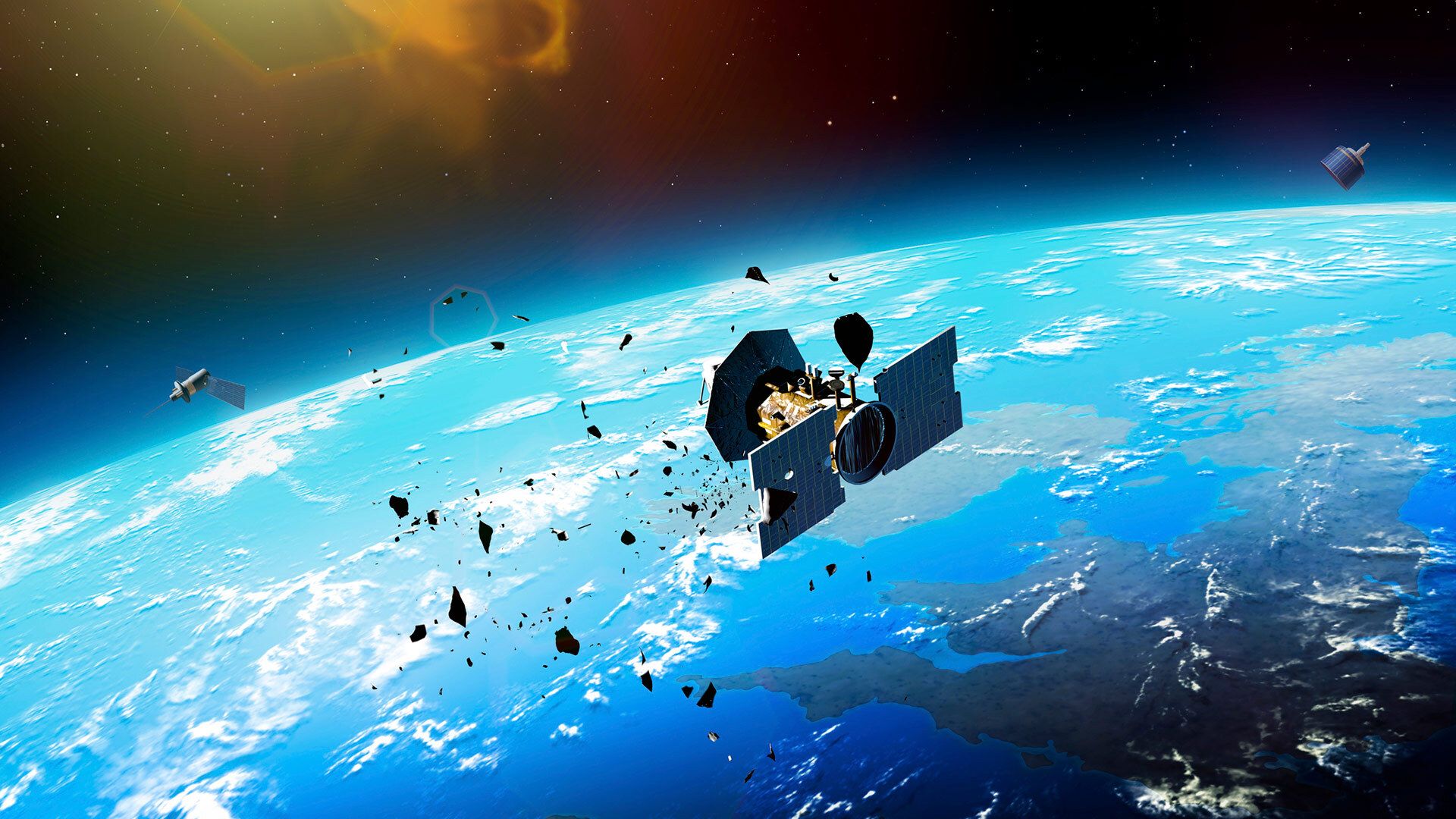
SpaceX has filed an application with the Federal Communications Commission (FCC) for authorization on up to 100,000 new third-generation Starlink satellites.The company aims to launch the first machines in the 1Tbps constellation in the second half of 2026, just six months after requesting 7,500 more Gen2s. The filing is separate from the one-million-satellite “Starmind” orbital data center (ODC) initiative.BNP Paribas estimates that a complete Gen3 constellation could serve 200 million subscribers globally, with around 15-20 million of those in the US."AI requires massive uplink capacity to support high-definition spatial and auditory data necessary for real-time decision-making and industrial automation,” read the document by Madeleine Chang, SpaceX’s satellite policy manager. “Without it, the United States cannot compete in the AI revolution."Starlink’s proposed design for the Gen3 satellite lists a dry mass between 2,000-2,500 kilograms, a weight that appears to assume the 100-ton payload capacity of Starship is imminently available, given a typical Falcon 9 could only carry two such satellites to a low Earth orbit (LEO) per launch. Despite stating the intention to scale to heavier, higher-performing satellites through the extreme power of Starship in 2025, the technological maturity of the rocket has yet to manifest.All that weight comes from hardware that delivers a tenfold increase in capability compared to the Gen2 machines, with a network of electronic beam-steering antennas resulting in a downlink throughput of 1Tbps per satellite back to Earth. The company states its continued use of Ku-, Ka-, V-, and E-band licenses, and also requests permission to use the unconventional W- and D-band frequencies between 92 GHz and 275 GHz, required for autonomous data transit.These ambitions answer the question of the downlink bottleneck touted by cynics of the ODC trend, who suggested space-to-Earth optical transmission would be required, a technology interrupted by wind, rain, and cloud cover.“SpaceX’s Gen1 and Gen2 satellite systems already deliver high-speed, low-latency broadband to all American consumers and the planet’s most remote regions, from polar research stations and schools deep in the rainforest to first responders serving isolated islands in the wake of natural disasters,” says the application. “A robust, resilient, and ubiquitous communications infrastructure with the capacity to handle the majority of the world’s internet traffic will allow all people to enjoy the benefits of our shared abundant future and continue the legacy of American leadership in connecting the unconnected.”Despite being so heavy, these satellites are to be deployed in very low-Earth orbit (VLEO), at altitudes managed between 323-327.5 kilometers and 473-477.5 kilometers.These lower altitudes mean slightly higher throughput, but much greater safety from debris, given that the relatively high microgravity of this orbit loses debris within a week or so, compared to centuries in geostationary space. The downside is that this orbit must be painstakingly maintained with fuel-hungry thrusters.SpaceX’s ambitious plans this year have continued to draw organized resistance from astronomers and environmentalists concerned about light pollution, and the pollution of the upper atmosphere. SpaceX has previously insisted it would maintain “industry-leading space sustainability.”
SpaceX files FCC application for 100,000 Gen3 Starlink satellites
New satellites aim to solve orbital data center downlink bottleneck, while solving the launch bottleneck through Starship
492 words~2 min read