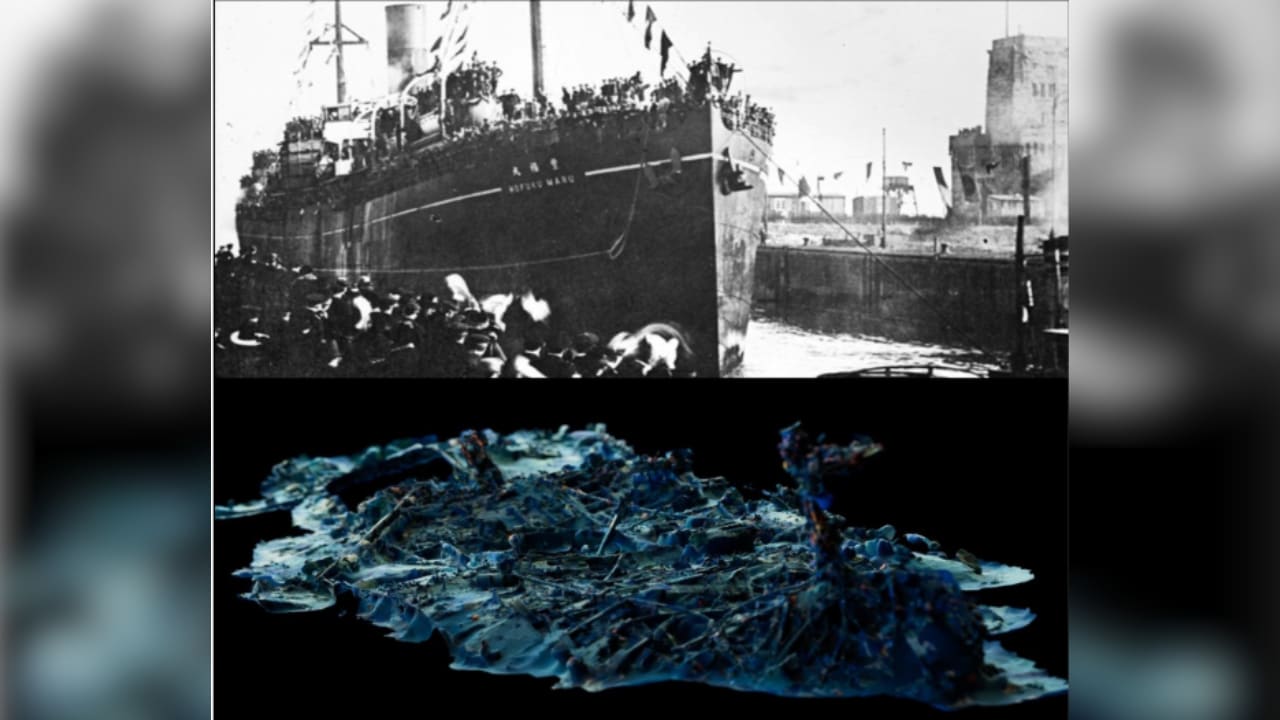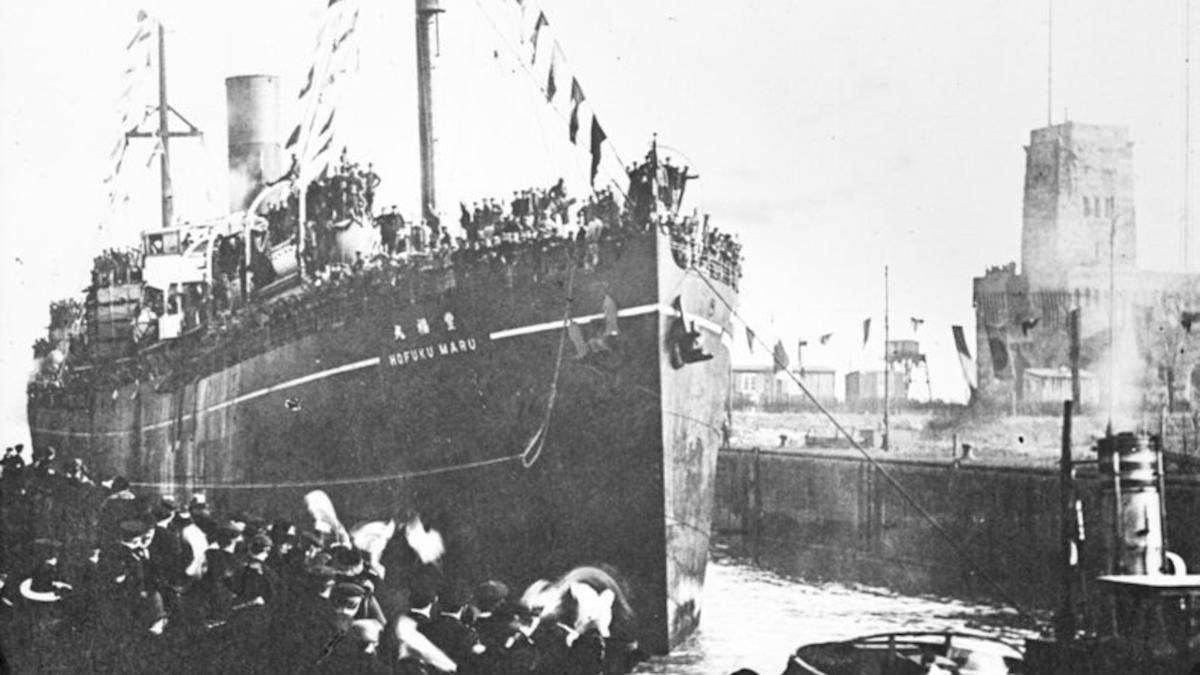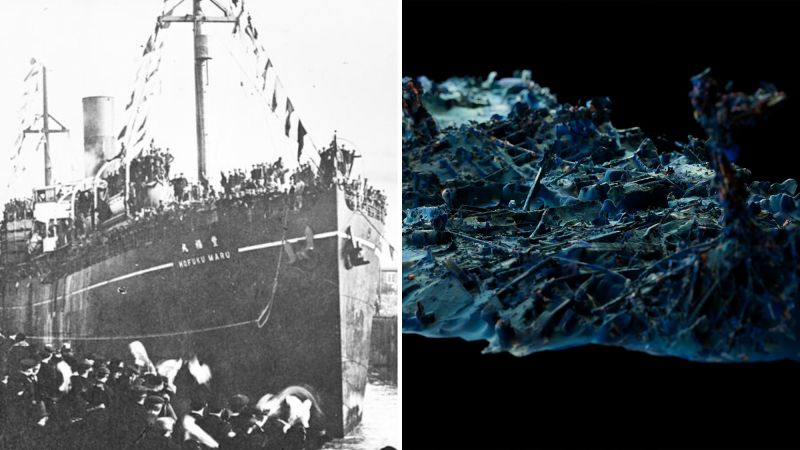
A Japanese ship was in a convoy steaming through the South China Sea on September 21, 1944, with around 1,200 British and Dutch prisoners of war crammed in its holds. US warplanes, mistaking the unmarked ship for a military cargo vessel, dropped four torpedoes.
One struck the ship. The vessel split in two and sank within minutes, dooming most of the Allied prisoners trapped below deck. Only about 200 of the weakened, sick POWs survived, and the exact location of the wreck was lost to the deep.
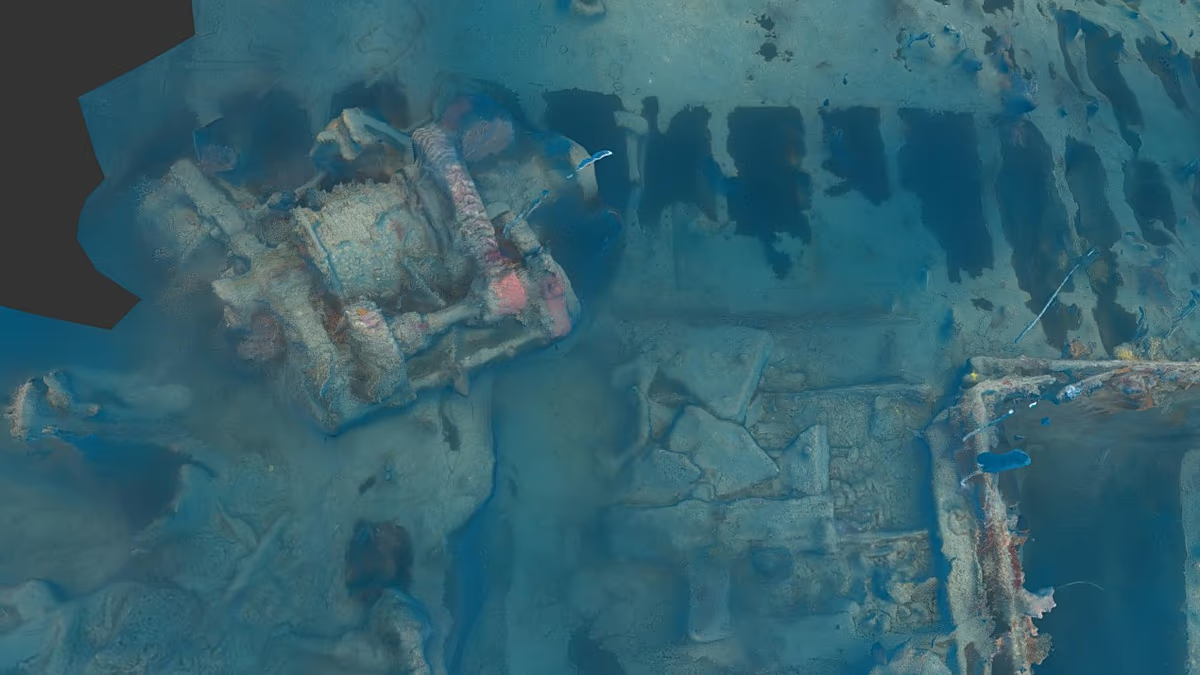
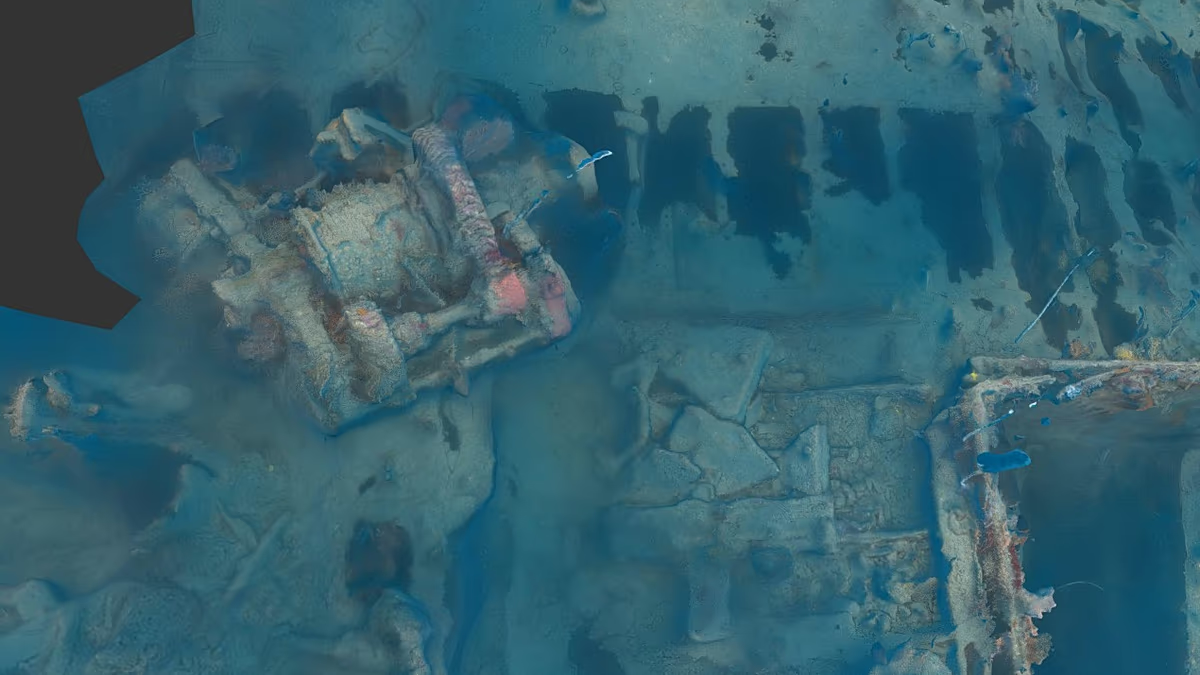
Now, some 80 years later, researchers have uncovered the servicemen’s final resting place. The team scoured documents buried in Japanese and US military archives before conducting sonar surveys and technical dives. These efforts ultimately located the wreck of the Hōfuku Maru near Zambales province, off the western coast of Luzon, the largest island in the Philippines.
The Japanese military used 56 unmarked vessels dubbed “hell ships” to transport more than 62,000 POWs during World War II. Allied fire sank 19 of these vessels. The location of five of those wrecks remains unknown.
“We’re talking about a dark hold that’s metal. It stinks, it’s boiling hot. There’s no sanitary conditions. They’re not being fed properly, if at all. Hardly any water,” said Tim Beckensall, a World War II historian and the search director for the Hellships Memorial Foundation. “It’s about the worst set of conditions you could design.”