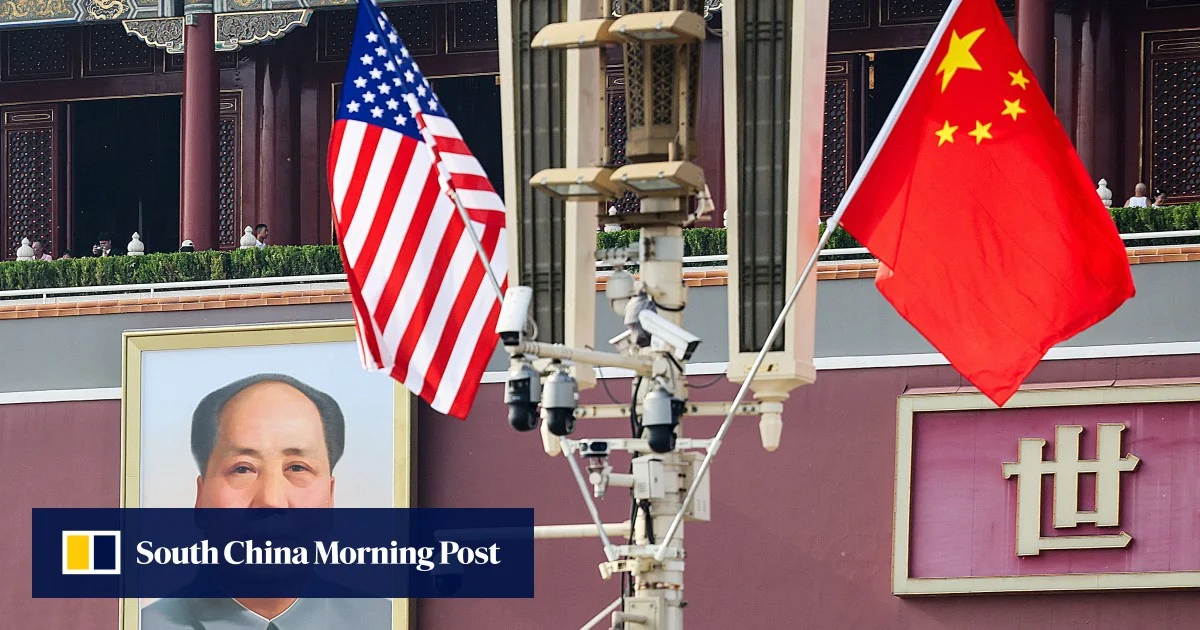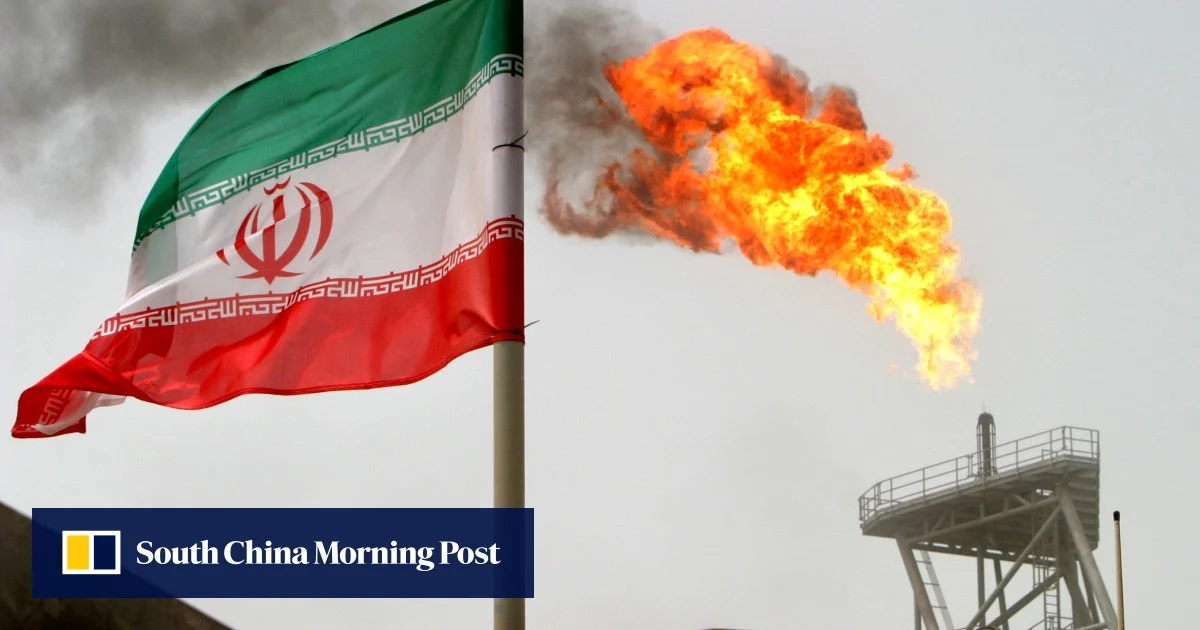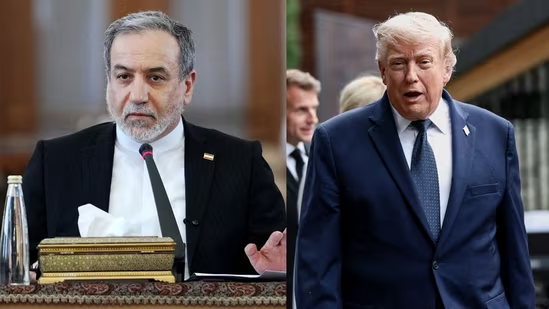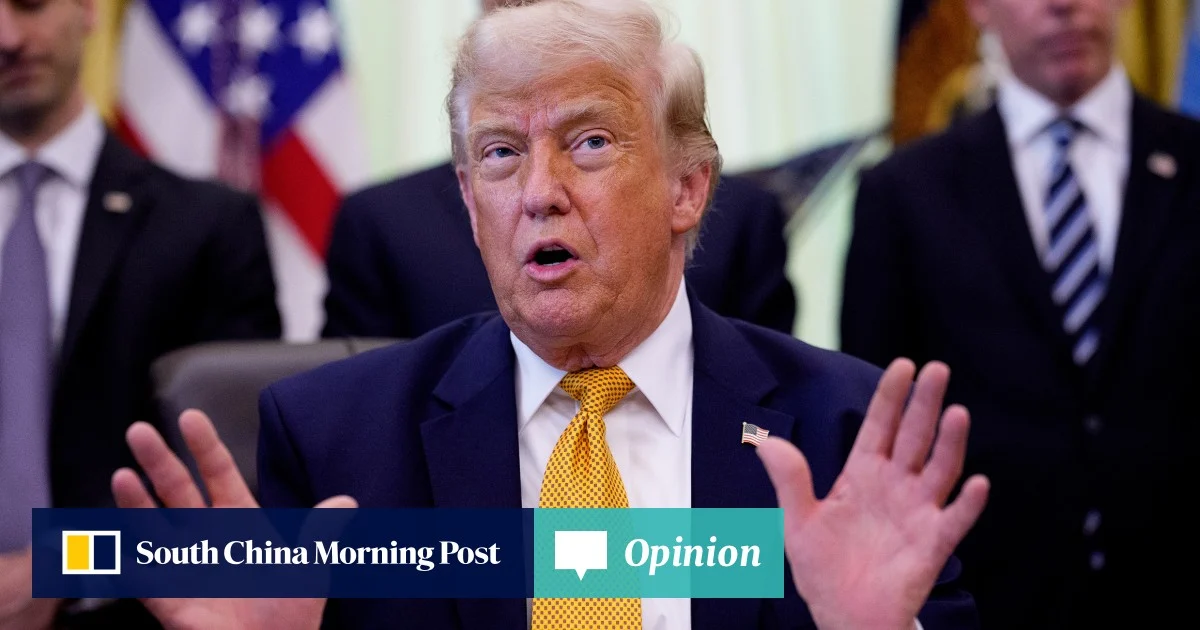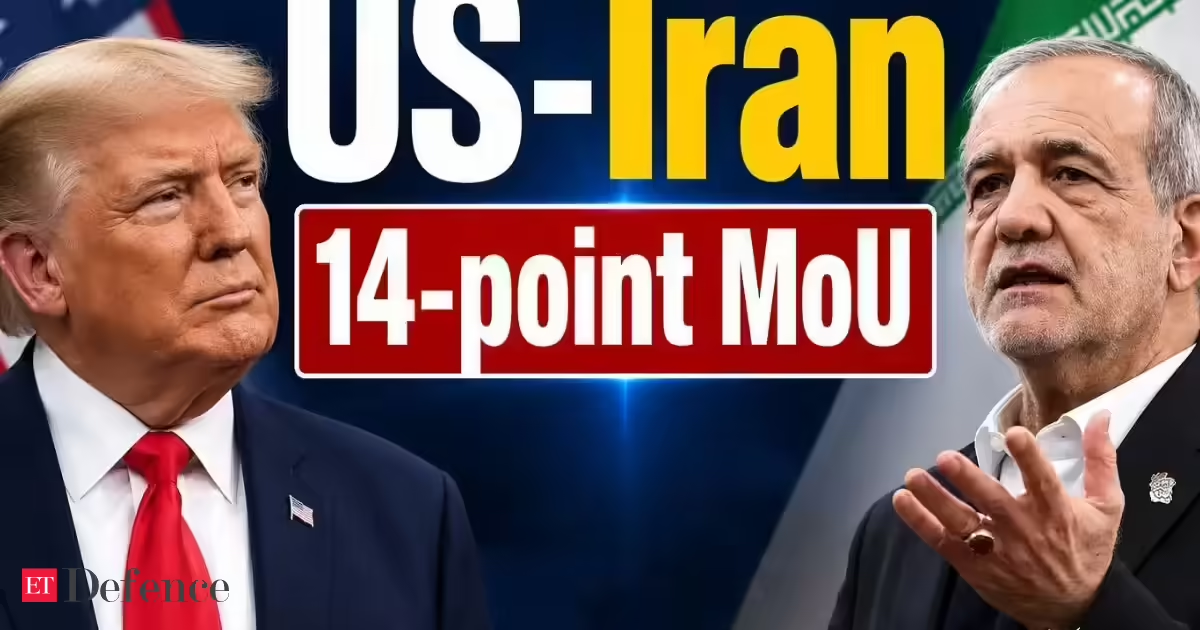
You're reading an excerpt from Al-Monitor China-Middle East, where we analyze China's deepening engagement with the region. To get this newsletter in your inbox weekly, sign up here.The 14-point memorandum of understanding signed between Iran and the United States is a windfall for China. Beijing's bet on the survival of the Iranian regime paid off, and now it stands to benefit from an emboldened leadership in Tehran, economic opportunities inside Iran and a broader erosion of regional confidence in Washington’s credibility. On the eve of the deal’s signing, Iranian negotiator and parliament speaker Mohammad Bagher Ghalibaf pledged doubling down on Tehran’s partnership with China.It is no exaggeration to say that every provision of the 14-point deal favors China. Beijing, which had stayed on the sidelines during the nearly four-month war, stands to benefit from a politically strengthened regime and significant financial relief for Tehran. Here is why:1. Let’s start with the basics. War termination is good news for Beijing and stabilizes energy flows: Ending hostilities, especially around maritime routes, reduces disruption risk to oil shipments that China depends on, particularly via the Strait of Hormuz.The strait accounts for roughly 45% to 50% of China’s imported crude oil, according to data from Guancha.2. The “definitive, mutually agreed plan with at least $300 billion for the reconstruction and economic development of the Islamic Republic of Iran” plays into China’s strength. Should sanctions be lifted, reconstruction could hinge on Chinese contractors, particularly if the US and other Western countries remain hesitant to invest capital too soon. 3. Oil waivers and the release of frozen assets stand to benefit China. Formal waivers increase Iranian crude availability, likely reinforcing discounted pricing structures favorable to Chinese refiners. China, according to the Wall Street Journal, holds the largest share of Iran’s frozen assets estimated between $20 billion to $50 billion according to The Wall Street Journal. It would give Beijing leverage in how and when Iran can access those funds. The U.S. blocked several countries from paying for oil purchases, money that Iran now wants back to permanently end the war. See where the frozen assets are held. https://t.co/NcsUwL2Cel— The Wall Street Journal (@WSJ) June 17, 2026
Sanctions relief and reconstruction: How China benefits from Trump-Iran deal
It is no exaggeration to say that every provision of the 14-point deal favors China.
718 words~3 min read