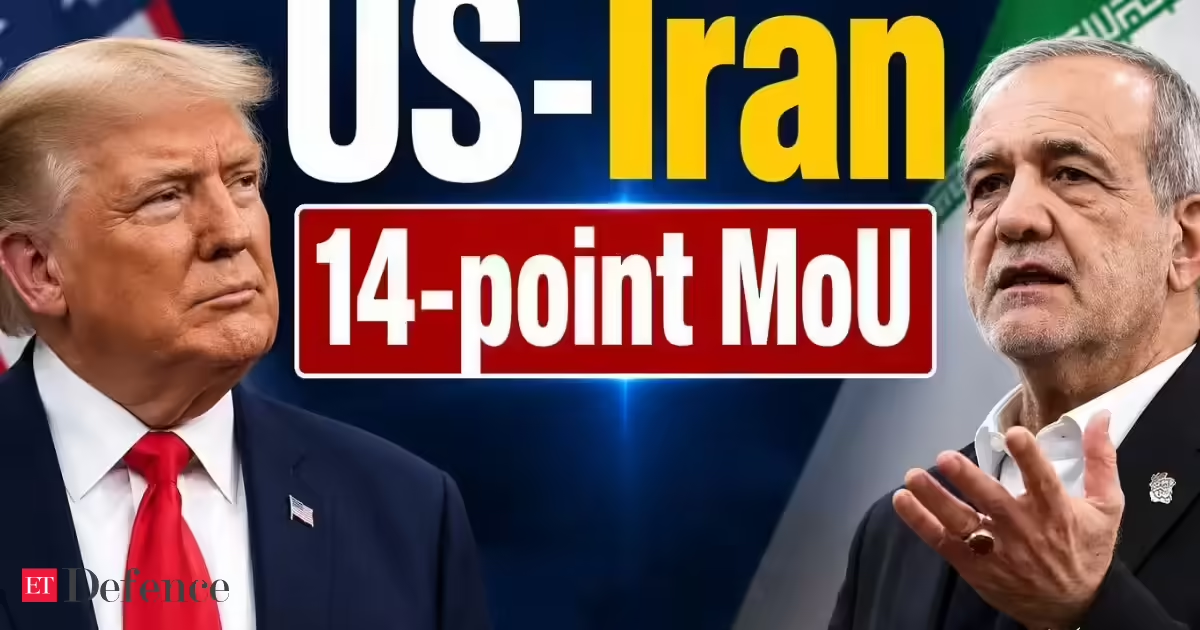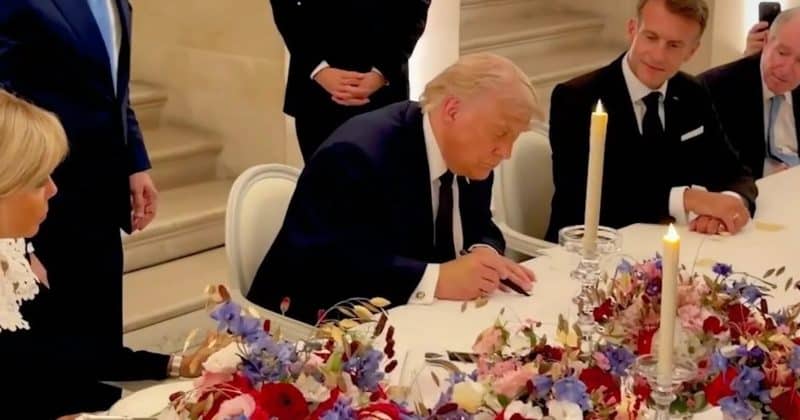
A memorandum of understanding signed electronically around June 15-16 between the US and Iran grants immediate sanctions waivers for Iranian oil sales and kicks off a 60-day negotiation window for broader sanctions relief, including the potential unfreezing of an estimated $100 billion in Iranian assets. The deal also references a $300 billion reconstruction fund to be financed by Gulf states, not US taxpayers.
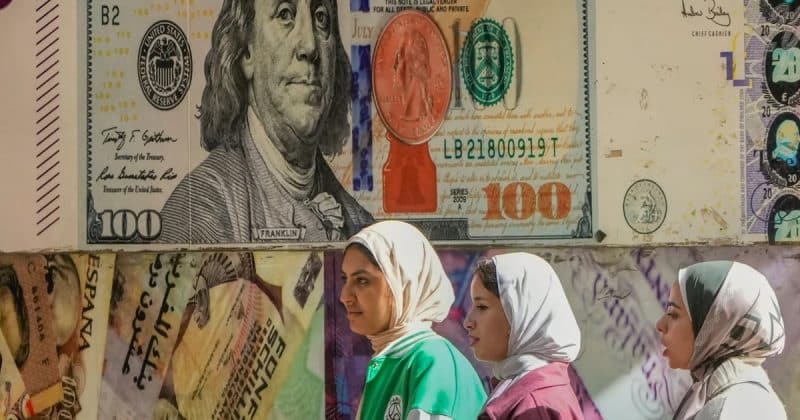
The dollar’s quiet identity crisis
For decades, the US leveraged the dollar’s reserve currency status as a weapon. Sanctions worked because getting cut off from the dollar meant getting cut off from global trade. Iran learned that lesson the hard way after the US withdrew from the JCPOA nuclear deal in 2018 and reimposed punishing restrictions.
The Iran MoU flips the script. Instead of using dollar exclusion as punishment, the administration is using dollar inclusion as incentive. Every barrel of Iranian oil priced in dollars reinforces dollar demand. Every frozen asset unfrozen through dollar-denominated channels reaffirms the system’s centrality. The alternative, letting Iran permanently migrate to yuan-settled oil trades and crypto-based workarounds, would accelerate exactly the fragmentation Washington is trying to prevent.