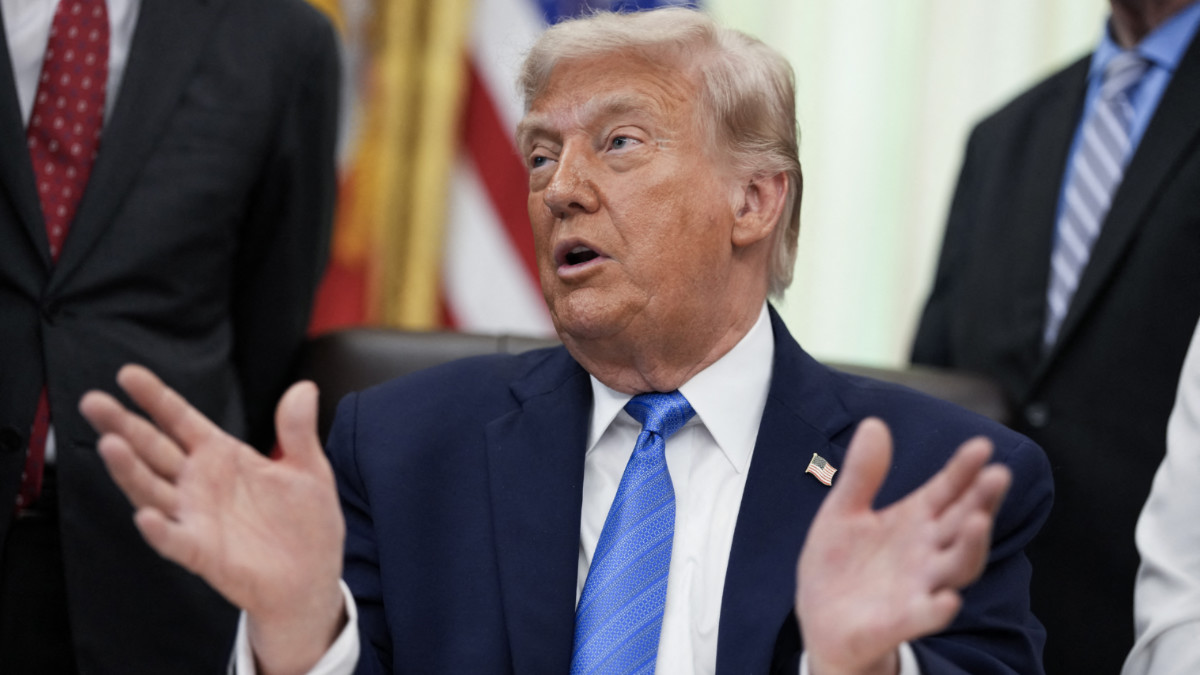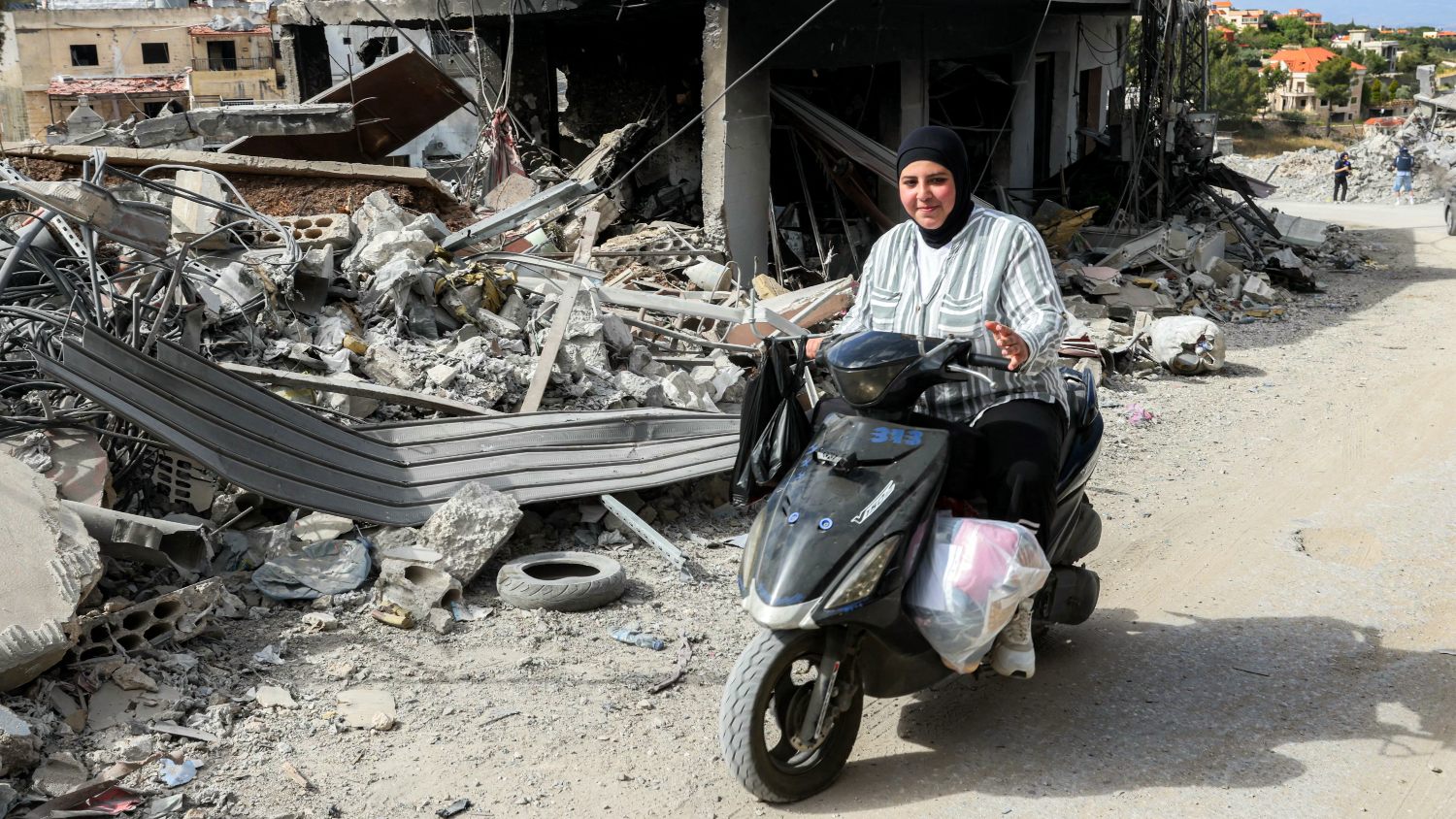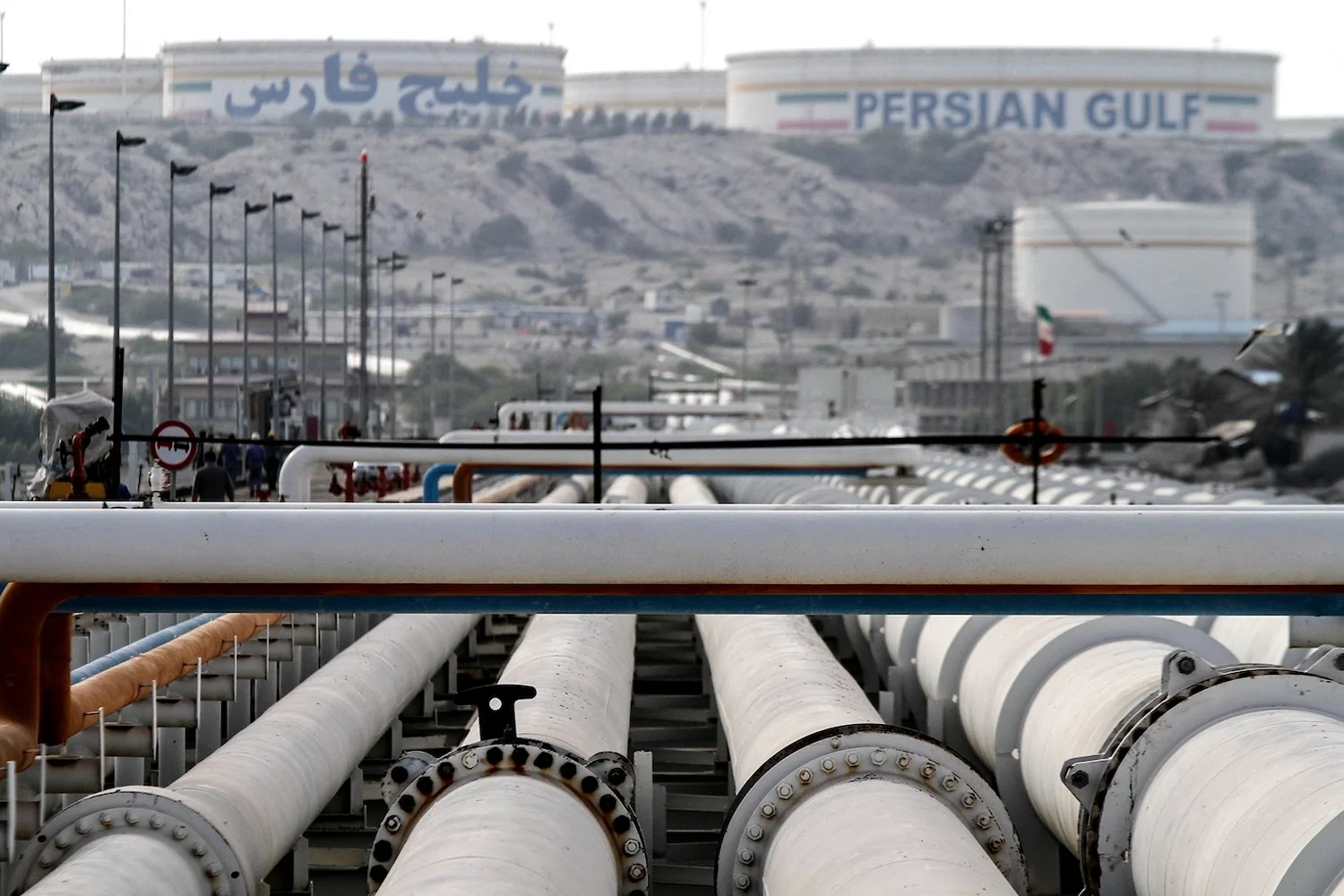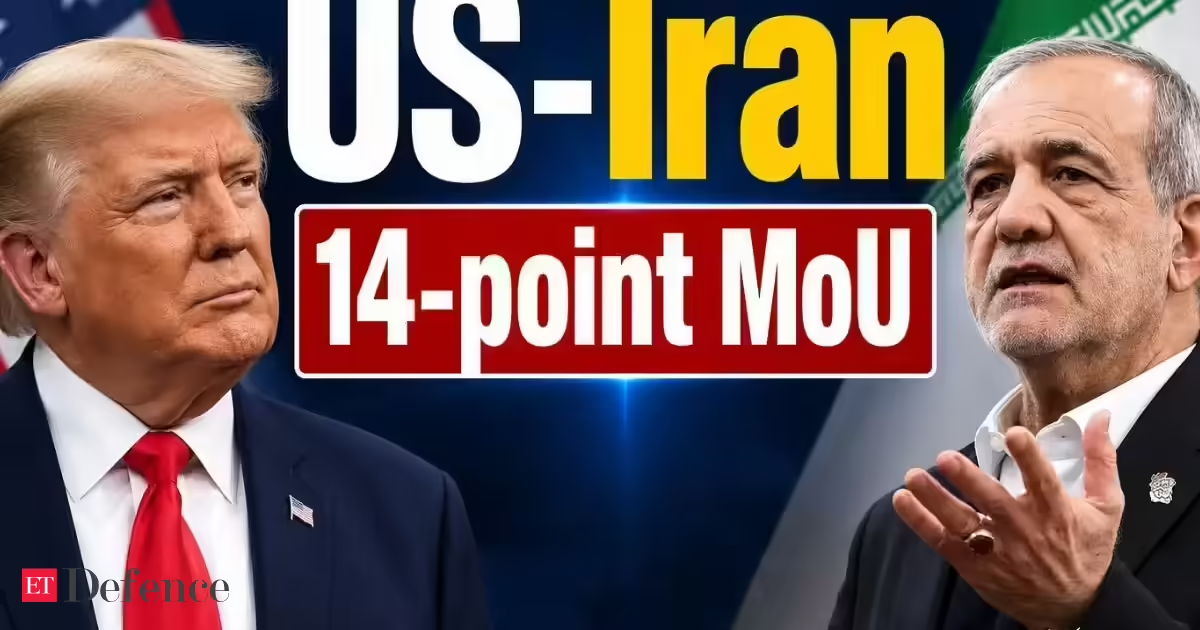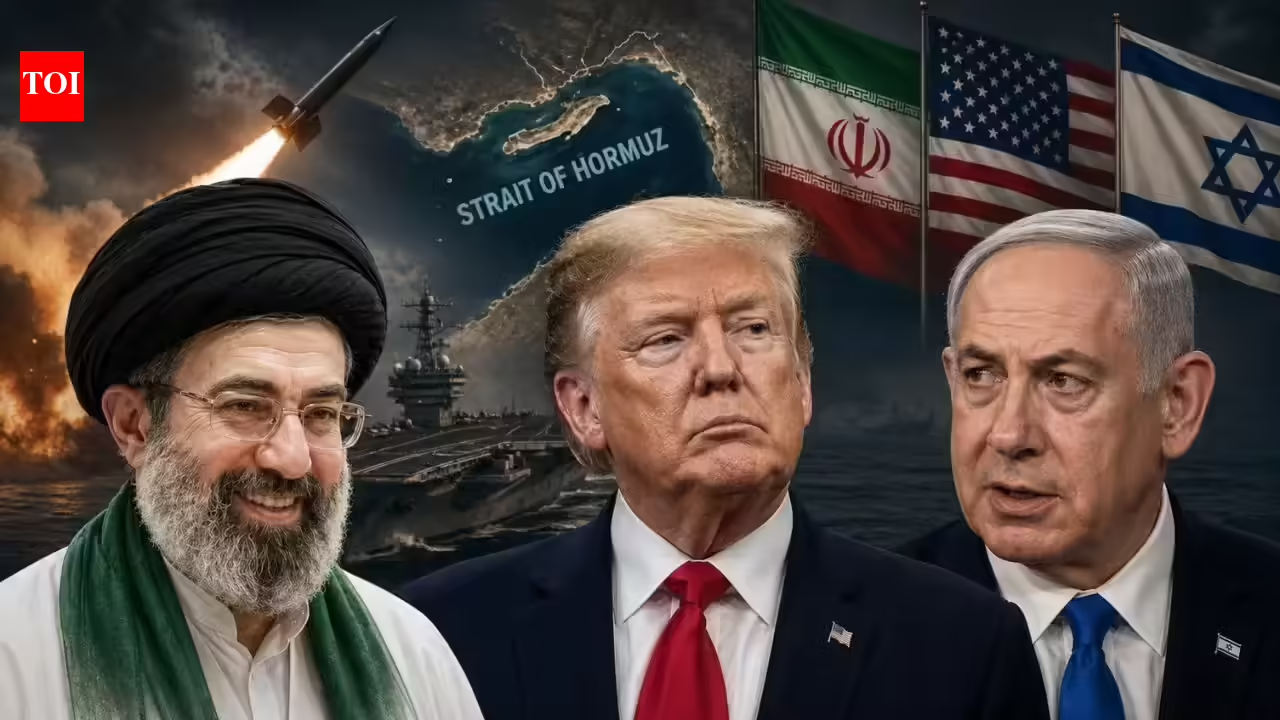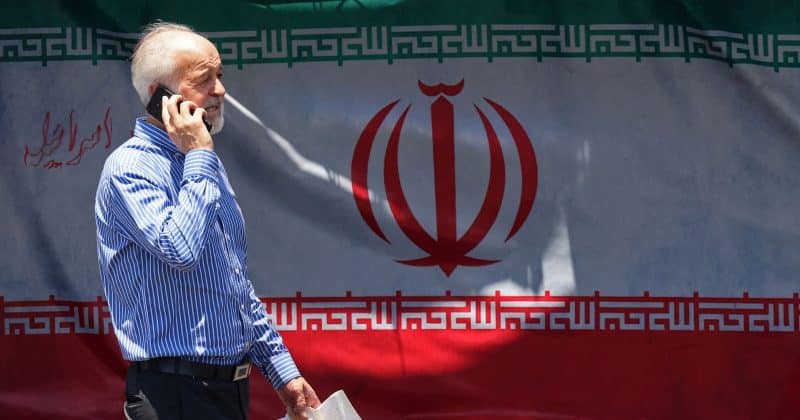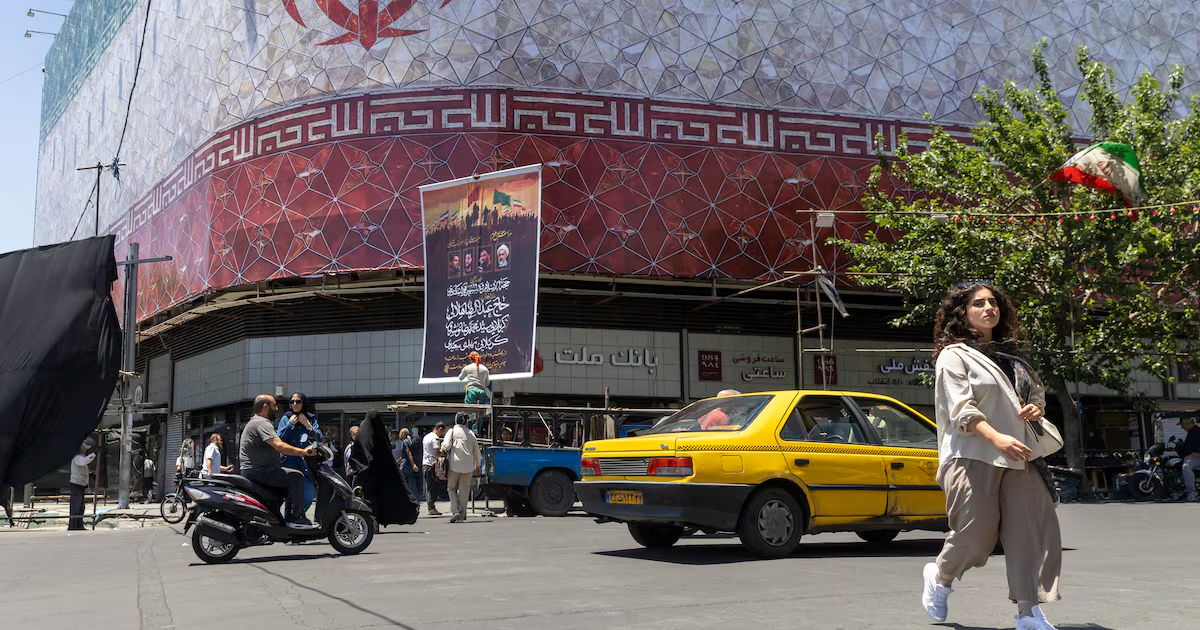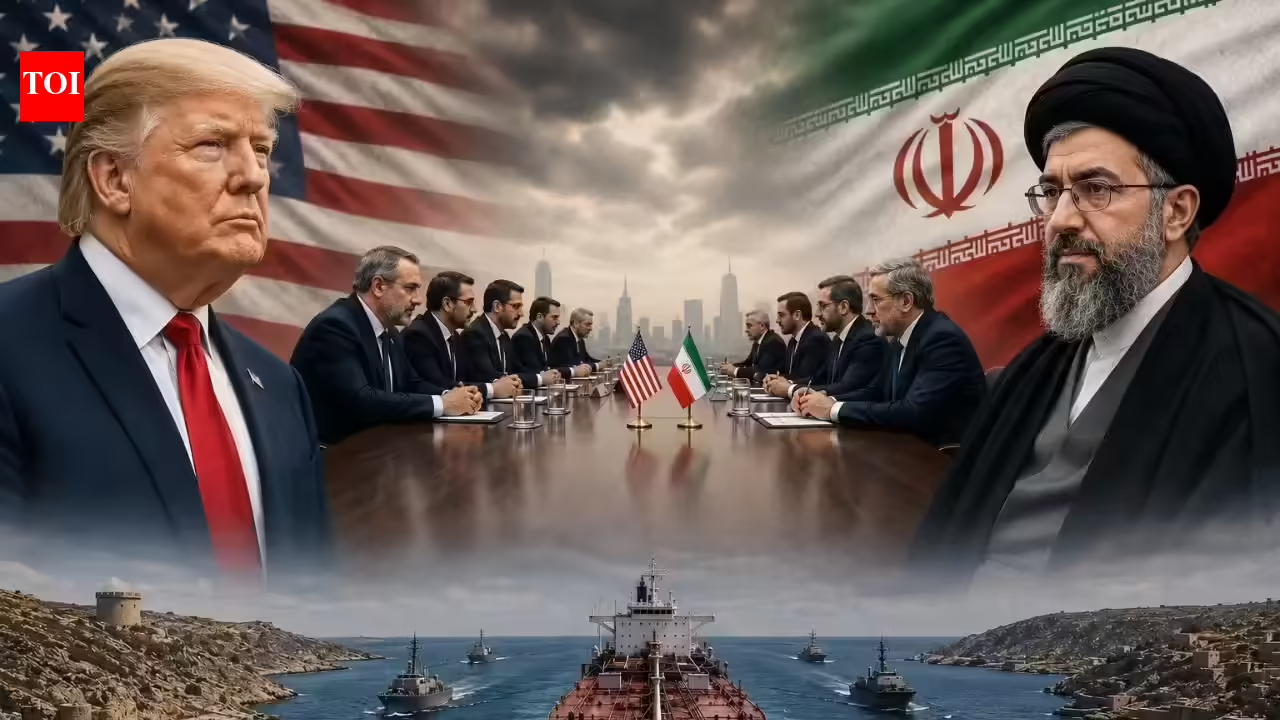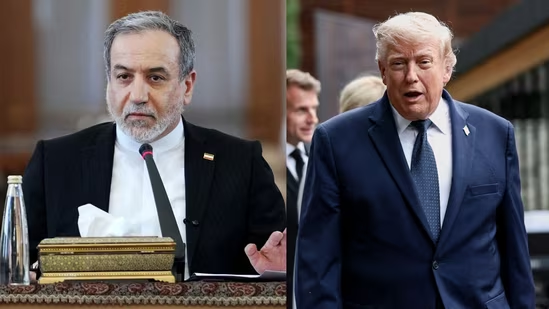
The United States and Iran have agreed to a deal to end the conflict in West Asia, with the framework set to be formally signed in Switzerland on June 19.The draft memorandum to be officially signed by US and Iran will bring “an immediate and permanent end to the war on all fronts, including Lebanon”. (AFP/ Reuters)While the text of the memorandum of understanding has not yet been made public, the US has begun circulating it with allied nations at the Group of Seven summit in France. Earlier today, Bloomberg published the reported 14-point draft memorandum which has been finalised by both countries.Among the concessions on the draft deal, at least three point towards broad financial incentives for Iran. These include the right to sell oil immediately, a $300 billion development fund for Iran, and the release of the country's frozen assets, according to the text published by Bloomberg.What does the draft memorandum say on the financial gains?The draft memorandum to be officially signed by US and Iran will bring “an immediate and permanent end to the war on all fronts, including Lebanon”, according to the text. It stated that the US and its regional partners will create a plan for the rehabilitation and economic development of Iran, with financing of up to $300 billion.Also Read | US-Iran deal 'completed': Inside the draft that will end a 3-month-old war“The United States undertakes, together with its regional partners, to create a comprehensive plan agreed upon by both parties for the rehabilitation and economic development of the Islamic Republic of Iran, while ensuring financing of at least $300 billion,” the text reads.Further, it says that the US would lift all sanctions on Iran, including ones imposed by international agencies like the United Nations, within a specific time period which has not been mentioned. “The United States commits to ending, on a schedule to be agreed upon as part of the final agreement, all types of sanctions currently facing the Islamic Republic of Iran, including resolutions of the United Nations Security Council and the Board of Governors of the International Atomic Energy Agency (IAEA), and all unilateral U.S. sanctions, both primary and secondary,” the draft says.Under the deal, after the official signing, the US treasury department will, for the negotiating window of 60 days, “issue waivers for exports of Iranian crude oil, petrochemical products and their derivatives, and all related services, including banking, insurance, transportation, and the like.”The US has also reportedly undertaken to release and make fully available the “frozen or restricted funds and assets” of the Islamic Republic, depending on the progress of the negotiations towards a final deal.How will US finance the $300 billion fund?US President Donald Trump on Tuesday held talks with United Arab Emirates President Sheikh Mohamed bin Zayed and Qatar’s Emir Sheikh Tamim bin Hamad. These countries will reportedly play a part in helping create the “development fund”.Meanwhile, a US official told Bloomberg that Washington was also looking to other countries and the private sector to pledge investments. Iran has said that the war, which started on February 28, has cost it more than $250 billion in economic damage.Meanwhile, frozen Iranian assets sitting in accounts globally vary widely range from $24 billion to upward of $100 billion. Approximately $12 billion in Iranian funds were frozen during the 1979 revolution which overthrew the Shah, according to an analysis by the Atlantic Council. This was also the same time when the US first imposed sanctions on the Islamic Republic, with additional sanctions from Washington and other countries piling up over the decades.Critics flag ‘2015 deal playbook’, US officials say agreement ‘performance-based’As the details regarding the financial incentives were known, critics argued that Trump had, after tearing into the 2015 deal with Iran, gone by the “same playbook”, Axios reported. While addressing reporters after arriving for the G7 summit in France, Trump had criticised the 2015 “Obama deal” as “terrible”, accusing them of “bribing” Iran.However, US Vice President JD Vance told Fox News that the $300 billion amount this time around would not come from the US taxpayers, and that the benefits would come into play only if Iran agrees to give up its nuclear program and enriched uranium, while also allowing nuclear inspections.US officials have also claimed that the discourse is being poisoned by Iranian “misinformation”, while acknowledging that some benefits would be provided to Iran. A US official told Axios that this agreement is purely “performance- based”.“Iran can only access any benefits of the MOU if they abide by all of the points they agreed to – including no nuclear weapon, neutralizing its enriched material, and not interfering with the free flow of navigation in the Strait of Hormuz,” the official stated.
Sanctions relief, frozen funds, $300 billion plan: What Iran stands to gain under Trump's deal | In numbers
Among the concessions on the draft deal, at least three point towards broad financial incentives for Iran. | World News
784 words~4 min read