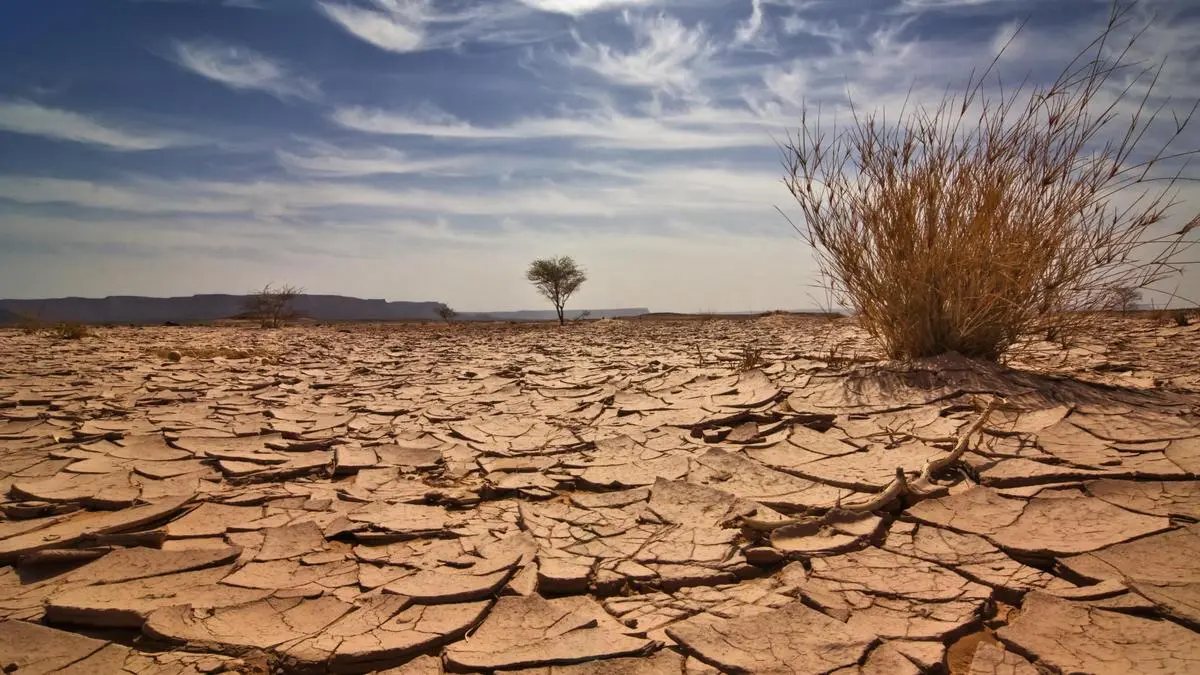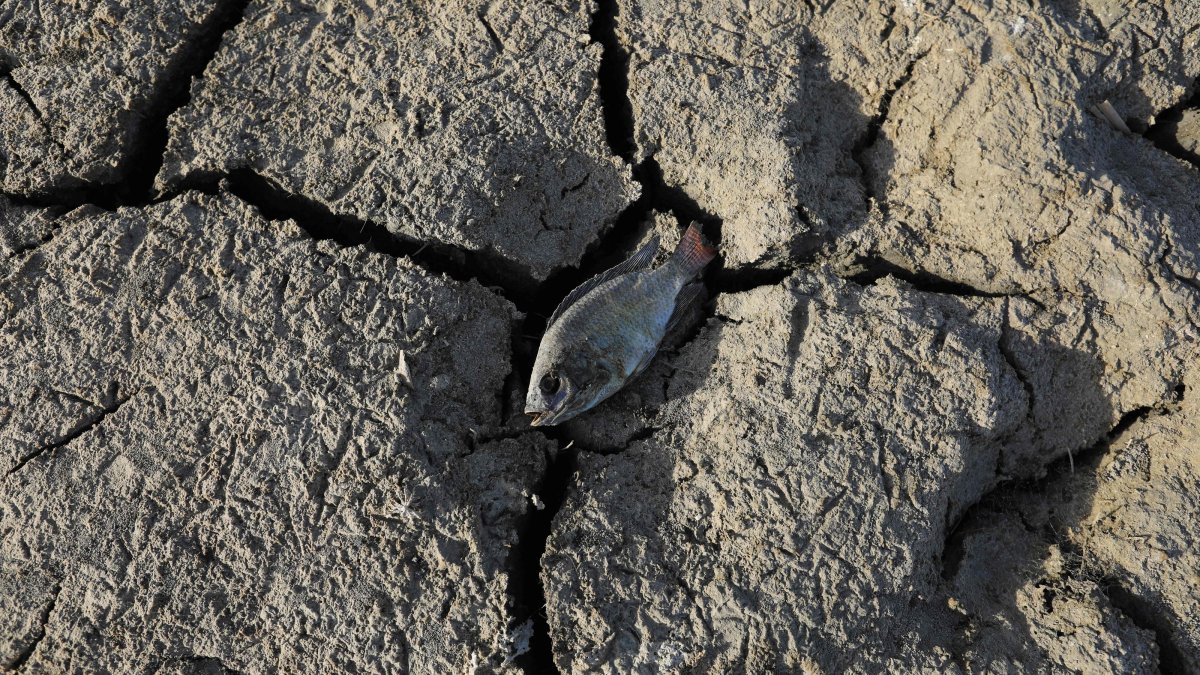
Asia saw a number of extreme weather events, including flooding, extreme heat, drought and devastating rainfall, with the annual mean temperature in 2025 recorded at 0.96 °C ± 0.08 above the 1991–2020 long period average, the latest ‘State of Climate in Asia report 2025’, released by the World Meteorological Organisation (WMO) on June 17 has found.Overall, the assessment also found an increase in ocean heat content, which indirectly alters storm tracks. (Image sourced from UNDP)The latest assessment for Asia’s climate, found Japan, China and the Republic of Korea all recorded their hottest summers on record, while prolonged heatwaves affected Central Asia, parts of West Asia and the Arabian Peninsula, meaning all 23 monitored glaciers in high-mountain Asia lost mass, driven by above-average temperatures and below-average winter snow, it found.“The annual mean surface air temperature over Asian land areas in 2025 ranked between the second and fourth warmest on record. The temperature anomaly for 2025 was 0.96 °C above the 1991–2020 climatological average and 1.90 °C above the 1961–1990 baseline. Temperatures were above average across most of the region, except for parts of South Asia. The strongest positive anomalies were observed over north-western areas and across a broad belt extending from western China to Japan. In contrast, cooler-than-average conditions prevailed over South Asia, including the Indian subcontinent,” said the report.Overall, the assessment also found an increase in ocean heat content, which indirectly alters storm tracks, increases ocean stratification and can lead to changes in marine ecosystems; an increase in the sea levels and increasing ocean acidification.Ocean heat content (OHC) in the Asia region has increased since the 1990s, and a new record was set in 2025 relative to the entire time series. Over the period 1999–2025, the sea level in almost all coastal regions of the northern Indian Ocean rose significantly faster than the global mean (3.6 mm/year),” the assessment said, adding record low PH values were also recorded in 2025 across the Indian Ocean, Bay of Bengal and Tropical Indian Ocean.Also Read: Earth’s climate more out of balance than at any time in observed history: WMOIt further said, In 2025, average sea-surface temperatures (SST) in Asia decreased after the record highs of 2024, but remained within the range of historically high values of the past ten years.“SSTs reached record values in some parts of the region, such as in and north of the Kara Sea, in the Sea of Okhotsk, in the Sea of Japan, in the East China Sea and in the Bay of Bengal,” it added.WMO Secretary-General Celeste Saulo said Asia is being impacted by rising temperatures, warming ocean waters, higher sea levels and retreating glaciers.“Heavy rainfall, flooding and drought have a heavy economic and human cost, while extreme heat, dust storms and glacial flooding are becoming major hazards. This report highlights the importance of observations, early warning systems and impact-based forecasting to adapt to our changing climate,” she said.Armida Salsiah Alisjahbana, Under-Secretary-General of the United Nations and Executive Secretary of the Economic and Social Commission for Asia and the Pacific (ESCAP) also expressed concerns over growing climate threats over Asia.“Across Asia and the Pacific, heat is intensifying multi-hazard risks, intersecting with food systems, public health, infrastructure and oceans and placing new pressures on health and livelihoods. Early warning and early action save lives when alerts are timely, messages are trusted and last-mile delivery reaches the vulnerable. Resilience is built over time, through a sustained culture of preparedness,” she said.The annual assessment report is prepared by WMO in collaboration with national meteorological and hydrological services, international data centres, leading climate research institutions and United Nations partners.
Extreme heat, rainfall, glacier loss impacted Asia in 2025: WMO report
The annual mean surface air temperature over Asian land areas in 2025 ranked between the second and fourth warmest on record | India News
598 words~3 min read