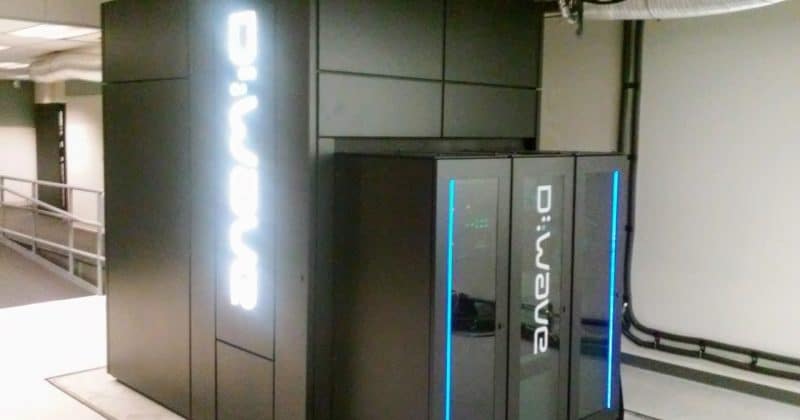
D-Wave Quantum just did something no one else in the industry has managed yet: build a gate-model quantum computing simulator that lets developers program with errors baked into the experience from the start.
Real quantum computers are noisy, fragile machines where qubits lose their quantum state through decoherence. A simulator that pretends everything works perfectly is about as useful as a flight simulator without turbulence. D-Wave’s new tool models realistic processor behavior, errors and all, so developers can write code that actually survives contact with real hardware.
What D-Wave actually built
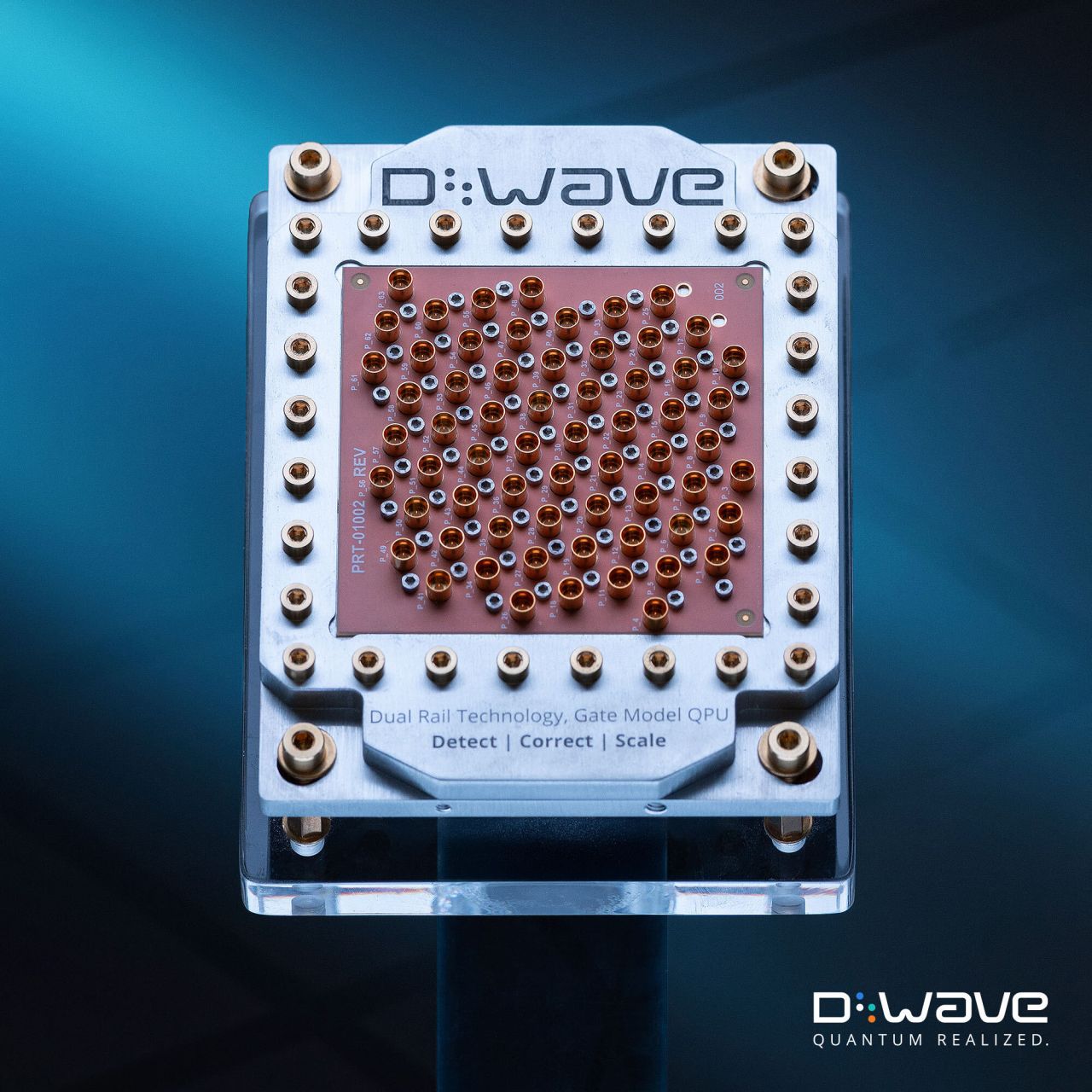
The simulator supports up to 21 qubits and runs on D-Wave’s proprietary dual-rail qubit technology. That technology came from D-Wave’s acquisition of Quantum Circuits Inc., which closed in early 2026. Dual-rail qubits enable error detection at the qubit level itself, rather than relying entirely on software-layer error correction after the fact.
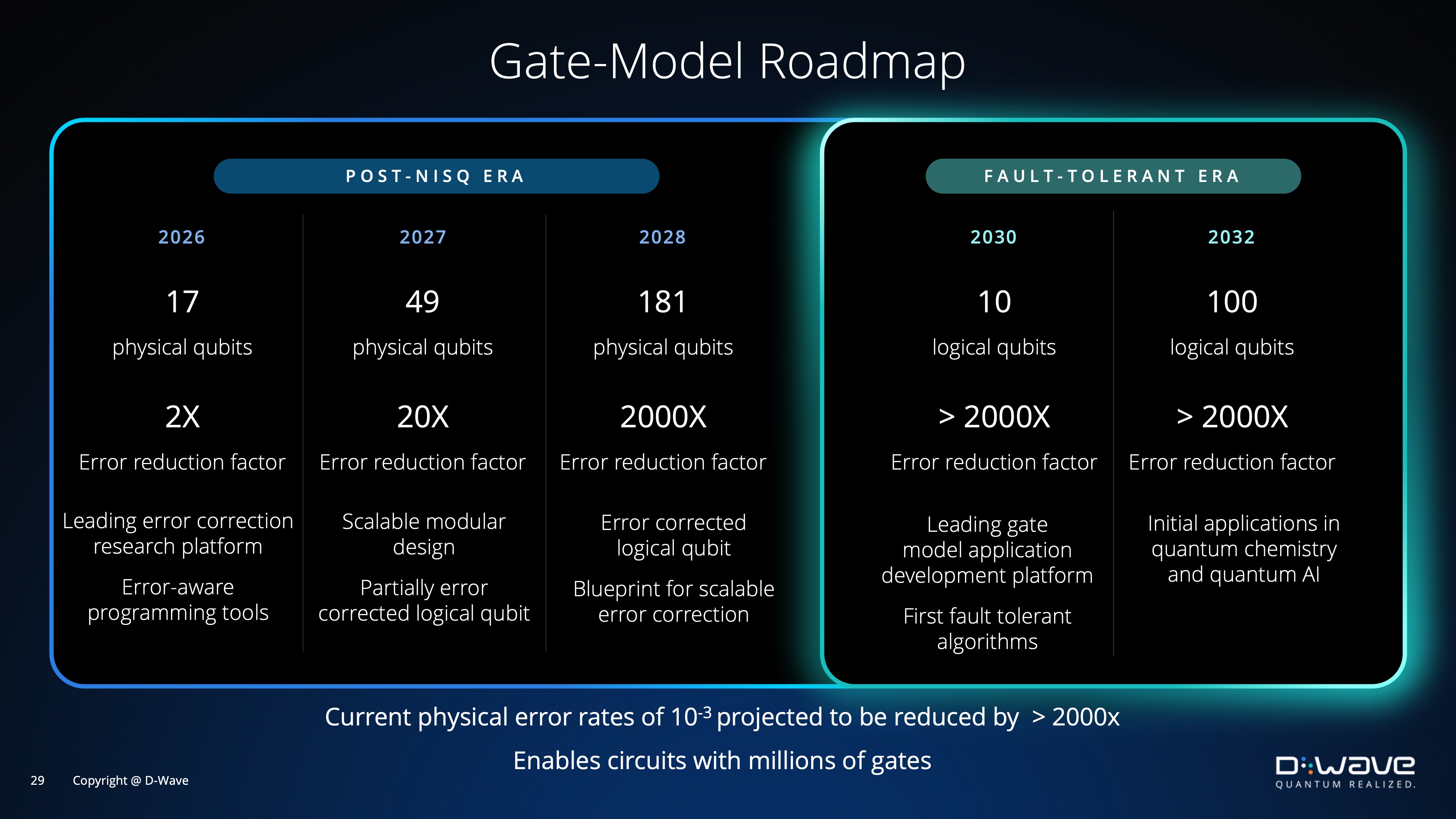
Public access begins in September 2026. D-Wave plans to have a 17-qubit physical system available by the end of 2026, scaling to 181 physical qubits by 2028. The longer-term roadmap targets a 10-logical-qubit fault-tolerant system by 2030 and a 100-logical-qubit system capable of executing over one million operations by 2032.